
I remember the first time I walked barefoot onto my new composite deck and immediately felt that unsettling, sponge-like sensation under my feet. It was a stark surprise — I had chosen what I believed to be a low-maintenance, durable surface, only to find it soft and a bit squishy beneath me. That lightbulb moment made me realize I wasn’t alone in this experience. Many homeowners, especially those who’ve just installed composite decking, share this same concern. If you’ve ever felt that your deck’s surface feels more like a trampoline than a solid foundation, you’re not imagining things. Today, we’re going to explore why your composite decking feels spongy and, more importantly, what you can do about it.
Unpacking the Mystery Behind the Spongy Feel
The sensation of sponginess often comes down to the type of composite material used and how it’s installed. Many beginner mistakes, like choosing hollow-core boards or improper spacing, can contribute to that squishy feel. Early on, I made the mistake of assuming all composite decking was created equal, only to learn that hollow boards tend to absorb more flex underfoot—especially if not supported adequately by the underlying framing. Trust me, selecting the right product and installation method makes a world of difference. If you’re curious about long-term solutions, I recommend checking out composite decking longevity tips — a resource I wish I had when I first started.
Could Your Deck Be the Culprit?
In my experience, many decks feel spongy because of inadequate joist spacing or insufficient support. Hollow composite boards, while attractive and lightweight, can sag or flex if not properly supported. Additionally, environmental factors like moisture infiltration or temperature fluctuations can exacerbate the issue over time. If your deck is built on a slope or spans a large area without enough beams, the flexing becomes even more noticeable. Have you faced this problem? You’re not alone, and there are straightforward fixes.
Understanding the root cause is crucial. For instance, reinforcing the framing, adding extra support, or switching to a solid-core composite can turn that trampoline feel into a sturdy, walkable surface. If you’re eager to learn about how to transform your deck into a durable and comfortable space, stay with me. Up next, I’ll guide you through the practical steps that will restore firmness and peace of mind to your outdoor oasis.
But first, let’s address a common doubt many homeowners have: Is spending extra on premium composite worth it to avoid this issue? According to industry experts, solid-core composite boards outperform hollow ones, especially in colder climates and high-traffic areas, providing a more reliable, firm surface. For more insight, you might explore this detailed comparison.
Now that we’ve uncovered the why behind that spongy feeling, it’s time to explore the solutions that truly matter. Ready to make your deck feel as solid as the day it was built? Let’s dive into the actionable steps that will keep your outdoor space both beautiful and firm beneath your feet.
,
Reinforce the Support Structure
Start by examining your deck’s framing, especially the joist spacing. If it’s more than 16 inches on center, consider adding additional joists or bridging to distribute weight evenly. I once doubled the number of joists beneath a sagging section of my deck, which immediately improved firmness. Use a level to identify uneven areas and mark where extra support is needed. Installing blocking or cross-bracing between joists can also stiffen the frame, reducing flex and creating a solid walking surface.
Upgrade to Solid-Core Boards
If you initially used hollow composite boards, switching to solid-core options can drastically improve stability. Solid-core boards resists bending and bouncing underfoot, much like replacing a trampoline with a hardwood floor. When I replaced my hollow planks with solid ones, I noticed walking felt more natural and less springy. Choose reputable brands that specify solid construction and durability in their specifications for best results. Explore secrets to lasting composite decking to ensure your upgrade endures over time.
Install Proper Support Systems
Reinforce your deck with post-to-beam bracing, ensuring stability during high winds or heavy loads. Use metal anchors and brackets designed for outdoor use to secure posts firmly to concrete or framing. I once added metal post caps with additional fastening, which prevented wobbling and enhanced overall rigidity. Pay special attention to footing depth and earth anchoring—adequate embedment prevents shifting and settling that contributes to an uneven, squishy deck surface.
Enhance Under-Deck Drainage
Water accumulation undermines support and can cause wood rot or composite swelling. Installing a waterproof membrane or drainage mat beneath your deck helps keep the framing dry, reducing movement. When I retrofitted my deck, adding a drainage layer prevented water pooling, which minimized flexing. Proper drainage not only prolongs the life of your support system but also maintains the firmness you desire under your feet.
Address Environmental Factors
Temperature fluctuations and moisture infiltration can make composite decking feel soft. Applying a protective sealant or water-repellent coating enhances stability and prevents material expansion or contraction. Use sealants compatible with composite materials, and reapply as recommended by the manufacturer. I learned this the hard way when my deck’s surface became noticeably bouncier after a wet winter, but sealing it restored its firmness.
Routine Maintenance and Inspection
Regularly check for loose fasteners, broken or sagging joists, and signs of rot or water damage. Tightening screws and replacing damaged components maintains structural integrity. In my experience, this proactive approach prevented minor issues from escalating into significant support failures, ensuring a consistently solid deck.
Combine these strategies, focusing on support, material quality, and environmental protection, and you’ll transform your deck into a sturdy, firm space. For detailed guidance on each step, visit maximize your outdoor living with low-maintenance composite decking or pergola design ideas to complement your upgraded deck structure.
Many homeowners and even some designers fall prey to popular myths that can undermine the durability and aesthetic appeal of outdoor structures. One sneaky trap is assuming that all railing systems are created equal. While aluminum or composite railings might seem interchangeable, the nuances in their installation and material properties can significantly impact safety and longevity. For example, overlooking the importance of proper anchoring or the use of corrosion-resistant fasteners can lead to rattling rails or even structural failure over time. It’s a common misconception that choosing a cheaper option is a money-saver, but in reality, investing in high-quality systems often pays off in reduced maintenance and enhanced safety.
Advanced Mistake: Ignoring the Microclimate’s Role in Material Selection
Another subtle mistake is neglecting the local climate when selecting decking materials and pergola structures. For instance, many assume that composite decking is universally suitable, but certain brands or constructions perform poorly in colder or humid environments, leading to warping, cracking, or mold growth. An insightful study by industry experts emphasizes matching material properties with environmental exposure — a critical step often skipped by DIY enthusiasts. Exploring secrets for longer-lasting composite boards can help avoid these pitfalls.
Misconception About Aesthetic Flexibility and Design Cohesion
A prevalent myth is that mixing different materials or styles in deck design creates a unique look. In practice, this often results in visual dissonance, making the space appear fragmented or cluttered. Achieving harmony requires a strategic approach—balancing materials, colors, and structures. For inspiration and expert advice on cohesive design strategies, visit transform your deck with expert design strategies. Remember, thoughtful planning ensures your outdoor oasis feels inviting and integrated.
One often overlooked detail is the installation technique for pergolas and how it influences their stability and lifespan. For example, improper anchoring and lack of diagonal bracing can make even the most stylish pergolas sway or collapse under heavy wind loads. This sneaky issue can be prevented by paying attention to details like adding diagonal bracing and correct support. Don’t fall into the trap of neglecting these nuances—your structure’s safety depends on it.
Have you ever fallen into this trap? Let me know in the comments. Let’s keep your outdoor spaces safe, stylish, and built to last by understanding the subtle truths behind deck design.
Keep Your Deck and Pergola in Prime Condition with the Right Tools
Maintaining outdoor structures like decks and pergolas requires more than just visual inspections; it demands precision and the right equipment. I personally swear by a cordless impact driver for fasteners, as it provides the power and control needed for various tasks without the fatigue of manual screwing. In my experience, using a digital moisture meter is indispensable—especially when diagnosing issues related to water infiltration or rot. It helps me identify hidden problems before they escalate, saving time and money. For measuring angles accurately, I rely on a high-quality digital angle finder, which ensures that pergola rafters or fascia boards are perfectly aligned, thereby preventing future sway or sag.
These tools have become my go-to arsenal for maintaining a flawless outdoor space. They empower me to perform inspections, repairs, and adjustments with confidence. Additionally, I recommend a pressure washer with adjustable heads tailored for gentle cleaning—this keeps composite decking looking brand new without risking damage. I avoid generic models and opt for brands with variable pressure settings, as they give me the flexibility to clean effectively without stripping protective coatings.
How do I keep my deck and pergola working over time?
Regular upkeep is key. I schedule bi-annual inspections to check for loose fasteners, water damage, or signs of wood rot. For hard-to-reach areas, a extendable pole brush combined with a gentle cleaning solution allows me to reach high pergola beams or deep crevices without a ladder. A threaded spray nozzle attachment on my pressure washer helps me target stubborn grime or moss buildup effectively, ensuring longevity and safety.
Looking ahead, I believe the trend will lean heavily on smart tools—things like Bluetooth-enabled moisture sensors and app-controlled sprayers—making maintenance even more seamless. Imagine receiving real-time alerts on your phone about potential issues before they become visible problems, enabling proactive care.
Invest in high-quality equipment and adopt a routine that suits your environment
Start by trying out a digital moisture meter and your favorite impact driver. Regular maintenance, combined with these specialized tools, will extend the lifespan of your structure, keeping it sturdy and beautiful for years. For inspired pergola designs or tips on selecting your perfect railing system, check out pergola ideas and railing options. Your outdoor living space deserves nothing less than expert-level upkeep—so gear up and get started today!”}]}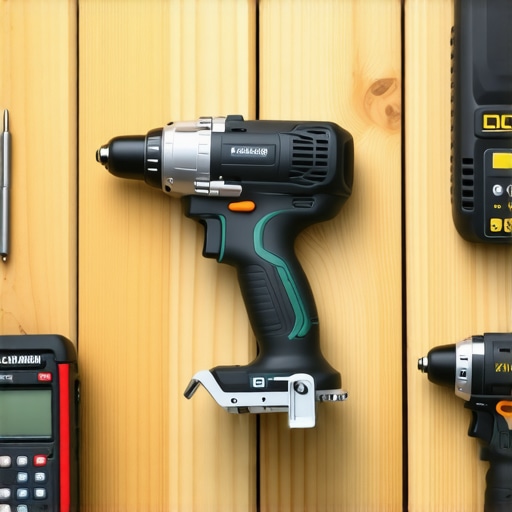 ,
,
Three Hidden Truths About Deck Support that Changed My Approach
One of the toughest lessons I learned was the importance of precise joist spacing and support. Initially, I underestimated how crucial proper framing was, leading to a spongy, unstable deck that felt more like a trampoline. After reinforcing the framing with additional joists and cross-bracing, the difference was night and day. Don’t overlook the seemingly small details—they build the foundation for durability and comfort.
Building with Quality: Why Solid-Core Boards Made All the Difference
I used to think hollow composite boards were sufficient because they looked good and were lightweight. However, my experience proved otherwise: solid-core boards offered that stiffness and stability that hollow ones lacked, especially under cold temperatures. Upgrading to solid-core was a game-changer, offering a firm, dependable surface that I could trust year-round. Investing in quality materials pays off in long-term satisfaction.
Support Systems That Actually Work—My Realization
Supporting your deck properly isn’t just about adding extra joists; it’s about thoughtful reinforcement. I found that installing sturdy post-to-beam bracing and ensuring deep, stable footings prevented wobbling and sagging. Additionally, improving drainage underneath shortens the lifespan of your deck and maintains its firmness. These systems may seem minor, but they ensure your outdoor space remains solid and inviting for years to come.
Perfection Comes with Tools, Not Just Ideas
Using the right tools made my maintenance routine efficient and effective. Whether it’s a digital moisture meter to spot hidden issues or a cordless impact driver for quick fastening, quality equipment saves time and prevents mistakes. Regular inspections with these tools helped me catch problems early, preventing costly repairs. Equipping yourself smartly is as important as choosing the right materials.
Here’s What I Wish I Knew From the Start
- Choosing solid-core over hollow composite boards is a small investment that offers big stability benefits—don’t settle for less.
- Supporting your framing with diagonal bracing can prevent the frustrating wobble that many decks develop over time.
- Regularly inspecting and maintaining your deck with quality tools extends its life and your peace of mind.
My Go-To Resources to Keep Learning
I rely heavily on trusted sources like this guide on composite decking longevity to inform my choices. For support system insights, this source on railing safety offers practical advice. These resources stay current with industry standards and provide detailed steps that I’ve put into practice.
Embrace the Challenge and Create Something Lasting
Your journey with composite decking and outdoor design is just beginning. With commitment, quality, and the right mindset, you can craft a space that endures, delights, and becomes a true extension of your home. Every challenge turned obstacle is an opportunity to learn, improve, and build something you’ll cherish. So, don’t be afraid to take that first step toward a more solid, beautiful outdoor area.
Have you ever struggled with support reinforcement or choosing the right composite material? Share your experiences below—let’s learn from each other and elevate our outdoor spaces together!
,