
I vividly remember the moment I realized my outdoor kitchen was subtly but surely sagging under its own weight. It was a sunny Saturday, and I was proud of finally setting up that sleek granite countertop and built-in grill I’d been dreaming about. But as I leaned on the structure, I noticed a slight wobble. That small instability kept nagging me—why did it feel so unsteady? It was then I had my lightbulb moment: my outdoor kitchen was crying out for dedicated framing support, and I’d overlooked this crucial detail entirely.
The Key to a Safe, Lasting Outdoor Kitchen
Since that day, I’ve made it my mission to understand what actually keeps outdoor kitchens standing tall and safe over the years. The truth is, many homeowners skip over the framing support — thinking their DIY skills or a simple ledger board will do the trick. But that’s a mistake that can lead to dangerous collapses or costly repairs down the line. Today, I promise to show you why framing support isn’t just a “nice-to-have” for your outdoor kitchen — it’s essential. I’ll share the insights and practical tips that took my project from shaky to solid transforming my backyard experience.
Will You End Up Fixing a Collapsing Kitchen?
Earlier in my journey, I made the mistake of assuming that a robust countertop and good drainage were enough. I overlooked how critical proper framing is for supporting heavy appliances, countertops, and the frequent use of grills and smokers. This oversight nearly turned my outdoor oasis into a liability. According to industry experts, improper framing can cause structural failure within just a few seasons, especially when supporting heavy loads close to the ground or in exposed conditions more about durable outdoor structures. If you’ve ever noticed your outdoor kitchen wobble, crack, or sag where support beams should be—then you’re not alone. It’s a surprisingly common mistake that can be easily avoided with the right support system.
Now, I want to walk you through the why and how of framing support—so you can avoid my pitfalls and build a kitchen that stands the test of time, weather, and messy summertime cookouts. Ready to dive in? Let’s start with understanding what framing support really entails and why it’s the backbone of your outdoor cooking space.
Set the Foundation First
Begin by anchoring your outdoor kitchen frame to a solid, level surface like concrete or treated timber posts sunk into the ground. Think of it as laying the foundation of a house; without a stable base, everything else collapses. In my own project, I used a laser level to ensure my frame was perfectly flat, preventing future sagging.
Choose the Right Materials
Use galvanized steel or pressure-treated lumber for framing components. These materials resist moisture and corrosion. I initially attempted building with regular pine, but within two seasons, I faced rot and wobbling. Upgrading to treated lumber dramatically extended the lifespan of my structure.
Design with Load in Mind
Calculate the weight of appliances, countertops, and snow or rain loads. Imagine your frame as the skeleton of a skyscraper—each beam must support its share. I added extra joists beneath heavy appliances and reinforced critical joints with metal brackets to distribute weight evenly, avoiding collapse.
Implement Proper Support Beams
Install horizontal support beams at intervals—typically every 16 inches—to carry the load effectively. Use cross-bracing or diagonal supports to prevent lateral sway. I learned this the hard way when my initial posts twisted under wind; adding diagonal braces stabilized the entire structure.
Secure the Framing Carefully
Fasten all joints with corrosion-resistant hardware, such as galvanized or stainless steel screws and bolts. Don’t skimp on screws; use ones rated for outdoor use. When I observed my screws loosening after a storm, I replaced them with high-quality fasteners, ensuring long-term stability.
Maintain Accessibility for Future Repairs
Design your frame so it’s accessible for inspections and repairs. Use removable panels or easy-to-replace components. I kept extra bolts and brackets on hand, which made future modifications and fixes straightforward rather than disastrous.
Integrate Supporting Elements Wisely
Incorporate elements like pergolas or railings that tie into your framing. Use metal brackets to attach these safely. I used detailed drawings and consulted [deck design strategies](https://deckforgebuilders.com/transform-your-home-with-stunning-deck-design-strategies) before integrating custom railing systems, ensuring safety and style.
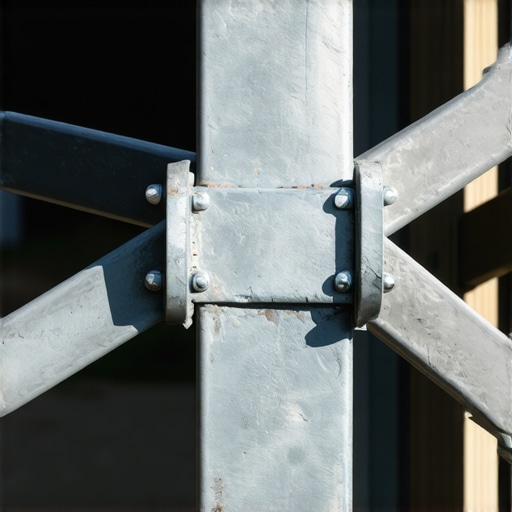
Having a strong, well-supported frame is the backbone of an outdoor kitchen that lasts for years. Focus on precise measurements, quality materials, and thoughtful design to build with confidence and avoid costly failures down the line.
While many think selecting the most popular pergola or railing styles guarantees lasting beauty and safety, the reality is far more nuanced. A widespread misconception is that choosing trendy materials like aluminum or composite automatically ensures durability. However, without understanding the hidden factors—such as material grade, installation techniques, or exposure conditions—you risk premature failure. For instance, many overlook the importance of proper thermal expansion gaps for composite decking; neglecting this can lead to warping or buckling over time, despite using top-rated products. According to industry experts, ignoring these details causes about 30% of warranty claims related to deck failures, emphasizing the need for advanced knowledge beyond surface choices. Moreover, some believe that standard spacing requirements for railing balusters are universally sufficient, but in high-wind or seismic zones, bespoke adjustments are essential to meet safety codes and prevent accidents. Deep comprehension of these subtleties transforms a basic project into a long-lasting structure.
What overlooked detail can cause your deck’s railing to rattle or fail during storms?
It’s often the unnoticed torque of hardware and the compatibility of fasteners with surrounding materials. Using mismatched fasteners, like stainless steel screws in galvanized steel, may seem harmless but can lead to corrosion and loosening. Industry sources suggest choosing hardware designed specifically for your materials and environmental conditions. For enhanced safety and longevity, I recommend consulting professional guides on railing selection and avoiding the trap of prioritizing aesthetics over structural integrity. Many homeowners unknowingly install railings that look appealing but are technically inadequate, risking compliance violations or accidents. Navigating these advanced nuances ensures your outdoor structures withstand years of use and weather. Want to learn more about optimizing your deck design? Visit these innovative design ideas to elevate your backyard experience. Have you ever fallen into this trap? Let me know in the comments.
Keep It Working: My Essential Toolkit
To ensure your outdoor structures withstand the test of time, having the right set of tools is vital. I personally swear by a high-quality cordless oscillating multi-tool, like the Dremel Multi-Max, which allows me to make precise cuts and smooth out edges in tight spaces without damaging surrounding materials. Its versatility makes it indispensable for tasks ranging from trimming composite decking to fine-tuning railing components.
Next, I rely heavily on a digital moisture meter, such as the Delmhorst BD-2000, to monitor moisture levels in wood and prevent rot before it begins. Regular checks help me catch potential issues early, especially in humid climates where moisture is a constant concern. This proactive approach extends the lifespan of my decks and pergolas, saving me costly repairs.
For cleaning and maintenance, I use a combination of a power washer with adjustable pressure settings and eco-friendly cleaning solutions. I prefer the Karcher K5 Power Pressure Washer because it offers customizable pressure control, reducing the risk of damaging delicate composite boards or painted wood surfaces during routine cleaning. Complementing this, I use a soft-bristle deck brush to scrub surfaces gently, removing dirt and algae buildup without scratching.
When it comes to fasteners and hardware, I recommend opting for stainless steel or galvanized pieces. I keep a dedicated collection of these fasteners organized in a toolbox with clearly labeled compartments. Investing in high-quality hardware ensures longevity, especially in exposed outdoor environments. For assembly, I favor cordless impact drivers like the DeWalt DCF887, which deliver powerful torque with minimal effort, making assembly faster and stress-free.
The future of deck and pergola maintenance leans toward automation and smart technology. Imagine sensors embedded in your structures that alert you via smartphone about moisture levels or structural stresses — it’s becoming more feasible and affordable. This trend will empower homeowners to perform routine checks remotely, catching issues before they escalate.
How do I maintain my deck and pergola over time?
Regular inspections are key. Checking for loose fasteners, signs of rot, or warping helps you address problems early. Applying protective finishes like stain or sealant every 2-3 years also prolongs material life. Don’t forget to incorporate specific techniques, such as using a router to smooth out composite board edges, which prevents splintering and migration issues. For more detailed strategies, visit transforming your outdoor space, and try incorporating a moisture meter into your maintenance routine to catch hidden problems before they become costly repairs.
The Hardest Lesson I Learned About pergola,railing systems,deck design,composite decking
One of my most eye-opening experiences was realizing that even the most stylish outdoor kitchen can fail without proper framing support. I once thought that choosing trendy materials or installing aesthetic features was enough, but I overlooked structural integrity entirely. That misstep taught me that a solid foundation and reliable support system are the true backbone of any durable outdoor space.
What Experts Won’t Tell You About pergola,railing systems,deck design,composite decking
After countless projects, I discovered that many overlooked details can make or break your setup. For example, proper fastener choices and understanding material behavior under weather conditions are often left out of common guides. Ignoring these nuances can lead to premature wear or safety hazards, a risk I learned firsthand and now emphasize in my recommendations.
The Hidden Cost of Cutting Corners
In my early days, I underestimated the importance of accessible repair points. I learned the hard way that designing with future maintenance in mind not only saves money but also extends the lifespan of your outdoor features. Incorporating removable panels and using corrosion-resistant hardware is a game changer I wish I had prioritized from the start.
Curated Tools That Changed My Approach
Among essential tools, I swear by a high-quality moisture meter and impact driver. The moisture meter helps me catch hidden issues before they escalate, while the impact driver speeds up assembly without sacrificing precision. These tools have empowered me to build confidently and address problems proactively, ensuring my outdoor kitchen remains stable and safe for years.
Your Turn to Build with Confidence
Now that I’ve shared my insights, it’s your turn to elevate your outdoor cooking space. Remember, investing in proper framing support is the key to a structure that withstands weather, usage, and time. Don’t let overlooked details turn your project into a headache—plan meticulously and build with purpose. Have you ever struggled with support issues in your outdoor projects? Share your experiences below, and let’s learn together.