
One gust of wind, and I watched helplessly as my pergola canopy strained under the storm’s might, tearing in places I didn’t even suspect. It was a lightbulb moment—realizing that even the most beautiful outdoor setups can turn into headaches when Mother Nature shows her strength. If you’ve faced similar frustrations, you’re not alone. Many homeowners love adding that perfect touch of shade with a pergola canopy, only to see it suffer during those unpredictable high winds.
The Hidden Forces That Sabotage Your Canopy
High winds pose a sneaky threat to outdoor canopies, especially when they’re not designed to withstand such forces. The materials used, the installation method, and even the placement of your pergola all play crucial roles. I learned this the hard way early on, making the mistake of assuming that a good-quality canopy would handle wind without issue. Turns out, my oversight was in the anchoring and choosing the right fabric—something I now know can make or break your canopy’s durability.
Is Something as Simple as Wind Resistance Overhyped?
At first, I wondered if wind-resistant canopies were just marketing hype. My early mistake? Installing a lightweight fabric without considering its wind load capacity. As a result, it flapped like a sail in every breeze, eventually tearing. According to experts at Deck Forge Builders, understanding the materials and proper anchoring is essential for longevity. This realization led me to seek better solutions—solutions I’ll share with you, so you won’t have to learn through trial and error.
So, if you’ve ever wondered why your canopy didn’t stand up to a gust or two, stick around. We’re about to dive into practical, effective methods to fortify your pergola and keep it looking pristine, no matter what the weather throws at it. Ready to reclaim your outdoor oasis? Let’s get started!
.
Reinforce Anchoring Strategies
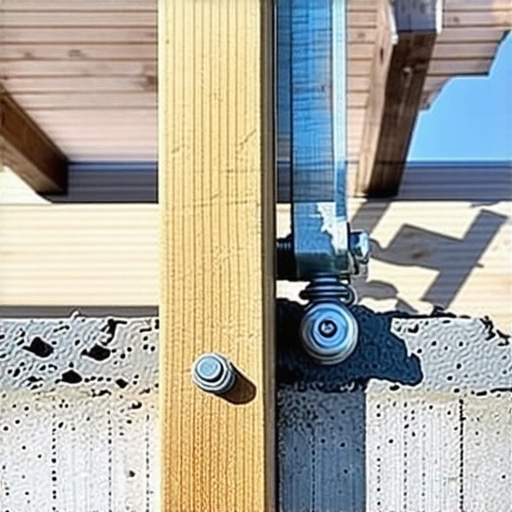
Begin by anchoring your pergola securely to a concrete or solid surface using heavy-duty anchors or bolts. During my project, I used expansion anchors for my concrete patio, which proved to be vital. These anchors act like the roots of a sturdy tree, preventing sway and shifting during storms.
Choose the Right Anchors
Opt for anchors rated for high wind loads. Tap into resources like railing system selection guides to ensure you select anchors with adequate capacity. I learned this through trial and error; using cheaper anchors resulted in a rattling pergola during a gust, which then required reinforcement.
Utilize Proper Bracing Techniques
Install diagonal braces from the pergola’s top beams to the posts. Think of these braces as the reinforcing ribs on a football helmet—they distribute wind forces evenly. I personally screwed in metal braces at a 45-degree angle, which stiffened the frame and prevented sway.
Match Materials for Durability
Use galvanized or stainless steel hardware to prevent corrosion. Combine this with composite decking materials that resist warping, such as those detailed at composite decking trends. My early attempt with untreated nails caused rust and loosened the structure over time, emphasizing material importance.
Add Windbreaks Wisely
Incorporate lattice panels or outdoor curtains to reduce wind impact. These act like a buffer zone, breaking the wind’s force before it hits the frame. I installed lattice screens along the prevailing wind direction, which noticeably lessened movement during windy nights.
Position for Wind Resistance
Place your pergola in a sheltered spot or near landscape features like trees and hedges that can act as natural barriers. I moved my pergola closer to a shrubbery line, which reduced the storm sway, much like placing a sailboat near the shoreline minimizes motion.
Maintain and Inspect Regularly
Routine checks are key. Tighten bolts, replace corroded hardware, and verify the stability after severe weather events. During my annual inspection, I replaced rusted fasteners and added extra bracing, which kept my structure resilient through seasons.
Implementing these steps requires effort but pays off with a sturdy, wind-resistant pergola. Remember, each component—from anchors to bracing—acts like a chain link; weak points compromise the entire structure, much like a flood breaking through a dam. Prioritize quality and routine upkeep to enjoy your outdoor oasis without worries.
Many homeowners assume that choosing the most popular pergola design or the cheapest railing system guarantees durability and style. However, this perspective oversimplifies the complexities involved in outdoor construction. For instance, a common myth is that all composite decking is maintenance-free and fade-resistant. While modern composites are highly durable, their performance varies significantly based on the product quality and installation methods. Professionals stress the importance of selecting high-quality composite decking that offers real resistance to fading, staining, and warping, especially in extreme climates.
Another frequent mistake is underestimating the importance of proper attachment systems for pergola posts and railing systems. Many rely solely on standard fasteners, which can loosen over time due to expansion and contraction or heavy loading. This oversight can lead to structural instability, a dangerous flaw that even premium materials can’t fix once the damage occurs. Ensuring your fasteners are rated for outdoor use and compatible with your chosen materials is crucial. It’s often overlooked, but proper attachment techniques can extend your deck’s lifespan exponentially.
Is There a Hidden Cost With Railing Systems? Why Material Choices Matter
Indeed, many think going with the cheapest railing options is a money-saver. Think again. Low-quality materials like untreated steel or inferior alloys may seem affordable initially, but they are prone to rust and deterioration, especially in humid or salty environments. This can necessitate costly repairs or replacements much sooner than expected. Experts recommend selecting stronger, corrosion-resistant materials such as stainless steel or powder-coated aluminum. These options might have a higher upfront cost but save money in the long run and ensure safety and aesthetics are preserved for years.
Additionally, many overlook the importance of designing for proper drainage and airflow around the deck and pergola. Poor drainage can cause foundational issues, wood rot, and mold growth, which many mistakenly attribute solely to material failure. Regular inspection and smart design choices can prevent these issues from escalating. For example, controlling moisture accumulation via appropriate flashing and gaps can dramatically improve your structure’s resilience. For comprehensive insights, visit deck design strategies that emphasize durability and style.
Remember, the *devil is in the details.* Whether choosing decking, railing systems, or pergola designs, understanding the nuances can prevent costly mistakes and extend the life of your outdoor space. Have you ever fallen into this trap? Let me know in the comments, and share your experiences with backyard projects. Let’s keep the conversation going and help each other build better.

Keep Your Outdoor Spaces in Top Shape with the Right Tools
Maintaining a deck or pergola over the years requires more than just regular visual inspections; it demands the use of precise tools and proven techniques. I personally rely on a few key pieces of equipment that save time and enhance accuracy. For instance, the 20-foot measuring tape is indispensable for ensuring consistent spacing and alignment, especially when installing new joists or railings. Unlike generic tapes, a high-quality tape with clear markings and durable casing allows me to work efficiently on large projects without second-guessing measurements.
Power tools also play a crucial role. A cordless impact driver not only speeds up fastening tasks but also delivers the torque needed to secure composite decking or railing components tightly. I prefer brands like Milwaukee or DeWalt because their tools combine battery longevity with ergonomic design, making long work sessions less tiring. Investing in a quality shimming tool kit also pays dividends—helps level pergolas and decks on uneven surfaces without the fuss, which is especially helpful in backyard projects where the terrain isn’t perfectly flat.
In addition to hardware, software tools like project management apps streamline long-term maintenance planning. Apps like Trello or dedicated deck management software allow me to schedule inspections, track repairs, and plan upgrades over months or years. This proactive approach prevents small issues from becoming costly repairs and ensures your outdoor features stay durable and safe.
Embrace the Power of Routine Checks
Setting up a maintenance routine is vital. I recommend quarterly inspections, focusing on fasteners, hardware corrosion, and structural integrity. During these checks, I use a magnetic screwdriver to tighten bolts easily—saving me from stripped screws and ensuring a secure fit. Additionally, implementing preventive measures such as applying a high-quality sealant with a sprayer helps protect wood and composite surfaces from moisture damage, which is key for longevity. Using tools like a variable sprayer guarantees even coverage, promoting a resistant finish that withstands the elements. Regular upkeep with these tools and habits arms you against the unpredictable weather that can wear down your structures over time.
How do I maintain my decking and pergola over time?
Understanding the proper methods and using the right tools makes all the difference. For example, consulting expert tips on composite decking longevity can help you choose the right sealants and cleaning agents, extending the lifespan of your materials. Additionally, establishing a schedule to inspect for loose fasteners, warping, and damage and addressing these issues promptly is crucial. I find that setting reminders in my project management app ensures I never overlook an annual or semi-annual check that can save a lot of headaches later.
For those looking to push their maintenance game further, consider investing in a digital moisture meter. This device can detect hidden areas of moisture intrusion before visible signs appear, preventing rot or mold growth. My advice: try incorporating this advanced tool into your routine—early detection often saves you from expensive repairs down the line.
Planning for the Future
Looking ahead, I predict the increasing integration of smart sensors into outdoor structures, alerting homeowners to structural weaknesses or moisture issues in real-time. As technology advances, embracing these innovations will become essential for long-term durability. Meanwhile, maintaining your existing setup with precise tools and routine inspections creates a solid foundation for future upgrades or scale-ups, ensuring your backyard oasis remains beautiful and safe for years to come.
The Hardest Lesson I Learned About Pergolas, Railing Systems, and Deck Design
- Overestimating Material Strength: I once believed that choosing the most popular decking material automatically meant it was the most durable. Turns out, even top brands can falter if not installed properly or matched to your climate.
- Neglecting Anchoring Technique Significance: My mistake was assuming that standard anchors sufficed. Proper anchoring isn’t just a step—it’s the backbone of wind-resistant structures, and overlooking this cost me during that storm.
- Underestimating Windbreak Importance: Installing simple lattice panels changed my entire experience. Natural windbreaks advance your pergola’s longevity more than you’d think, especially when placed strategically.
- Skipping Routine Inspections: Regular checks might seem tedious, but I’ve found that catching rust or loosened bolts early preserves both safety and aesthetic appeal.
My Essential Toolkit for Outdoor Resilience
Tools like a high-quality measuring tape and impact driver have revolutionized my approach. These tools ensure precise measurements and secure fastenings, making projects more durable. I also trust a shimming kit for adjusting uneven surfaces—saving headaches and preventing structural stress. Additionally, regular inspections with a moisture meter help me detect hidden issues, allowing proactive maintenance that extends the life of my outdoor spaces.
Your Turn to Try!
Building a weather-resistant pergola isn’t just about sturdy materials; it’s about thoughtful design, strategic placement, and ongoing care. Embrace these insights, and you’ll transform your outdoor space into a sanctuary that withstands the fiercest storms. What’s the biggest weather challenge you’ve faced with your outdoor structure? Share your story below and let’s learn together!