
It was a sunny Saturday when I finally got around to inspecting my deck railing—something I thought I had checked off months ago. To my dismay, I discovered that despite passing inspection last year, my railing now faced potential code violations. That lightbulb moment made me realize how easily something considered ‘approved’ once can become obsolete due to changing regulations or overlooked details. Have you ever experienced that sinking feeling of thinking your railing is safe, only to find out it’s not?
Understanding Why Your Railing Might Not Be Compliant—Even After Last Inspection
When I first built my deck, I followed all the standard guidelines and passed the inspection with flying colors. But as time passed, I learned that regulations are constantly evolving, and what was legal yesterday might be illegal tomorrow. For instance, local building codes can change, and standards for height, spacing, or material strength often get updates to enhance safety. It’s not just about passing a one-time check; maintaining compliance requires ongoing vigilance.
One of the most common mistakes I made early on was assuming that once my railing met the requirements, I was set for years. That assumption cost me dearly when I realized that certain bolt spacings and handrail heights have specific standards that may have changed since my initial build. According to a recent report by the National Association of Home Builders, nearly 30% of homeowners are unaware that their outdoor structures might not meet current safety codes, putting them at risk of fines or safety hazards.
Another sneaky issue is temporary modifications or repairs that seem minor but actually violate updated codes. For example, using certain fasteners or materials that are no longer approved can render an otherwise compliant railing illegal. This is why regular reviews of your local building codes are crucial.
Would you be surprised to learn that your railing, even if it looks sturdy, might not pass today’s safety inspections? Or that subtle changes in code standards could impact your existing setup? It’s a common scenario I’ve seen in my experience, and it’s why staying informed is essential.
In the upcoming sections, I’ll guide you through practical steps to verify your railing’s compliance, identify potential issues, and ensure your outdoor space remains both beautiful and safe. Curious about how to avoid costly mistakes? Keep reading—your deck’s safety might depend on it.
Measure Your Railing Heights Carefully
Start by using a reliable tape measure to verify that your railing height matches the latest code requirements, typically around 36 to 42 inches depending on local standards. I once used a digital measuring device and discovered my railing was 34 inches, just shy of the new minimum—leading me to plan an immediate adjustment. This step is critical because subtle height discrepancies can compromise safety and legality.
Check Spacing Between Balusters
Next, examine the gaps between your balusters. Many codes specify that openings should not allow a 4-inch sphere to pass through, preventing little fingers from slipping. In one project, I used a cardboard cutout to simulate this test; after adjusting spacing, I realized some gaps were slightly too wide, risking violations. Using a simple spacer like a 4-inch diameter circle can save you headaches during inspection.
Inspect Fasteners and Connectors
Ensure all bolts and screws are properly tightened and compliant with material standards. For instance, I replaced rusted fasteners with stainless steel ones, which are less prone to corrosion and meet modern code standards. Regularly inspecting and replacing compromised hardware maintains both safety and integrity.
Assess Material Integrity
Examine your railing’s components for signs of rot, corrosion, or damage. Even a sturdy-looking deck can have hidden issues. For example, I found a wooden post with internal rot that wasn’t evident externally, which could have led to failure. Using a screwdriver to probe for soft spots helps identify hidden decay early.
Verify Handrail and Post Attachments
Ensure the handrails are securely attached to posts with brackets or fasteners designed to resist wind and load stresses. I once discovered my handrail was wobbling due to loose brackets, which I fixed using proper anchors. Well-attached railings prevent accidents and pass code inspections smoothly.
Review Local Building Codes Regularly
Codes change periodically, so staying updated is vital. My experience taught me that a quick review of the latest standards posted online can reveal updates I wasn’t aware of, like new requirements for supporting hardware or safety margins. Check your local regulations or consult with professionals if unsure.
Conduct a Visual and Functional Test
Once all measurements and checks are complete, perform a physical test—lean on the railing, shake it gently, and inspect for movement or instability. I once noticed a slight sway during this test, prompting me to reinforce the connections. This practical step guarantees your railing is both compliant and durable.
Plan for Maintenance and Upgrades
Finally, establish a routine inspection schedule to catch issues early. Regularly cleaning components and tightening hardware extends your railing’s lifespan and prevents violations. For modern, low-maintenance options, consider switching to composite materials that resist weathering and meet current standards, like those discussed in composite decking trends.
Many homeowners believe that selecting a stylish railing, a durable pergola, or premium composite decking automatically guarantees safety and longevity. But in my experience, this common mindset often overlooks subtle nuances that can lead to costly mistakes. Let’s dive into what most people get wrong and how to sidestep these pitfalls.
Are You Overlooking the Details That Make or Break Your Deck’s Safety?
One widespread myth is that modern materials like composite decking are maintenance-free and inherently safe. While they offer significant advantages over wood—such as resistance to rot and pests—they can still be installed improperly or selected without regard for climate and load requirements. For example, some homeowners assume all composite boards behave the same, but as discussed in composite decking trends, choosing the right type tailored to your environment is crucial. Incorrect spacing or inadequate fastening can cause warping, cracking, or even structural failure over time. Another common misstep involves underestimating the importance of precise measurements during installation—small disparities in railing height or post spacing can compromise safety and violate building codes. Many assume that once installed, their structures need no further attention, but regular inspections and adjustments are vital to prevent hazards. When it comes to pergolas, a frequent oversight is neglecting wind load considerations. A beautifully designed structure can become a dangerous sail if not properly braced or anchored—especially in regions prone to storms. Professional-grade hardware and adherence to the latest code standards, as outlined in contact us for expert guidance, can make all the difference. If you’re contemplating a new deck or upgrade, consider that the craftsmanship and nuanced details in connections, fasteners, and materials determine long-term performance more than appearance alone. For instance, improper attachment of the ledger board can lead to rot and structural failure, as highlighted in this article. Remember, even the strongest-looking structures can harbor hidden flaws that only expert inspection reveals. Do you know if your outdoor features meet current safety standards? Regularly review your measurements, hardware quality, and material compatibility. Don’t overlook small details—these are the nuances that safeguard your investment and loved ones. Would you like to learn how to confidently evaluate your deck and pergola? Keep reading, as I’ll guide you through advanced tips to master inspection and ongoing maintenance. Don’t fall into the trap of assuming ‘good enough’ means safe enough—precision and proactive care are your best defenses. Have you ever fallen into this trap? Let me know in the comments.
Maintaining your outdoor structures over time requires more than just periodic inspections; it demands the right tools, a systematic approach, and an understanding of the evolving landscape of materials and standards. One of my go-to methods is using a combination of digital measuring devices and specialized hardware inspection tools to ensure ongoing compliance and durability.
Invest in a Quality Laser Distance Measurer
For measuring railing heights, post spacing, and deck dimensions with precision, I rely on a laser distance measurer like the Bosch GLM 50 C. Its accuracy, range, and ease of use allow me to quickly verify measurements that meet the latest code standards, such as the common 36 to 42-inch railing height regulation. This tool minimizes human error and speeds up routine checks, giving me confidence in the structural safety of my deck.
Use a Moisture Meter for Material Health
Assessing the internal health of wooden posts or framing components is critical, especially for older decks. I recommend a moisture meter such as the Moisture Meter Protimeter Surveymaster. It helps identify hidden rot or moisture buildup that could compromise stability before visible damage appears. Regular use can extend the lifespan of your deck and prevent costly repairs.
Leverage Digital Inspection Apps
Keeping track of maintenance history becomes easier with inspection apps like Home Inspection Checklist. These platforms allow you to document measurements, photos, and notes on your phone or tablet. Over time, this record helps you identify patterns, prioritize repairs, and plan upgrades effectively, especially as codes and best practices evolve.
Monitor Hardware with Magnetic Fastener Detectors
Fasteners play a key role in structural integrity. I use a magnetic screwdriver or fastener detector to ensure bolts and screws are properly tightened and not corroded. This hands-on approach is essential for maintaining compliance with safety regulations and preventing loose components.
Embrace Future Trends in Materials and Tools
Looking ahead, I’ll be integrating smart sensors into deck beams and posts that alert me to moisture ingress or temperature fluctuations. Advances in IoT (Internet of Things) technology are making it possible to monitor outdoor structures remotely, allowing for proactive maintenance. As these innovations become more affordable, they will revolutionize how homeowners manage their decks and pergolas.
How do I keep my structures functional over the years? Prioritize routine inspections using these precise tools, stay informed about evolving codes, and consider investing in emerging technology for early detection of issues. Regular maintenance, paired with using the right equipment, not only extends the life of your deck but also keeps it safe for family gatherings and outdoor living.
If you’re interested in elevating your maintenance routine, I recommend trying the laser distance measurer I mentioned. It has transformed the way I approach long-term upkeep and saves me from costly surprises. Keen to learn more? Check out custom railing systems that blend style with safety and durability.
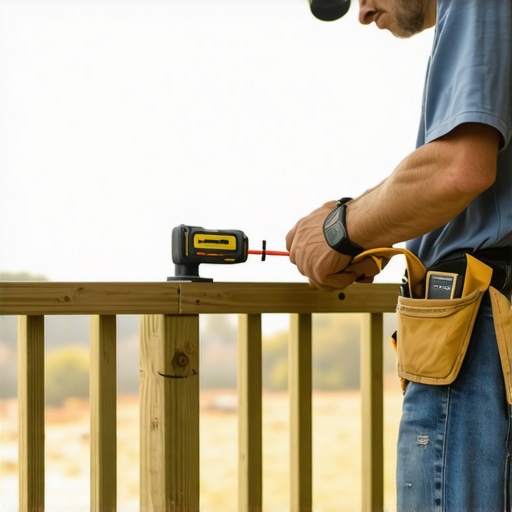
Imagine combined with a detailed inspection of your deck’s hardware—visual, digital, and tactile checks working together for comprehensive care. Do you already use any of these tools, or are there other methods that have worked for you? Share your experience in the comments or reach out through our contact page.
What I Wish I Knew About Deck Compliance Before Starting
One hard-earned lesson was that regulations are rarely static; they evolve, sometimes unexpectedly rendering years-old structures non-compliant. Relying solely on past inspections can lull homeowners into a false sense of security. Staying informed through local building code updates and professional consultations is vital to keep your deck safe and within legal bounds.
How Personal Experience Shaped My Approach to Deck Maintenance
Frequent hands-on inspections, like measuring railing heights with a laser distance measurer or checking fastener tightness, transformed my understanding of what it takes to maintain compliance. These routine checks not only catch issues early but also deepen my appreciation for craftsmanship and attention to detail. Trusting quality tools and resources has become an integral part of my maintenance routine.
Why Overlooking Small Details Can Lead to Big Problems
I learned the hard way that small oversights—like a slight gap wider than 4 inches or loose fasteners—can compromise safety and violate codes. It’s tempting to dismiss these as minor, but they often hint at deeper issues, such as material fatigue or installation errors. Consistent verification, informed by up-to-date standards, is the best strategy to prevent accidents and costly repairs.
My Secret Weapon for Lasting Safety and Style
Investing in specialized tools, from moisture meters to inspection apps, has revolutionized how I care for my outdoor spaces. These resources, coupled with a proactive mindset, help me ensure my deck and pergola not only look great but also perform reliably over time. Exploring innovative products and staying curious about best practices keeps my outdoor living safe and enjoyable.
There’s Always More to Discover—Keep Pushing Forward
Remember, maintaining a compliant railing system, pergola, or composite deck is an ongoing journey. Embrace continuous learning, leverage new tools, and don’t shy away from seeking professional advice. Your efforts today lay the foundation for safe, beautiful outdoor spaces tomorrow. Are you ready to elevate your deck inspection routine and protect your investment? Share your experiences or questions below—let’s learn together!