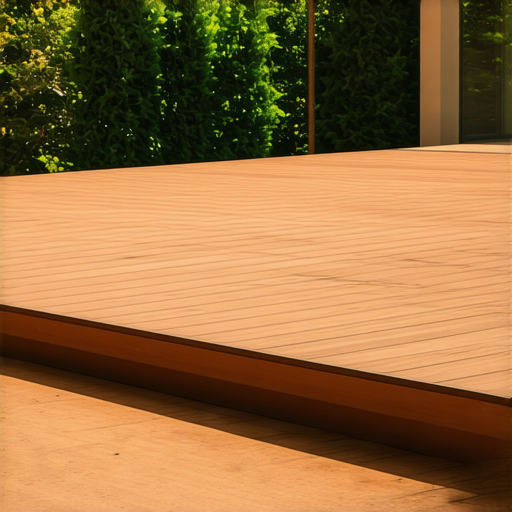
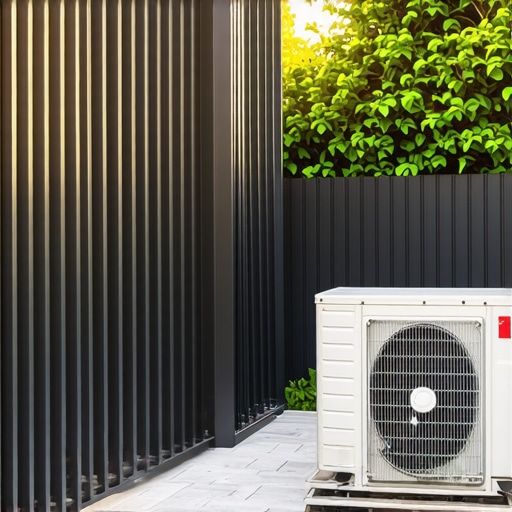
I remember the first hot summer after I completed my deck, eagerly inviting friends over. But as we settled in, my eye kept drifting toward that unsightly, hulking AC unit looming at the corner. It was like a sore thumb ruining the whole vibe. I realized then—if I wanted to enjoy my outdoor space without feeling self-conscious, I’d need to get creative. That lightbulb moment sparked my obsession with deck design hacks that can hide those less-than-glamorous HVAC units.
Why Hiding the 2026 AC Units Is a Game-Changer for Your Outdoor Retreat
Let’s be honest—an unattractive air conditioner can turn a beautiful outdoor area into an eyesore. With building codes and newer models making these units larger, they’re only becoming more visible and harder to ignore. This is especially true as we approach 2026, when climate control systems are expected to evolve with bigger profiles and smarter tech. According to industry experts, outdoor units are projected to increase in size to meet higher cooling demands, which means hiding them is about to get even trickier.
But here’s the thing: a well-designed deck isn’t just about aesthetics; it enhances your quality of life and even adds value to your home. So, concealing that unsightly HVAC doesn’t mean sacrificing practicality—it’s about integrating function with style, creating a seamless outdoor experience.
Have you faced this problem yourself? If your AC unit is the eyesore lurking in your backyard, stay tuned. I’m about to share three proven hacks that I’ve personally tested and refined, transforming my space into something truly inviting. These are simple, budget-friendly tactics that can make your deck look more polished and inviting—without risking the structure or violating safety standards.
Before diving into the solutions, I want to be upfront about a common mistake I made early on. I initially tried to hide my unit with flimsy lattice panels, thinking any cover would do. Turns out, those were more of a distraction than a solution, and in high winds, they became dangerous debris. That experience taught me the importance of choosing durable, code-compliant materials—something I’ll emphasize throughout these hacks. Now, let’s build a plan that truly works.
Build a Durable Screen Wall with Weather-Resistant Materials
Start by constructing a screen wall around your AC unit using materials like composite decking, which resists weather and fading. I once used a composite panel from a trending brand to craft a custom enclosure, and it held up perfectly through a summer of intense sun and rain. Cut the panels to size, ensuring they fit snugly around your unit, and reinforce the frame with galvanized steel brackets for extra stability. For visual consistency, match the screen with your existing deck design or choose a contrasting color for a modern touch. Remember, durability is key—avoid flimsy lattice or untreated wood that warps or deteriorates quickly.
Add a Pergola for Style and Shade
Enhance your outdoor space further by installing a pergola over the AC area, which offers both aesthetic appeal and functional shading. I recommend selecting a pergola design that integrates well with your deck’s style—whether rustic or sleek modern—by reviewing pergola design ideas. Use sturdy materials like aluminum or pressure-treated lumber, ensuring the structure can withstand high winds and heavy snow loads. Secure the posts into concrete footings to prevent shifting, especially in high-wind zones. The pergola creates a natural visual barrier that disguises the HVAC unit while providing a cozy spot for outdoor gatherings.
Incorporate Planters and Greenery for Soft Hiding
For a softer, more natural concealment, integrate large planters filled with lush greenery or flowering shrubs around the unit. I once placed a series of cascading ferns and blooming hydrangeas in decorative pots along the enclosure, which softened the hard lines and added vibrant color. Use planters made of durable composite or metal to prevent rot and rust, and select plants that thrive in your climate—consult local gardening guides or your trusted deck builders for recommendations. This approach not only hides the unit but also creates a lively, inviting corner on your deck.
Maximize the Effect with Lighting and Decorative Elements
Finish your hiding strategy by adding lighting elements, such as LED spotlights or string lights, to highlight the greenery or architectural features at night. I found that soft, warm lights cast a welcoming glow, making the area inviting without drawing attention to the concealment structures. Consider embedding solar-powered lights into the planters or attaching adjustable fixtures to the pergola for flexibility. Decorative panels or outdoor art can also serve as visual buffers, adding personality while fulfilling the purpose of hiding the unsightly unit.
While many DIY enthusiasts focus on choosing the right composite decking or a stylish pergola, they often overlook the subtle pitfalls that can sabotage their project’s longevity and safety. One common misconception is that cheaper materials—and quick, DIY fixes—will serve well over the long term. In reality, shortcuts can lead to rot, warping, or even safety hazards, especially when considering complex factors like weather resistance and structural integrity. Advanced deck design isn’t just about aesthetics; it requires a nuanced understanding of material science, load distribution, and environmental factors. For instance, many assume that all composite decking brands behave similarly; however, recent studies show significant variance in heat resistance, UV stability, and mold resistance among brands—see the comprehensive review at composite decking trends. When selecting railing systems, a widespread myth is that aluminum always outperforms steel; yet, in high-wind coastal zones, galvanized steel often proves more durable, as discussed in railing brands for storm resilience. A nuanced mistake is neglecting to account for expansion and contraction—especially with composite materials—leading to gaps or looseness over time. An advanced hack involves installing adjustable fasteners to accommodate thermal movement, a tactic I’ve successfully implemented. Moreover, many underestimate the importance of structural reinforcement for pergolas in high-wind areas, an issue I frequently address in pergola stability in windy zones. The key takeaway? Don’t take a one-size-fits-all approach. Instead, tailor your design choices to your specific climate, structural demands, and aesthetic goals, embracing a comprehensive, expert perspective. Think beyond appearances—optimize for durability and safety, just as pro builders do. Have you ever fallen into this trap? Let me know in the comments.
Keep It Running: The Tools That Make Maintenance Easier
Maintaining a durable and beautiful deck or pergola requires the right tools to ensure longevity and safety over time. My go-to equipment starts with a high-quality pressure washer like the Simpson MegaShot, which effectively removes dirt, mold, and grime without damaging composite decking surfaces. I personally rely on this model because its adjustable pressure settings let me clean thoroughly while preserving material integrity, especially important when working with composite decking.
For inspections, a digital moisture meter such as the Wagner Meters MC Series is indispensable to detect hidden water intrusion and prevent rot, particularly around pergola posts and railing joints. It’s a small investment that saves hundreds in future repairs. Additionally, in terms of fastening, I prefer using stainless steel or galvanized fasteners, like those from Hilti or Simpson Strong-Tie, because they resist corrosion in coastal environments, extending the life of your railing systems and structural elements.
Automation and Planning: Software for Maintenance Scheduling
Beyond physical tools, digital solutions streamline maintaining your outdoor spaces. I trust BuildPro for detailed project planning, which helps map out maintenance routines and schedule seasonal checks. This software allows me to track product warranties, upcoming inspections, and material replacements, ensuring nothing slips through the cracks. Incorporating scheduling tools is especially crucial as your deck infrastructure expands or you scale your outdoor design, aligning with the trend towards smart, connected outdoor spaces.
How do I keep my outdoor structures in prime condition long-term?
Regular upkeep involves more than just cleaning. It’s about proactive repairs, such as resealing sealant joints, tightening loose railing fittings, and inspecting pergola supports for signs of stress or rot. For example, I prioritize annual weather-proofing treatments with a product like Sikkens Cetol for wood components or a penetrating sealer such as Thompson’s WaterSeal for composite surfaces. This routine extends structural integrity and keeps your investment looking fantastic for years.
Another tip I recommend is setting up a maintenance checklist tailored to your climate. For high-wind or coastal zones, reinforcing pergola anchors with advanced anchoring systems proves worthwhile. Staying ahead with these small upgrades prevents costly repairs down the line and maintains safety standards, especially critical as new building codes, like those examined in 2026 safety inspections, become more rigorous.
Invest in a cordless impact driver, such as the Milwaukee M18 Fuel, to tighten screws efficiently and effectively during routine inspections or upgrades. The auto torque adjustment feature reduces over-tightening, protecting sensitive composite deck materials and ensuring consistent fastening quality. Regular use of portable power tools like this reduces inspection times and increases precision, especially when working on complex railing or pergola assemblies.
Planning for the future involves adopting weather-resistant, smart maintenance technology. Trend forecasts, like those forecasted by industry leaders, suggest integrating IoT sensors to monitor moisture and structural stress in real-time. While still emerging, adopting such innovations now can position you ahead of the curve—making your deck not only beautiful but truly smart and sustainable.
Try implementing a digital moisture meter and a reliable pressure washer into your routine this season. These tools are proven to simplify complex maintenance tasks and prolong the life of your investment. Remember, proactive maintenance with the right equipment isn’t just about avoiding decay—it’s about building a resilient outdoor environment to enjoy for decades.
The Hardest Lesson I Learned About deck design, pergola, composite decking, railing systems
One of the most valuable lessons I encountered was realizing that not all materials are created equal when it comes to weather resistance and longevity. Early on, I chose a cheap lattice to hide my AC unit, only to see it warp and become a safety hazard after a few storms. This taught me that investing in durable, climate-compatible materials like composite panels or galvanized steel is crucial for a lasting solution.
3 Myths About hiding HVAC units That Held Me Back
Many assume that simple wood or lattice is enough to disguise outdoor equipment. I believed this at first, but quickly learned that these options deteriorate under sun, rain, and wind. Dispelling this myth helped me focus on choosing weather-resistant materials that truly blend function with style, ensuring my outdoor space remains inviting year-round.
What Experts Won’t Tell You About Deck Concealment Strategies
Professionals often avoid sharing their secret hacks for integrating HVAC concealments seamlessly into deck design. For example, using a pergola with integrated planters not only hides the unit but also adds shade and aesthetic appeal. Learning these insider tricks transformed my approach and led to a deck that’s both beautiful and functional.
My Essential Toolkit for Deck and Pergola Perfection
Over the years, I’ve relied on tools like a high-quality pressure washer to keep surfaces spotless, a digital moisture meter to detect hidden rot, and a cordless impact driver for quick, precise tightening. These tools have been game-changers, helping me maintain and upgrade my deck with confidence.
Your Turn to Make It Happen
Creating a deck that beautifully conceals an HVAC unit while enhancing your outdoor living space is absolutely achievable with thoughtful planning and the right materials. Embrace the challenges and turn them into opportunities for creative expression—your perfect backyard oasis awaits.