I remember the moment clearly—the day I stepped onto my deck and felt that unsettling wobble in the railing. It was a hot summer afternoon, and what should have been a relaxing view turned into a wake-up call. That wobble made me realize I had overlooked some early warning signs, and I wasn’t alone. Many homeowners dismiss minor issues until they spiral into safety hazards, especially with the 2026 safety regulations looming. Do you ever wonder if your own railing system could be failing without visible signs? Well, you’re in the right place. Today, I’m going to share the critical clues that your railing might be in trouble—so you can act before an inspection or, worse, an accident forces you to replace everything at a higher cost.
Why Recognizing Warning Signs Early Matters More Than You Think
The truth is, failing railings aren’t just about failing aesthetics—they pose serious safety risks. In fact, the Consumer Product Safety Commission reports that thousands of injuries annually are linked to defective or unstable railings. With 2026 inspections set to tighten, knowing what to look for can save you time, money, and heartbreak. Early detection is your best defense, and trust me, some signs are more obvious than others. Railing failures often start small—loose balusters, wobbling posts, or corroded components—yet if left unchecked, these can compromise the entire structure.
Have you ever experienced a loose railing that seemed minor but later required reinforcement or replacement? I’ve been there, and I can tell you, the cost of ignoring these signs far outweighs the effort of routine checks. To help you stay ahead, I’m going to walk you through the four most common signs that your railing system isn’t fit for the 2026 safety inspection—so stay tuned. And while you’re at it, consider reviewing your current setup; perhaps a [custom railing system](https://deckforgebuilders.com/transform-your-outdoor-space-custom-railing-systems-for-safety-and-style) could be the upgrade your home needs. Let’s dive into what makes a railing fail, starting with the most sneaky one—hidden corrosion.
Inspect for Loose Components
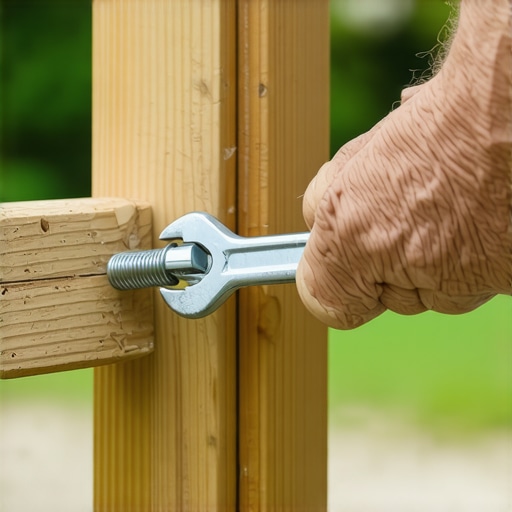
Start by systematically testing each section of your railing. Grip each baluster and post to check for wobbling or movement. Use a wrench to tighten loose bolts and screws—don’t neglect hidden fasteners beneath caps or trim. I once discovered a loose post beneath a decorative cap, which initially seemed minor, but tightening it prevented a future wobble. Document any persistent issues, as they might signal deeper structural problems or compatibility issues with your chosen railing system.
 Many homeowners assume that selecting stylish railings or trendy composite decking automatically guarantees safety and durability, but in my experience, this common belief oversimplifies the complexities involved in truly effective outdoor design. A significant misconception is that all composite decking is equal; however, not all brands or formulations withstand environmental stresses equally. For example, some products are prone to heat expansion or warping, which can compromise safety long after installation. According to a 2023 study by the Outdoor Living Association, choosing high-quality composite materials that incorporate UV-resistant and temperature-regulating properties can dramatically extend the lifespan and reliability of your deck, especially in climate zones with extreme weather patterns. Don’t fall into the trap of assuming price reflects durability—evaluate the material composition and manufacturer reputation carefully.
When it comes to railing systems, many think that a simple installation suffices, but overlooking the nuances in anchoring mechanisms can lead to dangerous wobbling or even complete failure, especially under high winds or storm conditions. An advanced mistake is neglecting to reinforce posts at critical stress points, particularly in coastal or hurricane-prone areas. Installing secure anchoring and understanding load capacity is vital—consulting expert guides about load calculations can prevent costly repairs or safety hazards. For further insight into innovative safety solutions, I recommend exploring these advanced railing systems.
Pergolas, often thought of as purely decorative, actually play a strategic role in overall outdoor safety and comfort. A common misconception is assuming that a standard pergola design is sufficient for windy or stormy conditions; however, structural nuances massively influence resilience. For instance, oversized posts or inadequate bracing can lead to wobbling or collapse during storms. The critical mistake is neglecting wind load considerations during design. If you’re in a high-wind region, models with reinforced anchors and wind-resistant features are essential—consult expert-designed pergola plans tailored for high-wind zones. By understanding these technical details, you ensure your outdoor space remains both beautiful and safe.
Now, for the advanced enthusiast: Have you ever wondered how to balance aesthetics with safety when modifying existing deck elements? This often involves sophisticated load analysis, considering factors like snow load, wind pressure, and user weight distribution. Making incremental improvements—such as upgrading fasteners to corrosion-resistant alloys or integrating additional supports—can significantly enhance structural integrity over time. Remember, every detail contributes to safety; neglecting minor nuances can lead to costly failures. Have you ever fallen into this trap? Let me know in the comments.Maintaining your deck and its components requires a combination of reliable tools and proactive practices. First, invest in a high-quality digital moisture meter, such as the Wagner Meters MMC220, to accurately assess the moisture levels in your composite decking boards and railing posts. Monitoring moisture helps prevent issues like warping and corrosion, extending the lifespan of your materials. A cordless angle grinder equipped with a diamond blade is invaluable for performing precise repairs, especially when cutting or smoothing composite surfaces or adjusting railing components. Regularly using a power drill with a set of corrosion-resistant fasteners ensures that your railing posts stay secure over time, even under harsh weather conditions.
For cleaning, I personally favor a deck-specific pressure washer, like the Sun Joe SPX3000, coupled with a gentle, biodegradable cleaner designed for composite surfaces. This combination effectively removes dirt and algae without damaging the material, maintaining both safety and aesthetics. Additionally, keeping a detailed maintenance log using digital tools like Trello or Evernote can track inspections, repairs, and replacement schedules, making long-term upkeep manageable.
Technological advancements are guiding the future of deck maintenance. Predictive analytics and IoT sensors, such as moisture and strain sensors, are becoming more accessible for homeowners and professionals alike. These devices can notify you of potential issues before visible signs appear, allowing for preventative maintenance. As the trend leans toward smarter outdoor spaces, investing in sensor-based monitoring will become standard practice.
**How do I maintain my deck and railing systems over time?** Regularly inspect fasteners for corrosion or loosening, clean surfaces with appropriate equipment, and monitor structural integrity using both traditional checks and modern sensors when possible. Implementing these practices ensures your outdoor space remains safe, beautiful, and durable for years to come.
Don’t forget, for detailed guidance on selecting the best railing systems or designing your pergola with longevity in mind, explore topics like [transforming your outdoor space](https://deckforgebuilders.com/transform-your-outdoor-space-custom-railing-systems-for-safety-and-style) and [innovative deck design ideas](https://deckforgebuilders.com/innovative-deck-design-ideas-that-elevate-your-homes-curb-appeal). Start integrating these tools and habits today, and take the first step toward a maintenance routine that saves you from costly repairs later on.
The Hardest Lesson I Learned About deck design,composite decking,railing systems,pergola
One of my most eye-opening experiences was realizing how overlooked subtle issues can jeopardize the entire outdoor living space. I once ignored a minor wobble in a railing post, thinking it was just a cosmetic concern. But that small loose component was a warning sign of deeper structural weakness, which could have led to safety hazards if left unattended. This taught me to always prioritize inspections that go beyond the surface and to recognize that minor imperfections often have big implications.
Another lesson involved understanding the unpredictability of environmental influences. Choosing stylish yet inferior materials for composite decking can lead to warping and rapid degradation, especially under fluctuating weather. Investing in quality, UV-resistant options and consulting expert-designed plans can save a lot of trouble. We often assume appearance equals durability, but durability is rooted in the unseen quality of materials and proper installation.
Lastly, I learned that seeking expert advice can significantly change our perspective. Sometimes, I was tempted to DIY complex fixes, but consulting trusted resources or professionals—like those found in industry guides or specialized forums—helped me avoid costly mistakes. The confidence gained from these expert insights made my outdoor improvements more resilient and safe.