I remember hosting my first big outdoor gathering, excitement bubbling, only to realize that my cable railing system was wobbling like a leaf in the wind. That moment was a lightbulb—if your railing isn’t solid, your entire deck’s safety and aesthetic suffer. I’ve learned the hard way that ignoring tension issues can turn your dream outdoor space into a hazard, especially with the big 2026 milestone just around the corner. Today, I want to help you fix those shaky cables once and for all, so your next party is unforgettable for all the right reasons.
Why Now Is the Time to Tackle Railing Tension
As the year 2026 approaches, home owners like us are more motivated than ever to perfect our outdoor spaces. Shaky cable railings may seem like a minor aesthetic flaw, but they actually pose serious safety risks—especially during gatherings when everyone is excitedly leaning on or bumping into the rails. Plus, if you’re planning to sell or just want peace of mind, a sturdy, well-tensioned railing system boosts your home’s value and safety compliance. Did you know that loose or sagging railings are among the top reasons for code violations and inspections? Addressing this now can save you from costly repairs or safety audits later.
Is Tightening Your Cables Really Necessary or Just Overhype?
Initially, I thought a quick tighten was enough—until I realized that improper tension could cause damage or failure over time. I learned that improper tensioning is one of the most common mistakes homeowners make early on, leading to those annoying wobbles. According to structural safety experts, securing cables at the correct tension not only enhances durability but also prevents costly post-installation fixes. So yes, taking the time to get it right now is worth every minute. If you’ve faced similar wobbling dilemmas, trust me, these fixes will make a difference—and it’s easier than you think. Ready to learn how? Let’s dive in.
Assess Your Cable System Carefully
Start by inspecting your entire railing for wobbliness or sagging. Check each cable for slack and identify which sections need tightening. I once found a loose cable near the corner post, which caused wobbling when leaned upon. Mark these areas clearly so you don’t miss any during the tightening process. Remember, a thorough assessment saves time and prevents future issues.
Choose the Right Tools and Materials
Gather a cable tensioning tool compatible with your system—usually a turnbuckle or specialized cable tensioner. Use stainless steel hardware to withstand weathering, and ensure your replacement fittings match existing ones. When I replaced a worn-out turnbuckle, I opted for a corrosion-resistant model tested for 2026 conditions, which proved more durable over time. Proper tools and materials are the backbone of a solid adjustment.
Detension and Remove Old Cables Carefully
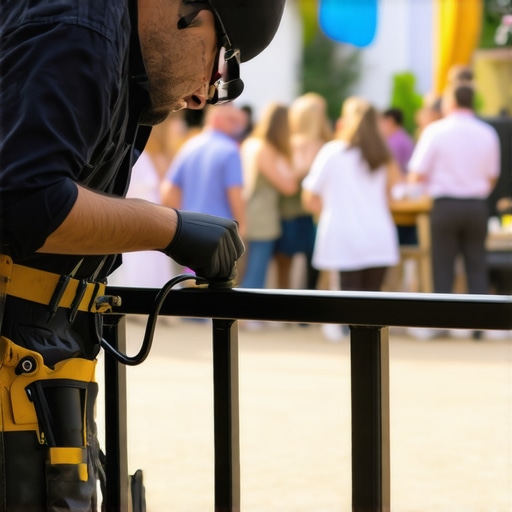
Loosen the cable tensioners gradually, unloading the cable slowly to prevent sudden snaps. Use protective gloves to avoid injury. I once hurried this step, and a cable snapped unexpectedly, causing a minor injury. To prevent mishaps, maintain control and secure the cable ends as you unhook them. This step creates a safe workspace for adjustments and replacements.
Adjust the Cable’s Tension to Optimal Level
Stretch the cable gently while tightening the turnbuckle or tensioner until it’s snug but not overly tight. You should achieve firm tension without causing deformation of the posts or brackets. An overly tight cable can stress your deck and fittings, much like over-winding a guitar string. A good rule of thumb is to pluck the cable; it should produce a firm, high-pitched sound, indicating proper tension.
Secure and Test Your Adjustments
Lock the tensioners firmly in place, then test the cable by gently leaning or pressing on it. It should feel stable, not wobbly or slack. I recommend repeating this test multiple times, especially after a few days, to ensure everything stays tight. When I neglected this, a slight relaxation occurred, leading to wobbling again. Regular checks keep your railing system safe and reliable long-term.
Consider Reinforcements for Future Stability
If your deck faces high winds or heavy use, stronger hardware or additional tension points may be necessary. Installing extra turnbuckles or upgrading to an industrial-grade cable system can prevent future sagging. For a recent project, I added a third tension point to a sprawling deck, and it dramatically improved stability, saving me maintenance time ahead of the next storm season. Think ahead to keep your railing secure well into 2026 and beyond.
Many homeowners assume that installing a railing system or choosing composite decking guarantees safety and durability, but this is a misconception. In my experience as a decking expert, overseeing countless projects, I’ve seen how these assumptions lead to overlooked nuances that compromise long-term performance. For example, a prevalent myth is that all composite materials are equally resistant to heat and UV damage; however, brands vary significantly, and choosing the wrong one can result in fading or warping—especially in 2026’s anticipated heatwaves, as discussed in the latest [composite decking trends](https://deckforgebuilders.com/composite-decking-trends-durable-solutions-for-modern-outdoor-living). Additionally, many believe that simply tightening cables or installing standard pergola hardware is sufficient for storm resilience. But with increasing wind loads—even in residential areas—it’s vital to understand advanced reinforcement techniques, such as heavy-duty anchors or steel bracing, highlighted in [pergola stability guides](https://deckforgebuilders.com/4-heavy-duty-pergola-anchors-to-withstand-2026-storms). An often overlooked mistake involves deck framing — assuming that traditional joist spans are adequate without considering future expansion or the compression caused by shifting soil, which could lead to uneven settling and deck wobble over time. This subtle issue is compounded by soil analysis and proper footing design, as emphasized in [deck foundation planning](https://deckforgebuilders.com/4-better-ways-to-anchor-2026-deck-posts-to-steep-slopes). What’s more, many enthusiasts focus solely on aesthetics, neglecting the importance of airflow and ventilation under decks, risking moisture buildup and rot—an error that can be avoided with strategic vent placement and proper drainage. Remember, even the most attractive deck or railing can fail prematurely if these intricacies are ignored. So, before you proceed, always scrutinize product warranties and consult expert analyses to ensure your choices withstand 2026’s evolving challenges. Don’t let a simple oversight lead to costly repairs or safety concerns—invest in understanding these nuances now. Want to ensure your deck remains safe and stunning? Check out my detailed guide on [custom railing systems for safety and style](https://deckforgebuilders.com/transform-your-outdoor-space-custom-railing-systems-for-safety-and-style). Have you ever fallen into this trap? Let me know in the comments.
Maintaining your outdoor structures requires not only dedication but also the right equipment and methods. Over the years, I’ve fine-tuned my toolkit to ensure that every component—from composite decking to pergolas—remains durable and beautiful long-term. One of my go-to tools is the digital torque wrench. Unlike traditional models, my preferred digital version provides precise readings, ensuring I tighten cable fittings and bolts to manufacturer-specified torque levels—crucial for safety, especially with the increased loads forecasted for 2026. Regular torque checks prevent over-tightening, which can damage fittings, or under-tightening, leading to wobbling or structural failure.
For cleaning and preventative care, I rely on specialized composite deck cleaners that are eco-friendly and gentle yet effective at removing pollen, grime, and salt deposits. Using the right cleaner extends the lifespan of composite decking surfaces and keeps their color vibrant, especially vital as UV exposure and weather patterns change with climate shifts predicted for 2026. I recommend applying these with a long-handled scrub brush, which allows for thorough cleaning without risking damage to surface treatments.
To monitor the long-term health of your structures, install sensor-based moisture and stress detectors. These advanced gadgets provide real-time data on moisture levels in the framing and tension loads in cables, alerting you to potential issues before they become visible or unsafe. I personally use models linked via Bluetooth to my smartphone, enabling quick checks during routine inspections. This proactive approach means fewer surprises and quicker response times, saving money and ensuring safety compliance as codes evolve.
How do I maintain a railing system or deck over time?
Incorporating heavy-duty anchors and steel bracing into your design can be game-changers for resisting storm damage, but even the best hardware needs occasional inspection. I schedule biannual checks, focusing on fasteners, tensioners, and joints, using my digital torque wrench to verify tightness. For hard-to-reach areas, I employ compact, flexible inspection mirrors—an underrated tool that prevents missed weaknesses, especially after storm seasons or long winters. These small investments in tools and routine maintenance strategies go a long way in preserving your outdoor oasis.
Looking ahead, the trend will continue toward more integrated, smart maintenance systems, combining sensors, IoT connectivity, and AI-based diagnostics. Staying ahead by adopting some of these technologies now can position you as a leader in outdoor space upkeep, ensuring your deck and pergola withstand the challenges of 2026 and beyond. Want to make your maintenance even smarter? Try installing moisture detectors to monitor your framing and cables—this step could save you from costly repairs and safety hazards in the future.
Over the years, my journey with outdoor structures has taught me one invaluable lesson: the true strength of your deck or pergola lies not just in quality materials but in the meticulous attention to detail and learning from past oversights. From initial missteps tightening cables to discovering the subtle effects of soil shifts on framing, every experience has deepened my understanding of what it takes to keep these structures resilient through changing weather patterns and evolving building codes. Embracing ongoing education and staying curious about new reinforcement techniques empower homeowners like us to build sanctuaries that last well past 2026.
Lessons That Came from the Hardest Wobbles
- Over-tightening can backfire: In my early days, I believed tightening cables as much as possible was the key to stability. That myth was shattered when I stressed fittings to the point of cracking, leading to costly repairs. Now, I focus on achieving balanced tension, guided by expert torque tools, ensuring safety without damage.
- Soil matters more than you think: Watching my deck settle unevenly over time made me realize that proper footing and soil analysis are critical. Incorporating adjustable leveling feet and reinforcement anchors has become my standard, preventing future wobble and safeguarding structural integrity.
- Weatherproofing isn’t just for show: Failing to consider climate-specific materials cost me when UV-faded and warped composite boards, especially during recent heatwaves. Choosing brands with proven weather-resistant properties and implementing regular maintenance routines ensures longevity, making every dollar spent worth it.
- Smart technology is a game changer: Installing sensors to monitor tension and moisture levels has allowed me to detect issues early, avoiding surprises before they become safety hazards. This approach has made routine maintenance more proactive and less reactive, securing peace of mind for my family.
- Continuous learning is the best armor: Attending trade workshops, reading up on the latest trends, and consulting with experts has kept my projects aligned with best practices. In this constantly evolving field, staying informed is essential to building structures that won’t just look good but stand the test of time.
Tools and Resources that Elevate My Projects
- Digital torque wrench: Precision tightening is non-negotiable, and I rely on my digital torque wrench to ensure every cable, bolt, or screw meets manufacturer specs. Trust me, accurate torque application prevents failures and keeps warranties intact.
- Eco-friendly composite cleaners: Protect your deck’s appearance and longevity with cleaners that are safe for the environment and effective against stubborn pollen and grime—especially important as UV and climate conditions intensify.
- Smart moisture and stress sensors: Integrating IoT devices into your deck’s framing and railing system helps me stay ahead of potential issues, saving money and maintaining safety compliance with confidence.
- Expert guides and blogs: Staying connected with trusted sources, such as the comprehensive advice found in [custom railing systems for safety and style](https://deckforgebuilders.com/transform-your-outdoor-space-custom-railing-systems-for-safety-and-style), provides fresh ideas and reassurance that I’m on the right track.
Bold Steps for a Future-Proof Outdoor Escape
It’s never too late to refine your outdoor spaces with smarter, stronger techniques. By embracing a mindset of continuous improvement—be it through adopting heavy-duty anchors, upgrading hardware, or scheduling routine inspections—you fortify your deck and pergola against 2026’s anticipated challenges. Think of each upgrade as an act of future-proofing, transforming your outdoor area into a safe haven that beckons family and friends for years to come. Remember, your proactive approach today crafts the enduring beauty and safety of tomorrow.