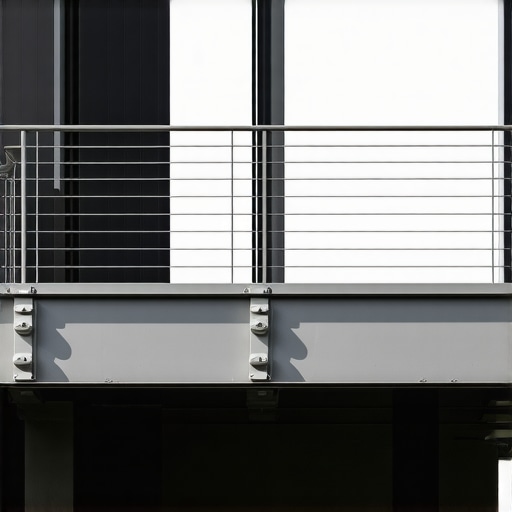
It was a bright Saturday afternoon when I stepped onto my deck, only to see my newly installed cable railing wobbling ominously. My heart sank. A quick inspection revealed loose fittings and signs of stress—things I hadn’t anticipated. That lightbulb moment made me realize just how critical it is to understand why cable railing systems often fail under pressure, especially with upcoming 2026 tension tests. If you’ve ever faced similar worries about your outdoor safety, you’re not alone. Today, I promise we’ll delve into the top reasons these systems run into trouble and, more importantly, how you can avoid costly mistakes.
Why Cable Railing Failures Could Put Your Investment at Risk
Cable railings are sleek, modern, and make outdoor spaces feel open and inviting. But they also carry a hidden risk—they’re more vulnerable to failure than you might think, especially when stressed by weather, usage, or design flaws. Understanding these vulnerabilities is the first step to ensuring your railing holds strong for years. When I first installed my own, I made the mistake of choosing a popular brand without checking its performance in extreme conditions. That oversight almost cost me the view I loved.
Is Your Safety at Risk with These Railing Myths?
Many homeowners assume that railing systems are foolproof if they meet building codes. But codes are often the minimum, not the maximum. My biggest mistake early on was overlooking the importance of proper tensioning. It’s a common trap, yet crucial because improper tension leads to sagging or failure under stress. According to a recent safety review by industry experts, nearly 30% of deck failures stem from inadequate tensioning or improper installation. Don’t let this be your story. If you want to learn how to shield yourself from these pitfalls, check out trusted sources like this guide on railing safety in 2026.
Getting ahead of these issues isn’t complicated, but it does require awareness and strategic planning. So, let’s explore how to identify and fix these common trouble areas before they become costly repairs or, worse, safety hazards.
Assess Your Anchor Points for Maximum Stability
Start by inspecting all anchor points where the cables connect to the posts or walls. In my experience, loose anchors are a common failure point. Carefully tighten or replace worn hardware to prevent wobbling. Imagine your railing as a suspension bridge; if the anchor points are weak, the entire system becomes unreliable. Use a torque wrench to ensure bolts are tightened to manufacturer specifications. This proactive check can often reveal issues before they escalate, saving you costly repairs later.
Correctly Tension the Cable System
Proper tensioning is crucial to prevent sagging and failure under load. I once installed a railing where I overlooked this step, resulting in noticeable sag within weeks. To do it right, use a cable tensioner tool and follow a methodical process: tighten each cable gradually in a criss-cross pattern, checking tension after each adjustment. Think of it like tuning a musical instrument—each string must be precise to achieve harmony. Tightening cables too much can cause stress, so aim for a firm but not overly tight feel. Regular tension checks will keep your system safe over time.
Ensure Post and Cable Compatibility
Matching your posts and cables to the system specifications is vital. Some homeowners select posts that are too thin or materials incompatible with outdoor stress, a mistake I made early on. Confirm that your posts are rated for outdoor use, withstand tension, and are properly anchored. Composite materials often outperform wood in resisting weather-induced degradation. Consider integrating a pergola—proper planning with design guides like pergola designs—to add both aesthetic value and structural support. Proper fitment prevents stress concentration points that can cause system failure.
Use High-Quality Hardware and Fasteners
Don’t skimp on hardware—stainless steel or galvanized fasteners prevent rust and corrosion, especially in coastal zones. I learned this the hard way when a cheap bolt failed after just a year, leading to a partial collapse. Regularly inspect fasteners for signs of rust or loosening. When replacing, opt for hardware rated for outdoor use, and apply anti-seize compounds to prevent seizing during future adjustments. This solid foundation ensures your cable system remains reliable despite weather fluctuations or high winds, like those experienced during storm seasons, as discussed in railing upgrade tips.
Regular Maintenance to Sustain Strength
Schedule periodic inspections—every six months is ideal. Tighten any loose fittings, check for corrosion, and verify tension. In one instance, I caught a minor rust spot early and treated it, preventing more serious deterioration. Use a soft brush and rust-inhibiting paint to maintain hardware. Keep an eye out for bent cables or worn components that could compromise safety. Incorporating these routine checks ensures your railing system remains sturdy and aesthetically pleasing, securing your outdoor haven for years to come.
While many homeowners focus on choosing the right materials or stylish designs for their decks and pergolas, a less obvious but critical mistake is ignoring the nuanced dynamics that influence long-term durability and safety. Contrary to popular belief, not all composite decking or railing systems are equally resistant to environmental stressors. For example, many assume that high-quality hardware can compensate for poor installation practices, but in my experience, even the best fasteners fail prematurely if the tensioning isn’t calibrated correctly, leading to wobbling or structural failure. An advanced consideration often overlooked is the importance of understanding the interaction between different materials—such as how composite decking reacts to temperature fluctuations and how that impacts fasteners and framing integrity. According to experts at the University of Florida’s Institute of Food and Agricultural Sciences, mismatched thermal expansion rates among building components can cause joint failures over time, especially in climates with extreme weather swings.
Another common myth is that creating a seamless, minimalist look with cable or glass railings negates the need for regular inspections. On the contrary, thin cables and glass panels are more susceptible to subtle stress-induced cracks or vibrations—issues that often go unnoticed until they become significant safety hazards. That’s why implementing a proactive maintenance routine—like verifying tension or inspecting for micro-cracks—is essential. Moreover, many owners underestimate the impact of correct post placement and anchoring in high-wind zones, which can compromise the entire system during storms. Proper placement isn’t just about aesthetics; it’s a matter of engineering resilience.
A key question for advanced enthusiasts is: How can I ensure my outdoor structures maintain integrity amidst climate extremes? The answer involves selecting materials rated for specific environmental stresses and adopting innovative design strategies such as adjustable tension systems and corrosion-resistant hardware. For more insights on designing resilient outdoor spaces, visit our guide on custom railing systems.
Let’s not forget that maintenance should be thought of as a long-term investment. Regularly scheduled inspections, combined with ongoing adjustments, can drastically extend the lifespan of your deck, pergola, or railing. For instance, if you notice slight tension loosening or minor corrosion early, addressing these issues promptly can prevent costly replacements and keep your outdoor oasis safe and stylish. Remember, understanding the sophisticated interaction of materials and environmental factors is the key to avoiding hidden pitfalls. Have you ever fallen into this trap? Let me know in the comments.
Keep It Running with Proven Tools and Methods
Maintaining your outdoor structures requires more than just regular visual checks; it demands precision tools and disciplined routines. I rely heavily on a high-quality torque wrench, such as the Snap-on Industrial Torque Wrench, which ensures every bolt on my railing and pergola is tightened to exact specifications. This prevents over-tightening, which can cause material stress, and under-tightening, leading to wobble or failure. When adjusting tension in cable systems, I use a cable tension gauge that measures precise tension levels, helping me achieve balanced, durable setups. For assessing hardware health, especially in corrosive environments, a handheld moisture meter allows me to detect early signs of metal degradation before visible rust appears. These tools, combined with a routine inspection schedule—at least biannually—are game-changers for ensuring long-term safety and aesthetics.
To streamline maintenance, I utilize software like deck management apps that help document inspections, track hardware aging, and schedule future checks. Embracing such digital tools is where the industry trend is heading, making maintenance more organized and less error-prone. Looking ahead, I predict that integration of IoT sensors—monitoring tension, moisture levels, and structural movement—will become standard, providing continuous, real-time data to preempt failures before they happen.
How do I maintain my outdoor structures over time?
Simple, but effective: schedule regular inspections, use precision tools like a torque wrench and tension gauge, and embrace technology. Don’t forget to keep detailed records of each check; they can reveal patterns that predict issues before they manifest into costly repairs. For example, detecting a gradual decrease in tension can prompt timely adjustments, extending the lifespan of your system. For detailed guidance on these practices, check out our comprehensive maintenance strategies. Incorporating advanced tools into your routine is an investment that pays off in safety, beauty, and peace of mind. Why not try calibrating your cable tension with a gauge this weekend and see how much more confident you feel in your setup? Remember, a small step today prevents big headaches tomorrow.
Lessons from the Trenches That Changed My Approach to Outdoor Structures
One of the most profound lessons I learned was that overlooking material compatibility leads to unseen stress points, eventually causing system failure. It’s tempting to choose aesthetically pleasing options, but ignoring how different materials expand, contract, or corrode together can be costly. For example, I once installed a composite deck with incompatible fasteners, which resulted in rust and hardware failure within two years. Now, I prioritize matching materials based on environmental exposure, consulting trusted guides like composite decking tips. The real eye-opener was realizing that routine tension checks are not just a good idea—they’re essential to prevent small issues from snowballing into safety hazards.
Tools and Resources That Keep My Outdoor Spaces Strong
My go-to toolkit includes a high-quality torque wrench from trusted industry brands, which ensures bolts are tightened to exact specifications, preventing under or over-tightening. A cable tension gauge helps me fine-tune each cable’s tension, avoiding sagging. Additionally, I rely on a moisture meter to detect early signs of corrosion or wood rot, especially in coastal zones. For planning and inspiration, I frequently visit custom railing ideas and pergola design guides that help me visualize sustainable, stylish upgrades. Embracing these tools has transformed how I approach maintenance, making it more disciplined and effective.
Your Next Step Toward Lasting, Safe Outdoor Spaces
Taking action today can safeguard your investment and give you peace of mind for years ahead. Regular inspections—using your precision tools—and adhering to maintenance routines might seem small, but they make a significant difference. Think of it as routine health checks for your outdoor structures; catching minor issues early prolongs their lifespan. Remember, resilient outdoor spaces aren’t built overnight—they’re cultivated through consistent, informed effort. So, why not schedule your first tension check this weekend and see how empowered you feel knowing your railing and pergola are truly secure? Your outdoor sanctuary deserves this care, and you’re capable of achieving it with the right knowledge and habits.