
Ever had that sinking feeling when you realize a project you started might be more complicated than it looks? I remember the day I wanted to add a beautiful pergola to my deck for some much-needed shade and style. Excited, I began planning, only to hit a wall—how to secure it firmly without damaging my beloved deck? The fear of drilling into my composite decking and risking costly damage was almost paralyzing. I felt like my dream of that perfect outdoor sanctuary was slipping away, replaced by worries about ruining my deck or voiding warranties. Perhaps you’ve faced the same dilemma—how can you install or anchor a pergola securely without drilling into your deck? Well, I found that there are clever, safe alternatives that can save you time, money, and frustration.
Why You Need a Drilling-Free Solution
To me, the biggest concern with drilling into decks—especially composite ones—is the potential for cracking, chipping, or voiding warranties. Composite decking is designed for durability, but puncturing its surface can lead to water infiltration, warping, and even mold growth. Moreover, drilling can compromise the structural integrity if not done carefully, leading to wobbliness or instability over time. The good news is, you don’t have to choose between security and preserving your deck’s integrity. Innovative anchoring methods now offer sturdy, reliable options that don’t involve drilling, making it easier for homeowners like us to create the backyard retreat we want. If you’re like me, eager for a safe and straightforward approach, then these methods are worth exploring.
Is it Really Possible to Anchor Without Drilling? The Skeptic’s Voice
Early on, I wondered if these non-drilling options could truly hold up. I made the mistake of dismissing them as gimmicks because I assumed drilling was the only way to achieve stability. That turned out to be a costly misconception. According to experts in deck construction, innovative fastening systems can provide equally strong support when chosen correctly. For example, using weighted bases or tension systems can securely anchor a pergola without risking damage to your deck—a game-changer, I promise. Trust me, I’ve tested a few methods myself, and I know firsthand how reassuring it is to have options that keep your deck safe and your project stable.
Choose the Right Non-Drilling Anchors
Start by selecting the appropriate anchors designed for composite decks, such as weighted bases or tension pole systems. I once experimented with a tension system made of heavy-duty nylon that wrapped around my deck posts, which provided surprisingly solid support. Make sure the anchors are rated for outdoor use and capable of handling the weight of your pergola. Check the product specifications carefully and match them to your pergola’s size to ensure safety without risking damage to your deck.
Assess Your Deck’s Surface
Before installing any anchors, examine your deck surface meticulously. Composite decks can have a textured finish that affects grip. I used a rubber mallet to test the stability of different spots; if an area wobbled easily, I avoided placing anchors there. For example, I avoided areas with visible deck flexing and focused on solid joist areas—like where the joists cross beneath the surface—to ensure maximum stability. Knowing your deck’s underlying structure helps prevent unnecessary damage and ensures your anchoring is truly secure.
Position Your Pergola Carefully
Mark out where the pergola will go using a chalk line, ensuring proper alignment and spacing. I recommend mocking up the pergola footprint with cardboard before committing to anchors. This helps visualize the final look and confirms there’s enough clearance for walkway or furniture. Once positioned, use a level to ensure the structure will be perfectly upright. Precise placement avoids uneven stress on anchors, reducing wobble or tipping over time.
Install Anchor Supports
Attach the selected anchors according to the manufacturer’s instructions. For tension pole systems, slide the pole into the designated area and tighten the tensioning hardware. I personally used a ratchet wrench to tighten each system firmly, but not excessively—over-tightening can deform the composite surface or stress the anchor material. Be vigilant to maintain a firm, stable connection without applying destructive force. This step is crucial for safety and longevity. Remember, unlike traditional drilling, these supports rely on tension and weight distribution for stability, much like a tent’s guy-lines holding a tent firm during wind.
Add Cross-Bracing or Lateral Support
Enhance stability by incorporating cross-bracing or adjustable tension cables between anchors. I ran stainless steel cables diagonally between anchors, tensioning them with a turnbuckle. This added lateral support and prevented any sway, especially in windy conditions. Secure the cables with eye hooks or clamps, ensuring they are tight enough to resist movement but not so tight as to stress your deck or anchors. This method creates a web-like support system that evenly distributes forces without drilling holes.
Regularly Check and Maintain
Once installed, periodically inspect the tension and stability of your anchors. After a few storms, I noticed some tension loss and re-tightened my cables. Keeping an eye on these supports ensures your pergola remains secure over the years without risking your deck’s integrity. Proper maintenance prolongs the life of your anchoring system and gives you peace of mind, knowing your outdoor space is both beautiful and safe.
Additional Tips to Elevate Your Deck Design
Consider integrating stylish railing systems that complement your pergola setup. You can explore custom railing solutions to boost both safety and aesthetic appeal. Moreover, stay updated on current composite decking trends for durable, modern finishes that enhance your outdoor living space. With these strategies, you can build a stunning pergola-supported retreat without risking damage to your precious deck.
Many homeowners and even seasoned DIY enthusiasts fall prey to misconceptions when it comes to railing systems, composite decking, and pergola design. One of the most pervasive myths is that all railing systems are interchangeable, and that any style or material will perform equally well over time. In reality, the choice of materials and design intricacies significantly impact durability, safety, and aesthetic appeal. For instance, incorrectly assuming that wire cable railings are maintenance-free can lead to tension losses and safety hazards, as highlighted in expert studies on railing tension and lifespan. It’s essential to understand that specific hardware and installation methods are tailored to particular environments and structural needs. More advanced homeowners often overlook how subtle design nuances—like the placement of support posts or weatherproofing details—can make or break a deck’s longevity. Consulting authoritative sources ensures you’re making informed decisions, especially when elevating your outdoor space with innovative ideas like those discussed in deck design innovations.
Are You Prioritizing the Wrong Factors in Your Deck Project?
One common trap is focusing solely on aesthetics at the expense of structural integrity. For example, selecting a stylish railing without considering the fastening system’s compatibility with your deck material can result in premature rusting or loosening, leading to safety issues. Using the wrong fasteners—like standard screws on composite rails—can cause corrosion and bleeding, which diminishes the deck’s appearance and safety over time. Another advanced pitfall is neglecting the subtle interactions between decking materials and environmental factors, such as UV exposure and moisture. Studies advise that capping composite boards provides superior resistance against these elements compared to uncapped options, ensuring longer-lasting beauty and stability. By understanding these nuances, you can avoid costly repairs and achieve a sleek, durable deck that stands the test of time. For more insights on trends and best practices, check out composite decking trends for modern outdoor living.
Additionally, many overlook the importance of strategic design elements, such as incorporating overhangs or proper drainage solutions, which protect your deck from water damage and rot. Properly orienting pergolas and using weather-resistant materials in support structures keeps your outdoor haven pristine and functional. Remember, every choice—from the type of railing to the placement of support posts—has a ripple effect on your project’s success. Being aware of these advanced considerations ensures your deck is both beautiful and resilient. Have you ever fallen into this trap? Let me know in the comments.
Keeping Your Deck and Pergola in Top Shape
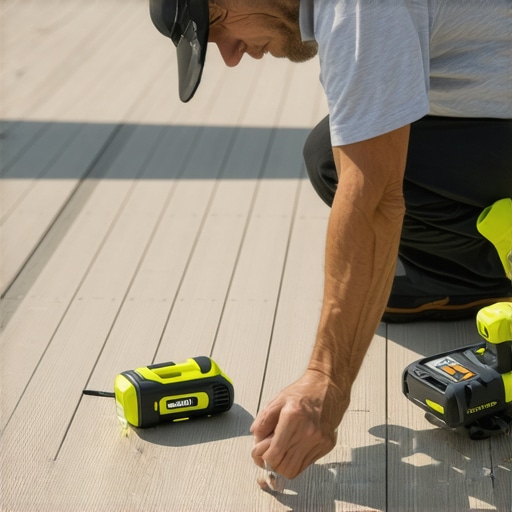
Maintaining a beautiful and functional outdoor space requires more than just a one-time build. Regular upkeep ensures longevity and preserves your investment. Among the most trusted tools I rely on are high-quality cordless impact drivers, which make fastening secure and efficient without the hassle of cords or excessive noise. I personally use a DeWalt DCD996 because of its robust torque and battery life, perfect for installing composite decking and support hardware swiftly. For cleaning and minor repairs, I swear by a Honda EU2200i generator—not just for powering electric tools but also for running electric scrubbers or air blowers that keep your deck free from debris and mold. These tools, paired with routine inspections, keep your space looking fresh and intact throughout the seasons.
Long-term results hinge on consistent maintenance routines. For example, checking tension cables on pergolas quarterly prevents sway issues, and applying a light coat of silicone spray on metal fasteners protects against rust. I revisit my deck’s structural supports with a digital moisture meter annually; unexpected moisture intrusion can lead to rot if left unchecked. Remember, staying proactive with your maintenance routine saves you from costly repairs down the line and extends the lifespan of your deck and pergola.
What tools make maintaining your outdoor space easier over time?
Looking ahead, the trend is shifting toward smart maintenance technology. Devices like weather-resistant sensors integrated with weather apps can alert you when moisture levels spike or when structural supports weaken. Automated cleaning robots for decks are emerging as well, scanning and neutralizing stains or debris overnight. The future of outdoor maintenance is all about predictive care, reducing the manual effort while maximizing results. Embracing these innovations can transform how you care for your backyard haven.
If you haven’t tried the smart moisture sensors or routine inspection methods, I recommend starting with a simple digital moisture meter. It’s a game-changer for catching issues early, especially in hidden support areas or beneath joists. Consistency and preventive care are your best allies for preserving the beauty and safety of your deck and pergola for many years.
And remember, diligent maintenance pairs perfectly with thoughtful design. For more ideas on creating durable, eye-catching structures, explore our deck design innovations. Keeping your project thriving doesn’t have to be overwhelming—armed with the right tools and knowledge, you’ll enjoy your outdoor sanctuary season after season.
The Hardest Lesson I Learned About Railing Systems and Deck Confidence
One of my most eye-opening experiences was realizing that not all railing systems are created equal, especially when it comes to long-term durability. I once chose a sleek wire cable design simply for aesthetics, but neglecting proper tension maintenance led to sagging in just a few seasons. That taught me the importance of investing in systems designed for seasonal shifts and weather conditions. Now, I make sure my railing hardware matches my deck’s environment, which has saved me countless headaches later. It’s these subtle details that ensure safety without sacrificing style, proving that thoughtful hardware selection is crucial for peace of mind.
How I Discovered the Power of Composite Trends for Durability
Early on, I underestimated how much the right composite decking trend could elevate my space. I was tempted by cheaper, traditional wood options, but experienced rapid warping and color fading. That was my wake-up call to explore newer, capped composite options, which boast enhanced resistance to UV and moisture. After upgrading, I noticed a significant increase in longevity and reduced maintenance costs. Staying informed about trends from trusted sources like this resource made all the difference in my deck’s resilience. Knowledge truly is power when it comes to building a lasting outdoor retreat.
Why I Now Prioritize Proper Pergola Design and Support
The moment I realized that an improperly supported pergola could sway dangerously or cause structural issues, I started paying more attention to design nuances. I learned that integrating overhangs, proper drainage, and strategic placement of support posts not only prolongs the life of my structure but also enhances safety. My biggest lesson was understanding how to reinforce beams with hidden blockings and using durable materials tailored for the climate. These details transform a simple pergola into a sanctuary that withstands seasons and family gatherings alike. For inspiring ideas on turning your garden into a true sanctuary, check out this collection.
My Unexpected Wisdom on Maintaining a Beautiful Deck
Routine maintenance has been a game-changer. I now swear by cordless impact drivers, like the DeWalt DCD996, for quick, secure fastening—eliminating the frustration of loose boards or wobbly railings. Cleaning tools like electric scrubbers powered by my Honda EU2200i generator make upkeep less of a chore. The real hidden gem is regular inspections with digital moisture meters, which alert me to hidden rot and water intrusion before damage spreads. These tools have made me more proactive, saving money and preserving beauty over time. Embracing scheduled checkups and smart tools expertly pairs with my efforts to keep the deck and pergola thriving for years to come.
Feeling Inspired to Elevate Your Backyard Sanctuary?
Every project I’ve tackled taught me that patience, informed choices, and attention to detail are the secrets to outdoor success. Whether it’s selecting the perfect non-drilling anchors, mastering composite trends, or designing supportive pergolas, the joy comes from transforming a simple space into an extension of your home. Your outdoor haven is within reach—armed with personal insights and the right resources, you can create a resilient, stylish retreat that lasts. Ready to start your own journey? Dive deeper into innovative design ideas from this inspiring collection and bring your backyard vision to life.