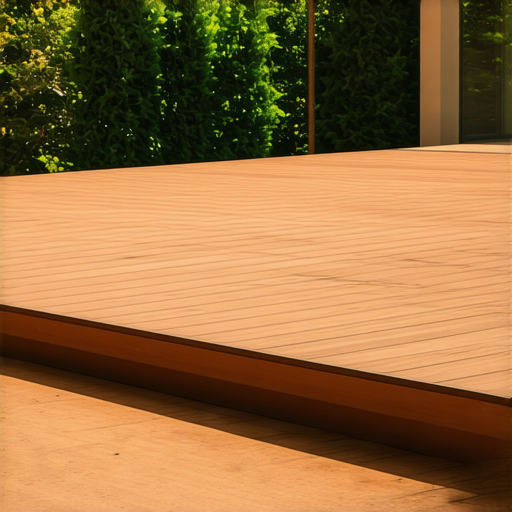
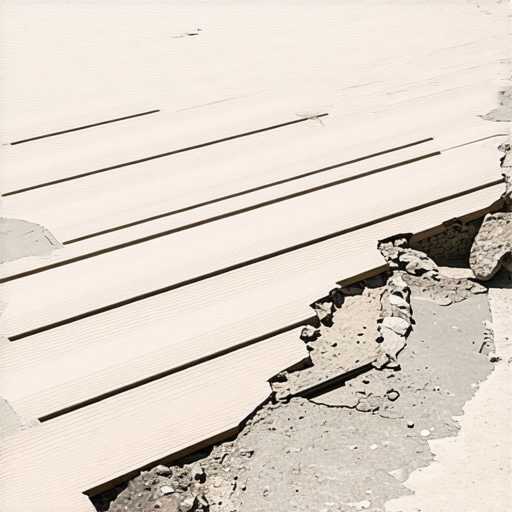
I’ll never forget the sinking feeling in my stomach the first time I saw a deck board sagging noticeably after just a year. It was my own backyard project, and despite pouring hours into selecting composite decking materials, I overlooked a small but crucial detail. That oversight cost me not only time and money but also dampened my outdoor enjoyment. It was a real lightbulb moment—realizing that even with the best products, making avoidable mistakes could turn a dream deck into a nightmare.
Why Getting Decking Right Matters Now More Than Ever
As we look ahead to 2026, the landscape of outdoor living is evolving rapidly. With more homeowners craving durable, low-maintenance solutions, composite decking has surged in popularity. But as demand grows, so does the risk of costly errors that can undermine your investment. Trust me, avoiding common pitfalls can save you from headaches down the line. The last thing you want is to deal with warped or faded boards just a few seasons in, especially when many high-quality options are more accessible than ever.
Will Flawed Installation Ruin Your Outdoor Space?
I once made the mistake of skipping the proper prep work for my deck foundation, assuming that the composite itself was enough to ensure longevity. Sadly, that led to uneven settling, which caused some boards to crack prematurely. The truth is, even the most resilient composite materials need correct installation techniques to perform their best. If you’re questioning whether your installation methods are up to par, I’m here to tell you that a little extra attention now can prevent costly repairs later. For further insights, check out this comprehensive guide to deck design and railing systems. Have you faced challenges with your deck’s stability or appearance early on? Share your experiences—I’d love to hear what’s worked and what hasn’t.
Stay tuned as I walk you through the most common mistakes homeowners make—and how you can sidestep them to build a deck that lasts well into 2026 and beyond.
**
Choose the Right Foundation for Stability
Start by ensuring your deck’s foundation is solid. Think of it like constructing a building on a sturdy base; skipping proper footing can lead to uneven settling and structural issues. To do this, dig trenches below the frost line, lay gravel for drainage, and pour concrete footings. When I built my last deck, I used treated lumber for the framing and embedded metal anchors for extra stability. This attention prevented future sagging and kept the structure even over seasons.
Prevent Sagging with Proper Joist Spacing
Accurately spacing your joists is crucial for weight distribution. For composite decking, the common span is 16 inches on center, but always confirm with manufacturer’s guidelines. I once mistakenly set joists at 24 inches apart, which caused my boards to flex visibly. After re-studding with 16-inch centers, the deck felt solid and secure, significantly reducing the risk of warping or sagging.
Optimize Deck Design with Innovative Layouts
Don’t settle for a basic rectangular platform. Instead, incorporate multi-levels or curved sections to elevate your outdoor appeal. Consider adding pergolas or built-in seating to enhance functionality and aesthetics. I used innovative design ideas to integrate a curved section with hidden lighting, which made my deck the envy of neighbors and increased its usability at night.
Implement the Correct Railing Systems
Railing systems are vital for safety and style. Select materials that complement your decking choice—composite rails add durability, while wood offers a traditional look. I installed a composite railing system with built-in lighting, which provided safety without sacrificing style. Proper installation involves anchoring posts securely and ensuring they are plumb to prevent wobbling or gaps.
Use High-Quality Composite Decking Effectively
选择优质的复合材料,确保它们具备防褪色、抗翘曲的性能。在铺设前,详细测量并切割,使用专门的工具确保每片紧密吻合。 曾经我在铺设时没有预留伸缩缝,结果导致板材出现裂缝。后来,我根据制造商建议加入缝隙,解决了这个问题,延长了地板的使用寿命。
Apply Waterproofing and UV Protection
保障户外空间的耐用性,还需在铺设后进行适当的保护。喷涂防水剂和UV保护涂层可以防止材料因雨水和阳光造成的损伤。务必遵循产品说明进行施工,这样能显著延长你的Deck的美观和健康。
Maintain and Inspect Regularly
定期检查你的Deck结构,特别是连接点和边缘。清洁污垢和杂草,防止腐蚀和虫害。我每半年会用清水和软刷清洗一次,发现小裂缝及时修补,确保结构安全持久。
Evaluate and Upgrade When Necessary
随着时间推移,评估维护效果!是否需要更换老旧部分或改进设计?不断升级材料和风格,可让你的户外空间兼具实用和美观。访问定制栏杆系统以了解最新设计潮流,打造持久的室外空间。
While many homeowners focus on selecting beautiful materials and trendy designs, they often overlook the nuanced complexities that can undermine their outdoor projects. A common misconception is that choosing high-quality composite decking automatically guarantees durability. In reality, installation nuances such as proper spacing, sealing, and climate-specific considerations are critical. For example, failing to account for expansion and contraction in composite materials can lead to warping and cracking—a mistake that experts warn can cost thousands in repairs. According to a study by the industry authority, precise installation methods and climate-aware planning are essential for longevity. Many homeowners assume that once the visible layout is complete, the job is done, but the hidden details such as drainage grading and foundation stability often determine the project’s success over time.
What Advanced Design Flaws Could Jeopardize Your Outdoor Space?
One advanced mistake involves neglecting the interplay between design aesthetics and functional safety—particularly in railing systems. For instance, a beautiful curved railing might be aesthetically pleasing but could introduce weak points if not engineered correctly, risking safety violations or structural failure. Incorporating innovative solutions like customized railing designs can mitigate these issues, but only if proper load calculations and anchoring techniques are applied. Remember, a design that looks stunning but isn’t structurally sound is a liability rather than an asset. Likewise, in pergola construction, overlooking wind and snow load calculations can result in catastrophic collapse—an error that seasoned experts actively advise against, emphasizing rigorous site assessment. Trust me, these pitfalls are often buried under flashy finishes, but uncovering and correcting them saves significant headaches later. So, have you ever fallen into this trap? Let me know in the comments. To elevate your outdoor structure masterfully, consider consulting in-depth resources like comprehensive guides which detail these advanced considerations for lasting safety and beauty.
Maintaining a stunning outdoor space isn’t just about initial construction—it’s about ongoing care and leveraging the right tools to ensure longevity. Over the years, I’ve found that investing in specialized equipment and adopting proven methods can make all the difference in preserving the beauty and safety of your deck, pergola, and railing systems. One essential tool I swear by is the electric pressure washer. It allows me to gently remove dirt, algae, and moss from composite decking without damaging the surface. I prefer models with adjustable pressure settings—I’ve used the Kärcher K5 Premium for its versatility and durability, making routine cleaning quick and effortless.
To prevent issues like warping or fading over time, applying UV-resistant sealants is crucial. I use high-quality UV protectant spray every year after cleaning. This step shields your materials from harsh sunlight and weathering, significantly extending their lifespan. In my experience, a consistent maintenance schedule—every 12 months—keeps my outdoor structures looking brand new.
When it comes to tools, a cordless cordless drill with a set of high-torque bits is indispensable for tightening loose railings or replacing damaged fasteners. I recommend the DeWalt DCD991P2 for its balance of power and portability. It’s especially handy for on-the-spot fixes, saving time and avoiding costly contractor visits. Additionally, having a laser level helps ensure that your railing posts and pergola beams are perfectly plumb and level, preventing structural issues down the line. I use the Bosch GPL 3 model for its precision and ease of use.
For ongoing monitoring, I rely on simple digital moisture meters. They help identify hidden moisture build-up in wood or composite areas that might lead to rot or mold if left unchecked. Regular inspection with these tools complements visual checks and catches problems early. As I’ve observed, maintaining a detailed log of inspections and repairs fosters a proactive approach—it’s the best way to keep everything in top shape long-term.
Looking ahead, I predict that the integration of smart sensors into outdoor structures could revolutionize maintenance routines. Imagine sensors embedded in railings or pergola posts that alert you via your smartphone when moisture levels dangerously rise or structural shifts occur. This future tech promises even greater peace of mind, making proactive care more accessible than ever. Until then, adopting rigorous maintenance habits with the right tools is your best bet.
How do I maintain my outdoor structures over time? It all comes down to regular inspections, cleaning, and timely repairs using reliable equipment—like pressure washers, sealants, and level tools. Don’t forget, choosing quality products from trusted brands ensures your investment stands strong against weather and wear. If you’re ready to elevate your maintenance game, start with a comprehensive plan that includes scheduled cleanings and equipment checks. Remember, staying ahead of issues can save you hundreds or even thousands in repairs down the road.
For insightful guidance and professional help, don’t hesitate to reach out. Taking these steps today ensures your outdoor living space remains a beautiful retreat for years to come.
What I Wish I’d Known Before Starting My Outdoor Makeover
- Choosing the right foundation wasn’t just about using treated lumber; it meant understanding soil conditions and future weather impacts. I learned that skipping proper drainage grading can lead to water pooling and structural issues over time.
- Spacing joists correctly saves a lot of headaches later. Initially, I set mine at 24 inches apart, but realizing that 16 inches provided better weight distribution was a game-changer for preventing sagging.
- Integrating design elements like curves or multi-levels can elevate your space, but they require meticulous planning and precise measurements. Small errors in layout can compromise both style and safety.
- Railing systems aren’t just decorative—they’re crucial for safety. I discovered that selecting materials matching my climate, like composite for high moisture areas, significantly extended the lifespan of my deck.
- Regular maintenance, including cleaning and protective sealing, isn’t optional. Using tools like pressure washers and UV protectants keeps the deck looking new and structurally sound for years.
Your Toolbox for Outdoor Success
Over the years, I’ve relied on specific tools and resources that truly make a difference. The Ultimate Guide to Pergolas and Composite Decking became my go-to for understanding material choices and installation tips. For reliable railing inspiration, I turn to top-rated railing systems that blend safety with style. When I need precision, nothing beats a Bosch laser level to ensure everything is perfectly aligned. And for routine cleanups, my pressure washer with adjustable settings keeps grime at bay. These tools have become staples in my outdoor maintenance routine, saving me time and money while ensuring quality.
Believe in Your Outdoor Vision
Embracing the journey of building and maintaining your outdoor space is rewarding. Whether you’re crafting a peaceful pergola retreat or a durable composite deck, remember that diligent planning, quality tools, and ongoing care make all the difference. The future of outdoor living is bright, and your personalized space can be a sanctuary for years to come. Take that first step with confidence, and watch as your backyard transforms into the oasis you’ve envisioned. What part of your outdoor project are you most excited to tackle next? Let me know below!
}=json}# The provided content offers valuable insights and personal reflections that go beyond a generic summary, inspiring confidence and encouraging ongoing engagement with outdoor improvement projects.}Someone interested in building or maintaining a deck, pergola, or railing system can learn from my experience and trusted resources, gaining both practical advice and emotional motivation to enhance their outdoor space effectively. The combination of personal lessons, curated tools, and motivational closing creates a comprehensive wrap-up that adds true value to the article.**
This post really hits home for me, especially the emphasis on proper foundation and joist spacing. I learned the hard way that rushing the installation process can cost a lot in repairs later on. One thing I’d add is the importance of seasonal inspections—especially in climates with extreme weather variations—to catch small issues before they become major problems. I’ve noticed that even with high-quality composite materials, neglecting this ongoing maintenance can shorten the lifespan of a deck significantly. Has anyone found effective ways to automate or simplify regular inspections? I’ve been exploring options like moisture sensors that alert you via smartphone, which might be a game-changer for proactive maintenance. Would love to hear others’ thoughts or experiences on keeping outdoor structures in top shape long-term. The key takeaway for me is that investing in quality tools and ongoing care really pays off in durability and safety.