![4 Signs Your Deck Screws Are Backing Out [2026 Safety Check]](https://deckforgebuilders.com/wp-content/uploads/2026/04/4-Signs-Your-Deck-Screws-Are-Backing-Out-2026-Safety-Check.jpeg)
Ever been relaxing on your deck when suddenly you hear that unsettling creak or pop? I remember the first time I noticed a loose screw on my pergola and thought, “That’s not a big deal.” But as weeks went by, I realized it was a warning sign—a small detail with the potential to turn into a major safety hazard. That moment was a lightbulb for me: if I ignored that tiny backing-out screw, sooner or later, it could lead to more serious problems and costly repairs.
Today, I want to share with you a crucial safety check: how to spot the signs that your deck screws are backing out before it’s too late. Properly securing your deck not only preserves its aesthetic appeal but, more importantly, keeps your outdoor oasis safe for family and friends. Regular inspections might seem tedious, but trust me, recognizing the warning signs early can save you both money and stress down the line.
Why You Should Care About Screws Backing Out on Your Deck
If you’ve built or recently renovated your outdoor space, chances are you’ve invested a lot—time, money, and effort—to get it just right. But did you know that loose or backing-out screws are among the most overlooked issues that compromise deck safety? According to an ANSI/NSF International report, structural fasteners are responsible for a significant percentage of deck failures in structural safety inspections. Small screws coming loose might seem insignificant, but over time, they can lead to wobbling railings, uneven surfaces, or worse, collapses.
Early detection can help you avoid costly repairs and potentially dangerous accidents. I learned this the hard way early in my DIY journey when I ignored a few wobbly railing posts—until one day, my wife’s birthday gathering had to be canceled because the deck was unsafe. That experience made me realize the importance of regular upkeep and vigilance, especially as weather and wear take their toll.
So, how do you know when your deck screws are in trouble? It’s not always obvious at first glance. But don’t worry—I’ll walk you through the key signs to look for, backed by my own mistakes and lessons learned. Whether you’re a seasoned DIYer or just starting to notice issues, these tips will help you ensure your outdoor space remains safe, beautiful, and inviting.
Ready to dive into the details? Let’s get started with the telltale signs of backing-out screws and what they mean for your deck’s longevity and safety. And if you’re skeptical about whether this is really a problem, just ask yourself—have you inspected your deck this season? Because neglecting these signs could lead to bigger headaches than you ever imagined.
Begin with a Visual Inspection
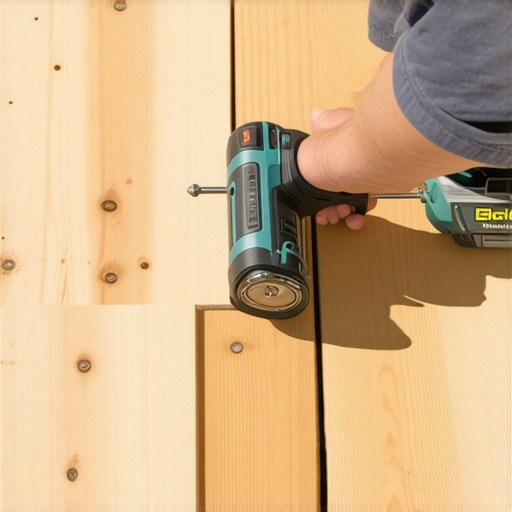
Start by thoroughly examining your deck for obvious signs of loose screws, such as wobbling railings or uneven boards. Use a flathead screwdriver or a cordless drill with a screwdriver bit to gently tug on each fastener. During my last check, I noticed a few screws on my railing post wiggling loose after a heavy storm. This quick test revealed which screws required immediate attention before a potential safety issue arose.
Identify the Warning Signs
Look for raised screw heads, corroded fasteners, or visible gaps between the screw and the wood or composite surface. For example, I found a screw on a deck board slightly raised, indicating it had backed out. These signs often appear gradually, and catching them early prevents costly repairs—think of it as akin to fabric stitches loosening before a tear occurs.
Gather Proper Tools and Components
Use the right tools—preferably a drill with screwdriver bits, a replacement screw set suitable for your deck material, and corrosion-resistant fasteners for longevity. For my project, I purchased stainless steel screws compatible with composite decking to resist rust and ensure durability. Remember, matching fastener types with your deck material is crucial for a secure fit; consult resources like composite decking trends.
Remove and Replace Loose Screws
Carefully unscrew any backed-out fasteners with a drill or screwdriver bit. If the screw is stripped or damaged, use a screw extractor or replace it entirely. During my last repair, one screw was so rusted that I had to drill it out and insert a new one, which restored the deck’s stability. Ensure the new screw is driven in straight and flush with the surface to prevent tripping hazards or aesthetic issues.
Apply Sealant or Lubricant for Extra Hold
Consider applying a deck-specific sealant or anti-seize compound on the screw threads before installation. This technique reduces future backing-out caused by weather or wood movement. When I fixed my railing, I brushed a little anti-seize on the screw threads—it’s a simple step that extended the lifespan of the repair and kept everything tight longer.
Secure Every Fastener Fully
Drive the screws to the appropriate depth—tight enough to be flush but not so much as to strip the wood or damage composite material. Over-tightening can weaken the fastener, leading to further backing-out. I learned this the hard way when I overtightened a screw and cracked the composite post; now I use a torque-limiting drill setting for precision.
Double-Check After Completion
Once all screws are secured, re-test each fastener for stability and firmness. Apply pressure to railings and boards to ensure no movement. During my last fix, I rechecked my work the next day and found a screw had slightly loosened due to a storm—reinforcing it immediately saved me from a safety concern.
Plan for Ongoing Maintenance
Schedule regular inspections, especially after severe weather events. Incorporate this step into your seasonal checklist—think of it as a health check-up for your deck. Regular attention now saves money and effort later, as I discovered when my quick inspection prevented a loose railing from becoming a major hazard.
 Many homeowners subscribe to popular myths about outdoor structures, but these misconceptions can lead to costly mistakes and safety risks. One pervasive myth is that a pergola’s primary function is merely aesthetic, leading many to overlook its structural importance. While aesthetic appeal is valuable, a well-designed pergola should also offer durable support and weather resistance, especially if you’re planning to add lighting or climbing plants. For instance, some assume that all composite decking is maintenance-free, but in reality, quality varies significantly, and neglecting proper care can cause premature deterioration, undermining your investment. It’s crucial to understand that attaching railing systems incorrectly or choosing incompatible materials can compromise safety. For example, using metallic fasteners on wooden railings without considering corrosion resistance can lead to rust and failure over time. An often-overlooked nuance is the impact of climate on material selection; extreme humidity or temperature fluctuations may cause composite boards to warp or swell if not specified for your region. Experts like Jon Peters, a landscape architect, emphasize that understanding thermal expansion and contraction is vital when designing outdoor spaces for longevity.
What advanced techniques can prevent unseen structural failure in complex deck and pergola systems?
Advanced builders recommend detailed load calculations and incorporating hidden reinforcement elements, such as cross-bracing and specialized connectors, to enhance stability. Incorporating these strategies minimizes the risk of unexpected sway or collapse during storms or under heavy loads. Moreover, selecting fasteners with proven durability—like those compliant with ASTM standards—helps ensure long-term safety. For further insights on innovative design ideas that elevate your home’s curb appeal, check out these modern concepts. Remember, it’s not just about aesthetics—proper structural planning and material selection are your best tools against future failures. Don’t fall into the trap of believing that appearance alone guarantees safety; thorough planning and expert advice will make all the difference. Have you ever fallen into this trap? Let me know in the comments.Maintaining your outdoor structures requires more than just occasional inspections; it demands the right tools, a strategic approach, and an understanding of long-term trends in materials and design. When I first started upgrading my deck, I quickly realized that investing in quality equipment made all the difference in achieving professional results and ensuring durability over the years. One tool I swear by is a cordless impact driver, which provides the power and precision needed to tighten or remove fasteners quickly, especially when dealing with composite decking fasteners that often require specific torque settings. This tool has saved me countless hours, and I highly recommend it for anyone serious about maintenance.
For ongoing inspections, I rely on a digital moisture meter to detect unseen issues like wood rot or hidden moisture pockets behind railings and beams. These devices are more affordable than ever and offer instant readings, helping prevent costly repairs down the line. Pairing this with a sturdy flashlight and a magnetized screwdriver set allows for thorough, well-lit inspections, even in tight or shaded spaces.
Keeping track of maintenance schedules is equally important. I use specialized software like Trello, customized with reminders for seasonal checks—after storms or during off-peak months—so that nothing slips through the cracks. This method allows me to systematically approach upkeep, addressing specific weak points such as railing stability or screw tightness before they become major issues.
Looking ahead, trends point toward smart home integration even in outdoor spaces. Future tools may include app-connected sensors that monitor structural health in real-time, providing notifications when certain thresholds are exceeded. Staying ahead of these innovations can help you maintain your backyard sanctuary effectively and efficiently.
How do I maintain my deck and pergola over time? Regular visual inspections combined with the right tools—impact drivers, moisture meters, and maintenance software—are game-changers. By implementing a routine check-up schedule and staying abreast of material innovations, you can extend the life of your outdoor structures significantly. For instance, upgrading your railings with modular, code-compliant systems not only enhances safety but also simplifies routine maintenance. If you’re interested in exploring modern railing solutions, check out these custom railing options.
Don’t forget, investing a little time and affordable tools now can save you from costly repairs and safety hazards later. So, why not try optimizing your maintenance routine with a cordless impact driver and a moisture meter today? Your outdoor oasis will thank you with years of reliable service and beauty.
Over the years, I’ve come to realize that the key to maintaining a stunning and safe outdoor space isn’t just about the initial design or materials—it’s about *attention to detail* and the lessons learned through experience. One lightbulb moment for me was discovering how seemingly minor issues like backing-out screws can silently undermine my entire deck’s integrity. This insight transformed my approach from reactive repairs to proactive maintenance, saving me time, money, and the peace of mind I cherish during family gatherings.
By embracing vigilant inspection routines and understanding the subtle signs of structural fatigue, I now enjoy a deck and pergola that not only look great but also stand the test of weather and time. This journey taught me that the real value lies in the habits we develop—simple checks that can reveal hidden dangers before they escalate. The secret? Knowing what to look for and addressing issues early on makes all the difference.