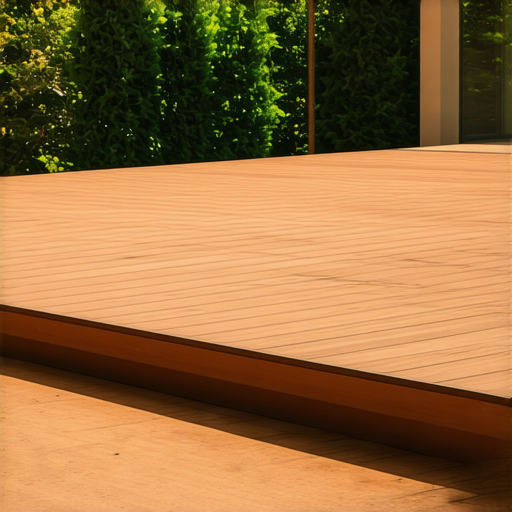
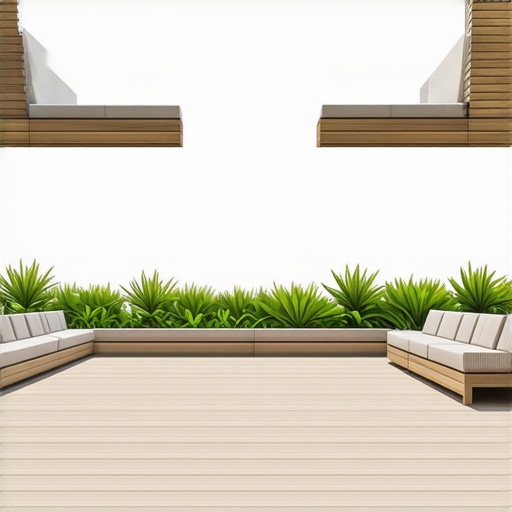
Have you ever stood on your deck, trying to relax or entertain, only to realize there’s a glaring lack of comfortable seating? Maybe you’ve dreamt of inviting friends over, but the thought of skyrocketing furniture costs held you back. I remember the lightbulb moment when I almost gave up on creating a cozy outdoor space because the quote for new furniture was just too steep—nearly $2,000 more than I had budgeted. It hit me that instead of overspending on bulky chairs and loungers, I could incorporate built-in benches that not only save money but also boost the aesthetic appeal of my deck.
Create a More Functional Deck with Built-In Seating
That realization changed everything. I discovered that by integrating built-in benches into my deck design, I could achieve a stylish, seamless look while slashing my furniture expenses. These layouts are not just about saving cash—they also make your outdoor area more inviting and functional. Now, in 2026, with the rising costs of custom furniture and materials, this approach is more relevant than ever. Not only do built-in benches cut costs, but they also eliminate the need for bulky, unwieldy furniture that takes up valuable space and often requires frequent replacements. Trust me, once you see how these layouts transform your outdoor space, you’ll wonder why you didn’t consider them sooner.
The trick is knowing which bench layout works best for your yard and lifestyle. But before we dive into the specific designs, I want to share a common mistake I made early on—opting for over-complicated layouts that ended up collecting dust instead of being used. Avoiding those pitfalls is part of what makes this guide so valuable. If you’re curious whether these layouts could work for you, or if you’ve faced the challenge of balancing style, comfort, and budget, keep reading. We’ll explore some of the most effective and affordable built-in bench arrangements that could redefine your backyard in 2026.
Is It Really Worth Embedding Benches? My Early Mistake
Looking back, I realize I was tempted to go for the flashiest, most elaborate bench designs without considering practicality. I spent hours on complex plans that rarely got used. It wasn’t until I simplified my approach—focusing on what my family and I needed—that I saw the real value. Learning from this, I now recommend starting with a clear idea of how you’ll use the space. Want to learn about how to plan the perfect layout? You might find some useful tips in deck design ideas that elevate your home’s curb appeal. And remember, the right design can make your deck the go-to spot for family gatherings or quiet evenings alike.
Plan Your Bench Layout and Size
Start by measuring your deck space meticulously, considering both functional needs and aesthetics. Use a tape measure to mark potential bench locations, imagining how they’ll enhance social areas or quiet corners. I once laid out cardboard templates to visualize the size, which helped me avoid purchasing oversized materials that wasted space and money. Make sure to account for easy access to walkways and other features like stairs or planters.
Choose Durable Materials for Longevity
Select weather-resistant materials like composite decking or treated wood to withstand the elements. For example, I opted for composite boards from composite decking trends because of its low maintenance and resistance to rot. When pairing with framing, galvanized steel or pressure-treated lumber offers added corrosion resistance. Think of it like building a fortress that can handle the worst storms of 2026 without fading or warping.
Construct the Framing for Stability
Build a sturdy frame using 2×4 or 2×6 lumber, anchoring it to the deck surface with strong screws or bolts. I recall using a spirit level to ensure the frame was perfectly level—skipping this step led to wobbling benches that plagued me later. Use concrete anchor bolts or post anchors if attaching to concrete surfaces. For slopes or uneven terrain, consider shims or adjustable post bases to keep the benches level and secure.
Reinforce with Proper Supports
Add cross braces or internal supports under the seating to prevent sagging. I once neglected this, and after a heavy rain, one side started to dip. Installing diagonal braces between the frame and the deck joists distributes weight and stress evenly, extending the life of your benches. Always verify that your supports are properly fastened using corrosion-resistant hardware.
Attach Seating Boards with Precision
Secure your chosen decking boards to the frame using hidden fasteners or screws, aligning them tightly to avoid gaps. In my initial attempt, I didn’t stagger the joints, which caused a weak point that split over time. For a clean look, opt for color-matched or hidden fasteners, especially with composite decking, to conceal hardware and provide a smooth surface. Leave slight gaps between boards to allow for expanding and contracting with temperature changes—this habit keeps the decking looking neat over years.
Finish with Comfort and Style
Add cushions, paint, or stain to match your outdoor decor, enhancing both comfort and aesthetics. I learned the hard way that oil-based stains help seal the wood better against moisture and UV rays. If you want to elevate your deck’s appearance, consider integrating a pergola or decorative railing system—these features can dramatically transform your space. Explore options like pergola designs that turn your garden into a sanctuary for more ideas.
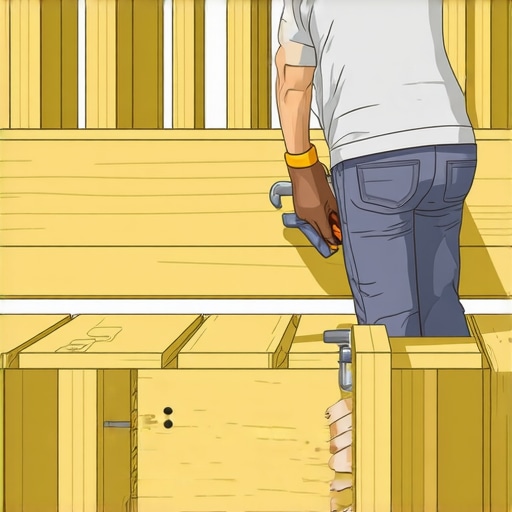 When it comes to designing outdoor spaces, many homeowners rely on mainstream advice that often misses nuanced realities. Contrary to popular belief, not all railing systems are created equal—some may seem attractive but fail under real-world conditions. For instance, aluminum railings are often touted as maintenance-free, yet if not properly anchored or selected for specific wind loads, they can bend or rattle during storms. Interestingly, experts like contractors specializing in outdoor structures warn that assuming cheaper materials suffice can lead to costly repairs later. Instead, investing in high-quality, engineered railing systems that meet local safety standards offers long-term peace of mind. Furthermore, many overlook the importance of correctly spacing and supporting pergola rafters; improper installation not only compromises safety but can cause warping or collapse over time. If you’ve ever seen a wooden pergola sag under heavy snow, you understand the stakes. A common mistake is neglecting advanced structural calculations that consider snow loads and wind resistance, which are critical factors outlined in recent structural engineering guidelines. Making these calculations requires more than just basic framing knowledge—consulting specialized resources like heavy-duty pergola anchors can save your project from failure. With composite decking, the misconception persists that all brands are equally durable against 2026’s temperature extremes. In reality, some brands employ advanced UV-resistant polymers and heat-reflective pigments that drastically reduce warping and fading—these features are backed by recent climate resilience studies. Always read product specifications carefully, rather than relying solely on reviews. Now, for the advanced DIYer or professional, the big question arises: how do you ensure your railing and pergola designs withstand multi-year climate stress without excessive maintenance? This involves integrating weather modeling techniques into your planning, a topic explored extensively in climate response hacks. The key is understanding that expert-level outdoor design goes beyond aesthetics—it’s about anticipating environmental forces and selecting materials and structures that can adapt. Incorporate these insights into your planning to avoid costly redo’s or safety hazards down the line. Have you ever fallen into this trap? Let me know in the comments.
Maintaining a durable and attractive outdoor space requires the right tools and a strategic approach. In my experience, investing in quality equipment not only streamlines the upkeep process but also extends the lifespan of your railing systems, pergolas, and decking materials. One essential tool I rely on is a cordless electric drill with variable speed settings. It’s indispensable for tightening loose screws, replacing worn fasteners, or installing new brackets, especially when working with composite decking that demands precise fastening to prevent warping. Pair this with a set of corrosion-resistant bits—I’ve found titanium-coated bits to last significantly longer under outdoor conditions—reducing the frequency of replacing worn-out hardware. For cleaning, I swear by a high-pressure washer with adjustable nozzles. It effectively removes dirt, pollen, and mildew without damaging the composite surface. Regular cleaning prevents buildup that can lead to discoloration or surface degradation over time. When it comes to inspecting structural integrity, a digital moisture meter has become my go-to. It helps identify areas where water may have infiltrated, especially under decking boards and in joint corners, which is crucial given the increased risk of rot in 2026’s wetter climate conditions. Think of the moisture meter as a health check for your outdoor structures, alerting you to issues before they escalate into costly repairs.
As for long-term results, scheduling seasonal inspections using these tools can drastically reduce unforeseen failures. For example, checking bolt tightness and corrosion levels in connectors ensures your safety and preserves the aesthetic appeal. Additionally, incorporating smart sensors linked to a maintenance app can provide real-time alerts for shifts or damages—this is an emerging trend that could revolutionize outdoor maintenance. Experts in the field emphasize the importance of routine upkeep, citing recent studies that show properly maintained decks last 30% longer and retain their value better. Looking ahead, I predict that automation and IoT devices will become standard in outdoor property management, making DIY maintenance more efficient. For now, I recommend integrating a comprehensive toolkit, including a drill, pressure washer, and moisture meter, to keep your deck and pergola systems functioning flawlessly. Don’t wait for signs of wear—proactive care is your best defense against costly repairs in 2026 and beyond.
How do I maintain my railing and pergola systems over time?
To ensure your outdoor structures stay safe and visually appealing, establish a regular maintenance schedule that includes visual inspections, tightening hardware, and cleaning. Use a corrosion-resistant drill bit for fastening or adjusting parts, and treat wood components with sealants or stains suitable for composite and treated lumber. Keep an eye out for early signs of wear or damage, such as loose fasteners or warped boards, and address them promptly. Additionally, consider consulting specialists for structural assessments, especially if your pergola spans large areas or faces harsh weather. Leveraging tools like your moisture meter can help detect hidden issues before they compromise safety. For more detailed guidance on safeguarding your deck, explore advanced anchoring techniques. Remember, consistent upkeep is your best investment in preserving the beauty and functionality of your outdoor living spaces.
What I Wish I Had Known About Built-In Benches Early On
One of the toughest lessons I learned was that simplicity often beats complexity in outdoor design. I initially gravitated toward intricate layouts that promised grandeur but ended up collecting dust because they weren’t practical. Embracing straightforward, functional bench arrangements made a huge difference, saving me time, money, and frustration. I also discovered that choosing weather-resistant materials isn’t just about durability—it’s about peace of mind knowing your investment will stand the test of time through unpredictable seasons. Lastly, I underestimated the importance of precision during construction. Small mistakes—like uneven framing or misaligned boards—became major headaches later, emphasizing that meticulous planning and execution are essential for a polished outcome.