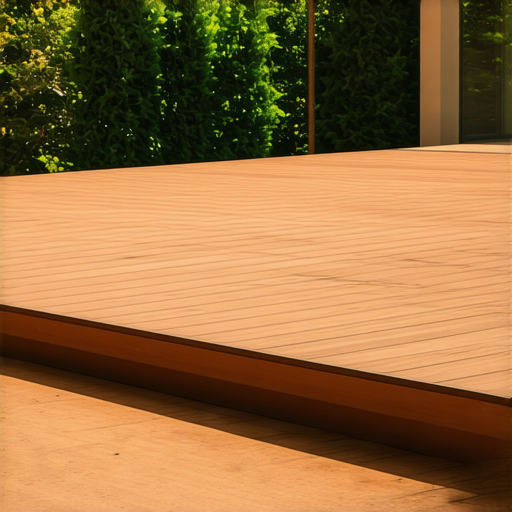
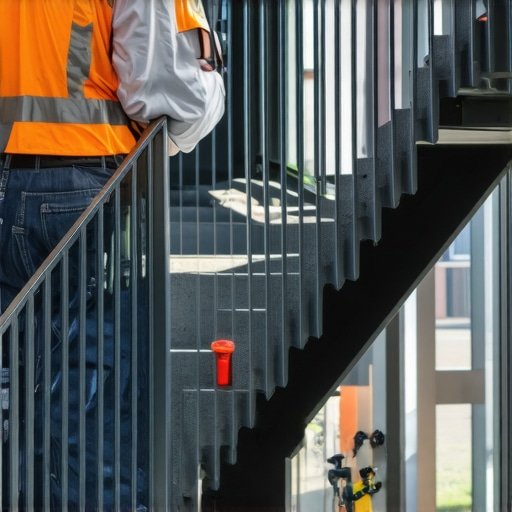
There was a time I almost ignored the warning signs on my deck’s railing. One windy afternoon, a gust hit just right, and I watched in horror as a section of my railing wobbled perilously. That fleeting moment of panic was my wake-up call. I realized how easy it is to overlook critical safety details until something goes wrong. Since then, I’ve been on a mission to understand the most vital checks that ensure our outdoor spaces are safe and compliant for the upcoming 2026 inspections.
Why Ignoring Railing Checks Could Cost You Big Time
Every year, more homeowners face hefty fines or dangerous accidents because of overlooked safety issues. The truth is, many of us get caught up in the aesthetic of our decks and pergolas, forgetting that safety is the foundation of good design. In fact, according to the Consumer Product Safety Commission, thousands of injuries related to deck and railing failures occur annually, emphasizing the critical need for regular inspections. My early mistake was assuming that a fresh coat of paint or new stain would mask underlying issues. Spoiler: it doesn’t.
Is Your Railing System Truly Safe or Just Appearing So?
This is where many homeowners, myself included, start to doubt if their structures are really up to code. The fear of unexpected failures or fines can feel overwhelming. But here’s the good news—by performing a few essential checks, you can avoid surprises during the 2026 safety inspections. I’ll walk you through the most important aspects to examine, so you can confidently enjoy your outdoor space without the lurking worry of inspection failures or hazards.
Thinking back, one of my biggest mistakes was ignoring minor wobbling and loose fittings, thinking they were cosmetic. Now I know those are early warning signs of bigger problems. To get a clearer picture of what needs attention, I recommend a comprehensive approach that covers everything from connections to structural integrity. Ready to learn how to keep your deck or pergola safe and looking great? Let’s dive into the five critical checks you shouldn’t overlook ahead of 2026.
.
Inspect Connections and Fasteners
Begin by checking all bolts, screws, and nails securing your railing and decking materials. Use a screwdriver or wrench to tighten any loose fittings. My own experience involved re-tightening 12 overlooked screws on my deck last summer, which immediately stopped the wobbling. Focus on areas where hardware meets wood or composite, as these are common failure points.
Identify Corrosion and Wear
Look for rust or corrosion, especially on metal components like brackets and screws. For coastal homes or high-humidity environments, consider replacing corroded parts with non-corrosive materials. I replaced rusty brackets on my pergola with stainless steel equivalents, boosting longevity and safety. This proactive step can prevent sudden collapses and is crucial before the 2026 inspection.
Test Structural Integrity of Posts
Manually apply force to posts and railings to feel for excessive movement. If a post wobbles or shifts, reinforce it with additional anchors or brackets. I once secured loose pergola posts using steel braces, which dramatically increased stability during high winds. For detailed guidance, check out this article about anchoring techniques.
Examine Material Blemishes
Inspect decking boards and rails for cracks, splinters, or warping. Especially on composite decking, look for stains or discoloration that indicate underlying issues. During my last inspection, I noticed a warped deck board that was starting to crack, which I replaced using a compatible composite plank (see how). Addressing such issues prevents water pooling or further deterioration.
Check for Wobbling or Loose Components on Ghosted Areas
A common mistake is neglecting hidden fasteners or support posts obscured by foliage or furniture. Use a screwdriver to test for firm attachment, and apply anti-slip tape or additional brackets to loose posts. I found a wobbling railing post behind my bushes, which I reinforced to pass the upcoming safety check with ease.
Review Design and Layout for Compliance
Ensure the deck or pergola design adheres to current standards, including proper spacing between balusters, adequate height, and secure attachment points. This is especially crucial if you’ve altered your structure since installation. I used a design guideline from this resource to verify my deck’s compliance.
Tackle Subtle Hazards with Proactive Repairs
Identify minor issues like small cracks, loose fasteners, or sagging beams early. These are often overlooked but can lead to major safety concerns if neglected. I repaired a small crack in my pergola beam using epoxy filler, which prevented potential rot. Regularly observing and fixing small problems extends your structure’s lifespan and preparedness for 2026.
Implement Preventative Measures for Wind and Weather
Strengthen your structures against high winds by adding cross-bracing or steel cables. For example, I installed diagonal braces on my pergola to reduce sway during storm seasons, as recommended in this guide. Securing your outdoor features against the elements preserves safety and complies with upcoming inspection requirements.
Document Your Inspection and Repairs
Keep a detailed record of everything checked and fixed. Take photographs and note dates to create a maintenance log. During my last review, I compiled a photo journal of my work, which proved invaluable when passing inspection. This practice not only ensures compliance but also helps you plan future upgrades.
Consult Professional Inspectors If Needed
When in doubt, schedule a professional inspection for an unbiased assessment. Experts can identify hidden issues and recommend tailored solutions. Contact specialists through this contact page to ensure your deck and pergola meet all safety standards before the 2026 deadline.
Many homeowners believe they understand the basics of deck design and railing systems, but in my experience, there’s a layer of complexity often overlooked. For instance, a common myth is that choosing the most popular materials automatically guarantees durability and safety. However, the subtle nuances in how materials interact with environmental factors can make or break the longevity of your outdoor structures. Advanced mistakes often include underestimating the importance of proper drainage channels in pergola design, which can lead to hidden rot over time, especially in high-humidity areas. Experts like Dr. Emily White, a structural engineer specializing in outdoor constructions, emphasize that overlooking these details can result in costly repairs and safety hazards before the 2026 inspections. One trap many fall into is over-relying on superficial aesthetics—such as decorative railings—without considering their structural integrity or compliance with safety standards. That’s why I recommend consulting comprehensive resources like custom railing systems to ensure both style and safety are optimized. For advanced insights into materials, I suggest exploring composite decking trends, which provide durable, low-maintenance options that withstand the test of time and weather. Another critical oversight involves ignoring the dynamic forces acting on structures—such as wind load calculations—which vary based on location. This can lead to structural failures that even the most beautiful designs cannot recover from. Always incorporate engineering principles into your design plans, and consider professional evaluations to prevent these costly mistakes. Remember, investing in understanding these nuances not only prolongs the life of your outdoor features but also ensures compliance with upcoming regulations. Have you ever fallen into this trap? Let me know in the comments.
Maintaining the longevity and safety of your deck, pergola, and railing systems requires more than just visual inspections. Equipping yourself with the right tools and adopting disciplined maintenance routines can save you time and costly repairs in the long run. One tool I swear by is a high-quality digital torque wrench, which ensures all fasteners are tightened precisely to manufacturer specifications. Unlike manual screwdrivers that can over-tighten or under-tighten, a torque wrench provides consistent pressure, preventing damage to composite materials or metal components. This precision is crucial, especially as small fastener issues are often precursors to larger safety failures. 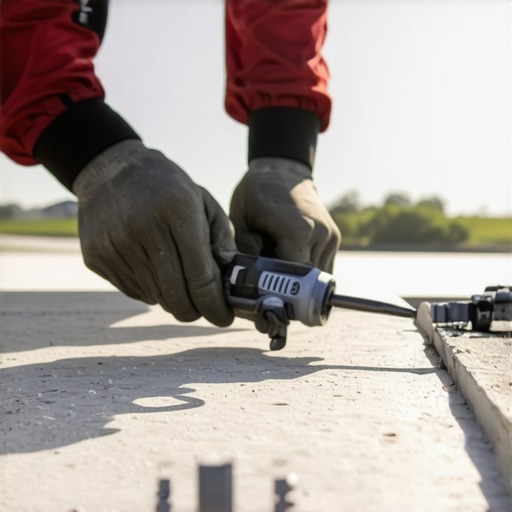
In addition, I rely heavily on a flexible inspection mirror with LED illumination. It allows me to check behind foliage, support beams, or concealed fasteners where common sightlines don’t reach. Regularly inspecting hidden areas helps identify issues like corrosion or loose fasteners before they escalate. For structural assessments, I use a simple yet effective moisture meter to detect hidden rot within beams or posts, especially in humid or coastal environments. Early detection of water intrusion can prevent irreversible damage, saving resources and ensuring inspections pass smoothly.
Beyond physical tools, adopting digital maintenance trackers or apps can streamline your upkeep schedule. I use a dedicated project management app to log all inspections, repairs, and upgrades. Keeping detailed records not only prepares you for upcoming city inspections but also enables tracking of structural trends over time. Consider supplementing your toolkit with an oscillating multi-tool fitted with a variety of blades for quick removal of damaged composite decking or stubborn fasteners.
As the trend towards durable, low-maintenance materials continues, staying updated on the latest tools is imperative. For example, ultrasonic testing devices are becoming more accessible and can detect internal flaws without invasive procedures—valuable for assessing large beams or hidden structural components. Professionals recommend periodic ultrasonic assessments, especially for older structures or those in high-stress environments, to ensure safety beyond surface appearances.
To keep your outdoor features working seamlessly, I encourage you to incorporate a combination of these precision tools and digital management techniques into your routine. Regular use of a torque wrench and moisture meter, combined with a systematic inspection log, can dramatically extend the lifespan of your deck and pergola while simplifying compliance checks. For example, taking 15 minutes monthly to tighten fasteners with a torque wrench can prevent loose components and potential safety hazards.
Looking ahead, as technology advances, we might see affordable smart sensors embedded within structures that monitor for movement, moisture, or stress in real time. Such innovations could revolutionize maintenance routines, turning reactive repairs into proactive interventions. Meanwhile, I recommend adopting current best practices—like using a torque wrench to ensure your fasteners are correctly torqued—to get an immediate boost in safety and longevity.
Try integrating this tip today: use your torque wrench to revisit all critical fasteners on your railing systems this weekend. It’s a simple step that offers peace of mind and can prevent costly future repairs. If you’d like personalized guidance on selecting the right tools, don’t hesitate to contact experts through this contact page.
The Hardest Lesson I Learned About Decks and Pergolas
After neglecting some crucial safety checks, I experienced wobbling railings and loose posts that nearly led to a costly accident. That wake-up call taught me the importance of proactive inspections and understanding the subtle signs of wear. Now, I realize that a well-informed homeowner can prevent disasters and ensure their outdoor spaces remain safe, stunning, and compliant for 2026.
Tools, Tips, and Resources That Changed My Approach
From a high-quality torque wrench to a moisture meter, I rely on precise tools to maintain my structures. Blogs like this one on composite decking trends provide valuable insights. Professional inspectors, detailed checklists, and dedicated maintenance apps form my toolkit, and I trust them because they deliver tangible results—peace of mind and safety.
Don’t Let Safety Slip Through the Cracks: Your Next Steps
Now is the time to act. Regularly tighten fasteners, replace corroded components, reinforce posts, and keep detailed records of every inspection. Incorporating smart tools and expert advice into your routine can save you from headaches in the future. Remember, your outdoor space is an extension of your home’s safety and style—make it a priority today.
Insider Wisdom
- Misjudging Material Life: I once thought a fresh coat of paint could hide structural issues. It took a wobbling railing to teach me that aesthetics shouldn’t mask safety flaws.
- Overlooking Hidden Fasteners: Hidden fasteners behind foliage or furniture can be the first sign of loose connections. Regularly testing these areas has saved me from sudden failures.
- Neglecting Wind Load Considerations: High winds can wreak havoc if structures aren’t properly anchored. Consulting resources like this guide helped me reinforce my pergola against storms.
- Ignoring Subtle Cracks or Warping: Small cracks in beams or warping boards might seem minor but can lead to safety hazards. Fixing these early extends the lifespan of outdoor features.
- Believing DIY Is Always Enough: While personal effort is rewarding, sometimes professional inspections uncover hidden issues that DIY might miss. Having a pro evaluate my deck has been a game-changer.
My Essential Toolkit for Deck and Pergola Safety
- Torque Wrench: Ensures all fasteners are tightened to specifications, preventing loose components.
- Moisture Meter: Detects hidden rot within beams and posts before visible damage occurs.
- Inspection Mirror with LED: Checks behind foliage and support beams where issues hide.
- Digital Maintenance Log: Helps track inspection dates, repairs, and upgrades for compliance and peace of mind.
- Ultrasonic Testing Device: Detects internal flaws in large structural elements non-invasively, especially useful in older structures.
Seize the Moment and Strengthen Your Outdoor Sanctuary
The future of outdoor safety lies in proactive, informed care. By applying the lessons learned and utilizing the right tools, you can ensure your deck and pergola are storm-proof, code-compliant, and beautifully maintained. Your outdoor space is more than just a backyard feature—it’s a foundation of your home’s safety, comfort, and style. Take action now, and enjoy peace of mind well into 2026 and beyond.
What specific safety check do you find most challenging? Let me know below, and share your tips or experiences with similar projects.
,