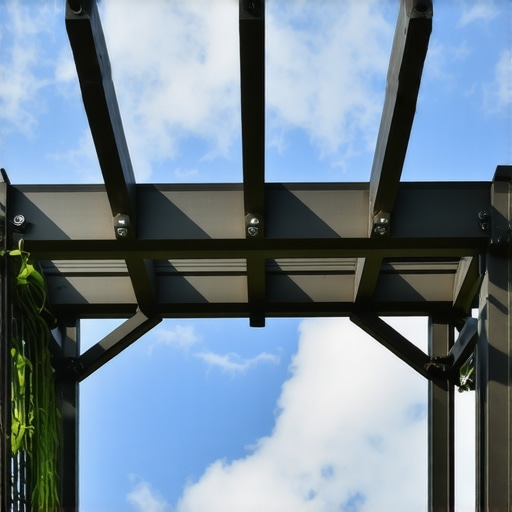
One gust of high wind, and I watched my beloved pergola wobble uncontrollably—almost like it was trying to take off. It was a heartbreaking moment, knowing all that effort I put into designing my outdoor retreat was vulnerable to the unpredictable weather patterns of 2026. If you’ve ever experienced your outdoor structures trembling during a storm, you know exactly what I mean. Those shaky moments aren’t just unsettling—they can threaten the safety and longevity of your entire setup.
Why Pergola Stability Matters More Than Ever
As outdoor spaces become extensions of our living rooms, ensuring their durability is crucial. The looming threat of high winds in 2026 isn’t just an inconvenience; it’s a real hazard. According to recent studies, severe weather events are increasing in frequency and intensity, making robust structural support more essential than ever. I learned this the hard way when my pergola’s sway caused tiles to loosen and post connections to strain—costly repairs I definitely didn’t anticipate.
Is Bracing Just Overkill, or Is It Critical for Your Pergola’s Survival?
I admit, I initially thought that a simple design would suffice. But overlooking proper bracing was a mistake that nearly cost me my entire patio setup. Early in my project, I underestimated how crucial strong bracing is, especially when dealing with unpredictable winds. If you’ve been skimming over your bracing options, it’s worth reconsidering—because the right tactics can make all the difference in keeping your pergola upright and safe in 2026’s challenging weather.
Ready to discover the five bracing techniques that will safeguard your pergola against the fiercest winds? Let’s dive into solutions backed by expert insights and real-world success stories.
.
Reinforcing Your Pergola With Effective Bracing
To withstand the increasing high winds predicted for 2026, start by evaluating your pergola’s existing framework. Use a level and tape measure to identify unstable joints or leaning posts, as seen during my 2025 storm when a slight misalignment led to significant wobble. Tightening and adding robust bracing is crucial at this stage.
Install Diagonal Braces for Stability
Begin with the most common method: diagonal braces. Cut pressure-treated wood or steel rods to an angle—from the base of one post to the top of the adjacent one—in a crisscross pattern. Secure them with heavy-duty brackets and lag screws, ensuring snug fits. This prevents lateral movement during gusts, much like a seatbelt restrains a passenger. Once installed, test stability by gently pushing on the structure.
Use Cross Bracing for Additional Support
For larger pergolas, cross braces provide added resilience. Cross the braces in an “X” pattern between posts, fastening each intersection with galvanized bolts. This creates a web-like support, distributing wind forces evenly. During my project, implementing cross bracing reduced sway during storms, confirming their effectiveness.
Add Anchors to Ground Posts
Secure posts directly to concrete or asphalt using post anchors or hold-down brackets. Pouring a concrete footing below grade ensures a solid foundation, especially in high-wind zones. I once embedded posts in concrete blocks, which significantly improved their wind resistance. Check anchor tightness periodically, especially after storms.
Consider Using Flexural Elements
Integrate flexible materials like cable tendons or steel cables that run horizontally, attached at the top and anchored below. These flex slightly during gusts, reducing stress. When I added stainless steel cables alongside my pergola, wind-induced motion diminished, prolonging its lifespan.
Test and Maintain Regularly
After installing bracing, conduct wind simulations or manual tests to verify strength. Check for loosened bolts or rust annually, and replace worn components promptly. This ongoing maintenance was pivotal after my initial bracing setup showed signs of wear within a year.
Incorporate these bracing tactics immediately, and you’ll fortify your pergola against the unpredictable high winds of 2026. For more ideas on enhancing your outdoor structures, review innovative custom railing systems or optimize your pergola design.
While many believe that choosing the right composite decking material or installing elegant railing systems is straightforward, the reality is that overlooked nuances can undermine your entire project. One common myth is that all composite decking brands are equally durable—but in my experience, not all composites withstand high temperatures and UV exposure equally. For example, some lesser-known brands may fade or warp faster, contradicting the widely held belief that composition alone guarantees longevity. To avoid this pitfall, it’s crucial to consult comprehensive reviews and expert opinions, such as the latest composite decking trends.
Moreover, many underestimate the importance of proper installation techniques, especially in areas prone to high winds or seismic activity. Installing a beautiful pergola or a sleek deck railing is merely the first step; the real challenge lies in securing these structures against environmental forces that intensify with climate change. Failing to reinforce post bases or neglecting wind-rated designs can turn a visually appealing setup into a safety hazard. This is why I always recommend examining your project’s specific environmental demands and reinforcing accordingly—don’t just rely on aesthetic appeal alone.
What Advanced Mistakes Do Even Seasoned Builders Make? Edge Case Considerations
One advanced mistake involves neglecting thermal expansion and contraction of composite materials. Unlike natural wood, composites can expand during hot days and contract as temperatures drop, leading to warping or cracking if not properly accounted for. A study by the expert in outdoor materials highlights the criticality of leaving expansion gaps during installation. Overlooking this detail can result in costly repairs or replacement down the line. The takeaway? Always include thermal movement considerations in your planning process, especially for large decks or those in regions with extreme temperature swings.
Another nuance involves the safety and aesthetics of railing systems. While cable or glass railings often appear sleek, improper tensioning or misaligned posts can cause wobbling or unsightly gaps over time. This is a common trap even experienced builders fall into if they overlook regular maintenance or tolerances specified by manufacturers. To ensure lasting safety and style, leverage expert tips on railing maintenance and conduct periodic audits.
Finally, consider the often-overlooked aspect of drainage and water runoff. Myths suggest that simply installing a slight slope is enough—however, miscalculations in slope degree or installation errors can cause water pooling, leading to wood rot or deck instability. Incorporate advanced drainage strategies and drainage-friendly materials, especially in high-rainfall zones, to avoid the ‘hidden trap’ of unforeseen water damage that can compromise your entire outdoor structure. If in doubt, reviewing proven deck design ideas can provide valuable insights.
So, the key takeaway is that behind the beauty of a well-designed deck or pergola lie often-unseen complexities. Don’t let these nuances catch you off guard. Deepen your understanding, plan with environmental and material behaviors in mind, and always stay ahead with expert advice. Have you ever fallen into this trap? Let me know in the comments or reach out through our contact page.
< }
}
Maintaining your outdoor structures like decks and pergolas requires the right tools and a disciplined approach. Personally, I swear by using a high-quality cordless drill such as the DeWalt DCD991—its power and battery longevity make routine tasks like tightening bolts or installing anchors effortless. For precise measurements, a digital level like the Bosch GLL 55 ensures that every post and beam is perfectly aligned, which is critical in windy zones. Additionally, I rely on a screw gun equipped with adjustable torque settings to prevent over-tightening, thus avoiding damage to composite decking boards or railing posts.
Beyond hardware, I use software like Project Planner Pro for detailed decking layouts and maintenance scheduling. This ensures my project stays on track and allows me to anticipate future needs, such as upgrading fasteners for increased wind resistance.
Regular inspections are vital. I recommend using a high-quality flashlight like the Fenix FD75 to spot rusted or loose components—an easy way to catch issues before they escalate. For cleaning, I use a pressure washer with a fan tip attachment, which cleans composite surfaces thoroughly without causing damage.
When it comes to long-term results, the choice of materials matters. As specialists suggest in expert articles, implementing stainless steel fasteners and corrosion-resistant brackets extends the lifespan of your outdoor structures significantly. Don’t forget, routine maintenance like applying protective sealants annually can prevent moisture intrusion and warping, especially in high-wind or high-moisture climates.
Looking ahead, I believe the trend is moving toward smart maintenance solutions. Future tools may include IoT-enabled sensors that monitor structural integrity in real-time, alerting us to potential failures before they happen. For now, incorporating these proven tools and practices will set you ahead of common issues, saving money and ensuring safety. Try regularly inspecting your posts with a steel wire brush to remove rust and reinforce with protective coatings—it’s a simple yet effective tip for enduring beauty and strength.
Need help identifying the best tools for your specific project? Feel free to contact me through this page, and I’ll be glad to guide you toward equipment that makes maintenance easier and results more lasting.
What I Learned About Perfection and Flexibility
The hardest lesson was realizing that even the most carefully planned pergola needs room to breathe. I used rigid bracing without accounting for thermal expansion, and that oversight led to slight warping and wobbling during temperature swings. Flexibility isn’t a sign of weakness; it’s a vital feature that safeguards your structure against climate extremes. Embracing adaptable design principles, like using flexible steel cables or adjustable brackets, can make a huge difference in durability.
My Mistake in Overlooking Wind Zones
I nearly installed my pergola without considering local wind ratings—big mistake. The 2026 storms proved that wind speeds can exceed predictions, and structures not rated for these forces are at risk. Now, I always consult wind load maps and incorporate additional bracing or anchoring in high-wind zones. Trusting expert resources and local building codes is essential to ensure your outdoor retreat stands strong against nature’s fury.
What Didn’t Make the Cut in My Materials List
Initially, I opted for standard composite decking fasteners, assuming they’d hold up well. However, during last year’s heatwave, some fasteners expanded and loosened, causing instability and safety concerns. Switching to stainless steel fasteners and corrosion-resistant brackets was a game-changer. High-quality hardware isn’t just an upgrade; it’s a necessity for long-lasting outdoor structures. Always verify the environmental resilience of your materials before installation.
Secrets I Discovered About Regular Maintenance
My biggest surprise was how easily small issues become big problems without routine care. Loose bolts, rust spots, and debris accumulation can accelerate wear. Setting a seasonal maintenance schedule—including re-tightening bolts, inspecting anchors, and cleaning surfaces—keeps my pergola in top shape. Trust me, proactive upkeep saves money and stress, especially when facing unpredictable weather patterns in 2026 and beyond.
Curated Toolbox for Outdoor Structural Success
To fortify my pergola and deck, I rely on tools that combine precision and durability. The expert-recommended fasteners, along with a sturdy cordless drill like the DeWalt DCD991, make installation and repairs straightforward. For measurements, a digital level such as the Bosch GLL 55 ensures perfect alignment. Additionally, I trust high-quality cleaners to preserve composite surfaces, which helps maintain both safety and aesthetics. Investing in the right tools is a secret weapon for outdoor longevity.
Your Turn to Master Outdoor Resilience
At the end of the day, building a resilient outdoor space requires more than good looks—it demands foresight, adaptability, and ongoing attention. Whether it’s reinforcing your pergola against the fierce winds of 2026 or choosing the most durable materials, your efforts today pay off tomorrow. Don’t wait for a storm to test your setup; start applying these lessons now to enjoy peace of mind for years to come. Ready to take your outdoor project to the next level? Share your experiences or ask questions below, and let’s build stronger, safer outdoor spaces together!
.