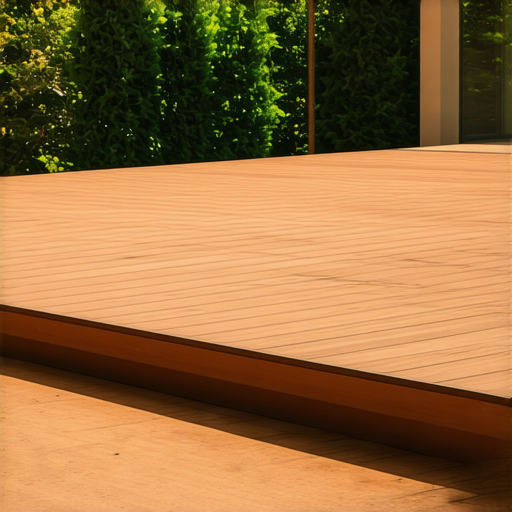
![5 Deck Design Tweaks That Stop Water Pooling for Good [2026]](https://deckforgebuilders.com/wp-content/uploads/2026/02/5-Deck-Design-Tweaks-That-Stop-Water-Pooling-for-Good-2026.jpeg)
I’ll never forget the frustration that hit me one rainy afternoon. There I was, enjoying a cup of coffee on my newly renovated deck, when I noticed a small puddle forming in the corner—again. You see, in my quest to create the perfect outdoor space, I overlooked a simple but critical detail: proper drainage. That lightbulb moment made me realize how many decking projects suffer from water pooling, leading to wood rot, slippery surfaces, and mere aesthetic disappointment.
Why Water Pooling Turns Even the Best Decks Into Troublespots
If you’ve ever spent time deck-side after a downpour, you know the sinking feeling that comes with unexpected puddles and soggy spots. Pooling water isn’t just a minor annoyance; it’s a sneaky culprit that accelerates damage and creates safety hazards. Left unchecked, pooled water can seep into the deck’s structure, causing wood or composite materials to weaken prematurely. Plus, it’s just plain annoying to sit in a damp spot while trying to enjoy the outdoors.
Fortunately, I’ve discovered a handful of design tweaks — tweaks that have transformed my deck from pond-like to perfectly drained. Today, I want to share these insights with you so you can avoid the same pitfalls and create a space that remains inviting, safe, and durable for years to come. And trust me, these aren’t complicated tricks; they’re smart, actionable adjustments anyone can implement.
Is Water Pooling Really That Big of a Deal? Think Again.
Early on, I made the mistake of thinking minor puddles were just a cosmetic issue. But untreated, these small pools can lead to serious problems like mold, wood rot, and even structural failure. A recent study notes that water-related damage accounts for a significant portion of outdoor decking repairs, underscoring the importance of proactive design. Recognizing this early on saved me *thousands* in potential repairs, and I want to help you avoid that costly mistake as well.
So, if you’ve faced similar water woes or simply want to prevent future problems, keep reading. We’ll explore the top five tweaks that can stop water from pooling on your deck and keep your outdoor oasis safe and beautiful. Whether you’re building anew or sprucing up an existing space, these tips will give you the confidence to tackle drainage smoothly. For more tailored solutions, including [custom railing systems](https://deckforgebuilders.com/transform-your-outdoor-space-custom-railing-systems-for-safety-and-style), don’t hesitate to reach out through our [contact page](https://deckforgebuilders.com/contact-us). Now, let’s get started with the first game-changing tweak.
Design Slight Angles to Guide Water Away
One effective method I applied was angling the deck surface to direct water toward drainage points. I used a level to set a gentle pitch—about 1/4 inch per foot—so runoff naturally flows off instead of stagnating. During installation, I placed a 2×4 level on the joists, adjusted their height to achieve the slope, and secured them accordingly. This simple adjustment, akin to slanting a rooftop for rain, drastically minimized puddles and kept my deck dry, even after heavy rain. Remember, consistent slope is key—test multiple spots to ensure proper drainage.
Position Drainage Channels Strategically
Installing drainage channels or scuppers can be game-changers. I chose narrow, durable PVC drains that sit flush with the deck surface, placed at the lowest points where water tends to collect. During a rainy day, I observed water pooling in corners; to solve this, I added a small channel leading into an underground drainpipe. To visualize this, think of a gutter system on your roof directing rain away—except on your deck. Ensure these channels have a slight gradient toward the exit point to prevent water backup. Regularly check for debris buildup to maintain unobstructed flow.
Elevate the Deck with Proper Footings
Creating a slight elevation of the entire deck structure can prevent water from pooling at base-level. I increased the height of some support posts using adjustable deck piers, raising the deck about 1-2 inches above ground level. This elevation not only improved drainage but also allowed debris and water to escape more easily. Think of it as giving water a hill to run downhill—gravity becomes your ally. When lifting supports, verify the stability and ensure the foundation remains solid, especially if soil shifts or during temperature fluctuations.
Use Perforated or Slotted Decking Materials
Choosing the right decking material can make a difference. I opted for composite decking with small perforations that enable water to pass between boards more efficiently. These materials resemble a sponge’s surface—allowing water to seep through instead of pooling on top. When laying these boards, I spaced them slightly apart (about 1/8 inch) to ensure continuous drainage paths, similar to bricks in a drain tile system. This setup maintains a dry surface and prevents excess weight from trapped water, which can warp or rot your decking over time.
Implement Effective Edge Drains and Slope Guarantees
Ensuring the deck’s edges direct water away involves integrating edge drains or slight outer slopes. I added a gentle outward tilt on the perimeter boards using shims and installed small, discreet drain outlets at the deck’s edges. These outlets channel water into your yard’s existing drainage system. Visualize a small river flowing outward—this keeps water from gathering against the deck’s foundation or railing posts. Regular maintenance involves clearing debris that might block these outlets and verifying the slope’s effectiveness after seasonal changes or heavy storms.
Maintain Your Deck’s Drainage System
Regular inspection is crucial. After rainstorms, I routinely check for standing water, debris buildup, or displaced supports. Cleaning gutters and drainage channels prevents blockages, similar to clearing a clogged pipe. I also monitor the slope by pouring water in different spots—if it lingers, I adjust the supports accordingly. Consistent upkeep ensures your drainage modifications stay effective and your deck remains a safe, inviting space.
By applying these targeted steps—angle adjustment, strategic drainage placement, elevation, material choice, and maintenance—you can transform your deck into a water-resistant haven. These practices mirror principles used in professional deck design, ensuring longevity and safety. For more ideas on modern deck solutions, explore composite decking trends, or if you’re ready to upgrade your railing system to enhance safety and style, visit custom railing solutions. Keep your outdoor space dry and beautiful by implementing these drainage tactics from the ground up.Many homeowners assume their choices in pergola styles, railing systems, and composite decking are straightforward, but in reality, there are subtle nuances that can make or break the longevity and aesthetic of your outdoor space. For instance, a common misconception is that budget-friendly materials are always the best choice. However, skipping higher-quality options like premium composite decking can lead to costly repairs down the line. Most people overlook the importance of detailed planning in railing systems, mistakenly believing that simple designs suffice. Yet, an expertly engineered railing doesn’t just elevate style but also enhances safety, especially in high-wind zones. Advanced mistakes often involve underestimating the effects of climate on materials. For example, using unsealed wood for pergolas in humid regions accelerates rot, while proper sealing and ventilation extend lifespan significantly.
Why Do Some Pergolas Fail in Storms Despite Being Well-Designed
Many assume that a sturdy design is enough, but in my experience, neglecting anchoring techniques and wind ratings can spell disaster. High-wind areas demand reinforced foundations and specialized anchor systems—otherwise, major storm events can topple what seemed like solid structures. Consulting expert guides on wind-resilient designs, such as these techniques, can save you from costly repairs and safety hazards. Beyond structural integrity, material selection plays a critical role. Composite decking, for example, is often praised for durability, but choosing the right brand—like the ones reviewed in these reviews—ensures your investment withstands high temperatures and UV exposure.
For precision in repairs and modifications, I favor cordless electric drills with adjustable torque settings and a comprehensive bit set. This ensures I can drill, pilot, or fasten properly, reducing the risk of splitting wood or damaging composite boards. When installing new railing systems, I employ laser distance measurers to accurately gauge placement and ensure uniformity—saving time and avoiding costly mistakes.
On the software side, I incorporate project management tools like Trello or Asana to track maintenance schedules, repair timelines, and upgrades. Staying organized streamlines long-term planning and helps me keep track of warranty periods for materials. Additionally, 3D design software like SketchUp enables me to visualize modifications before executing them, which is especially useful when scaling or customizing pergolas or decks.
Predicting future trends, I believe that incorporating smart, integrated maintenance devices—such as IoT sensors attached to critical points—will become standard practice. These sensors could monitor environmental conditions, alerting homeowners about potential leaks, damage, or deterioration before issues escalate, much like current smart home security systems.
**How do I maintain my outdoor structures over time?** Consistent inspection using these tools allows me to spot early signs of wear and address them proactively. Regularly cleaning with a pressure washer, reapplying sealants, and verifying structural integrity with a moisture meter keep everything in top condition. Plus, staying organized with digital tools makes planning future upgrades or repairs more efficient. To get started with enhancing your maintenance routine, try integrating an advanced moisture meter or laser measurer today. For tailored advice on upgrading your deck or pergola, don’t hesitate to contact us—we’re here to help you make informed decisions that last. Explore more about modern solutions in [composite decking](https://deckforgebuilders.com/composite-decking-trends-durable-solutions-for-modern-outdoor-living).
Secrets the Pros Keep Quiet About Deck Drainage
One of the most eye-opening lessons I learned was that even small oversights in drainage can snowball into major headaches later. I once ignored the importance of slope during initial planning, and it took repeated water pooling issues to realize that proper grading is an art form that requires precision. That realization changed my entire approach, pushing me to invest in detailed measurements and professional tools. Now, I see how those tiny tips—like ensuring a 1/4 inch per foot pitch—can save hundreds of dollars and countless hours of repair.
Top Resources That Made My Outdoor Builds Smarter
Over time, I’ve leaned heavily on specific resources for guidance. The first has been the comprehensive guides available at DeckForge Builders. Their insights into composite decking materials help me choose options that withstand weather and foot traffic, giving peace of mind. For project planning, design inspiration is invaluable, sparking creative ideas that blend function with beauty. Tools like laser distance measurers from reputable brands streamline my measurements, making every cut accurate. Lastly, their articles on wind resistance for pergolas have been a game-changer in ensuring my structures stand tall against storms, especially in high-wind zones.
Your Next Step: Elevate Outdoor Living with Confidence
Remember, every great outdoor space starts with a solid foundation—both literally and figuratively. By integrating these insights, tools, and resources into your project, you can turn your deck or pergola into a durable, beautiful retreat. Don’t let hidden water issues diminish your enjoyment or threaten your investment; proactive planning and continuous learning are your best allies. Now is the perfect time to start those improvements, and I encourage you to take action today. Want help with your specific project or need tailored advice? Reach out through our contact page – I’m here to help you build with confidence and care. Your outdoor masterpiece awaits – go make it happen!