
Have you ever spent hours choosing the perfect pergola design, only to be distracted by those unsightly metal post bases peeking out? I remember the first time I built my own pergola, thinking I had nailed every detail—until I stepped back and noticed the glaring metal bases anchoring those sturdy posts. It was like hanging a fancy picture with tape—that little detail ruins the entire look. Frustrating, right?
But here’s the good news: there are simple, effective ways to conceal those unattractive metal bases and elevate your outdoor space without breaking the bank. Today, I’ll share my tried-and-true methods to hide those bases, so your pergola looks polished and inviting. Whether you’re a DIY enthusiast or just want a more finished look, these tips are game-changers.
Why Hiding Metal Post Bases Is a Game-Changer
Let’s face it—metal post bases are essential for structural integrity and safety. They anchor your posts firmly to concrete or wood, ensuring your pergola can withstand wind and weather. But they don’t win any beauty contests. Exposed metal can look out of place, especially when your overall design leans toward natural materials or modern aesthetics.
Left exposed, these bases can detract from your pergola’s charm, making it look cheaper or hastily assembled. Plus, if you’re planning to add features like decorative curtains, lights, or hanging plants, those metal bases can be an obstacle or eye sore. Fortunately, with a few creative tricks, you can mask these bases effortlessly.
Is Covering Metal Bases Worth the Hassle?
Initially, I thought hiding the bases would be a time-consuming chore. Turns out, a small effort yields a huge visual payoff. Not covering them can result in less perceived value and even impact your backyard oasis’s overall vibe. According to professional designers, hiding structural elements not only improves aesthetics but also adds to the lifespan of your outdoor furniture by protecting hardware from the elements. So, yes—it’s absolutely worth the effort.
Have you faced a similar frustration with exposed hardware or bases? If so, you’re in the right place. Let’s dive into some practical solutions that have worked wonders for me and countless others.
How to Conceal Those Ugly Metal Bases Using Creative Tricks
Cover with Trim or Skirting
Start by attaching a decorative trim, lattice panels, or outdoor skirting around the base. I once used cedar lattice painted to match my pergola, securing it with outdoor screws. This instantly hid the metal base while adding style. To ensure a seamless look, measure the base accurately, cut the lattice or trim pieces to size, and affix them securely with weatherproof fasteners. For a cleaner finish, caulk the edges and paint or stain the cover to match your pergola’s color scheme.
Use Concrete or Stone Around the Base
Create a faux footing or pedestal by encasing the metal base in concrete or decorative stone. I poured a small concrete collar around my post, smoothing it out for a natural stone appearance. Mix quick-setting concrete, pour it into a form around the base, and level it. Once cured, this method elevates the metal and blends it with the ground, making it less noticeable. Remember to leave a small gap at the bottom for drainage and to prevent moisture buildup.
Install a Post Sleeve or Wrap
Slip a decorative post sleeve over the existing post and base. These sleeves are available in wood, vinyl, or composite materials and can be painted or stained. I found that wrapping a composite post sleeve around my post created a uniform look, covering the base entirely. Simply slide the sleeve over the post, secure it with screws or adhesive if needed, and finish with paint or stain. This method is quick and adds a sophisticated touch.
Build a Raised Platform or Base
Construct a raised platform or deck foundation around the post to hide the base. I built a small wooden frame with pressure-treated lumber, leveling it to ensure stability. This platform not only conceals the metal base but also creates a more polished look and can serve as a stepping surface. Ensure the platform is level, anchored securely, and designed to prevent water pooling to avoid rot or corrosion.
Create a Planting Bed or Decorative Feature
Surround the base with potted plants or a decorative flower bed. I placed greenery like ferns and ornamental grasses around my pergola, which softened the metal base’s appearance. Use containers or borders to define the space, and consider drought-resistant plants for low maintenance. This option adds beauty and functional coverage without requiring extensive construction.
Apply Paint or Coating for Distraction
If hiding isn’t feasible, paint the metal base with rust-resistant paint or a color that blends with your decor. I painted mine dark brown, which made it less conspicuous against my deck’s composite surface. Choose durable outdoor paint suitable for metal and apply in multiple coats for longevity. This simple step can diminish visual distraction if other concealment methods aren’t an option.
By combining these methods or choosing one that suits your style and budget, you’ll transform unsightly metal bases into seamless design elements. Remember, precise measurements, weatherproof materials, and a bit of creativity will make your pergola look professional and inviting. For more ideas on elevating your outdoor space, explore pergola design tips and stay inspired to customize your backyard retreat.
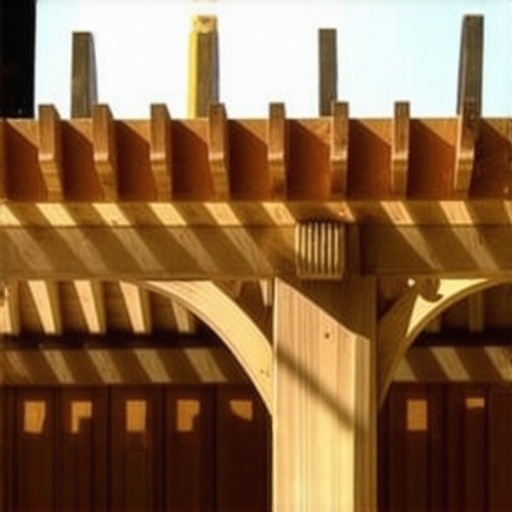 Many homeowners believe that installing a railing system is a straightforward process focused solely on safety, but in reality, there are nuanced details that can make or break your deck’s aesthetics and longevity. For instance, it’s a common myth that any deck railing will do, but expert insights show that materials, spacing, and installation techniques dramatically influence durability and appearance. Overlooking these aspects can lead to premature wear or safety issues, especially in harsh climates. One nuance often missed is the importance of proper post-to-beam connection—using the right fasteners and brackets not only enhances stability but also prevents wobble and squeaks over time. Advanced users should consider the implications of thermal expansion, which can cause railings to warp or separate if not planned properly, a detail supported by structural engineers like those cited in recent building standards.
Another trap is selecting decorative elements without considering maintenance requirements. For example, choosing low-maintenance composite balusters for their durability but neglecting their compatibility with existing decking materials can result in discolored or mismatched finishes. Plus, many underestimate the importance of code-compliant spacing—more than 4 inches between balusters can pose safety hazards, particularly for children. To avoid costly modifications later, consult local building codes before design finalization.
Have you ever fallen into this trap? Let me know in the comments.
Finally, many fail to recognize the significance of grounding and weatherproofing in railing installation. Moisture accumulation around posts can lead to corrosion or rot, especially if metal brackets or fasteners are used without proper sealing. Applying a waterproof sealant or using corrosion-resistant hardware extends the lifespan significantly. For innovative solutions, exploring custom railing systems can offer tailored safety and style, avoiding generic pitfalls.
Navigating these nuances ensures your deck remains both visually appealing and structurally sound. Remember, the devil is in the details, and a thoughtful approach today prevents costly repairs tomorrow.
Keeping It Working: The Tools That Make a Difference
When it comes to maintaining and scaling your outdoor structures, having the right tools isn’t just a convenience—it’s a necessity. Over the years, I’ve narrowed down the equipment that consistently delivers professional results and saves time. First, a high-quality angle grinder with a diamond blade is indispensable for cutting composite boards or metal components precisely and cleanly, especially when making custom adjustments or repairs. I personally rely on brands like Bosch or Makita because of their durability and consistent performance.
Next, a laser level ensures your deck or railing remains perfectly aligned, which is critical for safety and aesthetic appeal. Unlike traditional bubble levels, a laser level projects a continuous line, saving you from repeated adjustments and ensuring you meet code requirements effortlessly. I recommend the Leica Geosystems Laser Level for its reliability and ease of use, particularly in larger projects where precision is paramount.
Power drills with variable speed settings and a good assortment of screwdriver bits are a must for assembling and tightening components securely—particularly when installing composite decking or custom railing systems. I favor impact drivers with hex bit compatibility for their torque and speed, which minimizes effort during installation and ensures fasteners sit flush and secure. For added convenience, I suggest a cordless impact driver from DeWalt, known for its battery life and power.
For deeper inspections or repairs, a dew point moisture meter helps you detect hidden water intrusion behind posts or within the framing, preventing long-term rot or corrosion. Using a moisture meter regularly can extend the lifespan of your structures by alerting you to early issues before they worsen.
Finally, I always keep a high-quality set of safety gear: goggles, gloves, and dust masks. Safety shouldn’t be overlooked, especially when working with power tools or cutting materials like composite decking, which can produce fine dust. Investing in reliable safety equipment not only protects you but also encourages better work habits.
Looking ahead, the trend is moving toward smart tools that incorporate Bluetooth connectivity and app integration, providing real-time data and diagnostics. For instance, future impact drivers might warn you before over-tightening or stripping fasteners, preventing costly mistakes and ensuring optimal assembly. Staying updated with these innovations can give you a significant advantage in both maintenance and scaling projects.
How do I keep my railing and deck systems in top shape over time? Regular inspections paired with these specialized tools make maintenance a manageable task. For example, using a moisture meter periodically can prevent rot or corrosion, which is especially valuable in humid or coastal environments. Don’t wait for visible damage—detect problems early and address them promptly.
For more tailored advice on upgrading your outdoor project toolkit, check out the latest [innovations in deck tools](https://deckforgebuilders.com/innovative-deck-design-ideas-that-elevate-your-homes-curb-appeal) and consider investing in SMART equipment as the industry advances. Starting with a laser level or impact driver can dramatically improve your efficiency and the longevity of your structures. Give these tools a try and see the difference they make in your next maintenance or scaling project.
Overcoming common design pitfalls like exposed metal post bases can elevate your entire outdoor project from average to extraordinary. The lessons I’ve learned highlight that paying attention to small details, such as concealing hardware, makes a significant difference in creating a cohesive, polished look. One revelation was realizing that integrating decorative elements into the concealment process not only hides unsightly hardware but also adds a layer of personalized style, turning a functional feature into a design statement. Additionally, experimenting with natural materials like stone or wood accents created a seamless transition from structural necessities to aesthetic enhancements. Embracing these lessons has empowered me to craft outdoor spaces that genuinely reflect my vision, inspiring confidence in DIY projects and elevating the value of my backyard oasis.
Comments are closed.