
It was a sunny Saturday afternoon when I finally realized the truth—my backyard was missing that perfect little oasis I’d been dreaming of. I had constructed what I thought was a sturdy deck, but every time a gust of wind blew, I feared it would topple or sway uncontrollably. That moment of panic sparked my journey into building a **freestanding deck**, separate from my house, and I want to share what I learned along the way.
Building a deck isn’t just about laying down some boards; it’s about creating a space where memories happen, where friends gather, and where you can unwind after a long week. But attaching a deck directly to your house can sometimes lead to a host of problems—water damage at the rim joist, difficulty with leveling, or even structural issues when the house settles. That’s where a **freestanding deck** becomes a game-changer, offering flexibility, durability, and peace of mind.
Today, I’ll guide you through the essentials of constructing a robust, standalone deck that stands tall on its own, without needing to be bolted to your house. Whether you’re imagining a cozy corner for morning coffee or a spacious area for summer barbecues, this approach can totally transform your outdoor space.
Have you ever faced issues with decks that wobble, squeak, or—worse—lift off over time because they were attached to the house? Believe me, I’ve been there. Early on, I made the mistake of using standard fasteners that failed to accommodate wood expansion, leaving my deck vulnerable. It’s a common mistake, but one you can avoid with the right design choices.
In the upcoming sections, I’ll introduce you to the key principles and practical steps for building a freestanding deck — focusing on choosing the right supports, footing, and framing techniques to ensure safety and longevity. Ready to make your backyard the envy of the neighborhood? Let’s dive in.
Secure the Foundations with Proper Supports
Begin by choosing the right site and clearing any vegetation or debris. Instead of anchoring to your house, set up independent support posts using concrete footings. Dig holes 12-24 inches deep, ensuring they reach stable soil, and pour concrete. Install sturdy wooden or metal support posts on these footings, using post anchors for added stability. I vividly remember aligning my first set of posts on a windy day; I used a level and temporary braces to keep them straight, which made a huge difference in the final structure.
Ensure Level and Alignment
Use a long level or a laser level to verify that each post is perfectly vertical. Misaligned posts can cause uneven decking surfaces and triples the risk of squeaks or instability. I once rushed this step and had to redo my supports, which delayed the entire project but ultimately saved me from future headaches. Invest in quality tools and double-check measurements before proceeding.
Design and Frame the Deck
Construct the perimeter frame with pressure-treated joists, securing them with corrosion-resistant galvanized screws or hidden fasteners for a clean finish. When framing, imagine the deck as a blueprint of your future outdoor oasis—strengthening your base with cross braces and ensuring the frame is square, not distorted. This approach minimizes shifting later. I used the “3-4-5” method to check for squareness—measure corner to corner, and adjust until the diagonal measurements match. This technical precision translates into a level, wobble-free deck.
Optimize Deck Board Placement
Lay out composite decking boards perpendicular to the joists for optimal weight distribution. Use spacers to maintain even gaps, which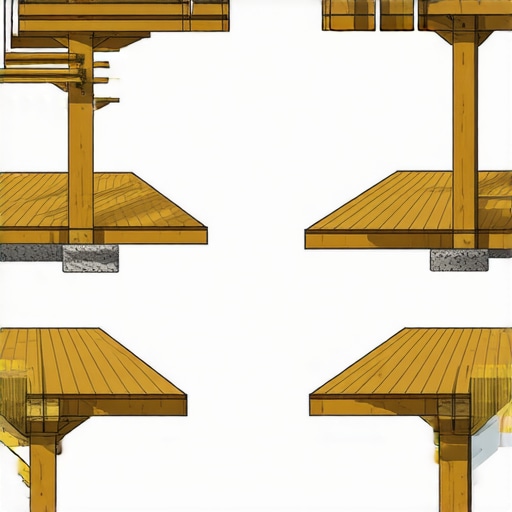 allow for expansion and drainage. Remember, composite boards expand in heat, which is why choosing a quality brand that accepts expansion gaps is crucial. I recently replaced my deck boards and used a cardboard template to scribe curves around a natural stone border, achieving a professional look. Precision here ensures a seamless, safe surface that’s comfortable to walk on.
Build the Supporting Railing System
Attach the railing posts securely to the framing using strong brackets or hidden fasteners, avoiding visible screws that can loosen over time. For added stability, install cross bracing or diagonal supports. This not only enhances safety but also gives the deck a visual elegance reminiscent of modern deck designs. I used a vertical drill guide to keep balusters straight, which resulted in a uniform appearance and improved safety. Proper railing installation is vital, and considering embedded lighting or decorative panels can elevate the aesthetics.
Finish with Protective Coatings
Seal the wood or composite surface with a high-quality protective finish. This prevents weather damage and preserves the aesthetic appeal. If you’re working with natural wood, applying a water-resistant stain can extend its lifespan fivefold. I applied a clear, scuff-resistant coating designed for pet owners, which keeps my deck looking new despite my dogs’ paws. Regular maintenance will keep your deck safe, durable, and beautiful for years to come.
While many enthusiasts focus on selecting the right composite decking material or designing eye-catching pergolas, there’s a hidden layer of nuances that can make or break your project. One widespread misconception is that all composite decking is equally maintenance-free and resilient. In reality, not all composite boards are created equal—many fall short under extreme conditions, especially if you opt for cheaper, lower-quality brands. According to industry expert reports, choosing premium, high-quality composite materials ensures better UV resistance, less fading, and lower maintenance over time. Furthermore, many overlook the importance of proper ventilation and drainage beneath the deck, which is crucial for preventing mold and rot, especially when installing as a freestanding structure.
Another common myth involves railing systems. It’s often assumed that any railing post will do, but the truth is that improper mounting or neglecting to incorporate hidden fasteners can lead to instability or unsightly gaps. For instance, heavy seasonal shifts require a more sophisticated approach that allows for wood expansion and contraction. Skilled designers recommend adjustable brackets or flexible fasteners for longevity. Also, when designing pergolas, many neglect the significance of load-bearing calculations, especially in areas prone to heavy snow. Retrofitting a pergola roof for load, as discussed in this detailed guide, can help prevent collapse and ensure safety.
The intricate details, such as the spacing between deck boards, are often underestimated. Excessive gaps can trap debris and water, accelerating deterioration, while too little space hampers drainage and ventilation. Experts suggest a gap of around 1/8 inch to balance expansion and drainage, but even this can vary based on climate.
Most advanced builders pay attention to the subtle differences in fastener types and installation techniques. For example, concealed fasteners provide a cleaner look but demand precise alignment; otherwise, they can cause mushrooming holes or squeaks down the line. It’s critical to pre-drill correctly and use the right bit to avoid damaging decks or creating uneven surfaces.
A significant trap to avoid is ignoring the impact of environmental factors on structural stability. Free-standing decks, if not properly anchored with deep, reinforced footings, can shift, leading to dangerous unevenness or collapse. As detailed in resources on footing and anchoring, investing in proper concrete footings, deep enough to support local frost lines and soil conditions, is essential for a durable outdoor expansion.
In summary, the secret lies in understanding the nuances—materials, installation details, environmental considerations—that often fly under the radar. When these advanced considerations are heeded, your outdoor structures will not only look stunning but also stand the test of time. Want to elevate your project even further? Check out our innovative deck design ideas that will boost your home’s curb appeal and ensure you avoid common mistakes. Have you ever fallen into this trap? Let me know in the comments.Regular maintenance is key to ensuring your composite decking, pergolas, and railing systems remain in top condition for years to come. I personally rely on a few specialized tools and software to streamline this process and catch potential issues early. A digital moisture meter, like the Tramex Moisture Scan, helps me assess wood and framing components beneath the surface, identifying hidden rot or water intrusion before it becomes visible. This proactive approach prevents costly repairs and extends the lifespan of my outdoor structures. Additionally, I use a Rotorazer Tool for precise cuts when replacing damaged decking or adjusting supports—a power tool that offers accuracy and speed, making maintenance less of a chore.
For cleaning and weatherproofing, I prefer eco-friendly, jet spray-compatible brushes paired with a good-quality cleaner like TimberTech’s Restore Cleaner, which effectively removes grime without damaging composite surfaces. Applying a protective, UV-resistant sealant every couple of years helps guard against fading and sun damage, especially in exposed areas. I’ve found that maintaining proper drainage is equally critical; installing a drainage gap beneath the deck or pergola prevents water accumulation, reducing mold and rot risk over time.
Looking ahead, I predict smart sensors connected to home automation systems will play a larger role in outdoor maintenance. Imagine receiving alerts when moisture levels or structural shifts are detected, allowing you to act swiftly. This integration will make upkeep more efficient and less labor-intensive.
—
### How do I keep my outdoor structures in shape without constant fuss?
One of my favorite strategies is investing in hidden fasteners for decking, as they not only create a sleek look but also minimize the chances of screws loosening over time. For example, I recommend trying the [hidden fasteners](https://deckforgebuilders.com/why-hidden-fasteners-fail-on-wide-plank-composite-boards) designed specifically for composite boards—they distribute forces evenly and are easier to maintain.
Don’t forget to inspect support posts and railings regularly. Tightening bolts and applying anti-corrosion paint or sealant can prevent wobbles and keep everything safe. For those living in areas with harsh weather, I suggest retrofitting pergolas with snow load considerations, as detailed in [our comprehensive guide](https://deckforgebuilders.com/how-to-retrofit-a-pergola-roof-for-heavy-snow-loads).
Get proactive by incorporating a moisture meter into your regular inspections. Trust me, catching subtle leaks early saves a lot of headache later. Why not try calibrating your tools today and see how much easier maintenance becomes? Proper upkeep will pay off, ensuring your outdoor oasis remains inviting and durable for years.
Less obvious lessons from my decking journey
One of the most surprising insights I gained was that overlooking proper drainage beneath your deck can lead to costly rot and mold issues down the line. Carefully planning for water runoff and installing ventilation is crucial, even if it seems like a minor detail initially. Additionally, I discovered that investing in high-quality fasteners and hardware, though tempting to save costs, pays off by preventing squeaks, loosened railings, and structural instability over time. A key lesson was also realizing that patience during the leveling phase ensures a more uniform and safe surface, saving me headaches during later stages.
My go-to tools and resources that kept my project on track
For precise measurements and effective support, I rely heavily on a laser level and a digital moisture meter—these tools helped me detect hidden issues before they became major problems. My favorite resource for understanding composite material trends is this comprehensive guide on trends in composite decking. When I needed expert advice on supporting structures, I turned to detailed industry reports, which emphasize the importance of proper footing depths and reinforcement techniques. Lastly, I follow blogs and forums where experienced builders share their real-world experiences, offering invaluable practical tips that you won’t find in generic tutorials.
Time to transform your outdoor space with confidence
If you’re ready to elevate your outdoor living, remember that building a freestanding deck is not just about aesthetics—it’s about creating a safe, enduring space for memories. Embrace the learning curve, invest in quality tools, and pay attention to the small details like drainage and fastener choice. Your perfect backyard oasis is within reach, and with patience and dedication, it will stand tall for years to come. Curious about specific design ideas or techniques? Check out these innovative deck designs and start planning your dream space today.
What’s been your biggest challenge in outdoor project construction? Share your story below—I’d love to hear your experience and help you find solutions!
Comments are closed.