
I remember the day clearly. I was inspecting my new pergola, only to realize it had shifted slightly after a storm. It felt like a small movement, but I knew it was a sign. A shaky connection between my deck and house could mean disaster down the line. That “lightbulb moment” led me deep into the world of deck-to-house connections, and let me tell you—what I discovered changed everything.
Why A Rock-Solid Connection Matters More Than Ever
If you’ve ever felt that sense of unease when your outdoor space doesn’t feel quite stable, you’re not alone. A loose or weak ledger board isn’t just an aesthetic issue; it’s a safety concern that could cost thousands in repairs if ignored. Over time, poor connections can lead to water infiltration, rot, and even structural failure of the entire deck, which no homeowner wants to face.
Luckily, I found a secret that many pros swear by—The Ledger Bolt system. It’s a game-changer for ensuring your deck stays securely attached, even in heavy storms or seasonal shifts. Think of it as giving your deck a firm handshake with your house—firm, reliable, and built to last.
Is Investing in Ledger Bolts Really Worth It?
Before you dismiss it as just another fancy hardware, let me share a quick mistake I made early on: I relied solely on traditional lag screws without proper flashing or reinforcement. It was a cheap fix at the time, but one heavy rain showed me the flaw—water seeped behind the ledger and started to rot the rim joist. That’s when I realized the importance of a specialized, rock-solid connection system. Be sure to check out this article for common installation pitfalls to avoid.
In this post, I’ll walk you through the why, the what, and the how of The Ledger Bolt Secret—so you can rest easy knowing your outdoor space is safe, sturdy, and beautiful. Ready to make your deck as reliable as your favorite neighbor’s bond? Let’s dive into the most effective ways to lock your deck in place once and for all.
Start with a Solid Foundation
Before diving into hardware or layout, evaluate your existing structure. Use a level to identify high and low spots on your deck surface, ensuring the foundation is even. I recall once I found a slight tilt in my deck that caused water pooling—correcting this early prevented future rot. When installing a pergola, ensure the posts are anchored into a stable footing, not just sitting on the surface, to resist shifting over time.
Properly Attach Ledger Boards
Secure the ledger to the house using corrosion-resistant lag bolts, not just nails or regular screws. Drilling through the house’s sheathing and into the rim joist with a masonry bit if needed, and incorporating flashing, creates a barrier against water infiltration. I once installed a ledger and missed the flashing, leading to leaks; adding a galvanized metal flashing afterward actually saved me thousands in repairs.
Use a Clamp for Consistent Railing Posts
When installing railing posts, consistency is key. I used a simple clamp to hold the posts in place, then drilled through the post and the deck joist simultaneously with a vertical drill guide. This approach ensures straight, level posts that don’t wobble later. Incorporate an offset bracket, like in this guide, to secure posts firmly, especially on narrow or awkwardly spaced joists.
Reinforce Weak Points
Every connection point has a potential weak spot. Add blocking between joists to prevent sagging, especially under heavy loads like hot tubs. During my last project, installing diagonal bracing improved stability dramatically, akin to how braces stabilize a leaning wall. Use lag screws paired with structural brackets to reinforce corners or heavy loads.
Prevent Water Damage with Effective Flashing
Water seeping behind the ledger board causes rot. My solution was installing a high-quality flashing tape along the ledger’s top edge, sealing any gaps. Avoid common pitfalls like improper sealing or leaving gaps—see this article for detailed instructions. Additionally, maintain an 2-inch air gap at the bases of posts and pergola beams, preventing trapped moisture and rot.
Ensure Level and Secure Joists
Accurate joist placement is vital. I used a chalk line to mark joist positions before installing hangers, ensuring even spacing. When installing composite decking, I employed the secret technique of pre-drilling holes slightly smaller than the screws to avoid mushrooming, which also helps in hiding visible screw heads—detailed at this guide. Leveling the joists first guarantees a flush surface for your deck boards or pergola overlays.
Double-Check All Connections
After assembly, go over every bolt and screw with a torque wrench. In my experience, even slight loosening over months can weaken the entire structure. Use locking hardware like lock washers or thread-locking glue when appropriate. For pergolas, pay special attention to the joints where beams meet posts—these are prone to sway or wobble if not tight enough. Consider adding diagonal bracing or support cables to combat wind sway, referencing this article for extra stability tips.
Many homeowners believe that selecting premium materials or following standard installation steps guarantees a perfect outdoor space. However, underneath the surface lies a minefield of common myths and advanced mistakes that can compromise your pergola, composite decking, or railing system. Let’s dig deeper into these nuances to ensure your project withstands the test of time.
Myth of Uniform Material Performance
Contrary to popular belief, not all composite decking or railing materials behave equally under environmental stress. Many assume that a high-quality composite won’t fade or warp, but studies, such as those cited by expert research, reveal that some brands with cheaper formulations can degrade faster with UV exposure. Opting for the most inexpensive options often results in uneven coloration and deterioration, a mistake I’ve seen lead to costly replacements.
The Water Infiltration Trap
One prevalent oversight involves neglecting proper flashing and air gaps during installation. A common myth is that simply attaching a ledger board with lag bolts is sufficient; in reality, water can seep behind and cause rot, especially if weatherproofing is incomplete. A crucial secret is ensuring a 2-inch air gap at the base of pergola posts and using quality flashing, as detailed in this article. Overlooking these details invites rot and structural failure over time.
Can Advanced Design Techniques Prevent Long-term Problems?
Absolutely. Incorporating proper drainage slopes and concealed fasteners reduces water retention and enhances aesthetics. For example, a slight 2-3 degree slope away from the house prevents pooling, a trick well-known among seasoned builders. Expert insights suggest that integrating hidden fastening systems, like those discussed in this guide, not only improves appearance but also minimizes water entry points.
Understanding these nuances and avoiding common traps can extend your deck’s life and preserve its beauty. If you’re interested in elevating your outdoor space, explore innovative deck design ideas or consider switching to steel frames for added durability, which are increasingly replacing traditional wood in modern builds.
Have you ever fallen into this trap? Let me know in the comments!
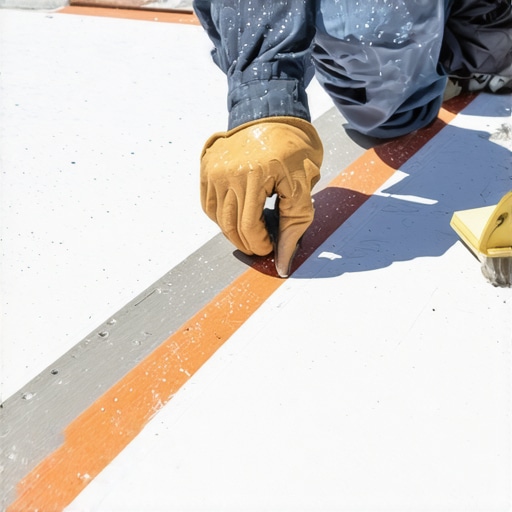
Investing in Precision: Tools That Make the Difference
When it comes to maintaining your deck, pergola, or railing system for the long haul, having the right tools is fundamental. I personally rely on a combination of high-quality equipment and software to ensure each project stands the test of time. For instance, a cordless impact driver is an absolute must-have; its power and portability streamline fastening tasks, especially when securing composite decking or installing sturdy railing posts. I trust brands like Milwaukee or DeWalt because of their durability and battery life—ensuring I won’t be caught mid-project with a dead tool.
For precise measurements, I swear by a laser distance meter such as the Bosch GLM 50 C. This small device allows me to quickly verify the levelness of joists or the alignment of pergola beams with pinpoint accuracy, which is critical for avoiding water pooling or uneven surfaces. These measurements are vital, especially if you plan to incorporate modern durable materials, where even slight misalignments can compromise the aesthetic and structural integrity.
To tackle ongoing maintenance or adjustments, I frequently use a digital torque wrench. This level of control helps ensure that bolts securing railing systems or post bases are tightened to manufacturer specifications, preventing future wobbling or loosening. A reliable torque wrench from brands like Tekton or CDI can save you from unnecessary repairs and ensure safety compliance.
Leveraging Software for Better Deck Design and Maintenance
Beyond manual tools, software has revolutionized how I approach deck design and upkeep. Programs like SketchUp or the specialized deck planning tools allow for detailed 3D modeling, helping me visualize water runoff patterns or the placement of flashing to prevent rot. These digital sketches help me identify potential problem areas before they become costly issues down the line.
Maintenance scheduling software, such as Trello or Notion, helps me stay on top of inspections—reminding me when to check fasteners, reseal seals, or clean gutters around the deck or pergola. Staying proactive with maintenance tools like these extends the lifespan of your outdoor structures significantly.
How do I maintain my installed deck and pergola over time?
Routine inspections combined with proper tools can keep your deck looking great and functioning well. Regularly verify that all bolts are tight, check for signs of water infiltration, and reapply sealants or flashing as needed. Using a digital moisture meter can help detect hidden moisture behind decks or pergola posts, catching issues early. Additionally, consider periodic upgrades to hardware, such as switching to corrosion-resistant fasteners, to prevent long-term deterioration. As materials and landscapes evolve, so should your maintenance approach—the right tools make this process efficient and effective.
Looking ahead, I predict advancements in smart tools and IoT-based maintenance systems will further simplify upkeep, automating checks for structural stability or water intrusion. For now, I recommend trying the impact driver combined with precision measurement tools—it truly enhances your ability to sustain a safe, beautiful outdoor space over decades. Need assistance? Feel free to reach out via contact page.
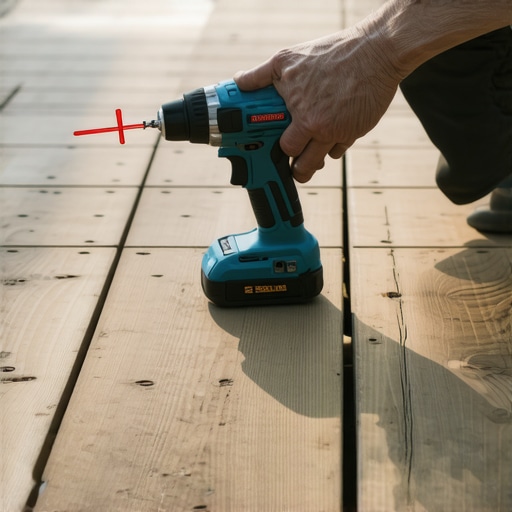
The Hard-Earned Lessons That Transformed My Approach to Deck and Pergola Building
- One of my biggest surprises was realizing that even the smallest shift in a pergola’s alignment can have cascading effects on stability and aesthetics. It taught me the importance of meticulous measurements and checking for levelness at every stage, which prevents costly corrections later.
- I once underestimated the power of proper water drainage. A simple 2-degree slope and effective flashing made all the difference in preventing rot and ensuring longevity, reminding me that attention to detail saves time and money in the long run.
- Choosing the right fasteners and reinforcement techniques isn’t just about compliance—it’s about peace of mind. Implementing lock washers and torque-specific tools significantly reduced wobbling and structural issues down the line.
- Understanding materials’ behavior under environmental stress, like UV exposure or humidity, helped me select products that maintain their beauty and strength over years, emphasizing quality over shortcuts.
- Learning from seasoned pros and dedicated resources accelerated my learning curve. I found that investing in education, whether through detailed articles or expert consultations, pays dividends in creating a safe, durable outdoor space.
Tools and Resources That Elevate Outdoor Space Projects
- Milwaukee Impact Driver: Its power and reliability streamline fastening composite boards and securing sturdy pergola beams, making the process efficient and frustration-free. Trustworthy brands like Milwaukee never let me down during demanding tasks.
- Bosch Laser Distance Meter: Precise measurements ensure perfect alignment and levelness, which are critical for both aesthetics and structural integrity. It’s my secret weapon for avoiding miscalculations that could ruin the entire project.
- Digital Torque Wrench: Ensuring bolts are tightened to exact specifications prevents loosening over time, especially on railing posts or pergola supports. It’s a small investment that guarantees safety and durability.
- 3D Deck Design Software: Programs like SketchUp allow me to visualize water runoff, plan flashing placement, and optimize layout before cutting any material. This proactive approach saves time and materials, making each project more professional.
- Pro Maintenance Apps: Apps like Trello help me schedule inspections and track essential maintenance tasks, keeping my outdoor structures in prime condition and extending their lifespan. Staying organized makes all the difference.
Embrace Your Creative Power and Build Confidence
Taking the leap to upgrade or build a deck and pergola can seem daunting, but trust me—your outdoor sanctuary is within reach. By applying the lessons I’ve learned, wielding the right tools, and referring to trusted resources, you can craft a space that’s not only beautiful but built to last.
Remember, every project is a learning experience, and even setbacks are stepping stones toward mastery. So don’t hesitate to experiment, ask questions, and share your journey. Your backyard transformation is your personal act of creation—embrace it with confidence and enthusiasm. Ready to start? Dive into your next project and turn your outdoor dream into reality!
Which aspect of deck or pergola building are you most excited to tackle? Let me know below!