
Picture this: I was deep into a deck project, meticulously aligning my boards against a rustic stone wall. Suddenly, I realized my lines were crooked, ruining what I hoped would be a flawless finish. That lightbulb moment hit hard—how could I get perfect, consistent cuts without wasting material and time? It wasn’t until I stumbled upon the Pencil Compass Trick that everything changed. This simple tool and technique transformed my approach from guesswork to precision. If you’ve ever grappled with uneven cuts or uneven siding, you’re not alone—and there’s a surprisingly easy solution waiting for you.
The Struggle of Accurate Scribing and Why Precision Matters
Getting boards to fit snugly against uneven surfaces like siding, natural stone, or existing structures has always been a challenge. Relying solely on rulers or freehand marking often results in gaps, overlaps, or the dreaded miscuts. This not only affects the aesthetic but can compromise durability and safety over time. Early in my experience, I made the mistake of thinking a compass was only useful for drawing circles—how wrong I was! Learning to adapt my tools for scribing boards against irregular surfaces significantly improved my results and saved me headaches.
Have You Faced This Specific Problem?
If uneven cuts, gaps in siding, or tricky scribing have caused frustration on your projects, then you’re in good company. But don’t worry—this guide will introduce you to a simple yet highly effective method to nail those curves and irregular edges every time. By mastering the chalk line secret along with the Pencil Compass Trick, you’ll elevate your craftsmanship and achieve professional-looking results with less effort. Ready to get started? Let’s dive into how this trick works and the essential tools you’ll need.
Set Up Your Tools for Success
Before diving into scribing, gather your essential tools: a compass, a pencil, a straight edge or chalk line, and a measuring tape. I remember spending a frustrating morning trying to mark curved edges on uneven stone while improvising with a broken piece of plastic. Switching to a proper compass and aligning it with the board’s edge immediately improved accuracy, and the marks were clean without needing multiple adjustments.
Identify the Irregular Surface
Locate the area on your structure that has uneven contours—think of the siding or natural stone wall. Use a measuring tape or a flexible ruler to gauge the degree of irregularity. For example, I once had to cut siding to fit around a protruding stone corner, and knowing the exact curve was crucial. Marking these curves accurately is the key to a professional finish.
Position the Compass Correctly
Adjust to the Right Radius
Set the compass’s width to the distance from the board edge to the deepest point of the irregular surface. Lock the compass securely. In my case, I adjusted mine to 3 inches, matching the deepest indentation on the siding. A loose setting or improper angle results in inaccurate curves, leading to gaps or overlaps.
Align with a Reference Point
Place the compass’s pivot point firmly on a fixed reference, such as the start of your cut line or a marked point from your measurements. Keep the compass steady and perpendicular to the board’s edge. I once made the mistake of tilting the compass, causing skewed cuts that didn’t fit well—easy to avoid with careful setup.
Trace the Curve Precisely
Gently rotate the compass along the surface, maintaining steady pressure. Keep the pencil tip in contact and follow the natural contour of the surface. During my first attempt, I was nervous and applied uneven pressure, causing jagged lines. Practicing slow, deliberate movements ensures a smooth, accurate curve.
Transfer the Mark to the Cutting Line
Draw a clear, continuous line on your material, ensuring it stays consistent with your compass movement. Use a straightedge or chalk line to extend the curve if needed. When I cut into a piece of composite decking, I always double-checked the curve alignment before making the final cut, preventing costly errors.
Make the Cut with Precision
Use a fine-tooth saw or a jigsaw for curved cuts, following your marked line closely. For outdoor projects, ensure your saw blade is sharp for clean edges. In my experience, slow and steady cutting preserves the curve’s integrity—rushing leads to unwanted splinters or jagged edges.
Test Fit and Adjust
Place the cut piece against the surface to verify fit. Minor adjustments can be made with handheld files or sandpaper. I recall trimming a siding corner slightly after the initial cut because it was just a bit off, which was much easier than remaking the entire piece.
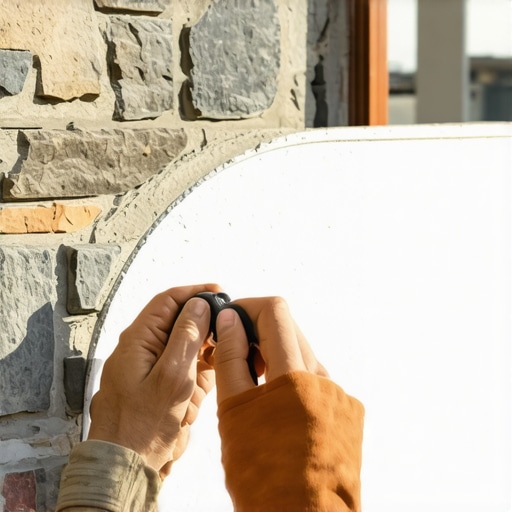
Using a compass to trace a curved siding edge against an uneven stone wall ensures a snug fit and professional look. This simple yet effective technique takes your craftsmanship up a notch, making your deck or pergola appear meticulously built.
When it comes to outdoor decking and structural elements like railing systems and pergolas, many DIY enthusiasts and even professionals often rely on surface-level knowledge, falling prey to misconceptions that can compromise project longevity and aesthetic appeal. Let’s dig deeper into some of these overlooked nuances and myths, so your next project stands out for its quality and durability.
One prevalent myth is that all composite decking is equally resistant to weathering. In reality, not all composite materials are created equal. Some cheaper variants tend to fade, warp, or develop mold faster, especially in direct sunlight or humid climates. As highlighted in recent studies, advanced formulations with UV-resistant additives significantly outperform basic composites. For example, exploring [trends in durable composite decking](https://deckforgebuilders.com/composite-decking-trends-durable-solutions-for-modern-outdoor-living) can reveal better options tailored to your environment.
Regarding railing systems, many assume that standard metal or wood railings suffice for safety—yet overlooking proper spacing and connection points can lead to dangerous failures. A common mistake is using inadequate fasteners or ignoring hidden spacers, which can cause gaps or rattling. The hidden spacer technique, detailed [here](https://deckforgebuilders.com/the-hidden-spacer-secret-for-perfect-railing-gaps), is an often-overlooked step that ensures perfect alignment and safety.
Now, think about pergolas. There’s a misconception that simple framing is sufficient to withstand heavy snow loads or strong winds, especially in colder regions. Advanced homeowners know that incorporating a subtle 2-degree slope on beams dramatically improves water runoff and prevents snow accumulation, extending the structure’s lifespan. For those seeking to elevate their pergola design while ensuring resilience, [innovative pergola roof retrofit](https://deckforgebuilders.com/how-to-retrofit-a-pergola-roof-for-heavy-snow-loads) offers valuable insights.
Let’s also address the advanced mistake of neglecting the importance of precise measurements and scribing around irregular surfaces. Using tools like a Pencil Compass Trick, you can achieve seamless fits that enhance both the visual appeal and integrity of your deck edges. Incorporating these nuanced techniques can turn an average deck into a professional masterpiece.
Finally, an often unnoticed detail involves the interaction between materials and environmental factors. For instance, pressure-treated lumber, while popular, can still warp if not properly installed with adequate spacing and protective flashing, leading to interior rot. A study by structural experts confirms that combining correct flashing practices with cautious material selection significantly prolongs deck life, underscoring the importance of understanding these hidden interactions.
Are you aware of these subtle yet impactful details in your deck or pergola projects? Avoiding these common pitfalls can save you time, money, and ensure safety. Check out [custom railing systems](https://deckforgebuilders.com/transform-your-outdoor-space-custom-railing-systems-for-safety-and-style) and [pergola design ideas](https://deckforgebuilders.com/pergola-designs-that-turn-your-garden-into-a-sanctuary) to further elevate your outdoor space. Have you ever fallen into this trap? Let me know in the comments and share your experience with these advanced tips.Maintaining the beauty and safety of your outdoor structures requires more than just good materials; it demands the right tools tailored to the specific nuances of deck and pergola upkeep. Over the years, I’ve refined my toolkit to include equipment that not only ensures precision but also extends the lifespan of these investments. Let me share some of my proven favorites and explain why they matter.
First, a high-quality oscillating multi-tool has become indispensable. It’s perfect for detailed sanding, removing old caulk, or trimming tight spots around railing posts and joists. I swear by the Fein MultiMaster because its variable speed and versatile attachments make delicate tasks like cleaning out gaps or smoothing composite surfaces effortless. For example, ensuring the correct gap size between decking boards prevents water pooling, a key factor in long-term durability.
Next, I rely heavily on a digital moisture meter. Why? Moisture infiltration is a silent threat leading to rotting or warping, especially in areas prone to humidity. A reliable meter allows me to assess wood and composite health periodically, helping identify problems before they escalate. In my experience, monitoring these levels regularly has saved me from costly repairs down the line.
When it comes to cutting tools, my go-to is a jigsaw equipped with a fine-tooth blade. Precision cuts are essential for fitting complex shapes against irregular surfaces and tight corners. I prefer Dewalt’s corded jigsaw because of its steady power and blade stability, reducing the risk of splintering or uneven edges—crucial when fitting custom railing brackets or pergola braces.
A good cordless impact driver also has a role in maintaining structural integrity. For example, fastening new ledger boards or securing composite decking clips becomes faster and more secure with a tool like the Makita impact driver. Its ease of use minimizes overtightening, which can crack composite materials, and ensures fast, consistent results.
Lighting is often an overlooked aspect of maintenance—both for safety and precision work. I recommend installing LED work lights with adjustable brightness and a stand. Good lighting reveals flaws in cuts, gaps, or surface finishes that might otherwise be missed, especially during late afternoon or shaded spots.
Now, technical insights matter too. According to recent studies, employing a specialized under-deck drainage system can dramatically prolong structure life by preventing water accumulation. For an all-encompassing approach, combining these tools with advanced techniques like sealing all joints with weatherproof sealants can prevent water ingress and reduce maintenance frequency.
Predicting future trends, I believe smart technology will play an increasing role. Imagine sensors embedded in joists or posts that alert you to moisture or structural stress—integrating maintenance with your smartphone. This proactive approach could revolutionize how we care for our outdoor spaces.
How do I maintain deck and pergola systems over time? I recommend scheduling seasonal inspections using my listed tools—checking for loose fasteners, signs of rot, or warping. Applying protective coatings or sealants at regular intervals enhances longevity. Don’t forget, small repairs made early save you from bigger headaches later.
Finally, I encourage you to test one of these tools on your next project. For example, try using a moisture meter to assess your deck’s joist health; it’s an eye-opener that can guide your maintenance plan. Want more tips or specific recommendations? Reach out through my contact page, and let’s keep your outdoor spaces in prime condition for years to come.
Through my journey of designing and building outdoor structures, I’ve uncovered that a little extra attention to detail can dramatically elevate the quality and lifespan of your projects. Small tweaks, like mastering a simple compass trick or understanding material interactions, can save time and prevent costly mistakes. The real secret lies in continuous learning and refining your skills, transforming a basic deck or pergola into a true outdoor sanctuary that stands the test of time.
The Hardest Lesson I Learned About railing systems, pergola, composite decking, deck design
- Complex surfaces demand specialized tools: Relying on basic measurements often leads to poor fits. Embracing tools like a digital moisture meter or a high-quality oscillating multi-tool opened my eyes to the importance of precision.
- Never underestimate environmental effects: Understanding how moisture, sun, and temperature affect materials—especially composites and pressure-treated lumber—prevents failure and extends your structure’s lifespan.
- Perfecting your scribing skills is transformative: The Pencil Compass Trick, coupled with the right setup, ensures your curves and irregular cuts fit seamlessly, elevating your craftsmanship.
- Preventative techniques are your best allies: Installing proper flashing, using the right fasteners, and sealing joints protect your deck from water damage and rot long-term.
- Patience and practice beat shortcuts: Rushing cuts or neglecting detailed measurements can undermine your project’s integrity. I learned to take my time, double-check measurements, and practice on scrap pieces before committing to the real cut.
My Essential Toolkit for Deck and Pergola Mastery
- Fein MultiMaster Oscillating Tool: Its versatility makes delicate tasks effortless, keeping your cuts clean and precise, especially around irregular surfaces.
- Digital Moisture Meter: Early detection of moisture problems saves you from future rot and warping, ensuring your structures last longer.
- Fine-Tooth Jigsaw: Perfect for curved cuts, enabling you to follow your scribbled lines with confidence.
- Impact Driver: Fastens components securely without damaging delicate materials like composite boards.
- LED Work Lights: Brighten your workspace and reveal flaws that could otherwise be overlooked, especially during low-light conditions.
The Future of Your Outdoor Creations
Investing in these tools and techniques isn’t just about today’s project—it’s about setting a foundation for countless future builds. The combination of proper planning, precise craftsmanship, and understanding material science will empower you to create outdoor spaces that are not only beautiful but resilient against the elements. Keep experimenting, stay curious, and don’t hesitate to seek out resources like trends in durable composite decking or custom railing systems that push your skills even further. Your next project is an opportunity to showcase your growth—embrace the challenge with confidence.
Insider Wisdom for Lasting Outdoor Excellence
- Set realistic expectations about material behavior: Understanding how materials like composite or pressure-treated wood react over time helps in planning maintenance and avoiding surprises.
- Small details make a big difference: Features like hidden fasteners, appropriate spacings, and correct slope angles won’t always be visible but greatly impact safety and durability.
- Learn from every project: Reflecting on what went well or failed teaches you valuable lessons that no tutorial can provide. Embrace mistakes as stepping stones.
- Stay updated with evolving techniques: Following industry blogs and expert insights helps you incorporate innovations that can save time and improve quality. For example, exploring why pressure-treated lumber warps can inform better installation practices.
Step Into Your Next Adventure Outdoors
The journey to mastering deck and pergola building is ongoing. With every cut, screw, and seal, you’re honing skills that will serve you for years. Don’t shy away from trying new tools or techniques—each step brings you closer to flawless craftsmanship. Remember, the key isn’t just in building a structure but in creating a durable, beautiful space that reflects your dedication and passion for outdoor living.
What trick or tool has made the biggest difference in your outdoor projects? Share your experience below and inspire others to elevate their craft!