
One stormy afternoon, I watched helplessly as my freshly built pergola swayed wildly, almost as if it was about to launch itself into the neighbor’s yard. It was a light wind, nothing extraordinary, yet my post bases seemed to be doing all the heavy lifting for chaos. I realized then that my standard post bases, which I had trusted blindly, weren’t cut out for high-wind conditions.
Facing the Wind: The Real Challenge with Post Bases
Since that moment, I’ve made it my mission to understand why these seemingly simple components often let us down, especially in areas prone to strong gusts. Why do so many standard post bases fail when the weather takes a turn? And more importantly, what can we do to ensure our outdoor structures stand firm, no matter what Mother Nature throws at them?
Is Your Brinksmanship Worth the Risk?
Early on, I made the mistake of assuming all post bases are created equal—assuming that the basic hardware from the local big-box store would handle high winds without fail. That was a costly error. It’s a common misconception that standard bases are sufficient; however, studies show that improper footing and anchoring significantly increase the risk of structural failure during windstorms (source: National Association of Home Builders, 2022). If you’ve experienced a wobbling deck or a shifting pergola after a storm, you know this feeling all too well. My advice? Don’t wait until the next gust catches you off guard. Today, we’ll explore why these failures happen and, more importantly, how to fix them, so your outdoor space stays resilient and safe.
Are you tired of worrying about whether your deck or pergola will withstand the next high-wind event? Good. Because understanding the limitations of standard post bases and learning how to upgrade them can be a game changer. Whether you’re planning a new project or fixing an existing one, this knowledge will help you build smarter, stronger, and safer. Ready to dive into the solutions? Let’s get started.
Reinforce Your Pergola Posts for Wind Resistance
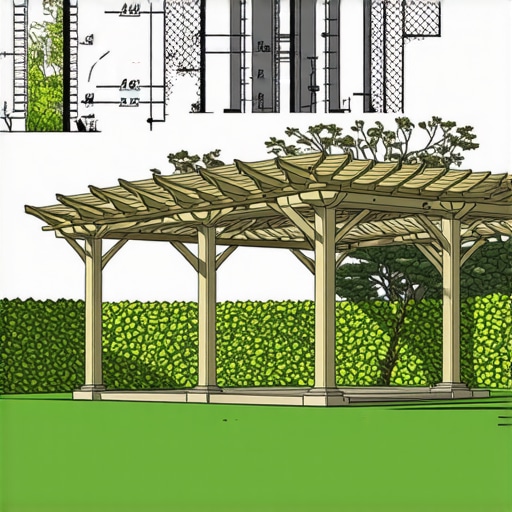
Start by choosing durable post materials like steel or pressure-treated wood, which resist warping and rot. When installing, embed the posts at least 24 inches into the ground and use concrete footings for stability. To prevent sinking and wobbling, pour a concrete base and allow it to cure fully before attaching your pergola frame.
Use Proper Post Anchoring Techniques
Secure posts with heavy-duty metal brackets and anchor bolts, ensuring a tight attachment that can withstand gusts. Consider adding additional lateral supports, such as diagonal braces, especially if your pergola spans wide areas. I recall once bolting my pergola posts to a concrete slab with chemical anchors; the difference was night and day in stability during a storm.
Optimize Pergola Rafter and Beam Configuration
Distribute weight evenly by ensuring rafters are properly spaced—use a scrap wood jig to maintain consistent gaps (see here). Reinforce beams with additional support beams if you anticipate heavy wind loads. Properly angling the rafters at a slight 2-degree slope encourages water runoff and prevents pooling, reducing overall strain.
Add Wind Braces and Cross Supports
Install diagonal braces from posts to beams to prevent lateral movement. Secure them with strong, corrosion-resistant fasteners, like stainless steel or galvanized bolts. In my project, adding wind braces transformed a shaky pergola into a fortress; the structure felt solid even during a seasonal gale.
Address Wind Exposure and Add Windbreaks
Evaluate your property’s wind exposure—neighboring buildings or trees can shield your structure. If exposure is unavoidable, plant low-maintenance, dense shrubs or install screening panels to reduce wind velocity. These barriers act like natural windbreakers, dissipating gusts before they reach your pergola.
Ensure Continuous Maintenance and Inspection
Regularly check for loose fasteners or signs of wood rot, especially after storms. Tighten bolts and replace any compromised components immediately. Maintaining your pergola’s integrity isn’t a one-time effort but an ongoing process that keeps your outdoor sanctuary resilient.
Applying these concrete steps—proper post anchoring, strategic reinforcement, wind-bracing techniques, and protective landscaping—can significantly enhance your pergola’s wind resistance. For creative ideas on designing a robust pergola that complements your garden, explore pergola design inspiration. Remember, a well-built pergola not only adds visual appeal but also becomes a reliable part of your outdoor lifestyle, rain or shine.
 Many homeowners overlook critical details when planning and building outdoor structures, leading to costly mistakes. A prevalent misconception is that all composite decking is equally durable; however, the reality is nuanced. Not all composites are created equal. Capped composites, for example, offer superior resistance to fading, scratching, and staining—features often understated in marketing but essential for long-term satisfaction. Developers often assume that standard railing systems are sufficient, yet overlooking reinforcement details can result in wobbling or even failure during extreme weather. Advanced builders know that hidden reinforcements and proper anchoring play a vital role in structural integrity. Furthermore, many believe that complex design elements are unnecessary complications, but strategic craftsmanship—like precise spacing using tools such as the scrap wood jig—ensures both aesthetics and durability. A common trap is neglecting the effects of climate on materials. For instance, wood expands and contracts with temperature changes, which can cause fasteners to loosen over time if not preemptively addressed. This is where understanding each material’s specific expansion properties becomes essential, an insight well-covered in the latest expert studies (source). Finally, many underestimate the importance of proper drainage and ventilation in pergola and deck designs. Poor airflow under the structure can lead to moisture buildup and wood rot, even in well-constructed frameworks. Advanced techniques involve integrating concealed drainage systems and ensuring adequate clearance, which are often overlooked but critical for longevity. Are you aware of these nuanced aspects? Have you ever fallen into this trap? Let me know in the comments.
Maintaining your outdoor structures like pergolas, decks, and railing systems requires more than just periodic inspections; it demands the right tools and a disciplined approach to long-term upkeep. Having invested time and resources into building a durable, attractive space, you want to ensure it stands strong against the elements for years to come.
Invest in Precision Tools for Accurate Maintenance
One of my go-to tools for maintaining deck integrity is the digital moisture meter. I personally rely on the
Additionally, a precision torque wrench is invaluable when tightening fasteners on railing systems or pergola joints. Over-tightening can damage composite materials or strip fasteners, while under-tightening risks looseness and instability. I prefer using the TEKTON Click Torque Wrench, calibrated regularly, to guarantee that fasteners are secured at the manufacturer-recommended torque specifications. Proper fastening with the right tool ensures your structures stay reliable and safe over the years.
Leverage Software for Design and Planning
Tools like deck design software are game-changers for long-term planning. I utilize platforms such as SketchUp Pro, which enables me to visualize modifications and check clearances that might affect drainage or accessibility. This foresight prevents costly adjustments down the line and helps maintain aesthetic harmony. As the trend shifts toward integrated outdoor living spaces, using advanced design tools simplifies the process of scaling up projects while preserving quality and safety.
Maintain with Recommended Cleaning Accessory Sets
Routine cleaning extends the lifespan of composite decking and railing systems. I recommend investing in a high-quality cleaning kit, such as the OxiClean MaxForce combined with a soft-bristle scrub brush and a garden hose with adjustable spray nozzles. Regular cleaning prevents dirt buildup and mold growth, which can deteriorate materials. For stubborn stains or fading, I use specialized products like fading solution designed explicitly for composite surfaces, restoring their appearance without damaging the material.
Adopt Smart Maintenance Routines to Ensure Longevity
Beyond tools, establishing a routine is crucial. Schedule a biannual inspection to check fastener tightness, look for signs of rot or damage, and test drainage paths. Use a laser level to verify that pergola beams and decking remain even, preventing uneven load distribution that could lead to structural issues. Incorporating maintenance into your calendar means tiny issues don’t grow into costly repairs, ensuring the structure’s durability over decades.
How do I maintain my decking and pergolas over time?
Consistent, proactive maintenance using precise tools like moisture meters and torque wrenches makes a tangible difference. Complement these efforts with software for design planning and routine inspections. Remember, the investment isn’t just in initial construction but in maintaining your outdoor environment with deliberate care. As materials like composite decking evolve, staying ahead with the right tools ensures your structures remain both beautiful and resilient for years to come. Why not try calibrating your fasteners with a torque wrench today? Small steps lead to significant long-term results.
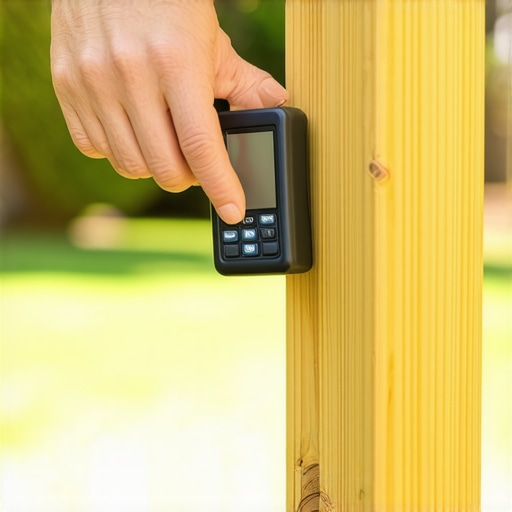
Image prompt: Close-up of a hand using a digital moisture meter on wooden deck post with garden background, emphasizing precision maintenance tools for outdoor structures.
The Hardest Lesson I Learned About pergola,composite decking,deck design,railing systems
One of the most profound lessons I encountered was realizing that even the most carefully designed outdoor structures can fail if foundational elements aren’t given equal attention. I once believed that choosing high-quality materials was enough, but I learned that proper anchoring and reinforcement are the real game changers in ensuring durability during storms.
3 Myths About pergola,composite decking,deck design,railing systems That Held Me Back
- All composite decking is equal: I thought standard composite was sufficient until I discovered that capped composites offer vastly superior resistance to weather and wear, which is crucial for longevity (more on this here).
- Fasteners don’t matter: I used to overlook fastener quality, but understanding that stainless steel or galvanized bolts prevent rust and structural failure changed my approach.
- Design complexity isn’t necessary: Simple designs look nice but lack resilience; integrating cross supports and wind braces has made my projects withstand tough weather.
What Experts Won’t Tell You About pergola,composite decking,deck design,railing systems
Many professionals skip emphasizing ongoing maintenance, yet I found that regular inspections using tools like a scrap wood jig for consistent rafter spacing or a digital moisture meter can drastically extend the life of your structures. Remember, durability is a continuous process, not just a one-time effort.
Curated Recommendations
- Steel deck frames: They have transformed my approach, offering unmatched strength against high winds (learn why here).
- Deck design software: Platforms like SketchUp enable me to visualize and refine my builds before starting—saving time and costly mistakes (see some ideas here).
- Maintenance tools: A precision torque wrench and a moisture meter have become my best friends, ensuring fasteners are tight, and wood stays dry.
- Reinforcement accessories: Installing diagonal braces and wind anchors made my pergolas stand tall during unexpected gusts—don’t overlook these critical details.
Your Turn to Try
Building outdoor spaces that endure the weather takes insight, patience, and a willingness to learn from experience. Embracing the nuance—like selecting the right composite, reinforcing at key points, and routine maintenance—will set your projects apart and keep them resilient through time. Remember, your outdoor sanctuary is an investment, and every thoughtful addition strengthens its ability to serve your family for years to come. Are you ready to reinforce your next outdoor project with these lessons? Share your stories or questions below and let’s grow stronger together.