
I’ll never forget the day I watched my carefully constructed pergola sway ominously in a gust of wind, fear creeping in as I realized it could topple if I didn’t act fast. That lightbulb moment made me dive deeper into structural stability—and I discovered a simple yet effective trick known as the diagonal bracing move. It’s amazing how a single technique can transform your outdoor space from a shaky structure to a sturdy sanctuary.
Why Stability Matters More Than You Think
When I first built my pergola, I focused a lot on aesthetics and size, little noting how crucial proper bracing is. Turns out, without the right support, even a well-designed pergola can become a safety hazard—especially in windy areas or if it’s supporting heavy plants or hanging lights. I learned this the hard way, and so did many others who neglected this step. The good news? Fixing these problems is often easier than you imagine.
Could Your Pergola Be Ready to Tip?
Have you ever felt that unsettling wobble when the wind picks up? Or perhaps you’ve noticed your pergola leaning slightly to one side? These are early warning signs that your structure might be at risk. Early intervention with the right diagonal bracing technique can save you from costly repairs or dangerous collapses. That’s why I want to share my experience and the straightforward move that stopped my pergola from becoming a victim of the elements.
It’s worth noting that according to the National Center for Biotechnology Information, proper structural support not only prolongs the life of outdoor structures but also ensures safety for everyone enjoying your backyard oasis.
Now, let’s explore how you can apply this move to your own pergola, making it resilient against nature’s toughest challenges.
Secure Your Pergola with Diagonal Bracing
After witnessing my pergola wobble dangerously during a gust, I realized the importance of stabilizing support. To reinforce my structure, I decided to install diagonal braces, akin to adding the last piece in a puzzle that anchors everything in place. Here’s how I executed this fix with precision and simplicity.
Gather Your Materials and Tools
Start with sturdy lumber—2x4s or 2x6s depending on your pergola size—and essential tools: a saw, drill, measuring tape, and level. Remember, quality materials ensure durability, especially if your area experiences high winds. I found that pre-marked brace placements made the process smoother and more accurate.
Decide on the Brace Placement
Position the braces at each corner, connecting the top and bottom posts diagonally to prevent sway. Think of it like adding internal shock absorbers to a vehicle; it stabilizes and absorbs movement. I made a quick sketch and measured to ensure perfect angles—roughly 45 degrees—so that the braces would resist lateral forces effectively.
Cut and Prepare the Braces
Cut the lumber to length, ensuring each end is cut at the correct angle for a tight fit. To do this accurately, I used a angle finder and the pencil compass trick from this method—scribing the cut line directly onto the wood. This approach prevented guesswork and ensured snug fits between the post and support beams.
Attach the Diagonal Supports
Pre-drill holes to prevent splitting, then secure each brace with galvanized lag bolts—tightening firmly but not over-tightening, which could crack the wood. I used a level to verify that each brace was straight, adjusting as needed. Be mindful of the placement—if you or a helper hold the brace temporarily, you can double-check the angle and position before fastening fully.
Double-Check Your Work
Once all braces are installed, inspect each connection for stability. Shake each corner gently; the structure should feel solid. I also took the extra step of applying weatherproof sealant to the exposed wood—this not only prolongs durability but also maintains the aesthetic appeal. If you’d like to explore more structural fixes, the hidden bracket trick can be a game-changer for supporting heavy features without visible supports.
Observe the Results
Applying diagonal bracing transformed my wobbly pergola into a sturdy, wind-resistant structure. The process was straightforward, and I appreciated how each step built upon the last—like assembling a reliable backbone for my outdoor oasis. For more ideas on enhancing your design and structural integrity, explore pergola designs that marry form and function seamlessly.
Many homeowners and even some professionals hold onto myths about composite decking and outdoor structures that can lead to costly mistakes. One prevalent misconception is that composite decking is entirely maintenance-free. While true to some extent, many overlook the importance of selecting the right type of composite and understanding its limitations. For example, many assume that all composite boards are equally resistant to scratches, stains, and fading. However, research from industry experts indicates that uv-stabilized capped composites tend to perform significantly better over time, especially in harsh sunlight conditions.
Why Does Oversimplification Hurt Your Outdoor Projects?
The truth is, not all composite materials are created equal; choosing the cheapest option might save money initially but can result in early discoloration or surface damage. Moreover, many neglect the necessity of proper installation techniques, which are critical for ensuring longevity. Improper fastening, for instance, can lead to squeaking, warping, or buckling—issues that are often mistaken for defects but are actually installation flaws. When it comes to pergolas, a common mistake is overestimating the load-bearing capacity without considering wind and snow loads. Oversights here can cause structural failure, especially if the design relies solely on aesthetic appeal rather than engineering principles. The use of appropriate reinforcement and understanding local wind patterns are essential; otherwise, the structure could sway, shake, or worse, collapse. Railing systems are no different. Many believe that standard bolts suffice for heavy-duty safety, but a hidden nuance lies in the type of hardware used. High-quality, corrosion-resistant fasteners and proper spacing are vital for maintaining tension and preventing loosening over time. For instance, applying the ‘hidden bracket’ technique ensures your railing remains sturdy against seasons of weather changes, as detailed in our elaborate guide. Thinking screens or glass panels are simply decorative often leads to overlooking the significance of anchoring mechanisms that can withstand high wind pressures. External forces, like gusty winds, can cause panels to rattle or even fail if not anchored correctly. To navigate these complexities, consider consulting with experts or thoroughly researching manufacturer guidelines, ensuring your outdoor structures are both beautiful and resilient. Remember, skipping nuanced details today can lead to major repairs or safety hazards tomorrow.
How can Advanced Techniques Elevate Your Deck and Pergola Designs?
Incorporating innovative methods, such as strategic reinforcement or custom-designed supports, can significantly extend the lifespan of your outdoor setup. For example, integrating advanced design ideas not only enhances aesthetic appeal but also improves structural integrity. Don’t fall into the trap of beneathestimating these details—your backyard oasis depends on it. Want practical tips and expert insights? Visit our contact page for personalized assistance. Have you ever fallen into this trap? Let me know in the comments.
Keeping It Working: Tools and Methods for Long-Term Success
Maintaining your outdoor structures like decks and pergolas isn’t a one-and-done task; it’s an ongoing process that ensures safety, appearance, and durability. Having the right tools and understanding their proper use will make this upkeep manageable and even enjoyable. Over the years, I’ve refined my toolkit, investing in specific equipment that delivers precision and reliability, helping me save both time and money.
Precision Measuring Tools for Consistent Results
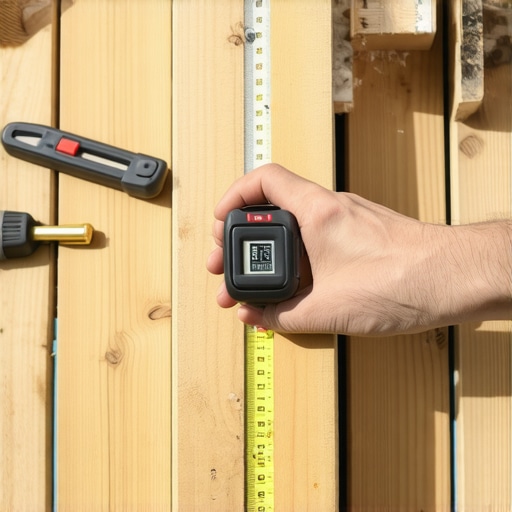
For any maintenance or installation, accurate measurements are non-negotiable. I recommend a high-quality digital laser distance meter, like the Leica Disto series, which provides quick and precise readings up to 200 feet. This device eliminates guesswork, especially when checking for levelness or verifying spacing during railing repairs. Its ease of use has significantly improved my workflow, allowing me to spot issues before they become costly problems.
Power Equipment for Efficient Repairs
A corded or cordless rotary hammer drill with a chipping function is invaluable when removing old fasteners or repairing damaged wood. I personally favor models with brushless motors, such as the Milwaukee M18 Fuel series, for their durability and longer battery life. Paired with a set of specialized bits—like spade bits for drilling through thick composite or cedar—you can tackle most repair jobs swiftly. Remember, proper drill bit maintenance ensures clean, precise holes that hold fasteners securely, ultimately extending the lifespan of your structures.
Specialized Fasteners and Hardware
Using high-quality, corrosion-resistant fasteners is crucial for longevity. I recommend stainless steel or hot-dipped galvanized bolts and screws, especially for exterior projects exposed to the elements. For railings, I prefer hidden fasteners like clips and brackets designed for composite decking, which reduce surface wear and provide cleaner aesthetics. Incorporating these ensures your deck and railing system withstand seasonal changes without loosening or rusting.
Power Sanders and Surface Prep Devices
Keeping your wood surfaces smooth not only enhances appearance but also prevents splintering. A random orbital sander with adjustable grit settings helps remove scratches or weathered layers efficiently. I find starting with a coarse grit to strip old stain or paint, then moving to finer grits for finishing, produces a professional look. Proper surface prep also improves adhesion when applying sealants or stains, vital for long-term maintenance.
Software and Planning Tools for Better Design and Upkeep
Embracing digital tools like SketchUp or DeckDesign.com is a game-changer. These programs allow me to visualize modifications, plan repairs, or even redesign sections of my deck with accuracy. Regularly reviewing your designs helps spot potential issues early, especially when considering adding features like custom railing systems or pergola modifications. Keeping digital records of your projects facilitates easier maintenance and upgrades down the line.
Looking ahead, the trend in outdoor structure maintenance leans toward smart technology integration. Things like laser measurement devices that connect to smartphones or sensors embedded in wooden posts to monitor stability are becoming more affordable and accessible. Adopting these innovations now can set your outdoor space apart and save you significant effort in the future.
How do I maintain my deck and pergola over time?
Consistent inspection and cleaning are your first steps. Regularly check for loose fasteners, weathered wood, or signs of rot, especially in hidden areas. Use the appropriate tools—like a silicone-based weatherproof sealant, which I apply annually after cleaning—to protect surfaces. Also, consider re-staining or sealing your wood every few years; this preserves color and resistance against moisture. For detailed guidance on choosing the right maintenance schedule, visit our custom railing systems page to explore options tailored for durability and style.
Remember, investing in the right tools and adopting a routine maintenance plan will keep your outdoor structures safe, beautiful, and functional for years to come. Try implementing one of these advanced techniques—like using a laser distance meter for regular checks—and you’ll notice the difference in your project’s longevity and ease of upkeep.
< >
>
The Hardest Lesson I Learned About composite decking,pergola,deck design,railing systems
The most challenging insight I encountered was realizing that aesthetic choices shouldn’t overshadow structural safety. I once focused solely on beautiful wood grains and sleek finishes, neglecting the importance of reinforcement, which nearly led to a costly failure. That experience taught me to prioritize support strategies, like diagonal bracing and proper load calculations, early in every project.
3 Myths About composite decking,pergola,deck design,railing systems That Held Me Back
One false belief was that all composite materials are maintenance-free—this myth caused me to overlook the significance of choosing UV-stabilized, capped composites for longevity. Another was believing standard fasteners are sufficient; I found that corrosion-resistant, high-quality hardware dramatically extends the life of railings and joints. Lastly, I assumed that intricate designs complicate stability—simplicity in design, combined with proper techniques, yields durable, attractive structures.
What Experts Won’t Tell You About composite decking,pergola,deck design,railing systems
An often-unspoken tip is the importance of precise measurements—tools like laser distance meters prevent costly errors. Also, seasoned professionals emphasize that hidden reinforcement, such as internal bracing, is key to resisting wind loads. Lastly, understanding local environmental factors enables better material selection and supports, ensuring your outdoor oasis remains safe and stunning over time.
Where to Go from Here
If you’re inspired to elevate your outdoor space, consider exploring innovative design ideas to combine beauty and resilience—check out our deck design inspirations. Invest in quality tools and materials, and don’t hesitate to seek professional advice when needed. Remember, thoughtful planning and attention to detail today will reward you with a durable, inviting outdoor sanctuary for years to come.
Your Turn to Try
Have you ever experienced a moment where a small correction prevented a big structural issue? Share your stories or questions below—I’d love to hear how you’re making your outdoor projects safer and more beautiful!
}#}#}**}#}#}**}#}#}**}**}**}**}#}#}**}#}#}**}#}#}**}**}**}#}#}**}#}#}**}#}#}**}**}**}#}#}**}#}#}**}#}#}**}**}**}#}#}**}#}#}**}#}#}**}**}**}#}#}**}#}#}**}#}#}**}**}**}#}#}**}#}#}**}#}#}**}**}**}#}#}**}#}#}**}#}#}**}**}**}#}#}**}#}#}**}#}#}**}**}**}#}#}**}#}#}**}#}#}**}**}**}#}#}**}#}#}**}#}#}**}**}**}#}#}**}#}#}**}#}#}**}**}**}#}#}**}#}#}**}#}#}**}**}**}#}#}**}#}#}**}#}#}**}**}**}#}#}**}#}#}**}#}#}**}**}**}#}#}**}#}#}**}#}#}**}**}**}#}#}**}#}#}**}#}#}**}**}**}#}#}**}#}#}**}#}#}**}**}**}#}#}**}#}#}**}#}#}**}**}**}#}#}**}#}#}**}#}#}**}**}**}#}#}**}#}#}**}#}#}**}**}**}#}#}**}#}#}**}#}#}**}**}**}#}#}**}#}#}**}#}#}**}**}**}#}#}**}#}#}**}#}#}**}**}**}#}#}**}#}#}**}#}#}**}**}**}#}#}**}#}#}**}#}#}**}**}**}#}#}**}#}#}**}#}#}**}**}**}#}#}**}#}#}**}#}#}**}**}**}#}#}**}#}#}**}#}#}**}**}**}#}#}**}#}#}**}#}#}**}**}**}#}#}**}#}#}**}#}#}**}**}**}#}#}**}#}#}**}#}#}**}**}**}#}#}**}#}#}**}#}#}**}**}**}#}#}**}#}#}**}#}#}**}**}**}#}#}**}#}#}**}#}#}**}**}**}#}#}**}#}#}**}#}#}**}**}**}#}#}**}#}#}**}#}#}**}**}**}#}#}**}#}#}**}#}#}**}**}**}#}#}**}#}#}**}#}#}**}**}**}#}#}**}#}#}**}#}#}**}**}**}#}#}**}#}#}**}#}#}**}**}**}#}#}**}#}#}**}#}#}**}**}**}#}#}**}#}#}**}#}#}**}**}**}#}#}**}#}#}**}#}#}**}**}**}#}#}**}#}#}**}#}#}**}**}**}#}#}**}#}#}**}#}#}**}**}**}#}#}**}#}#}**}#}#}**}**}**}#}#}**}#}#}**}#}#}**}**}**}#}#}**}#}#}**}#}#}**}**}**}#}#}**}#}#}**}#}#}**}**}**}#}#}**}#}#}**}#}#}**}**}**}#}#}**}#}#}**}#}#}**}**}**}#}#}**}#}#}**}#}#}**}**}**}#}#}**}#}#}**}#}#}**}**}**}#}#}**}#}#}**}#}#}**}**}**}#}#}**}#}#}**}#}#}**}**}**}#}#}**}#}#}**}#}#}**}**}**}#}#}**}#}#}**}#}#}**}**}**}#}#}**}#}#}**}#}#}**}**}**}#}#}**}#}#}**}#}#}**}**}**}#}#}**}#}#}**}#}#}**}**}**}#}#}**}#}#}**}#}#}**}**}**}#}#}**}#}#}**}#}#}**}**}**}#}#}**}#}#}**}#}#}**}**}**}#}#}**}#}#}**}#}#}**}**}**}#}#}**}#}#}**}#}#}**}**}**}#}#}**}#}#}**}#}#}**}**}**}#}#}**}#}#}**}#}#}**}**}**}#}#}**}#}#}**}#}#}**}**}**}#}#}**}#}#}**}#}#}**}**}**}#}#}**}#}#}**}#}#}**}**}**}#}#}**}#}#}**}#}#}**}**}**}#}#}**}#}#}**}#}#}**}**}**}#}#}**}#}#}**}#}#}**}**}**}#}#}**}#}#}**}#}#}**}**}**}#}#}**}#}#}**}#}#}**}**}**}#}#}**}#}#}**}#}#}**}**}**}#}#}**}#}#}**}#}#}**}**}**}#}#}**}#}#}**}#}#}**}**}**}#}#}**}#}#}**}#}#}**}**}**}#}#}**}#}#}**}#}#}**}**}**}#}#}**}#}#}**}#}#}**}**}**}#}#}**}#}#}**}#}#}**}**}**}#}#}**}#}#}**}#}#}**}**}**}#}#}**}#}#}**}#}#}**}**}**}#}#}**}#}#}**}#}#}**}**}**}#}#}**}#}#}**}#}#}**}**}**}#}#}**}#}#}**}#}#}**}**}**}#}#}**}#}#}**}#}#}**}**}**}#}#}**}#}#}**}#}#}**}**}**}#}#}**}#}#}**}#}#}**}**}**}#}#}**}#}#}**}#}#}**}**}**}#}#}**}#}#}**}#}#}**}**}**}#}#}**}#}#}**}#}#}**}**}**}#}#}**}#}#}**}#}#}**}**}**}#}#}**}#}#}**}#}#}**}**}**}#}#}**}#}#}**}#}#}**}**}**}#}#}**}#}#}**}#}#}**}**}**}#}#}**}#}#}**}#}#}**}**}**}#}#}**}#}#}**}#}#}**}**}**}#}#}**}#}#}**}#}#}**}**}**}#}#}**}#}#}**}#}#}**}**}**}#}#}**}#}#}**}#}#}**}**}**}#}#}**}#}#}**}#}#}**}**}**}#}#}**}#}#}**}#}#}**}**}**}#}#}**}#}#}**}#}#}**}**}**}#}#}**}#}#}**}#}#}**}**}**}#}#}**}#}#}**}#}#}**}**}**}#}#}**}#}#}**}#}#}**}**}**}#}#}**}#}#}**}#}#}**}**}**}#}#}**}#}#}**}#}#}**}**}**}#}#}**}#}#}**}#}#}**}**}**}#}#}**}#}#}**}#}#}**}**}**}#}#}**}#}#}**}#}#}**}**}**}#}#}**}#}#}**}#}#}**}**}**}#}#}**}#}#}**}#}#}**}**}**}#}#}**}#}#}**}#}#}**}**}**}#}#}**}#}#}**}#}#}**}**}**}#}#}**}#}#}**}#}#}**}**}**}#}#}**}#}#}**}#}#}**}**}**}#}#}**}#}#}**}#}#}**}**}**}#}#}**}#}#}**}#}#}**}**}**}#}#}**}#}#}**}#}#}**}**}**}#}#}**}#}#}**}#}#}**}**}**}#}#}**}#}#}**}#}#}**}**}**}#}#}**}#}#}**}#}#}**}**}**}#}#}**}#}#}**}#}#}**}**}**}#}#}**}#}#}**}#}#}**}**}**}#}#}**}#}#}**}#}#}**}**}**}#}#}**}#}#}**}#}#}**}**}**}#}#}**}#}#}**}#}#}**}**}**}#}#}**}#}#}**}#}#}**}**}**}#}#}**}#}#}**}#}#}**}**}**}#}#}**}#}#}**}#}#}**}**}**}#}#}**}#}#}**}#}#}**}**}**}#}#}**}#}#}**}#}#}**}**}**}#}#}**}#}#}**}#}#}**}**}**}#}#}**}#}#}**}#}#}**}**}**}#}#}**}#}#}**}#}#}**}**}**}#}#}**}#}#}**}#}#}**}**}**}#}#}**}#}#}**}#}#}**}**}**}#}#}**}#}#}**}#}#}**}**}**}#}#}**}#}#}**}#}#}**}**}**}#}#}**}#}#}**}#}#}**}**}**}#}#}**}#}#}**}#}#}**}**}**}#}#}**}#}#}**}#}#}**}**}**}#}#}**}#}#}**}#}#}**}**}**}#}#}**}#}#}**}#}#}**}**}**}#}#}**}#}#}**}#}#}**}**}**}#}#}**}#}#}**}#}#}**}**}**}#}#}**}#}#}**}#}#}**}**}**}#}#}**}#}#}**}#}#}**}**}**}#}#}**}#}#}**}#}#}**}**}**}#}#}**}#}#}**}#}#}**}**}**}#}#}**}#}#}**}#}#}**}**}**}#}#}**}#}#}**}#}#}**}**}**}#}#}**}#}#}**}#}#}**}**}**}#}#}**}#}#}**}#}#}**}**}**}#}#}**}#}#}**}#}#}**}**}**}#}#}**}#}#}**}#}#}**}**}**}#}#}**}#}#}**}#}#}**}**}**}#}#}**}#}#}**}#}#}**}**}**}#}#}**}#}#}**}#}#}**}**}**}#}#}**}#}#}**}#}#}**}**}**}#}#}**}#}#}**}#}#}**}**}**}#}#}**}#}#}**}#}#}**}**}**}#}#}**}#}#}**}#}#}**}**}**}#}#}**}#}#}**}#}#}**}**}**}#}#}**}#}#}**}#}#}**}**}**}#}#}**}#}#}**}#}#}**}**}**}#}#}**}#}#}**}#}#}**}**}**}#}#}**}#}#}**}#}#}**}**}**}#}#}**}#}#}**}#}#}**}**}**}#}#}**}#}#}**}#}#}**}**}**}#}#}**}#}#}**}#}#}**}**}**}#}#}**}#}#}**}#}#}**}**}**}#}#}**}#}#}**}#}#}**}**}**}#}#}**}#}#}**}#}#}**}**}**}#}#}**}#}#}**}#}#}**}**}**}#}#}**}#}#}**}#}#}**}**}**}#}#}**}#}#}**}#}#}**}**}**}#}#}**}#}#}**}#}#}**}**}**}#}#}**}#}#}**}#}#}**}**}**}#}#}**}#}#}**}#}#}**}**}**}#}#}**}#}#}**}#}#}**}**}**}#}#}**}#}#}**}#}#}**}**}**}#}#}**}#}#}**}#}#}**}**}**}#}#}**}#}#}**}#}#}**}**}**}#}#}**}#}#}**}#}#}**}**}**}#}#}**}#}#}**}#}#}**}**}**}#}#}**}#}#}**}#}#}**}**}**}#}#}**}#}#}**}#}#}**}**}**}#}#}**}#}#}**}#}#}**}**}**}#}#}**}#}#}**}#}#}**}**}**}#}#}**}#}#}**}#}#}**}**}**}#}#}**}#}#}**}#}#}**}**}**}#}#}**}#}#}**}#}#}**}**}**}#}#}**}#}#}**}#}#}**}**}**}#}#}**}#}#}**}#}#}**}**}**}#}#}**}#}#}**}#}#}**}**}**}#}#}**}#}#}**}#}#}**}**}**}#}#}**}#}#}**}#}#}**}**}**}#}#}**}#}#}**}#}#}**}**}**}#}#}**}#}#}**}#}#}**}**}**}#}#}**}#}#}**}#}#}**}**}**}#}#}**}#}#}**}#}#}**}**}**}#}#}**}#}#}**}#}#}**}**}**}#}#}**}#}#}**}#}#}**}**}**}#}#}**}#}#}**}#}#}**}**}**}#}#}**}#}#}**}#}#}**}**}**}#}#}**}#}#}**}#}#}**}**}**}#}#}**}#}#}**}#}#}**}**}**}#}#}**}#}#}**}#}#}**}**}**}#}#}**}#}#}**}#}#}**}**}**}#}#}**}#}#}**}#}#}**}**}**}#}#}**}#}#}**}#}#}**}**}**}#}#}**}#}#}**}#}#}**}**}**}#}#}**}#}#}**}#}#}**}**}**}#}#}**}#}#}**}#}#}**}**}**}#}#}**}#}#}**}#}#}**}**}**}#}#}**}#}#}**}#}#}**}**}**}#}#}**}#}#}**}#}#}**}**}**}#}#}**}#}#}**}#}#}**}**}**}#}#}**}#}#}**}#}#}**}**}**}#}#}**}#}#}**}#}#}**}**}**}#}#}**}#}#}**}#}#}**}**}**}#}#}**}#}#}**}#}#}**}**}**}#}#}**}#}#}**}#}#}**}**}**}#}#}**}#}#}**}#}#}**}**}**}#}#}**}#}#}**}#}#}**}**}**}#}#}**}#}#}**}#}#}**}**}**}#}#}**}#}#}**}#}#}**}**}**}#}#}**}#}#}**}#}#}**}**}**}#}#}**}#}#}**}#}#}**}**}**}#}#}**}#}#}**}#}#}**}**}**}#}#}**}#}#}**}#}#}**}**}**}#}#}**}#}#}**}#}#}**}**}**}#}#}**}#}#}**}#}#}**}**}**}#}#}**}#}#}**}#}#}**}**}**}#}#}**}#}#}**}#}#}**}**}**}#}#}**}#}#}**}#}#}**}**}**}#}#}**}#}#}**}#}#}**}**}**}#}#}**}#}#}**}#}#}**}**}**}#}#}**}#}#}**}#}#}**}**}**}#}#}**}#}#}**}#}#}**}**}**}#}#}**}#}#}**}#}#}**}**}**}#}#}**}#}#}**}#}#}**}**}**}#}#}**}#}#}**}#}#}**}**}**}#}#}**}#}#}**}#}#}**}**}**}#}#}**}#}#}**}#}#}**}**}**}#}#}**}#}#}**}#}#}**}**}**}#}#}**}#}#}**}#}#}**}**}**}#}#}**}#}#}**}#}#}**}**}**}#}#}**}#}#}**}#}#}**}**}**}#}#}**}#}#}**}#}#}**}**}**}#}#}**}#}#}**}#}#}**}**}**}#}#}**}#}#}**}#}#}**}**}**}#}#}**}#}#}**}#}#}**}**}**}#}#}**}#}#}**}#}#}**}**}**}#}#}**}#}#}**}#}#}**}**}**}#}#}**}#}#}**}#}#}**}**}**}#}#}**}#}#}**}#}#}**}**}**}#}#}**}#}#}**}#}#}**}**}**}#}#}**}#}#}**}#}#}**}**}**}#}#}**}#}#}**}#}#}**}**}**}#}#}**}#}#}**}#}#}**}**}**}#}#}**}#}#}**}#}#}**}**}**}#}#}**}#}#}**}#}#}**}**}**}#}#}**}#}#}**}#}#}**}**}**}#}#}**}#}#}**}#}#}**}**}**}#}#}**}#}#}**}#}#}**}**}**}#}#}**}#}#}**}#}#}**}**}**}#}#}**}#}#}**}#}#}**}**}**}#}#}**}#}#}**}#}#}**}**}**}#}#}**}#}#}**}#}#}**}**}**}#}#}**}#}#}**}#}#}**}**}**}#}#}**}#}#}**}#}#}**}**}**}#}#}**}#}#}**}#}#}**}**}**}#}#}**}#}#}**}#}#}**}**}**}#}#}**}#}#}**}#}#}**}**}**}#}#}**}#}#}**}#}#}**}**}**}#}#}**}#}#}**}#}#}**}**}**}#}#}**}#}#}**}#}#}**}**}**}#}#}**}#}#}**}#}#}**}**}**}#}#}**}#}#}**}#}#}**}**}**}#}#}**}#}#}**}#}#}**}**}**}#}#}**}#}#}**}#}#}**}**}**}#}#}**}#}#}**}#}#}**}**}**}#}#}**}#}#}**}#}#}**}**}**}#}#}**}#}#}**}#}#}**}**}**}#}#}**}#}#}**}#}#}**}**}**}#}#}**}#}#}**}#}#}**}**}**}#}#}**}#}#}**}#}#}**}**}**}#}#}**}#}#}**}#}#}**}**}**}#}#}**}#}#}**}#}#}**}**}**}#}#}**}#}#}**}#}#}**}**}**}#}#}**}#}#}**}#}#}**}**}**}#}#}**}#}#}**}#}#}**}**}**}