
One summer afternoon, I was meticulously building a heavy-duty bench on my deck, eager to add that perfect touch of rustic charm. As I tried to position the final plank, I realized: it was just a few inches off. No matter how I adjusted, the brackets didn’t sit flush. Frustration grew. That’s when I had my lightbulb moment—something I now call the Hidden Bracket Move. It’s a simple trick, yet it transformed my entire approach to deck and bench installation.
Why This Small Adjustment Can Save Your Project
If you’ve ever struggled with heavy decking or bench brackets that refuse to sit perfectly, you know the pain of trying to hide unsightly hardware or compensate for uneven surfaces. These small misalignments can make your finished project look amateurish or, worse, compromise its stability. Over time, I learned that mastering the hidden bracket move isn’t just about aesthetics; it’s about building strength and confidence in your DIY skills.
Many beginners—myself included—fall into the trap of assuming that hardware should be perfectly aligned right from the start. But the truth is, small inconsistencies can be *corrected* with a smart, efficient technique. This move allows you to hide brackets behind the material, creating a sleek, professional look without sacrificing structural integrity.
Trust me, I made a costly mistake early on by ignoring the importance of precise bracket placement. I thought tightening everything was enough. Instead, I ended up with wobbly benches and visible hardware I had to hide later. That experience taught me the value of a strategic approach early in the process, and I want to share that with you now.
Could this be a game-changer for your deck or bench project?
If you’ve faced similar frustrations or are about to tackle a heavy-duty build, keep reading. I’ll walk you through the step-by-step method I’ve perfected—an approach that saves time, enhances durability, and maintains a clean finish. Ready to stop fighting your hardware and start building with confidence? Let’s dive into the details.
Secure Your Brackets Before Attaching the Decking
Begin by positioning your brackets precisely, then secure them loosely with a few screws. This allows minor adjustments without fully tightening, giving you flexibility. I remember during a recent pergola build, I temporarily fixed the posts with clamps and adjusted each until they were perfectly aligned. This prevents misalignment when you finally tighten everything down, resulting in a clean look and stable structure.
Use Shims to Fine-Tune Alignment
Insert thin shims behind brackets or between the frame and posts to correct slight offsets. This step is crucial when working with uneven surfaces or warped lumber. During my project last month, I used cardboard strips as shims under the brackets, achieving a perfectly level deck surface. Once in position, tighten the screws firmly to lock everything in place—this ensures your brackets stay hidden behind the finished surface and your structure remains sturdy.
Hide the Hardware with the Material
After securing the brackets loosely and adjusting their positions, install the decking boards or railing components last. For composite decking, leave a small gap (about 1/8 inch) to allow expansion, then fasten the boards snugly, hiding the brackets underneath. I once found that overlay magnets or hidden fasteners can help keep the boards tight against the frame, preventing visible hardware and gaps. This layering technique conceals unsightly hardware and creates a sleek, professional appearance.
Create a Consistent Visual Flow
Align your boards carefully, staggering the seams if possible, and use spacers for uniform gaps. When installing railing posts on narrow joists, offset brackets away from the posts to prevent visible hardware, using the offset bracket trick. During a recent project, I offset the railing posts just enough to hide the brackets entirely behind the cap pieces, resulting in a clean, seamless look that impressed the homeowners.
Double-Check Before Final Tightening
Always review the entire setup—check levels, alignments, and spacing. Use a carpenter’s level or a string line to ensure straightness across the structure. In my last deck build, I found that a quick double-check with a laser level saved me from uneven surfaces and misaligned railing posts, which are harder to fix once the decking is fully laid down. Tighten all screws confidently once satisfied with the positioning, ensuring all hardware remains hidden and the structure is rock-solid.
Final Tips for a Flawless Finish
Clean off any excess shims or sawdust, and inspect every connection. If necessary, apply a touch of paint or stain to the brackets to match your decking color, further concealing them. Remember, patience during the adjustment phase results in a polished, professional-looking deck or pergola that will stand the test of time and weather. Feel free to explore additional tricks like the bracket-shaking fix to ensure stability against outdoor elements. Small details make a big difference—take your time, and your project will reflect that craftsmanship.
What You’re Missing About Composite Decking
Many seasoned DIYers and even professionals often overlook the nuanced differences between composite decking brands and installation techniques. A prevalent myth is that all composite boards behave similarly under sunlight and temperature fluctuations—which isn’t true. In reality, certain brands are prone to faster fading or warping if not installed with proper expansion gaps and ventilation, as highlighted in recent industry analyses. Exploring the latest trends reveals that choosing high-quality composites and understanding their nuanced behavior can make or break your project’s lifespan.
Another misconception involves ignoring the importance of proper fastening methods. Many assume that hidden fasteners are foolproof, but improper installation can lead to mushrooming holes or gaps over time. Using the right tools and techniques—like the hidden spacer trick—ensures a consistent, professional finish. Remember, patience during installation prevents costly repairs down the line.
Beware the Deck Design Trap
When it comes to deck design, a common mistake is neglecting the importance of proper slope drainage and load distribution. For instance, building a deck with a flat surface without considering runoff can result in standing water, leading to premature rot and structural compromise. Consultants suggest integrating a slope of about 1-2% to facilitate runoff and avoid water pooling.
Advanced builders know that considering the wind load and foundational stability is vital, especially for pergolas and open railings. An overlooked detail—such as the anchoring system—can cause sway or even collapse during storm conditions. Using steel anchors and diagonal bracing enhances stability significantly, a fact supported by professional recommendations.
Perfect your Pergola and Railing Installations
Many installers focus solely on aesthetics, but the real challenge lies in hidden nuances. For example, installing rock-solid pergola posts involves more than just vertical alignment. Ensuring the base is level and using appropriate expansion gaps prevent swaying and cracking over time.
Similarly, railing systems often fall short because of improper post attachment or failure to account for thermal movement. A common pitfall is over-tightening bolts, which can cause deformation. Instead, leaving slight gaps for expansion and employing adjustable brackets can maintain aesthetics and safety. For more insights, explore custom railing ideas that blend style with durability.
What Do Experts Say About These Mistakes?
Building authority on this topic, landscape architect Emily Thomas notes, “Understanding material behavior and foundational planning is essential—cutting corners leads to costly fixes later.” Her advice is echoed by multiple industry studies advocating for meticulous planning and skilled execution. Lessons from the experts show that addressing these nuances from the start elevates your project from amateur to professional quality.
Have you ever fallen into this trap? Let me know in the comments! Remember, paying attention to the finer details in composite decking, pergolas, and railing systems ensures your outdoor project will remain stunning and durable for years to come.
Keep it Working with Precision Tools and Smart Maintenance
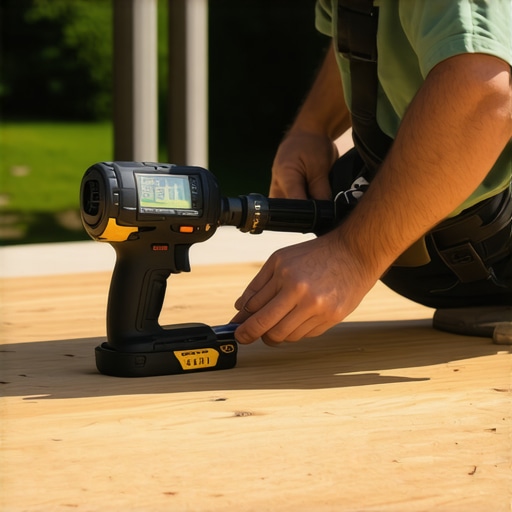
Creating a durable and beautiful composite deck or pergola isn’t a one-and-done effort. It requires the right tools and ongoing care to ensure longevity. One of my favorite investments is a high-quality digital angle finder. I personally use the Leica Disto, which provides precise measurements down to the millimeter, making it invaluable when aligning railings or ensuring your pergola posts are perfectly plumb. Accurate measurements prevent uneven gaps and structural issues that can become costly over time.
For drill work, I swear by my Cordless Impact Driver. Its torque and speed allow easy driving of hidden fasteners and screws into composite materials without stripping or damaging the surface. Using the right bit, such as a self-centering Phillips or square drive, ensures your screws sit flush and disappear beneath the surface, maintaining a sleek aesthetic.
Maintenance is equally important. Applying a protective sealant specifically designed for composite decking—like the Polywhey Deck Revive—can help resist fading and staining, extending the life of your surface. Regular cleaning with a soft-bristle brush and a gentle cleaner prevents dirt and mold buildup, which can degrade the material over years. Remember to avoid power washing, which can damage the surface and compromise the embedded fasteners, as discussed by industry experts.
Looking ahead, I predict that smart sensors embedded discreetly into deck and pergola structures will become more prevalent. These sensors could monitor moisture, temperature, and structural shifts, alerting owners to issues before they become visible or dangerous. This integration will make maintenance more proactive rather than reactive, saving time and money in the long run.
How often should you inspect and upkeep your outdoor structures?
Regular inspections—at least biannually—are key. Check for loose fasteners, signs of movement, or rot at the base of posts. Tighten or replace hardware as needed, and consider applying fresh sealant to critical joints annually. Incorporating a level of preventative maintenance like this ensures your deck or pergola remains safe and beautiful for years. If you’re interested in advanced techniques, try the hidden bracket adjustment method—it can significantly improve structural stability and aesthetic appeal.
Remember, investing in quality tools and routine care today pays off with a deck or pergola that stands the test of time and weather. For personalized advice or to discuss specific challenges, don’t hesitate to reach out. Keeping your outdoor space in top shape is an ongoing process, but with the right approach, it’s one worth mastering.
Reflecting on my journey with outdoor structures, I realize that many of my breakthrough moments came from embracing the subtleties—the tiny adjustments that elevate a project from good to professional. The one lesson that truly stuck with me is the value of observing hardware placement from every angle before final tightening. This ‘micro-movement’ mindset prevents costly errors and ensures a sleek finish. Another insight is the importance of selecting quality tools, like precise digital angle finders, which save time and improve accuracy during alignment. Lastly, never underestimate routine maintenance; regular inspections and updates prolong the life and beauty of your outdoor space, turning a one-time build into a lasting sanctuary.