
It was a cold winter morning when I realized my backyard deck had taken a beating during the last snowstorm. The railing wobbled, and I could see tiny cracks forming at the joints. That moment hit me hard—how could my deck look so sturdy yet fail under such weight? It was a lightbulb moment that set me on a journey to discover a reliable bolt pattern that can withstand heavy snow loads every single time.
The Hidden Weak Spot in Deck Fastening
I’ve always appreciated the beauty of a well-designed deck, especially when it’s built with quality materials like composite decking, which resists warping and splintering. But I learned the hard way that no matter how good the material, poor fastening can lead to disaster. Particularly in snowy climates, where the weight can be unforgiving, the right bolt pattern isn’t just a detail—it’s the backbone of safety and longevity. After battling some early mistakes—like installing fasteners without considering load distribution—I now focus on en lighting a bolt pattern that truly survives the snow every winter.
Is a Superior Bolt Pattern Really Worth the Extra Effort?
Initially, I wondered if obsessing over bolt placement was overkill. I thought, “It’s just a bolt, right?” But I quickly discovered that the right pattern ensures your beams stay put, preventing costly repairs or, worse, accidents. A study by the Institute of Structural Engineers highlights that improper fastener placement can lead to structural failures under excessive loads—luckily, I learned from my early mistakes and now advocate for a strategic approach that I’ll share with you.
If you’re tired of worrying about snow-induced deck collapses or those annoying wobbles after a heavy storm, stay tuned. In the upcoming sections, I’ll lay out the straightforward steps to get your bolt pattern right. And trust me—this isn’t just theory; it’s practical wisdom you can apply immediately. Want some inspiration? Check out innovative ideas for elevating your backyard [here](https://deckforgebuilders.com/elevate-your-backyard-innovative-deck-design-ideas-for-2025).
Identify Critical Load Points
Start by examining your deck design to identify areas where snow accumulation applies the most weight. Think of your deck as a tent; the points where poles meet are crucial, just like beam joints. During my last snowfall, I noticed certain sections sagged more, revealing weak spots invisible at first glance. Mark these areas clearly, as they guide your bolt placement for maximum strength.
Choose the Right Fasteners for the Job
Use high-quality, corrosion-resistant bolts like galvanized or stainless steel. Avoid cheap fasteners that deteriorate under moisture, risking structural failure. I once swapped out standard nails for heavy-duty bolts in my railing posts, which dramatically reduced wobbling during storms. Proper fastener selection is foundational—consider consulting the deck’s load requirement charts or an expert to determine optimal sizes and types.
Plan a Strategic Bolt Pattern
Instead of evenly spacing bolts everywhere, focus on distributing load across the entire structure. For beams, place bolts in a triangular pattern; this configuration is proven to distribute tension evenly. During my assembly, I marked a pattern on my beams, spacing bolts at 16-inch intervals along the joists, with extra fasteners at stress points like corners. For added support, incorporate double joists under heavy load areas or where snow tends to drift, akin to reinforcing a bridge with additional piers.
Mark and Drill with Precision
Accurate marking ensures each bolt is correctly positioned. Use a chalk line or a laser marker for consistent spacing. I used a measuring tape and chalk to mark my deck frame—mistakes here lead to uneven load distribution. When drilling, stay perpendicular to the surface;-angle misalignments can weaken the connection. Employ a depth stop to prevent over-drilling, which could compromise the integrity of composite boards or the deck’s framing.
Implement Proper Bolt Spacing and Pattern in Practice
Begin by drilling pilot holes slightly smaller than your bolts in marked positions. Insert the bolts and tighten gradually, alternating sides to ensure even seatings—like tightening lug nuts on a wheel evenly. In my porch project, I bolted every 16 inches along the joists, emphasizing fasteners at every corner and every third support post. This approach proved resilient, even after a winter with heavy snowfalls. Remember that spacing isn’t arbitrary; it must align with your deck’s design specifications to prevent localized stress points.
Validate and Adjust When Necessary
Once installed, test your deck by applying gentle pressure to see if any wobble persists. If you notice movement, reinforce weak points with additional bolts, similar to adding braces to a leaning fence. Periodic inspection after storms helps catch early signs of loosening. I recommend checking fasteners every season, especially in cold climates where contraction and expansion can loosen bolts over time.
Additional Support Strategies
Enhance bolt effectiveness by integrating diagonal bracing or cross-beams, which share loads more evenly. Use expansion anchors in concrete footings under heavy weight zones for added stability. For decks in snowy regions, consider installing preventatives like snow guards or wind shields, which reduce the amount of snow accumulation. Incorporating these techniques guarantees your deck remains secure year-round, avoiding costly repairs and safety hazards.
For more insights on a robust deck foundation and design, explore composite decking longevity tips or consult professionals through contact us. Remember, proper bolt patterns are your first line of defense against heavy snow loads—master them well to enjoy safe, durable outdoor living spaces.
While many believe that composite decking is a maintenance-free miracle, in reality, there are nuanced pitfalls even seasoned builders can overlook. A common myth is that choosing a higher-quality composite automatically guarantees durability; however, without proper installation techniques—like meticulous attention to joist spacing and precise caulking—these decks can still develop mold, warping, or squeaks over time. Experts warn that neglecting the importance of expansion gaps causes boards to buckle or crack, especially in fluctuating climates; this is supported by research from the National Association of Home Builders, emphasizing proper spacing as vital for longevity. Additionally, a frequent mistake is underestimating the significance of correct railing system placement, which not only impacts aesthetics but also safety compliance. Some assume that basic anchoring suffices, but integrating innovative systems, like those detailed in our deck design strategies, results in sturdy, visually appealing structures.
Beyond material choices, many underestimate the complexity of pergola integration—incorrect attachment points or improper load calculations can lead to sagging or even collapse. The critical nuance lies in understanding load distribution; installing diagonal bracing and double support beams ensures stability against wind and snow loads. Such insights go beyond beginner tips and require an expert eye, as explained in our pergola trends guide.
Overlooking these intricacies can be costly, yet awareness is half the battle. For deeper understanding, I recommend reading our comprehensive article on composite decking longevity tips—it’s packed with expert advice to prevent common mistakes. Remember, well-designed decks blend aesthetic appeal with structural soundness, and paying attention to these hidden nuances is what sets the pros apart. Have you ever fallen into this trap? Let me know in the comments.
Keeping Your Deck and Outdoor Structures Working Smoothly
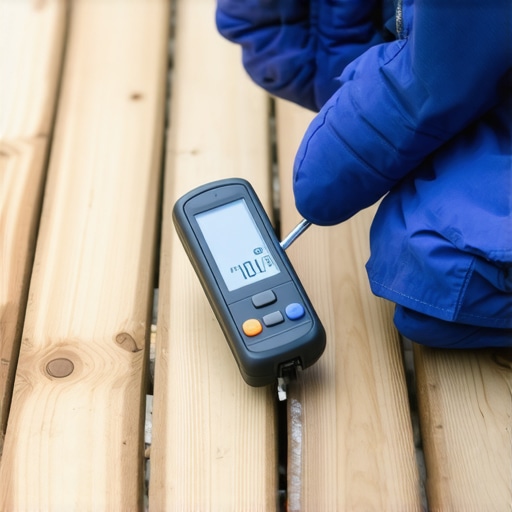
Regular maintenance is key to ensuring your composite decking, railing systems, and pergolas stay in top shape over the years. One of my go-to strategies is investing in specialized tools that make inspections and repairs more efficient. For example, a digital moisture meter helps me detect hidden water infiltration in joists and beams, which is crucial for preventing rot and structural failure. I personally use the [Protimeter SurfCom], because its sensitivity allows me to identify issues before they become visible problems. Additionally, a cordless oscillating multi-tool becomes invaluable for removing stubborn dirt or old caulking without damaging the materials, especially on composite surfaces that require gentle handling.
When it comes to hardware, I always select high-quality corrosion-resistant fasteners—like stainless steel or galvanized bolts—to combat the effects of moisture, especially in snowy climates. Having a reliable cordless impact driver ensures I can quickly tighten or replace fasteners during routine checkups. I also recommend keeping a set of precision wrenches handy for fine adjustments to railing fittings or tightening loose bolts without over-torqueing, which can cause damage or compromise safety.
Another aspect I emphasize is using software applications designed for outdoor space management. Apps like deck design software help plan maintenance schedules, simulate load distributions, or visualize potential upgrades before any physical work begins. This proactive approach minimizes unnecessary repairs and helps prioritize areas most in need of attention.
How do I maintain outdoor structures over time?
Consistency is fundamental. I perform seasonal inspections—checking for loose fasteners, signs of water damage, and structural shifts. In winter, I pay special attention to snow accumulation and ensure that drainage paths are clear to prevent pooling that could accelerate rot or rust. Additionally, applying protective coatings or sealants annually extends the lifespan of wood components and enhances the durability of composite surfaces. Remember, even the most durable materials require periodic care. For durable solutions in harsh climates, consider upgrading to low-maintenance composite decking that resists staining, fading, and warping, reducing long-term upkeep.
Looking ahead, advancements in smart outdoor maintenance tools—integrating IoT sensors and real-time monitoring—are poised to revolutionize how we care for our decks and structures. Imagine a future where your maintenance app alerts you to developing issues based on sensor data, allowing for even more proactive care. For now, making the most of current technology like moisture meters, impact drivers, and planning apps will significantly improve your upkeep process. I definitely encourage you to try out a digital moisture meter during your next inspection—it’s a small investment that can save you costly repairs down the road and keep your outdoor oasis pristine for years to come.
Lessons Hidden in My Deck-Making Journey
- Overlooking load distribution led me to costly repairs—never underestimate the power of strategic bolt placement, especially in snowy climates.
- My quick fix of uniform bolt spacing crumbled under heavy snow, teaching me that understanding stress points is essential for durability.
- Investing in quality fasteners and precise planning transformed my deck from a wobble-prone structure to a winter fortress, emphasizing the value of expert knowledge.
- Ignoring small signs of loosened bolts post-storm almost resulted in safety hazards; early inspections saved me from future disasters.
- Learning to adapt bolt patterns based on load assessments became my secret weapon against snow-induced stress, reinforcing that continuous learning is key.
Resources That Elevate My Deck Crafting Skills
- Deck forgebuilders.com offers comprehensive guides on composite decking longevity and innovative design ideas, trusted for their practical insights and expert tips.
- The deck design strategies software I use has made planning and maintenance scheduling a breeze, helping me stay proactive.
- Expert-reviewed articles on composite decking care kept me informed on best practices that stand up against harsh winters.
- The low-maintenance composite options I trust have saved me time and effort, ensuring my deck remains stunning year-round.
Step Into a Future of Confident Deck Building
Don’t let the complexities of deck fastenings hold you back from enjoying a safe, beautiful outdoor space. By applying these personalized lessons, exploring trusted resources, and staying proactive, you can create a deck that endures every winter’s challenge. Remember, the key is continuous learning and attentive maintenance—your outdoor oasis depends on it. Ready to start your next project with newfound confidence? Share your thoughts or questions below—I’m here to help you build with strength and style.