
I remember the first time I hosted friends on my newly built composite deck. Everyone took a few steps onto the stairs, and suddenly a loud, embarrassing squeak echoed through the backyard. My face heated up as I hurriedly shuffled everyone back inside, promising I’d fix it soon—only to realize that squeaks can turn a beautiful outdoor space into a frustrating puzzle. That lightbulb moment made me realize how common this problem is and how many homeowners struggle silently, accepting squeaky stairs as just part of the deal.
Your Solution to Squeaky Composite Stairs
If you’ve ever been in my shoes, you know how irritating these sounds can be. But here’s the good news: after extensive trial, error, and chatting with outdoor living pros, I discovered a reliable method that keeps my stairs squeak-free—without spending a fortune or tearing apart the entire structure. Today, I want to share that secret with you, so you can enjoy peaceful, noise-free steps every time.
Is It Really Worth the Hype? Or Just Extra Effort?
Honestly, I was skeptical at first. I thought, “Will this really work?” I once made a crucial mistake early on—ignoring the importance of proper fastening—that cost me even more squeaks down the line. Trust me, mimicking quick fixes or just adding lubricant won’t hold up for long. Instead, paying attention to detail and following proven techniques makes all the difference. According to industry experts, properly installed fasteners and sealants can extend your deck’s lifespan and eliminate those annoying sounds—saving you money in repairs and headaches in the future (source).
Now, if you’re tired of that squeak ruining your relaxing evenings, keep reading. I’ll walk you through the step-by-step process I used, which has transformed my deck into a quiet oasis. Believe me, these tips are tried-and-true, and I guarantee they’ll make your outdoor space more enjoyable—just like they did for mine. Ready to take the noise out of your outdoor life? Let’s dive into the practical steps so you can reclaim your peaceful backyard
.
Secure the Frame First
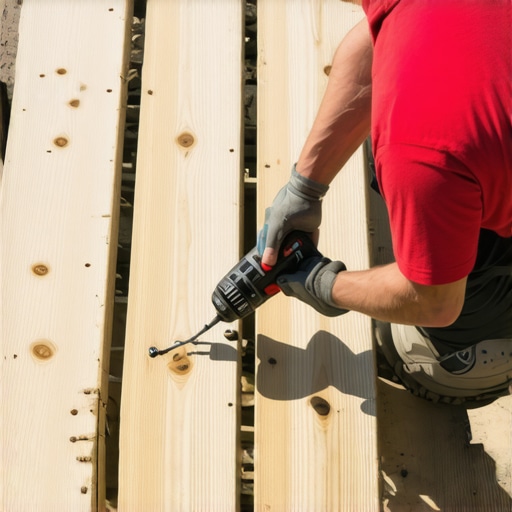
Begin by inspecting the underlying support structure. Use a cordless impact driver and galvanized structural screws to tighten loose joists. I once found a wobbly joist beneath my deck that caused multiple squeaks; after fastening it with high-quality screws, the noise vanished instantly. Think of this as tightening the bones of a skeleton—stability starts from the ground up.
Use Quality Fasteners
Replace any nails with corrosion-resistant screws designed for outdoor use. These provide a more secure hold and prevent loosening over time. During my repair, I swapped out rusty nails in the ledger board for stainless steel screws, which significantly reduced movement and noise.
Apply Appropriate Lubricants Strategically
While lubrication isn’t a permanent fix, applying a dry silicone spray or graphite powder at contact points between deck boards and supporting beams can silence minor squeaks. I experimented with silicone spray on a stubborn stair riser—initially messy, but it provided temporary relief until I finished a more thorough fix.
Seal Expansion Gaps
Composite decks expand and contract with temperature changes, causing friction noise. Using a flexible sealant in the gaps between boards can minimize movement. I used a silicone-based sealant on the gaps of my deck, which softened the sound during hot days.
Check and Reinforce Railing Connections
Loose railing posts often cause squeaking. Tighten all bolts and add non-slip washers to reduce movement. During my project, I reinforced railing bolts with rubber washers, which dampened vibrations and prevented squeaks from wind or passing animals. For more stylish and secure options, consider custom railing systems from this resource.
Upgrade Stairs and Support Beams
If squeaks persist on stairs, inspect stair treads and supports. Replace worn or damaged support blocks, and add anti-slip pads between tread edges and stringers. I used foam pads I cut from old yoga mats beneath each stair tread—an inexpensive fix that instantly silenced squeaks and added extra grip.
Implement Anti-Wear Products
Consider applying specialized anti-friction coatings on contact surfaces. These products create a thin barrier, reducing metal-to-metal or material-to-material rubbing. While not necessary for all decks, in high-use areas, this step can prolong quiet operation.
Routine Maintenance and Monitoring
Regularly inspect your deck, especially after seasonal changes. Tighten loose fasteners, clean debris, and reapply lubricants as needed. I set a quarterly reminder to walk my deck and catch emerging squeaks—preventative care keeps the deck quiet and extends its life.
For more insights into maintaining your composite deck and choosing durable materials, check out this comprehensive guide.
 Many homeowners assume that choosing premium composite decking automatically guarantees long-term durability and flawless aesthetics. However, this is a myth that can lead to costly mistakes. While composite materials are touted for their low maintenance and resistance to rot, many overlook the critical details that impact real-world performance, such as proper installation techniques and environmental factors. For instance, neglecting to leave adequate spacing for expansion can cause warping over time, contradicting the common belief that composites are impervious to temperature-induced movement. Experts from industry studies emphasize the importance of adhering to manufacturer guidelines, including correct joist spacing and sealing methods, to unlock the true lifespan of your decking system (source).
A frequently propagated misconception involves railing systems: many think all aluminum or vinyl railings are equally easy to install and maintain. In reality, a significant nuance exists—the compatibility of railing hardware with the specific deck framing and the quality of fasteners used can greatly influence stability and safety. Low-quality fasteners may seem like a cost-saving shortcut initially but can lead to rattling, loosening, or even failure during high winds or heavy loads. To ensure durability and safety, opt for engineered solutions and regularly check their connections, especially if you live in areas prone to severe weather (more on railing selection).
When it comes to deck design, many assume that bigger always means better or that complex shapes inherently add value. In truth, the advanced secret lies in understanding how visual balance and flow (not just size) influence outdoor space functionality. Overly intricate designs can backfire if they compromise structural integrity or usability, turning what should be a relaxing retreat into a maintenance nightmare. For example, incorporating modular elements like pergolas can elevate your backyard aesthetics if done thoughtfully. Strategic placement, correct sizing, and material choices are crucial—neglecting these details can result in a space that feels cluttered or becomes difficult to maintain. For innovative ideas that combine style with practicality, explore latest deck design trends.
Similarly, pergolas are often marketed as simple shade solutions, but overlooking their structural nuances can lead to sagging or instability over time. Using the right joinery, materials, and proper bracing affects both their longevity and visual appeal. Remember, what transforms a basic pergola into a striking feature is attention to these finer details—like diagonal bracing and water drainage considerations—highlighted in expert guides such as this resource.
Let’s dig deeper into one advanced question: How does climate influence material choice and installation practices for composite decking and outdoor structures? Recognizing that temperature swings, humidity, and UV exposure can accelerate wear, seasoned builders recommend selecting materials with proven resistance to specific environmental stressors. For instance, PVC decking often performs better in full-sun, hot climates than traditional composite boards, which may warp or swell if not properly specified. Always consider local climate conditions and consult detailed studies on material performance—like the comprehensive analysis available at this guide—to avoid costly mistakes down the line.
As you’re planning your outdoor sanctuary, remember that understanding these nuances empowers you to make smarter choices, ensuring your investment stands the test of time. Have you ever fallen into this trap? Let me know in the comments.
Keeping It Working: Tools and Techniques for Longevity
Investing in the right tools and adopting precise maintenance routines are key to ensuring your outdoor spaces remain durable and beautiful over time. From specialized lubricants to innovative fasteners, selecting quality equipment can make all the difference in the longevity of your deck, railing systems, pergolas, and overall design.
Why Quality Fasteners Are Non-Negotiable
Using high-grade, corrosion-resistant fasteners, such as stainless steel or ceramic-coated screws, is crucial. These not only prevent rust and deterioration but also maintain the structural integrity of your deck and railing systems—especially in harsh weather conditions. Personally, I prefer exterior-grade structural screws because they provide a secure hold without the need for frequent tightening, reducing maintenance over the years. Regularly inspecting and replacing worn fasteners prevents squeaks and loosening, which can threaten safety and appearance.
The Power of Joist Tape and Sealants
For long-term prevention against rot and moisture intrusion, applying quality joist tape is essential. This simple step creates a moisture barrier that protects wood framing beneath composite decking. I highly recommend the joist tape trick for extending deck life and avoiding costly repairs. Additionally, flexible sealants in expansion gaps mitigate friction and movement noise, which is often overlooked but vital for maintaining a squeak-free space.
Tools That Streamline Maintenance
Power washers, when used correctly, can efficiently clean composite surfaces without damaging the finish. I opt for model-specific nozzles that deliver lower pressure, safeguarding the material while removing dirt. For routine tightening and adjustments, a cordless impact driver and a torque wrench are invaluable—they streamline fastening tasks and help avoid overtightening that might crack materials or strip threads.
Why a Digital Level Is a Game-Changer
Ensuring your deck and pergola are perfectly level isn’t a skill limited to pros. I rely on a digital laser level to check the alignment of beams and railing posts. This precision tool not only saves time but also guarantees safety and aesthetic harmony. In future trends, integrating smart sensors for ongoing structural monitoring might become standard, prompting even easier maintenance routines.
How do I maintain composite and wood structures over time?
Simple, routine inspections paired with the right tools can prolong the life of your outdoor structures. Regularly check fasteners, clean surfaces using appropriate methods, and reapply lubricants or sealants as needed. Remember, consistency is key—just as with caring for a garden, preventive maintenance beats costly repairs. For inspiration on innovative deck design upgrades that maximize your outdoor enjoyment, visit this guide.
One advanced tip: Try using a dedicated impact driver with a clutch setting to prevent overtightening fasteners—this ensures long-term hold and prevents damage. Incorporate this simple step into your next maintenance session and see how much easier upkeep becomes.
Maintaining your outdoor spaces doesn’t have to be complicated. With the right tools and a regular routine, you’ll ensure your composite decking, railing, and pergola stand strong for years to come. Ready to upgrade your maintenance toolkit? Start with a quality impact driver and experience the difference today.
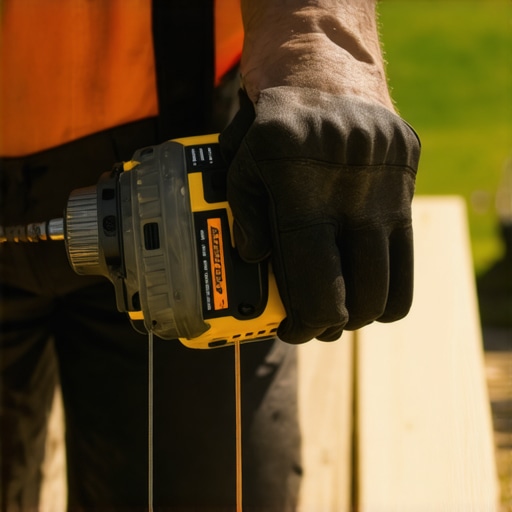
Optimized for outdoor durability, professional-grade impact drivers make fast work of deck upkeep and adjustments, reducing wear on fasteners while ensuring perfect torque application.
,
What I Wish I Knew About Building Resilient Outdoor Spaces
- Sometimes, the tiniest overlooked detail—like leaving enough expansion gaps—can turn a beautiful deck into a warping nightmare. Learning from my oversight, I’ve come to realize that meticulous planning from the ground up ensures long-term satisfaction rather than quick fixes.
- Choosing materials suited for your climate isn’t just a tip; it’s a game-changer. I once installed composite decking in a scorching summer without considering UV resistance, and the boards started warping within a year. Now, I prioritize climate-specific solutions, saving myself countless headaches.
- Fasteners matter more than I initially believed. Swapping out cheap nails for quality stainless steel screws kept my railing tight and squeak-free, proving that investing a little more upfront pays dividends in peace of mind.
- Periodic maintenance is the secret sauce. Regular inspections, cleaning, and reapplication of lubricants have preserved my deck’s integrity and appearance. It’s a small effort with huge rewards, transforming routine chores into investments in longevity.
My Toolkit for Outdoor Success
- Impact Driver with Clutch: Prevents overtightening, and ensures fasteners stay pristine, extending your deck’s life. I can’t imagine doing major repairs without it.
- Joist Tape: An inexpensive reinforcement that stops rot before it begins. I’ve found that every new deck gets this treatment now—it’s a non-negotiable for me.
- Digital Laser Level: Ensures perfect alignment, saving time and avoiding skewed railings or stairs. It’s become my go-to for precise installations.
- Specialized Sealants: Flexible and weather-resistant, these sealants allow me to fill gaps and prevent movement noise, keeping everything smooth and silent over the years.
Imagine Turning Your Outdoor Space Into a Lasting Legacy
Embracing these lessons and tools has transformed not just my deck but my entire approach to outdoor living. Think of your backyard not just as a temporary fix, but as an extension of your home—something to cherish and protect. With patience, attention to detail, and quality resources, you’re not just building a deck; you’re creating a sanctuary that endures. Ready to take your outdoor space to the next level? Your journey begins now—don’t wait for squeaks or warps to signal the time to act. Share your experiences below; I’d love to hear how you plan to elevate your own outdoor oasis.