
It was a sunny Saturday afternoon when I first stepped onto my deck and felt that unsettling wobble beneath my feet. At first, I thought I was imagining it. But as I took more steps, the shaking got worse. It felt like each footstep was turning my peaceful outdoor space into an unstable trampoline. That lightbulb moment made me realize: there’s more to a wobbly deck than just loose boards.
The Hidden Causes Behind a Shaking Deck
Have you ever noticed your deck creaking or wobbling when you walk across it? It’s more than just an annoying noise; it’s a sign that something’s not quite right. I learned early on that many homeowners overlook the importance of proper structural support and deck assembly. A common mistake is thinking that simply laying down some planks is enough—without considering how everything is anchored together. Over time, these overlooked details can lead to serious stability issues.
In my case, my deck’s wobbling was due to inadequate support within the framing, a mistake I made early on. I didn’t pay enough attention to the spacing of the joists or the quality of the fasteners. The truth is, your deck’s ability to support weight and withstand foot traffic hinges on those critical details. A wobbly deck isn’t just uncomfortable; it can be dangerous. As the National Association of Home Builders warns, improper framing can lead to structural failure, which may result in costly repairs or injuries. So, what can you do when you find your deck feels unstable?
In this post, I’ll walk you through the core reasons behind deck instability and give you practical tips to reinforce your outdoor space. Whether your deck is newly built or decades old, understanding these key structural issues will help you enjoy your backyard safely. Ready to stop the wobble and regain confidence in your deck? Let’s dig into the essential fixes.
Is your deck’s wobbling truly worth the headache? Think again.
I might have ignored some early warning signs, like loose bolts and uneven footing, which only worsened the problem. Trust me, catching these issues early saves you time, money, and potential hazards. So, next, I’ll outline the common mistakes and tell you how to spot them before things get serious.
Assess Your Deck’s Frame and Support System
Start by inspecting the entire structure, focusing on the foundation, beams, and joists. Use a level to check if the deck surface is even; unevenness can indicate underlying support issues. When I examined my deck, I discovered some joists had shifted, causing instability. Mark any wobbly or creaking areas for targeted reinforcement. Next, verify that all ledger boards are securely attached to your house, since loose attachments weaken the entire setup. Tighten or replace corroded fasteners immediately.
Strengthen the Foundation with Proper Anchoring
Focus on anchoring posts firmly into the ground. Use concrete footings if posts are loose or sinking. Pour quickly-setting concrete into pre-dug holes, ensuring the posts are plumb and level before the concrete sets. I once struggled with unstable posts until I poured new concrete footings; this immediately improved stability. For an existing concrete pad, consider installing post anchors that bolt directly into the slab. Ensuring a solid footing prevents post movement, which directly affects deck wobbling.
Reinforce Joists and Beams for Long-Term Support
Replace any damaged or rotted joists, and add blocking between them for extra stability. Use a scrap piece of wood and a clamp to temporarily hold new blocking in place before fastening. When I replaced a sagging joist, I also added metal post caps and adjustable hangers—these adjustments kept everything aligned. For better support, consider doubling up joists in high-traffic areas or where heavy furniture will reside. Improper spacing often leads to wobbling, so measure and follow code requirements carefully.
Secure Fasteners with Precision and Quality
Replace loose nails with high-grade, corrosion-resistant screws designed for outdoor use. Use a impact driver for easier driving and better torque control. I used a drill when securing deck boards, which prevented warping or splitting, common issues with manual screws. Double-check that all brackets, hangers, and brackets are properly installed. Loose fasteners are a common cause of deck instability; replacing them with heavy-duty alternatives provides immediate benefit.
Address Railing System and Perimeter Fixes
Wobbly railings not only look unsightly but also compromise safety. Remove old bolts and replace with locking ones, then add blocking between posts for extra support. For my deck, I drilled and installed metal inserts into posts, which prevented any movement. Evaluate your railing’s anchors and ensure they meet safety standards. For aesthetics and security, consider upgrading to a reliable system—review options through this guide.
Apply Protective Measures and Regular Maintenance
Seal all wooden components with weatherproof sealant to prevent rot and deterioration. Regularly check fasteners, trim overgrown plants near the deck to prevent moisture buildup, and tighten any loose screws. I schedule seasonal inspections, which catch potential issues early, saving time and money. For decks with composite decking, cleaning and periodic sealing extend lifespan and maintain stability. Incorporate these maintenance habits into your routine, and your deck will stay firm and safe for years to come.Many homeowners jump into deck projects believing they understand all the basics, but there’s often a significant gap when it comes to nuanced design choices and material selection. One prevalent myth is that all composite decking boards are equal; in reality, the quality, core material, and manufacturing process drastically influence longevity and performance. For example, solid-core composites tend to outperform hollow boards in cold climates due to their increased density and reduced expansion, a fact supported by research from industry experts.
Why Do Some Railing Systems Fail Over Time, and Can You Do Better?
Contrary to popular belief, choosing the cheapest railing option might save money upfront but can lead to safety hazards and frequent replacements. Premium systems with proper anchoring and anti-rattle features, such as locking brackets and tension adjustments, provide lasting stability and peace of mind. In fact, proper installation techniques, including the use of corrosion-resistant fasteners and certified components, are often overlooked yet critical for durability.
Another misconception involves pergolas, where many think they don’t require reinforcement once built. However, neglecting diagonal bracing or proper support can lead to sagging or even collapse under heavy snow or wind loads. The recent study by structural engineers emphasizes that incorporating cross-bracing not only extends the lifespan but also improves aesthetic appeal. Don’t fall into the trap of assuming that ‘self-supporting’ means maintenance-free; regular inspections and reinforcement are essential.
When designing your outdoor space, material choice greatly affects maintenance and visual harmony. Many choose natural wood for its charm but overlook its susceptibility to rot, especially if proper flashing and joist protection methods aren’t applied. A smarter alternative is using composite decking with proper sealing and flashing tape, which, according to the latest trends, offers a combination of beauty and durability. Ensuring your deck’s framing and support systems are built to code and reinforced where necessary prevents common pitfalls like uneven surface levels or wobbling, ultimately saving you money and frustration.
Have you ever fallen into this trap? Let me know in the comments. For comprehensive guidance tailored to your project, contact specialists who can help you navigate these design nuances and material choices with confidence.Maintaining your deck’s integrity over time requires more than just periodic inspections; it demands using the right tools and adopting reliable methods. Personally, I swear by a high-quality cordless impact driver, like the Makita XDT16, because its torque control helps when securing fasteners without damaging composite material. For checking levelness and alignment, a magnetic digital level provides precise readings that traditional bubble levels can’t match, especially important when ensuring a railing system meets safety standards. When it comes to cleaning decking surfaces, I rely on a pressure washer with adjustable nozzles, like the Karcher K5, which effortlessly removes grime from textured surfaces without causing damage—prolonging your deck’s aesthetic appeal.
For ongoing maintenance of railing systems and pergolas, I recommend a good set of corrosion-resistant stainless steel fasteners, such as Toggler Snaps. They’re excellent for securing components that face weather exposure and can be reused if needed, saving you money in the long run. Additionally, a heated detail sander can come in handy for refinishing small areas or removing stubborn stains, especially on composite or wood surfaces. These tools allow you to perform repairs or touch-ups swiftly, preventing small issues from escalating into costly repairs.
Looking ahead, the trend is leaning toward integrating smart technology with deck management. Sensors that monitor moisture levels or fastener integrity could soon become standard, providing real-time diagnostics. Such innovations promise to extend the lifespan of your outdoor structures significantly by catching problems early.
So, how do I maintain my deck and railing systems over time? Regular inspections combined with preventive measures—like applying protective sealants to vulnerable areas and tightening fasteners—are key. For instance, periodically checking and reapplying a high-grade sealant, like MarineSeal, especially on exposed wood or composite edges, keeps moisture out and prevents rot. Embracing these tools and practices ensures your outdoor space remains safe and beautiful for years to come.
Finally, don’t overlook the importance of selecting the right hardware for your specific deck design. Upgrading to a premium railing system with locking brackets can dramatically improve stability and safety—more details are available in this comprehensive guide. Try implementing one of these advanced maintenance tips today, and you’ll be surprised at how much longer your deck stays in prime condition! 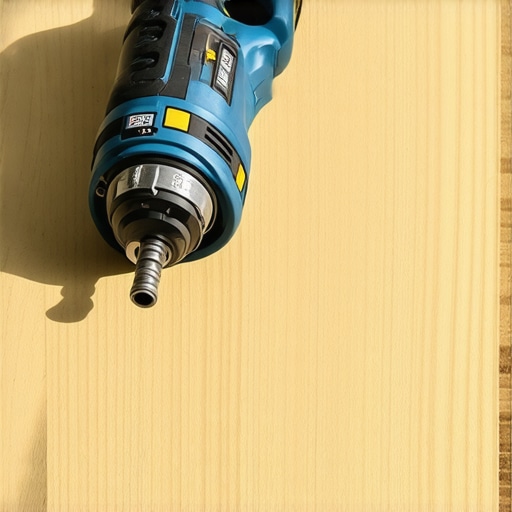 Building a sturdy, beautiful deck was a rewarding challenge that taught me more than I expected about structural integrity and ongoing maintenance. One of the most valuable lessons I learned is that attention to detail, especially in framing and fasteners, cannot be overlooked—small oversights can lead to wobbling and safety hazards down the line. Investing in quality tools like impact drivers and precise levels made a huge difference, reinforcing my belief that the right equipment is essential for durable results. I also discovered that proactive planning, such as incorporating diagonal bracing in pergolas and choosing materials wisely, can prevent future issues before they arise. These insights transformed my approach from reactive repairs to preventative design, saving time and money while enhancing safety. So, if you’re thinking about upgrading or building your outdoor space, remember that lessons learned through experience are your most powerful guides—don’t underestimate the impact of meticulous craftsmanship and strategic choices.