
I remember the moment clearly—deck construction nearly finished, and I noticed those unsightly low-voltage wires snaking around the posts, cluttered and exposed. It hit me then, how much I hated that eyesore, especially when friends or family came over for gatherings. The wires mess with the sleek, tidy look I wanted for my outdoor space, and I knew there had to be a better way.
Why Hiding Low-Voltage Wires Inside Railing Posts Matters
Keeping wires hidden isn’t just about aesthetics; it also enhances safety and longevity. Exposed wiring can become damaged over time, especially with weather elements like rain, sun, or snow. Plus, visible wires can be a safety hazard, increasing the risk of tripping or accidental disconnection. As I learned early on, choosing to hide those wires effectively can make a significant difference in both appearance and function.
Is Concealing Wires Really Worth the Effort?
Absolutely. In my experience, a simplesolution like internal wiring saves you from future headaches—no more snagged or frayed cables. Early mistakes, such as neglecting to plan routing paths, led me to rework my wiring later. Trust me, a little foresight now pays off in a well-designed, clutter-free deck that you’ll enjoy for years. Want sleek, modern lighting or audio setups? Proper wiring concealment makes all the difference. Curious how to do it? I’ll walk you through the proven methods that worked for me, so you can skip the trial and error.
Plan Your Wiring Route Carefully
Start by sketching your deck layout and identifying optimal paths for wires to run from power sources to fixtures or speakers. During my build, I laid out a top-down diagram, mapping the shortest, most protected routes. This initial planning prevents rerouting later and ensures wires stay hidden within posts or under decking.
Choose the Right Railings and Posts
Opt for railing systems designed to accommodate internal wiring—metal or composite posts with hollow cavities are ideal. I selected composite posts with internal channels, which I found after consulting the [transform your outdoor space with custom railing systems](https://deckforgebuilders.com/transform-your-outdoor-space-custom-railing-systems-for-safety-and-style). This choice simplified running wires and protected them from the elements.
Drill Precise Passages for Wires
Use a spade bit or hole saw to drill holes at each post’s top and bottom, ensuring alignment for smooth wire passage. I used a drill and a measuring tape to mark and drill these holes—taking time to check measurements prevented misalignments that could cause damage or make wires visible. Remember, small deviations can cause friction or get caught when pulling wires through.
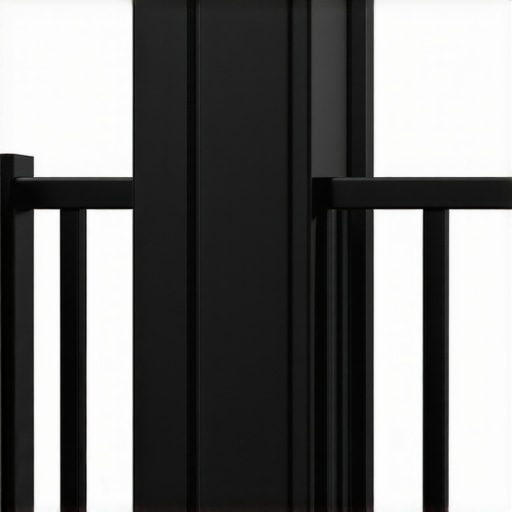
Image showing drilled holes in composite railing post with internal wiring pathway.
Install Conduits or Cable Management Accessories
Insert flexible conduit or cable sleeves into the drilled holes to protect wires from wear and weather. I opted for a waterproof conduit, which I secured with zip ties inside the posts, following advice from the [composite decking trends](https://deckforgebuilders.com/composite-decking-trends-durable-solutions-for-modern-outdoor-living) article about durability. This extra step greatly extended wire lifespan.
Pull Wires and Seal Post Openings
Attach a fish tape or stiff wire to guides, then gently pull the wires through the conduit and post cavities. During my project, I kept the wires organized with labels, preventing confusion later. Once in place, seal the holes with exterior-rated caulk or foam sealant to prevent water intrusion, mirroring how [deck builder’s tips](https://deckforgebuilders.com/transform-your-home-with-stunning-deck-design-strategies) emphasize sealing for longevity.
Connect and Conceal Properly
Finally, connect wires to fixtures or lights, then hide the wiring boxes or connectors within the posts or beneath decking skirts. I made sure to test each element first, avoiding the hassle of rework. Properly concealed wiring not only improves aesthetics but also reduces exposure to weather and damage, making your deck safer and more appealing.
Many homeowners believe that choosing the right material—like composite decking or aluminum railings—is sufficient for a durable outdoor setup. However, this overlooks nuanced issues that can undermine even high-quality systems. For example, a common misconception is that all composite decking is maintenance-free. In reality, some lower-grade composites are prone to scratching, mold, or color fading over time, especially if not properly specified or installed according to expert guidelines detailed in sources like [composite decking trends](https://deckforgebuilders.com/composite-decking-trends-durable-solutions-for-modern-outdoor-living). Such myths can lead you to underestimate the importance of selecting premium materials or applying specific protective coatings.
Another frequent mistake involves railing design choices. Many assume that simple, straightforward baluster spacing is always best—yet, overly wide gaps can risk safety hazards, violating [building code standards](https://deckforgebuilders.com/how-to-select-the-right-railing-system-for-every-deck). Advanced homeowners often opt for diagonal bracing or tensioned cable railings, which require precise installation to prevent wobbling or failure over time. Skipping quality anchoring techniques, such as proper post footing depths or reinforcement, can cause long-term instability.
Let’s address the intricate details behind pergola construction. A common misconception is that any pergola with a roof provides adequate shade and weather protection. But, as [pergola trends](https://deckforgebuilders.com/pergola-trends-crafting-shade-elegance-in-your-outdoor-space) suggest, incorporating adjustable features like louvered roofs not only enhances versatility but also prevents water pooling and endures through various climate challenges. Failing to include diagonal bracing or proper drainage planning can lead to sagging or structural deterioration.
What about deck design nuances that aren’t obvious at first glance? Many DIY enthusiasts opt for a quick deck build without considering load-bearing capacities, spacing, or long-term wear. For example, inadequate spacing of joists or improper fastening methods can cause uneven surfaces or premature aging, as explained in [deck support tips](https://deckforgebuilders.com/why-multi-level-decks-are-often-a-waste-of-money). Additionally, neglecting the importance of sealing edges or using the right fasteners can expose your deck to rot or mold.
A critical but often overlooked aspect is the external influences and ongoing maintenance that can undo even the best design. Wooden components exposed to moisture need proper sealing and adequate drainage slopes; failing which, rot and warping become inevitable. Interestingly, some homeowners dismiss the importance of sealing post openings or ignoring drainage gaps, leading to hidden rot issues that can undermine the entire structure.
Finally, advanced practitioners understand the importance of integrating these elements harmoniously for longevity and safety. Small details, such as sealing drilled holes or ensuring the right tension in cable systems, profoundly impact durability. This is why consulting with or hiring professionals—like those at [contact us](https://deckforgebuilders.com/contact-us)—can save you from costly mistakes.
Have you ever fallen into this trap? Let me know in the comments. Remember, digging into these nuances ensures your outdoor space remains beautiful, safe, and lasting for years to come.Maintaining a durable and beautiful outdoor space requires the right tools and consistent effort. Over the years, I’ve identified some essential equipment and methods that ensure my railing systems, composite decking, and pergolas stay in top shape while reducing future headaches. One of the most critical aspects is selecting tools that allow precise work—like specialized drills, measurement devices, and cleaning gear—so your finish remains flawless. For example, I always use a right-angle drill attachment when tightening fasteners in tight corners, which avoids stripping screws or uneven tightening. Additionally, a high-quality digital moisture meter helps me detect hidden water intrusion issues early, enabling proactive maintenance and preventing rot, especially in wooden components. To clean and treat composite decking effectively, I rely on gentle, biodegradable cleaners and soft-bristle brushes; avoiding harsh chemicals helps preserve the surface and prevents scratches. Regular inspections are vital—checking for loose bolts, wobbling posts, or chipped paint ensures issues are addressed before escalating. It’s also wise to keep a small toolbox with spare fasteners, sealant caulk, and a power sander handy for quick touch-ups or refinishing. Looking to the future, automation and smart monitoring systems might revolutionize deck maintenance, with sensors that alert you to moisture buildup or structural shifts, similar to how smart home tech is evolving. To keep everything working smoothly over time, I recommend establishing a seasonal maintenance routine—something as simple as rinsing your deck with a garden hose and inspecting all components. The key to long-lasting results is not only having good tools but also understanding how to use them effectively—like applying manufacturer-recommended sealants and following structural guidelines found in trusted resources or manufacturer instructions. If you want to elevate your maintenance game, try integrating a digital moisture meter into your routine. This simple yet powerful tool can detect moisture levels inside wood and composite materials, helping extend your deck’s lifespan. Remember, as [building standards such as those from the National Association of Home Builders emphasize](https://www.nahb.org), proactive care ensures safety, aesthetics, and durability. This approach saves money and time in the long run, giving you peace of mind and a deck that remains beautiful through the seasons.
The Hardest Lesson I Learned About railing systems, composite decking, pergola, deck design
One of my most valuable realizations was that meticulous planning in wiring and structural details prevents countless headaches down the road. Rushing through initial steps often led to costly rework, emphasizing the importance of patience and precision from the start.
3 Myths About railing systems, composite decking, pergola, deck design That Held Me Back
I used to believe that all composite materials are maintenance-free and that simple railing designs are always the safest choice. Discovering the nuances revealed that investing in quality materials and thoughtful design significantly impacts safety and longevity.
What Experts Won’t Tell You About railing systems, composite decking, pergola, deck design
Often, the subtle details—like sealing drilled holes or reinforcing post footings—are overlooked but make all the difference. Learning these insider secrets has transformed my outdoor projects from average to extraordinary, inspiring confidence in every build.
My Essential Toolkit for railing systems, composite decking, pergola, deck design
Tools like precision drills, fish tapes, and moisture meters are indispensable for internal wiring and structural integrity. I trust these because they save time and ensure safety, giving me peace of mind after each project.
Books That Changed How I View railing systems, composite decking, pergola, deck design
Guides like “The Complete Guide to Choosing Railing Systems” and industry standards provided a solid foundation. They deepen understanding and help anticipate challenges before they arise, elevating craftsmanship quality.
Where to Go from Here
If you’re serious about creating a safe, durable, and beautiful outdoor space, I recommend exploring resources like pergola design inspiration and custom railing systems. Continuous learning and attention to detail will always set your projects apart.
Your Turn to Try
Now, it’s your moment to enhance your outdoor spaces with confident wiring concealment and thoughtful design. Remember, small details make a big difference—what’s the first improvement you’ll tackle today? Share below, and let’s grow together in creating stunning, safe decks and pergolas.