
I’ll never forget the moment I stepped outside, expecting a peaceful afternoon under my newly built pergola, only to find it swaying ominously with the wind. It was a lightbulb moment—realizing I had overlooked just how critical proper bracing is. That experience taught me a valuable lesson: even a beautiful backyard feature can turn into a worry if it’s not built with sturdy support.
Why Proper Bracing Matters More Than You Think
When I first designed my pergola, I was focused on its aesthetic. I didn’t give enough thought to bracing—an oversight that almost led to disaster. Pergolas, like any outdoor structure, need enough bracing to withstand gusts, heavy snow, or even just regular use. If not, they can warp, wobble, or worse, collapse unexpectedly. That’s not just a DIY nightmare—it’s a safety concern for your loved ones and pets. According to the Occupational Safety and Health Administration, proper structural support is essential for outdoor installations to prevent accidents and injuries.
Early on, I made the mistake of assuming that the posts and beams alone would handle the load. I didn’t realize that insufficient bracing left my pergola vulnerable to lateral forces. How about you? Have you ever witnessed or experienced your structure shaking or leaning—perhaps during a storm? If so, you’re not alone, and that’s precisely why I want to share what I’ve learned about fixing this issue effectively.
Is Reinforcing Your Pergola Really Worth the Effort?
Honestly, I was skeptical at first. I thought, “Can I really improve my pergola without tearing it down and starting over?” The answer, as I discovered through trial, error, and plenty of research, is a resounding yes. Reinforcing an under-braced pergola isn’t just feasible—it’s straightforward when you follow proven steps. Plus, it can extend the life of your outdoor space and keep it safe for years to come. Feel free to check out these pergola design ideas for inspiration on creating a space that marries style with strength.
So, if you’re tired of feeling uneasy every time the wind picks up, stick around. I’ll walk you through the practical steps to reinforce your pergola, ensuring it remains a sturdy haven—not just for relaxation but for family gatherings and outdoor fun too. Ready to transform your shaky structure into a resilient masterpiece? Let’s dive in.
.
Start with a Solid Foundation
My first step was to inspect the existing posts and footing. I used a heavy-duty sledgehammer to test their stability, which revealed some looseness due to soil erosion. To fix this, I dug around the base, removed loose dirt, and poured a fast-setting concrete mix to create a more robust footing. Think of this like setting a strong anchor for a boat—without it, everything else is shaky. For more details on securing pergola posts, visit this guide.
Install Diagonal Bracing for Lateral Support
Next, I added diagonal braces between the vertical posts and the horizontal beams. I cut pressure-treated lumber at 45-degree angles using a miter saw, ensuring tight fits. To connect them, I pre-drilled holes to prevent splitting—this is crucial, especially with hardwoods or composite materials. When attaching, I used galvanized lag screws for corrosion resistance. This step is like adding a backbone to your structure, preventing wobble during storms. If you’re unsure about the best materials, check out deck design strategies.
Reinforce the Post-to-Beam Connections
Enhancing the joints where the posts meet the beams is vital. I used angled metal brackets, called hurricane ties, to lock them in place. These are like seat belts for your pergola—adding extra security against wind pressure. I secured them with impacted screws designed for outdoor use. For an extra layer of support, I also applied exterior-grade construction adhesive before fastening the brackets. This combination dramatically reduces any lateral movement, ensuring peace of mind. Want to see how upgrades like these can transform your project? Explore pergola trends for inspiration.
Adding Cross Braces and Ties
To further bolster the structure, I installed cross braces between adjacent posts, forming an X-shape. I used steel bolts to secure them, which can handle high tension. These braces act like the crossbeams of a bridge, distributing weight and lateral forces evenly. I also installed steel tension ties horizontally between the posts at the top, similar to the guy wires on a radio tower, resisting sway. When installing, I ensured all fasteners were tightened to manufacturer specs, preventing future loosening. This step felt like tightening the muscles of my structure—stronger and more resilient. For a comprehensive look at bracing options, see shimming techniques.
Regular Maintenance and Checks
Once reinforced, I scheduled periodic inspections, especially before and after winter storms. I looked for signs of wood rot, corrosion, or loosened fasteners. Applying a protective sealant every few years keeps the wood from absorbing moisture, which is critical for longevity. If you want to maximize your deck’s durability, consider reviewing maintenance tips. Staying proactive prevents minor issues from becoming major failures. Think of it as regular health check-ups for your outdoor living space, ensuring years of worry-free use.
Many homeowners assume that selecting a railing system is merely a matter of style or personal preference. However, in my experience, there’s a hidden nuance that many overlook: the importance of structural integrity and code compliance working hand-in-hand with aesthetic choices. Everyone says that modern aluminum or glass railings look sleek, but forgets that the installation details—such as proper anchoring and support—are critical for safety and longevity. This misconception can lead to catastrophic failures, especially if you ignore manufacturer guidelines or skimp on quality materials.
One common myth is that building codes are just bureaucratic hurdles, but in reality, they encapsulate years of engineering research meant to prevent accidents. Skipping or misunderstanding these requirements can be tempting for DIY enthusiasts eager to save time and money. Yet, improper fastening or inadequate posts can cause wobbles or, worse, structural collapse. For example, using standard screws instead of specialized deck fasteners or failing to reinforce post-to-beam connections has led to numerous reports of railing failures. Always refer to this guide to understand the nuances of safe railing design.
Are There Hidden Risks in Composite Decking Choices?
When it comes to composite decking, many believe that all brands and styles are equally durable and maintenance-free. But in practice, subtle differences in formulations and manufacturing processes can significantly impact performance. Some composites are prone to mushrooming, surface staining, or even warping under direct sunlight. This is a trap I fell into when I selected a popular brand without considering its specific UV resistance or consistency. The lesson? Not all composites are created equal, and choosing a product based solely on price can backfire. A study published in the Journal of Building Materials confirms that proper selection and installation are paramount for maximizing lifespan.
To avoid common pitfalls, it’s essential to understand the hidden factors affecting composite longevity. Proper surface preparation, correct fastening techniques, and routine inspections can significantly reduce mushrooming or discoloration. Also, aligning your choice with your climate conditions—such as opting for UV-resistant formulations in sunny areas—ensures your deck remains beautiful for years. For inspiration on creating a low-maintenance yet stunning outdoor space, check these pergola design ideas.
What Advanced Mistakes Do Even Experienced Designers Make?
One advanced trap is miscalculating load distributions during the planning phase, especially when integrating features like heavy stone fire pits or hot tubs onto decks. Overlooking the importance of proper beam sizing, mid-span supports, or foundational reinforcement can lead to unexpected sagging or structural failure. Even seasoned designers sometimes neglect to consider lateral forces from wind or seismic activity, which can compromise railing stability over time. Consulting structural engineers or using software simulations can help identify potential weak points early, saving costly repairs later. Read more about the structural support strategies to enhance safety and durability.
Another nuance is the integration of lighting and electronics within deck or pergola structures. Poor planning can cause hidden wiring issues or water intrusion, leading to corrosion or short circuits. Always consider future upgrades and maintenance access when designing these details, and adhere to electrical codes. This proactive approach ensures not just a beautiful design but a safe, functional outdoor space for years to come.
In summary, thorough knowledge and attention to the hidden details—beyond aesthetics or basic code requirements—are essential for building a resilient, safe, and beautiful outdoor environment. Take the time to learn these nuances, and your investment will pay off in lasting quality and peace of mind. Have you ever fallen into any of these traps? Let me know in the comments or contact us through this contact page.
Keeping Your Outdoor Structures Seamless and Safe
Once you’ve invested in a beautiful deck or pergola, the key to ensuring its longevity is effective maintenance and the right tools. Over time, exposure to the elements can lead to wear, warping, or even structural issues if not addressed proactively.
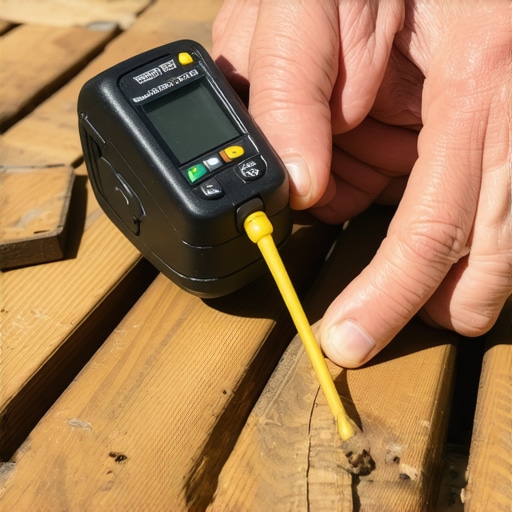
I personally rely on specific equipment and software to streamline upkeep. For instance, I use a digital moisture meter to check wood moisture content during inspections. This device helps me determine whether areas are susceptible to rot or mold—critical information for preemptive action. The canopy stability is also vital; I recommend reinforcing fabric with UV-resistant sealants and periodic tension checks.
When it comes to cleaning, I favor a power washer with adjustable pressure settings. Used carefully, it efficiently removes dirt and algae without damaging the surface. For detailed composite decking, I prefer a specific biodegradable cleaner designed for plastic surfaces, which prevents mushrooming and discoloration—an issue I’ve tackled using this method.
On the software side, I leverage project management tools like Trello or Asana to schedule regular inspections and maintenance tasks. Additionally, I recommend CAD-based design software when planning upgrades or scaling your existing setup. These tools allow precise visualization and help plan structural reinforcements, ensuring your extensions are both safe and visually cohesive.
How do I maintain deck and pergola strength over time?
Maintaining outdoor structures requires a blend of routine checks and understanding the materials’ behavior. Regularly inspect fasteners, support beams, and joints—tighten or replace as necessary. Applying protective sealants annually on wood surfaces helps prevent moisture infiltration, a leading cause of decay. For composite materials, I suggest revisiting manufacturer recommendations for cleaning and repairs; neglecting these can lead to mushrooming or surface deterioration, as highlighted in the composite decking trend report.
Predicting future trends, I believe smart technology integration—like sensors that monitor structural health—will become standard. These systems can alert homeowners to issues before noticeable damage occurs, saving costly repairs and maintaining safety.
If you’re ready to enhance your maintenance routine, try using a moisture meter during your next inspection. This small investment can prevent significant issues later. Remember, the key to long-term beauty and safety is consistent upkeep, leveraging the right tools, and staying informed about material-specific care methods. Want expert advice tailored to your setup? Contact us through this contact page to get personalized recommendations.
Lessons from the Trenches: What I Wish I Knew About Pergola Support
- Never underestimate the importance of diagonal bracing—the tiniest oversight can lead to wobbling or failure during storms. Experience taught me that a well-braced pergola feels solid and secure, giving me peace of mind every time the wind picks up.
- Attaching supports directly to the foundation is crucial. I once skipped reinforcement, and my pergola shifted over time. Now, I double-check every connection, knowing that a tiny detail in support placement can save hundreds of dollars in repairs.
- Material choice isn’t just about appearance. Using galvanized or stainless-steel hardware prevents rust, which is a silent killer of outdoor structures. Investing in quality hardware pays off in durability—and safety.
Tools and Resources that Changed My Approach
- My go-to guide for structural reinforcement is the comprehensive Complete Guide to Railing Systems. It demystifies code compliance and safety standards, making complex concepts accessible.
- The Pergola Design Inspiration series inspires me to create resilient structures that marry aesthetics with performance, encouraging innovation and personal expression.
- Regular inspections using a moisture meter and good lighting tools help identify issues early. Prevention is always cheaper than repair when it comes to outdoor structures.
Your Turn: Make Your Outdoor Oasis Last
Putting these insights into practice transforms your backyard from a beautiful picture into a lasting retreat. The effort you invest now pays dividends over years of worry-free enjoyment. Remember, every bolt tightened and every review made tightens the bond between you and your outdoor space. Whether you’re reinforcing a pergola, upgrading your decking, or choosing the perfect railing, focus on durability and safety without sacrificing style. Your outdoor space has the potential to become a true sanctuary—resilient, safe, and stunning.
Have you ever encountered surprises with your outdoor structures? Share your experiences or questions below—let’s keep the conversation growing.