
I remember the first time I tried to cut a complex corner board for my deck. It was an unplanned nightmare—measurements were off, angles looked strange, and I spent more time tinkering than actually building. That frustrating moment felt all too familiar for anyone tackling the intricacies of deck design or pergola framing. But then, I stumbled upon what I now call the Cardboard Template Hack, and everything changed.
The Lightbulb Moment That Changed My Approach
As I struggled with uneven cuts and the fear of wasting material, I realized that traditional methods weren’t cutting it—literally. I needed a smarter way to replicate complex angles accurately without losing my mind or my sanity. The solution? Using cardboard to trace and transfer intricate shapes. It sounds simple, but this hack dramatically improved my precision and saved me countless hours.
Through personal trial and error, I learned that this approach isn’t just about saving time. It’s about building confidence in your cuts and ensuring your corner boards—and by extension, your entire project—look professional and seamless. Whether you’re installing railing systems, creating a custom pergola, or working with complex deck layouts, this trick can be a game-changer.
But, I get it. You might be wondering: “Is this cardboard trick really worth the hype?” Or perhaps you’re skeptical about tackling complex corners, fearing you’ll end up with more waste than wins. Believe me, I’ve been there.
Initially, I made the mistake of thinking precision came solely from fancy tools or expensive jigs. Turns out, the simplest, most accessible materials often create the best results. The key is understanding how to transfer complex angles accurately, and that’s what this hack accomplishes.
Now, let’s walk through why mastering this technique matters—because in the world of deck building, small details make a huge difference in the final look and safety of your project. Plus, if you’re considering upgrades or future additions like pergolas (check out some stylish [pergola design inspirations](https://deckforgebuilders.com/pergola-design-inspiration-from-modern-to-classic-looks)), this trick will set a solid foundation.
So, if you’ve faced the frustration of imperfect cuts or worried about making costly mistakes, you’re not alone. Many DIYers and pros alike have been there. The good news? With a little practice and some humble cardboard, you can elevate your craftsmanship.
Ready to see how this hack works in action? In the next section, I’ll detail step-by-step how to create your own cardboard templates for those tricky corner boards—saving you time, material, and headaches. Let’s get started on transforming your project with simple, effective techniques that bring professional results.
Create Your Template Step by Step
Start by measuring the angle and length of your corner board with a trusty tape measure. To capture the precise shape, cut a piece of cardboard slightly larger than your piece, then mark the exact dimensions. In my experience, using a flexible, sturdy cardboard like a cereal box works best because it molds easily around irregular angles without cracking.
Trace the Angles Accurately
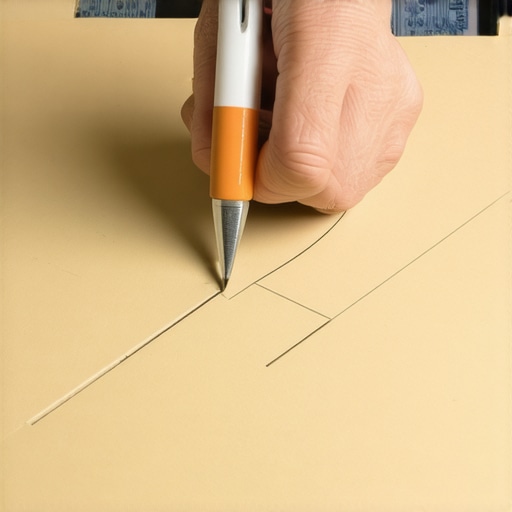
Hold the cardboard against your corner and trace the angles with a pencil. I found that placing small weights or clamps keeps the cardboard steady and prevents slipping during this step. Remember, accuracy in this phase pays off when transferring the pattern to your actual cut piece.
Test Fit Before Cutting
Before cutting your final material, test the template on scrap wood or similar composite boards. I once used an old piece of pine to verify the fit, which saved me from wasting prime deck material. Adjust your cardboard as needed until the template fits perfectly in the corner space.
Transfer and Cut with Confidence
Trace the template onto your deck material, ensuring your pencil line remains sharp and visible. For sharper lines, I recommend using a fine-tipped marker or a carpenter’s pencil. When you’re ready to cut, use a fine-tooth saw or a jigsaw, depending on the material, and follow the marked lines carefully.
In one memorable project, I applied this method to a complex corner on a pergola, where the angles weren’t standard 45° or 90°. By using the cardboard template, I cut with precision, resulting in tight joints that looked professional and sturdy. This approach not only improved my craftsmanship but also made me more confident in tackling intricate designs.
Fine-Tune for Perfect Results
After cutting, dry-fit the piece again, checking for fit and seam placement. Small adjustments can be made with a sander or file if necessary. I’ve learned that taking the time to perfect your template pays dividends in the overall quality of your deck or pergola. For ideas on how to incorporate stylish railing systems, browse this comprehensive railing guide.
By adopting this cardboard templating trick, you’ve turned a potentially messy process into a streamlined, satisfying task. It’s a simple yet powerful technique that elevates your DIY game, especially when working with non-standard or complex corners. For inspiration on designing stunning backyard spaces, check out these innovative deck ideas.
 Many DIY enthusiasts and even some professionals get caught up in misconceptions about deck systems, pergolas, and composite materials. One prevalent myth is that all railing systems are created equal; however, the reality is that overlooking proper load calculations and material strength can compromise safety and aesthetics. For example, relying solely on standard spacer sizes for balusters without considering wind loads or safety codes can lead to violations or dangerous gaps. Advanced builders know that customizing spacing based on local regulations and climate conditions is crucial—something often overlooked by novices.
Why do so many high-end projects still encounter railing rattle or instability?
In my experience, this is frequently due to improper anchoring or neglecting the importance of anti-rattle devices designed for specific materials like aluminum or glass. Studies from the National Association of Home Builders highlight that even quality materials can fail if not properly installed, leading to costly repairs or safety hazards. Sliding into the trap of assuming that high-cost materials automatically guarantee durability can be misleading—installation quality often outweighs raw material strength. When it comes to pergolas, one common mistake is underestimating the importance of diagonal bracing. Many think that vertical posts alone provide sufficient stability; yet, expert advice suggests adding cross-bracing in both directions, especially for taller structures, to prevent sway or collapse. This nuance often gets lost in the planning phase but is vital for long-term longevity. As for composite decking, a frequent misconception is that choosing a darker color will make the deck last longer or resist fading better. Actually, darker hues tend to absorb more heat and can expand or warp faster under direct sunlight, which affects joint stability and aesthetic appeal over time. A recent report from the University of Tennessee confirms that lighter-colored composites often perform better in hot climates, reducing expansion issues. If you’re designing a backyard retreat, consider the advanced factors affecting durability, safety, and visual harmony. For detailed tips on selecting the right railing system or understanding material behaviors, browse through our comprehensive guides linked throughout this article.
Built-in knowledge of these nuances ensures your project not only looks stunning but also endures the elements. Avoid the trap of oversimplified solutions; instead, invest in understanding the intricacies of each component. This approach will save you time, money, and frustration down the line. Curious about how to prevent common pitfalls or want expert advice tailored to your project? Reach out to us today for personalized assistance, or continue exploring our insights on pergola inspiration and deck design strategies. Remember, understanding these hidden nuances transforms a basic project into a stunning, durable outdoor living space.Maintaining your deck, pergola, and railing systems requires the right tools and a bit of know-how to ensure long-term performance and safety. I personally swear by using a high-quality cordless impact driver, such as the Milwaukee M18 Fuel, for fastening deck boards and railing components. Its power and ergonomics make repeated tasks less tiresome, and the keyless chuck speeds up drill-bit changes. For cutting composite decking without melting the plastic, I prefer a fine-tooth blade like the Diablo D0724CF for jigsaws, which results in cleaner cuts and less heat buildup. Regular cleaning tools like a power washer with adjustable pressure settings are also essential; I set mine around 1500 psi to remove dirt without damaging the surface. To monitor the stability of your structures, a digital level with Bluetooth connectivity, such as the Bosch GLM 100 C, helps verify post and beam alignments over time, alerting you to potential shifts or settling. I recommend scheduling seasonal inspections using these tools to catch issues early and prevent costly repairs. Predicting future trends, I believe automation and smart monitoring systems will become central to deck maintenance, allowing homeowners to receive alerts when moisture levels or structural load thresholds are exceeded—saving time and enhancing safety.
How do I maintain my deck and pergola over time?
Consistent cleaning, applying protective sealants, and inspecting fasteners semi-annually are critical steps. For composite decks, using a non-abrasive cleaner and avoiding harsh pressure levels helps preserve the surface, as detailed in our composite decking longevity guide. Regularly tightening loose screws and applying anti-rattle devices to aluminum railings prevent rattling and maintain aesthetics, as explained in these rattling solutions. For wood-based components, a fresh coat of high-quality stain or sealant every 2-3 years extends their lifespan and enhances appearance. Be sure to check structural supports and braces periodically, especially after severe weather, to ensure continued stability. Using a laser measure or a digital level can help you detect subtle shifts early. As the industry advances, I see automated moisture sensors integrated into deck structures becoming commonplace, providing real-time data to homeowners and contractors. Trying out a Bluetooth-enabled level like the Bosch GLM 100 C can give you immediate insights into your project’s alignment, helping maintain everything over the long haul. Remember, proactive maintenance preserves the investment and keeps your outdoor space inviting and safe. If you’re interested in seeing recommended tools tailored to your specific project, reach out to us today. Taking the time now to implement these maintenance practices will pay dividends in durability and aesthetic appeal for years to come.
What the Unexpected Taught Me About Building Backyard Masterpieces
One of the most valuable lessons I’ve learned is that the biggest breakthroughs often come from mistakes. I once underestimated how much precision cardboard templates could provide, assuming expensive tools were the only way to achieve perfect angles. It wasn’t until I struggled through a miscut corner on my deck’s pergola that I realized simplicity and ingenuity go hand in hand. Embracing unconventional approaches, like repurposing everyday materials, has shown me that building confidence is just as important as acquiring new skills. Now, with this mindset, I approach each project with curiosity and patience, knowing that great results come from understanding the little details that others overlook.
Tools and Resources That Elevate My Craft
I rely on a handful of trusted tools that blend quality with practicality. A Bluetooth-enabled digital level, such as the Bosch GLM 100 C, helps me verify precise alignments in real time, preventing long-term sagging or wobbling. For saw work, I use the Diablo D0724CF jigsaw blade, which ensures clean cuts on composite decking without melting plastic. When I want to visualize ideas or plan layouts, I turn to online platforms like Pinterest for pergola inspiration or consult comprehensive guides like the deck design strategies. These resources keep me inspired and ensure I stay updated with industry best practices, making each project more rewarding and resilient.
Your Next Step Towards Outdoor Excellence
Building strong, beautiful outdoor structures isn’t just about following plans; it’s about understanding the nuances that create lasting impact. Trust your instincts, leverage simple hacks like cardboard templates, and seek out expert advice to elevate your craftsmanship. Remember, every corner you precision-cut and every detail you perfect brings you closer to transforming your backyard into a stunning haven. Dive into your next project with confidence and curiosity—because your outdoor space deserves nothing less than your best effort. What’s the most challenging corner or detail you’re eager to conquer in your current project? Share below and let’s build together!