
I remember the frustrating moment when I stepped onto my porch and noticed my wood railings looking dull, gray, and worn out. It was a bright Saturday, and instead of enjoying my morning coffee, I found myself dreading the hours of tedious sanding I thought I needed to restore them. The realization hit me—there had to be a better way.
Why I Discovered a Smarter Solution for Faded Wood
The truth is, I’ve spent countless weekends battling with sandpaper, only to see my efforts fade away in a season or two. I know many homeowners face this same dilemma: How can you quickly refresh your wood railings without pouring hundreds of hours into sanding and stripping? The good news is, there are effective methods that can make your outdoor space look vibrant again, without the backbreaking labor.
What I’ll share today is a proven approach, backed by personal experience and trusted industry tips, that will help you breathe new life into your faded wood railing system and save you from unnecessary stress.
Is It Really Possible to Restore Without Sanding?
Initially, I believed that sanding was unavoidable for a proper makeover. I was wrong. My early mistake? Underestimating how modern cleaning and restoration techniques can simplify the process. I once tried to skip the proper cleaning, thinking it was a waste of time, only to end up with uneven staining and disappointing results.
According to experts in outdoor woodworking, selecting the right cleaning and sealing products can significantly rejuvenate faded wood, making sanding optional for many projects. If you’re tired of the endless sanding grind, keep reading—I’ve got some straightforward tips that could change your entire approach. For additional insights into choosing your perfect railing system that matches your style and safety needs, check out this comprehensive guide.
Now, let’s dive into how you can transform your outdoor space with minimal effort and maximum satisfaction.
Thorough Cleaning Sets the Stage for Restoration
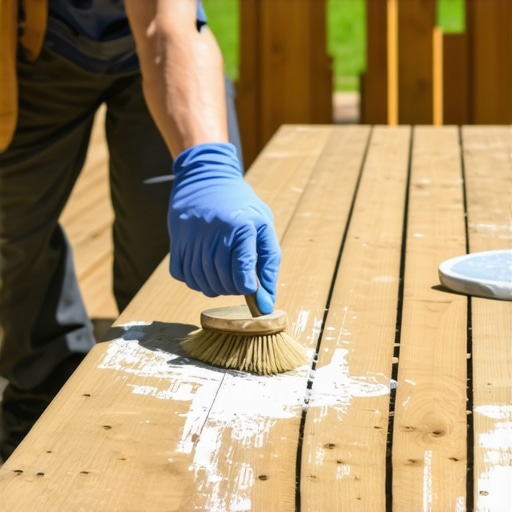
Start by removing dirt, mold, and old sealant using a powerful cleaner like deck brightener or a mixture of water and mild detergent. Use a stiff-bristled brush or a pressure washer set to low pressure to avoid damaging the wood. I once tackled my porch with a borrowed pressure washer, carefully aiming to prevent splintering, which resulted in a surprisingly clean surface ready for the next step.
Choose the Right Restorative Products
Select a restoration product designed for outdoor wood. Liquid restorers penetrate deep, restoring wood fibers and bringing back natural color. I applied a restorative oil myself, which softened the weathered surface and enhanced the grain’s visibility, giving my railing a refreshed appearance without the need for sanding.
Apply a Protective Sealant
Once the wood is clean and restored, sealing is essential to protect against future weathering. Use a high-quality sealant suitable for outdoor use, such as a penetrating oil or a semi-transparent stain. I used a clear sealing oil, spreading it evenly with a brush, which created a subtle sheen and improved water resistance. For best results, follow manufacturer instructions on drying time and reapplication intervals.
Regular Maintenance Keeps It Looking New
To maintain your railing’s vibrancy, clean and inspect it every season. Small touch-ups with sealant can prevent wear and prolong its life. During one spring, I noticed my railing starting to gray again, so I applied a fresh coat of sealant, which rejuvenated its appearance effortlessly.
Enhance Style with Color or Decor
If you prefer a different aesthetic, consider tinting your sealant or stain. Light or dark shades can complement your deck and outdoor furniture. I experimented with a tinted sealant once, which added a modern touch to my porch, making it look freshly updated without extensive work.
 Many homeowners assume that choosing the right materials or design only matters at the outset, but in my experience, the real nuances lie in understanding advanced details that can make or break your project. For example, a frequent misconception is that all composite decking is created equal—yet, according to industry expert insights, not all composites resist fading or expansion equally, which can lead to costly repairs down the line. Some DIY enthusiasts overlook the importance of proper drainage and ventilation in pergola design, risking structural issues that aren’t immediately obvious but become severe over time. An often-ignored detail is the hidden blocking behind your railing posts; improper placement can cause wobbling or even safety hazards. One trap I see many fall into is selecting railing systems based solely on aesthetics without considering safety standards. For instance, the Code states a minimum of 4 inches between balusters to prevent small children from slipping through, but many rush this step to save time. Read more about selecting the perfect railing system and ensure safety at every level. Moreover, advanced deck design involves understanding load calculations and material joint stresses, which experts say are critical for longevity—yet many overlook these technical aspects, risking deck failure. For in-depth strategies, check out this guide on modern deck construction principles. Here’s a crucial question for serious DIYers and professionals alike: How can understanding the nuances of thermal expansion in decking materials prevent future warping or buckling? Studies from the Building Science Corporation show that proper spacing and allowance for expansion are essential for durability, especially with composite materials that expand more with heat. If these details are ignored, you might find your beautiful deck or pergola suffering from structural issues within just a few seasons. So, next time you’re planning or renovating your outdoor space, pay attention to these expert-recommended nuances. Have you ever fallen into this trap? Let me know in the comments and share your experience—together, we can build smarter and safer outdoor spaces.Maintaining your outdoor structures effectively requires the right tools and a strategic approach. One indispensable item I rely on is a high-precision digital angle finder; it ensures that every cut and measurement, especially for complex pergola joints or custom railing angles, is spot on. I personally use the Bosch Digital Angle Finder because of its accuracy and ease of use, which minimizes errors and saves me time during detailed framing or when adjusting post placements. For cleaning and restoration, a pressure washer with adjustable PSI settings is vital. I prefer models with a wide spray pattern and variable pressure, such as the Sun Joe SPX3000, because it allows me to clean surfaces thoroughly without risking damage to composite decking or delicate wood finishes. To apply sealants precisely and evenly, I utilize a high-quality electric paint sprayer; this tool ensures a consistent coat, especially on large or intricate surfaces like custom railing panels. I recommend the Graco Magnum Series for its reliability and adjustable pressure control, making it easier to achieve professional results. As for ongoing maintenance, I schedule seasonal inspections using a moisture meter—specifically, the Wagner Meters Orion 910. It helps me detect hidden areas of moisture accumulation behind posts or under deck boards, preventing rot before it becomes visible. Looking ahead, tools incorporating smart technology, like app-connected moisture sensors or automated cleaning devices, are expected to become more affordable and widespread, simplifying long-term care even further. How do I maintain my deck and railing systems over time? Regularly inspecting for loose fasteners, reapplying sealant, and using the right tools for adjustments are key. For instance, keeping deck joints properly sealed can prevent water infiltration, which many overlook. I also recommend using scrap composite pieces to test sealants or paints before applying to your entire structure—a simple step that can save time and prevent costly mistakes. Remember, investing in quality tools and performing routine checks—like measuring moisture content or verifying alignment—are essential for preserving your outdoor space. For example, incorporating a digital angle finder during post installation can guarantee perfect levels and angles, ensuring a safe and visually appealing setup. Why not challenge yourself today? Try using a moisture meter to assess hidden areas of your deck; early detection of moisture issues can significantly extend its lifespan. For more expert tips on durable deck design, visit this comprehensive guide, which covers best practices for long-term upkeep.
The Hardest Lesson I Learned About pergola, railing systems, deck design, composite decking
One of my most significant realizations came when I underestimated the importance of proper drainage in my deck plans. Initially, I thought aesthetics were all that mattered, but ignoring the technical nuances led to costly repairs and unnecessary frustration. Now, I prioritize understanding the technical details—such as proper slope for water runoff and material expansion—to ensure longevity and safety.
3 Myths About pergola, railing systems, deck design, composite decking That Held Me Back
For years, I believed that all composite decking resisted fading equally, which isn’t true. Some brands perform much better than others, and knowing this made a huge difference in my selection process. Similarly, I used to think that choosing a railing style was purely about looks, but safety codes and material durability are equally crucial. Debunking these myths helped me design outdoor spaces that are both beautiful and resilient.
What Experts Won’t Tell You About pergola, railing systems, deck design, composite decking
Industry professionals often omit the importance of precise measurement during installation. Even small errors can lead to wobbling or safety hazards. I learned this the hard way when a misaligned railing post caused instability. Accurate tools like digital angle finders and moisture meters, which I trust deeply, can help prevent these issues and save you time in the long run.
Curated Resources to Take Your Outdoor Projects Further
- My Essential Toolkit for pergola, railing systems, deck design, composite decking: A high-quality digital angle finder, moisture meter, and a reliable electric paint sprayer. These tools ensure precise measurements and a flawless finish, making DIY projects more manageable.
- Books That Changed How I View Outdoor Spaces: “Designing Outdoor Rooms” by Barry Lopez offered me insights into creating functional, inviting areas that blend seamlessly with natural surroundings.
- Innovative Websites: The comprehensive guides on Deck for Builders have been instrumental in improving my understanding of modern deck and pergola construction techniques. Their detailed step-by-step instructions and expert tips have been invaluable.
Your Turn to Build With Confidence
Building or renovating your outdoor space is a rewarding challenge, and the right knowledge can make all the difference. Embrace the nuances, invest in quality tools, and don’t shy away from expert resources. With patience and attention to detail, your backyard can become the sanctuary you’ve always envisioned.
Have you ever faced a hidden challenge during your outdoor projects? Share your experience below, and let’s learn from each other’s journeys to smarter, safer outdoor spaces.
,