
I was flipping burgers for my daughter’s graduation party when I felt it—that sickening, sponge-like dip right under my left foot. For years, I’d bragged about how solid my pressure-treated frame was, but in that moment, I realized I’d been lying to myself. I had spent so much time looking at the surface, even researching modern composite decking trends, that I completely ignored what was happening underneath. That afternoon, after the guests left, I grabbed a simple ice pick from the kitchen and headed into the crawlspace. What I found wasn’t just rot; it was a structural disaster waiting to happen. Today, I’m going to show you exactly how to use this low-tech tool to save your deck from a high-stakes failure.
The Moment I Almost Fell Through My Own Deck
Early in my DIY journey, I made a classic rookie mistake: I assumed that if the wood looked gray and weathered on the outside, it was just ‘aging gracefully.’ I didn’t realize that moisture loves to trap itself between the joist and the decking board. This is why your deck joists need tape to prevent rot, a lesson I learned far too late. By the time I took that ice pick to my rim joist, the metal tip sank two inches into the wood with almost zero resistance. It felt like stabbing a block of wet floral foam. According to the North American Deck and Railing Association (NADRA), nearly half of the 60 million decks in the U.S. are past their useful life, often due to this exact type of hidden decay. If you haven’t crawled under your structure lately, you are essentially playing a game of structural roulette. Have you ever noticed a board that stays wet long after the sun comes out, or felt a slight ‘give’ when you walk near the house?
Can a Kitchen Tool Really Replace a Professional Inspector?
The skepticism is fair. You might wonder if poking your wood with a sharp stick is actually scientific. While it doesn’t replace a full structural vulnerability assessment for checking deck joist rot, the ice-pick test is the most reliable way to find ‘brown rot’ that hasn’t reached the surface yet. Wood can look perfectly fine to the naked eye while the internal cellulose is being devoured by fungi. If that pick enters more than an eighth of an inch with minimal pressure, you aren’t looking at a cosmetic issue; you’re looking at a safety hazard. We often obsess over the aesthetics, like selecting the perfect railing system, but none of that matters if the foundation is mush. [image_placeholder]
Stop Guessing and Start Probing
To do this right, you need to be systematic. I used to just poke randomly, but you need to target the ‘vulnerable zones’—specifically where the joists meet the ledger board and anywhere a fastener enters the wood. It is a common myth that chemical treatments last forever; in reality, pressure treated wood still warps and cracks, creating pathways for water to bypass the protective outer shell. When I finally performed a thorough check, I realized my ‘sturdy’ deck was held up by hope and a few rusty nails. Learning the specific feel of healthy versus compromised timber is the first step in deciding whether you need a simple patch or a total teardown.
Look Where the Sun Never Shines
To catch decay before it becomes a structural failure, you have to get comfortable with the dirt. I remember crawling into the narrow gap behind my hydrangeas with a headlamp, and that’s when I saw it: a slow drip coming from the ledger board—the critical piece of lumber that anchors your deck to your house. Don’t just poke at the obvious spots. You need to target the ‘water traps’ where two pieces of wood meet. Use the flashlight trick for finding hidden joist rot at night to see the glisten of moisture that shouldn’t be there. If you see water pooling against the siding, you likely need the ledger gap fix that prevents house siding rot to allow for proper drainage. Think of your deck’s ledger as the spine of the entire structure; if it goes, the whole body collapses. I once ignored a small dark stain on my ledger for a season, and by the following spring, I could pull the wood apart with my bare fingers. 
Use the Butter Knife Rule for Soft Spots
When you start probing with your ice pick, you aren’t looking for a total hole—you’re looking for resistance. Healthy pressure-treated wood should feel like trying to poke a hole in a frozen steak; the tip might enter a tiny bit, but the wood fibers should push back. If the pick slides in like you’re cutting through room-temperature butter, that is an active rot colony. This ‘spongy’ feel is a major red flag, especially if it’s happening near your stairs or railing posts. Just like 3 mistakes that make your cable railing sag every winter, ignoring the foundation of your supports leads to a cascading failure. I’ve seen decks where the railing looked pristine, but the wood it was bolted to was basically compost. You must test every six inches along the joists, particularly focusing on the tops of the beams where water sits the longest. If you find multiple soft spots, you’re likely dealing with a situation why your deck joists are rotting underneath the tape or through old fastener holes that weren’t sealed.
Seal the Vulnerable Gaps Before Next Season
Once you’ve identified the areas that are still salvageable, you have to stop the bleeding. The biggest enemy isn’t the rain itself, but the moisture trapped between the joist and the deck board. This is where the joist tape secret for doubling your decks life comes into play. By applying a butyl-based tape to the top of your joists, you create a waterproof cap that prevents the ‘butter’ effect from ever starting. I also highly recommend implementing the drip edge trick for protecting deck ledger boards to shed water away from the house. It’s much cheaper to spend fifty bucks on flashing and tape now than five thousand on a structural rebuild later. My own deck was a mess of mismatched boards until I started using these layering techniques, and the difference in how the wood handles a humid summer is night and day.Once you’ve mastered the ice-pick probe, you are ready to look at the deck as a living system rather than just a pile of wood. Most homeowners switch to composite materials thinking they’ve bought a ‘forever’ deck, but this is a dangerous oversimplification. While you’re seeking to maximize outdoor living with low maintenance composite decking, you must account for the invisible physics of thermal movement. Unlike wood, which expands with moisture, composite expands with heat. I’ve seen countless high-end installs ruined because the builder didn’t understand why dark composite boards need extra expansion space. In a peak summer heatwave, a 20-foot board can expand significantly. If you haven’t left a proper gap, those boards will buckle, and your hidden fasteners will pop under the pressure. Have you ever fallen into this trap? Let me know in the comments.
Why does my high-end cable railing lose tension every winter?
This is a sophisticated nuance that separates a pro build from a DIY project. You might spend thousands on a sleek system, only to find the cables sagging like wet laundry by January. The culprit is rarely the cable itself—it is post-deflection. Metal contracts in the cold, and if your end posts are not reinforced with the hidden bracing move for rock solid corner posts, the extreme tension pulls the posts inward. A study published in the Journal of Architectural Engineering notes that residential deck railing failures often stem from underestimating these lateral loads. You must understand why cable railing tensioners fail before you start over-tightening the hardware. Utilizing the double nut secret for rock solid railing posts ensures that vibration and thermal cycles don’t slowly back your hardware out of alignment.
Build a Pergola That Won’t Fly Away
The same level of scrutiny should be applied to your overhead structures. There is a common myth that the sheer weight of a heavy timber pergola makes it safe from wind. In reality, a pergola is a giant sail. If your posts aren’t a 6×6 minimum for stability, the lateral torque from a storm can snap the structure at the base. While pergola design inspiration focuses on the look, you need to worry about why most diy pergolas fail the uplift test. If you are mixing materials, always research composite decking secrets regarding structural anchoring. A beautiful structure is only as good as its connection to the earth, and cutting corners on the foundation is the most expensive mistake you can make.
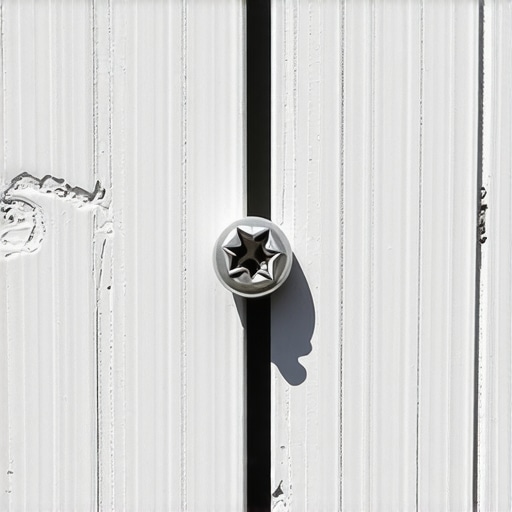
I’ve spent too many Saturdays swearing at stripped Phillips-head screws and mangled boards to ever go back to basic hardware. If there is one piece of advice that changed my building life, it’s this: throw away your old drill for structural work and buy a high-torque impact driver. Unlike a standard drill that relies on constant pressure, an impact driver uses rotational force to hammer the screw home. This is essential when you are working with the specific screw type that prevents composite board mushrooming. I’ve found that using T25 Star-drive (Torx) bits almost eliminates the risk of stripping the head, which is the fastest way to ruin a $100 composite plank. When you are dealing with materials where why solid core composite is worth the extra bulk becomes apparent, you need tools that can handle the density without flinching.
How do I maintain my deck and pergola over time?
Maintenance isn’t a one-and-done event; it’s a seasonal rhythm. Every autumn, I take a leaf blower and a narrow putty knife to the gaps between my boards. It sounds tedious, but the secret to preventing leaf rot between deck boards is keeping those air channels clear so the joists can breathe. For scuffs and scratches on the surface—inevitable if you have dogs or heavy patio furniture—I don’t reach for sandpaper. Instead, I’ve mastered how to fix scuffs on dark composite boards with a heat gun. By carefully warming the polymer, you can often ‘blend’ the scratch back into the board’s texture. It’s a pro move that saves you from replacing perfectly good lumber just because of a moved chair. According to the Simpson Strong-Tie Technical Bulletin T-C-DECKB24, using improper fasteners in corrosive environments like pressure-treated wood can reduce the life of a connection by 75% within a decade. This is why I religiously check my hardware for signs of ‘galvanic corrosion’ every spring.
The Future of Decking Might Include a Brain
As we look toward 2025 and beyond, I predict we are going to see a massive shift toward ‘smart decks.’ We are already seeing moisture sensors that can be embedded into the ledger board to alert homeowners of a leak before the rot even starts. While many homeowners currently focus on how to maximize outdoor living with low maintenance composite decking, the next step is active monitoring. We are also seeing a move toward sustainable composite decking secrets like bio-based resins and automated under-deck drainage systems that integrate with smart home hubs. Your deck will eventually tell you when it needs a wash or if a joist is under too much stress from snow load. If you’re ready to stop guessing and start building with precision, contact us to discuss how to future-proof your outdoor space. Try my T25 star-drive tip on your next repair—I promise you’ll never go back to those old silver wood screws again.
Lessons Bought with Sweat and Splinters
The biggest revelation I had wasn’t about the wood species, but about the invisible moisture traps that develop over time. I spent years thinking a thick coat of stain would save me, but composite decking secrets for longevity often start with what you can’t see from the surface. I also learned that custom railing systems are only as strong as the structural blocking hidden behind the fascia boards. If your posts feel like they are leaning or flexing, don’t just tighten the bolts; inspect the framing for internal rot. Finally, trust your gut. If a board feels ‘bouncy’ or a screw head sinks too deep with no effort, the internal wood fibers are likely compromised. Don’t wait for the wood to turn black to admit there is a safety hazard.
The Gear That Actually Saved My Sanity
Forget the standard wood screws that strip at the first sign of resistance. I exclusively use T25 Star-drive structural screws now because they pull the wood together with a force no Phillips head can match. A high-quality impact driver is also non-negotiable; it makes driving fasteners into innovative deck design ideas feel like precision work rather than a wrestling match. Lastly, never skip the butyl joist tape—it is the single most effective way to prevent the ‘butter’ effect in your timber. If you are performing a seasonal check, you might as well learn how to fix a wobbly top rail while the tools are out to ensure your entire perimeter is rock solid.
Take the First Step Toward a Safer Sanctuary
Your deck is more than just a collection of lumber; it is the stage where your family gathers for celebrations and quiet summer evenings. Taking ten minutes with an ice pick isn’t a chore—it is a commitment to protecting those moments from structural failure. Whether you are dreaming of adding a new pergola or simply extending the life of your existing build, precision and care are your best allies. If you ever feel overwhelmed by the technical details of a structural rebuild, contact us to discuss how we can future-proof your outdoor living space. Have you ever found a surprise soft spot on a deck that looked perfectly fine? Let me know your story in the comments below!