
I will never forget the afternoon my wife and I stepped back to admire our brand-new, gorgeous timber retreat. We had spent weeks dialing in the perfect innovative deck design ideas to make our backyard feel like an escape. But as we sat down with our morning coffees, my eyes locked directly onto a giant, noisy, rusting metal box chugging away right next to our beautiful steps. Our central air conditioning unit was completely ruining the vibe. It stuck out like a sore thumb against the warm wood tones, and the loud hum felt anything but relaxing. That very afternoon, I grabbed my tools, determined to block it from sight once and for all. It was a classic homeowner mistake born of pure frustration.
My Costly First Attempt at Ugly Appliance Camouflage
In my haste to banish the metal beast from my sight line, I built a solid wood box tight around the entire condenser. I used leftover pressure-treated boards and screwed them together with zero gaps. It looked clean, and it completely blocked the ugly metal machine. Problem solved, right? Not even close. Within three days of mid-summer heat, our home’s cooling efficiency plummeted, and the AC compressor began making a horrific screeching sound before shutting down entirely. When the technician arrived, he explained that an air conditioning condenser needs massive amounts of airflow to dump heat; suffocating it in a tight wooden box is a surefire way to burn out a highly expensive motor. I had to rip my beautiful cover down immediately to save our system, learning the hard way that you cannot treat an HVAC unit like a static piece of outdoor furniture.
Is hiding your AC unit actually worth the extra DIY hassle?
You might wonder if it is safer to just live with the eyesore rather than risking a costly system breakdown. It absolutely is worth the effort, but only if you respect the science of airflow. According to the heating and cooling experts at Carrier, restricted airflow around an outdoor condenser can increase energy usage by up to 15% and significantly shorten the lifespan of your compressor. The secret is finding the perfect balance between visual privacy and free-flowing air. Today, I am going to show you exactly how to build a custom screen that conceals the unit beautifully without suffocating your system. By utilizing smart construction methods, like building a privacy screen that does not block the breeze, we can create a stunning architectural feature that blends flawlessly with your railing systems and overall landscape.
The Secret to Keeping Your Condenser Cool and Quiet
To avoid repeating my early disaster, your screen design must prioritize proper spacing. The magic number for most residential units is keeping a minimum of 12 to 18 inches of clearance between the condenser coils and your screen panels to allow for intake, while leaving the top completely open. Additionally, you need to make sure the structure itself is not catching the vibrations of the compressor. Have you ever sat on a patio only to feel a low, rhythmic buzzing beneath your feet? If you do not isolate your screening framework, you might end up needing to learn how to stop your deck from vibrating when the AC is running. By anchoring your screen posts independently in the ground rather than attaching them directly to your deck’s main joists, you can keep the noise from transferring into your main seating area. Have you ever tried to hide your outdoor utility units and ended up with a noisy patio or a choked compressor? Let me know in the comments below, because we are about to dive into the exact layout and material selection steps to get this project done right the first time.
Step-by-Step Framing for Optimal Airflow
Building a protective barrier around your outdoor HVAC unit is like tailoring a custom suit; if it is too tight, you cannot breathe. To ensure your condenser gets the heavy ventilation it requires, you must start with a footprint that respects the zone of clearance. Grab your tape measure and mark out a perimeter that sits exactly 18 inches away from the machine on all three sides, leaving the back wall and the top completely open to the sky. I learned this lesson the hard way during a sweltering July afternoon when I built a beautiful, snug cedar box. Within hours, my compressor began to shudder because the trapped hot air was cycling right back into the intake. By expanding the footprint, you create a natural chimney effect that allows hot air to rise straight up and out.
Dig the Footings Away from the Vibration Zone
To prevent the constant, rhythmic hum of the compressor from shaking your main outdoor living area, you must anchor your screen posts independently. Do not attach your screen posts to the deck joists. Instead, dig post holes about two feet deep, pour concrete footings, and use elevated post bases. This simple isolation method keeps the vibration from traveling up the posts and turning your deck into a giant wooden sounding board. If you have ever sat on a bench and felt your teeth chatter every time the AC kicked on, this is the exact mistake you are avoiding.
The Slat Spacing Secret for Perfect Ventilation
When you are ready to attach your horizontal slats, spacing is everything. Instead of butt-jointing the boards together, you need to create a physical gap that lets the breeze pass through while still blocking the ugly metal unit from sight. I highly recommend using a 1-inch spacer block between each slat. Using durable materials like composite decking trends or cedar ensures that these thin slats will not warp or cup over time under the intense heat radiating from the condenser. To keep your gaps consistent from top to bottom, utilize the spacer trick for consistent gaps in wood decking during assembly. This method ensures that air can flow laterally through the screen even on dead-calm summer afternoons.
Selecting the Right Materials to Match Your Outdoor Style
Your screen should look like a deliberate, premium addition to your yard rather than an afterthought. To achieve this, try to match the material and color palette of your screen to the nearest architectural features of your home. If you have an elevated patio, matching the screen’s top rail to your existing railing systems creates a beautiful visual link that ties the entire backyard together. For homes with modern metal accents, integrating black aluminum balusters into your screen paneling can instantly elevate the overall aesthetic.
Ensure Easy Access for Future Maintenance
One critical mistake many homeowners make is locking their AC screen down permanently. Your HVAC technician will eventually need to service the unit, clean the coils, or replace a capacitor. If they have to unscrew your entire beautiful screen just to open the service panel, they will not be happy, and you will end up with a hefty labor bill. To solve this, design one of your screen panels to function as a swing-away gate using heavy-duty outdoor hinges, or use simple slide-in brackets that allow you to lift the entire screen assembly up and off the posts in under thirty seconds. This gives you the ultimate combination of quick utility access and a clean, hidden look.
When you are deep in the zone of creating a beautiful outdoor oasis, it is incredibly easy to overlook the physical laws of thermal dynamics. I see this all the time on DIY forums: homeowners think that as long as there is some space around the AC unit, they are completely safe. But here is the contrarian reality that most mainstream guides will not tell you: a wooden or composite screen actually alters the microclimate of your backyard. By trapping a pocket of warm, dense air around your unit, you are forcing your system to work significantly harder even if you left the recommended eighteen inches of space. You are not just building a partition; you are modifying the thermodynamics of your home.
Why does my AC screen feel like a radiator on hot summer days?
According to research by the National Renewable Energy Laboratory (NREL), local ambient temperatures around outdoor condensers can spike by up to ten degrees Fahrenheit when surrounded by poorly ventilated structures. This localized heat dome forces the compressor to run longer cycles, which in turn radiates heat outward, warming up nearby seating areas. If you constructed your screen out of standard wood, that constant heat cycling can cause the lumber to split. Even worse, if you chose poor materials, you might soon be searching for why your railing post sleeves are cracking at the base or warping under the intense thermal strain.
The ultimate “oops” factor that catches advanced DIYers off guard is structural harmonic resonance. When your AC compressor kicks on, it produces a low-frequency vibration. If your screen is built too close to the deck edge, that vibration can travel through the soil and find its way into your framing. Without proper damping, you might accidentally turn your beautiful overhead structure into an acoustic amplifier. To prevent this, experienced builders ensure that any adjacent structures, such as a backyard shade build, are anchored using heavy-duty hardware. Exploring pergola trends can show you how to properly anchor heavy posts to isolate noise and vibration completely.
Another common trap is selecting materials based purely on looks without considering thermal absorption. If you build your screen out of dark gray or black composite boards to match a modern aesthetic, those boards will absorb solar heat all day, acting like a giant radiator right next to your cooling unit. This is why I always warn homeowners to think twice about color choices in high-heat zones. This mistake is very similar to the classic pool deck blunder; you can read more about why you should avoid dark gray composite for poolside decks to understand how thermal mass affects your outdoor comfort. Have you ever fallen into this trap and ended up with a noisy, hot deck? Let me know in the comments below!
Once you have built a structurally isolated, beautifully spaced screen that complements your home, your work is not quite finished. Maintaining this specialized setup requires a shift in how you care for both your HVAC equipment and your surrounding woodwork. Over the next few years, the continuous cycle of hot exhaust air and seasonal weather will test the limits of your construction. If you want to avoid structural failure, you need a proactive plan to keep everything running efficiently.
How do I maintain my AC privacy screen over time?
To ensure your condenser continues to breathe freely, I recommend performing a biannual clearance check. During autumn, leaves and windblown debris love to accumulate in the 18-inch gap between your condenser coils and the screen frame. Use a stiff-bristled brush or a specialized fin comb to gently clear any debris blocking the aluminum fins on your unit. Additionally, inspect your screen’s hardware. The constant micro-vibrations from the compressor can slowly back out standard fasteners over time. I highly recommend using a high-strength threadlocker or swapping out standard wood screws for structural rugged structural screws during your yearly checkup. If you notice any wobbling in your vertical supports, you can quickly stabilize the entire assembly by installing the 20 bracket that fixes wobbly railing posts fast to reinforce the post-to-base connection.
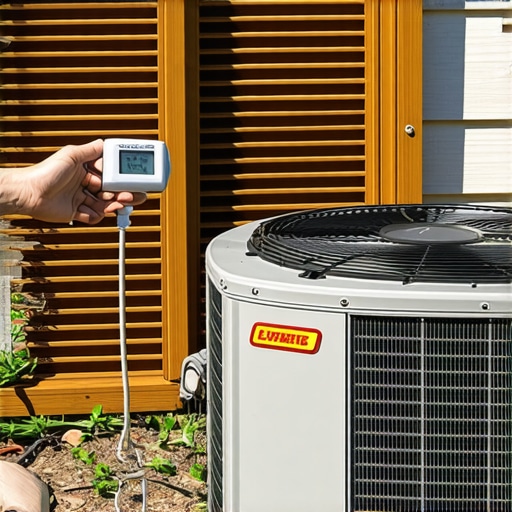
When it comes to long-term wood preservation near high-heat appliances, my absolute go-to tool is a non-contact infrared thermometer. I use this tool to measure the surface temperature of the screen slats while the AC is running on a 90-degree day. If the wood surface exceeds 120 degrees Fahrenheit, it is a clear warning sign that you need to increase your slat spacing or add some ventilation holes. Overheated wood dries out at an accelerated rate, which leads to cupping and splitting. To prevent this thermal degradation, apply a high-quality, deeply penetrating paraffin-based sealer rather than a surface film. This allows the wood fibers to breathe and expand without cracking under the intense dry heat generated by the condenser.
Looking ahead, the integration of outdoor utility camouflage is moving toward smart, modular systems. In the coming years, I predict we will see widespread adoption of automated, louvered screens that communicate directly with smart thermostats. These advanced screens will automatically open their slats wide when the compressor kicks into high-speed cooling mode, maximizing airflow, and then close tightly for a seamless aesthetic when the unit is idle. This level of responsive design is already influencing high-end projects, especially when planning modern shade structures; you can see this trend developing by keeping up with the latest pergola trends that emphasize dynamic, adjustable elements. For now, you can achieve a similar smart balance by simply upgrading your existing screen with a quick-release hinge system. I highly encourage you to try this advanced tip: swap out your fixed fasteners for heavy-duty gate hinges this weekend so you can swing the entire panel open during peak summer heat waves, giving your compressor an instant boost in breathing room when it needs it most.
When you are deep in the zone of creating a beautiful outdoor oasis, it is incredibly easy to overlook the physical laws of thermal dynamics. I see this all the time on DIY forums: homeowners think that as long as there is some space around the AC unit, they are completely safe. But here is the contrarian reality that most mainstream guides will not tell you: a wooden or composite screen actually alters the microclimate of your backyard. By trapping a pocket of warm, dense air around your unit, you are forcing your system to work significantly harder even if you left the recommended eighteen inches of space. You are not just building a partition; you are modifying the thermodynamics of your home.
Why does my AC screen feel like a radiator on hot summer days?
According to research by the National Renewable Energy Laboratory (NREL), local ambient temperatures around outdoor condensers can spike by up to ten degrees Fahrenheit when surrounded by poorly ventilated structures. This localized heat dome forces the compressor to run longer cycles, which in turn radiates heat outward, warming up nearby seating areas. If you constructed your screen out of standard wood, that constant heat cycling can cause the lumber to split. Even worse, if you chose poor materials, you might soon be searching for why your railing post sleeves are cracking at the base or warping under the intense thermal strain.
Crucial HVAC Lessons Learned the Hard Way
After a few seasons of adjusting my outdoor setup, I picked up some vital lessons that completely changed how I approach functional backyard builds. First, structural harmonic resonance is a real deck killer. If your AC screen is too close to your deck edge, the low-frequency rumble of the compressor can travel through the soil and find its way into your framing. Without proper damping, you might accidentally turn your beautiful overhead structure into an acoustic amplifier. To prevent this, experienced builders ensure that any adjacent structures, such as a backyard shade build, are anchored using heavy-duty hardware. Exploring pergola trends can show you how to properly anchor heavy posts to isolate noise and vibration completely.
Another common trap is selecting materials based purely on looks without considering thermal absorption. If you build your screen out of dark gray or black composite boards to match a modern aesthetic, those boards will absorb solar heat all day, acting like a giant radiator right next to your cooling unit. This is why I always warn homeowners to think twice about color choices in high-heat zones. This mistake is very similar to the classic pool deck blunder; you can read more about why you should avoid dark gray composite for poolside decks to understand how thermal mass affects your outdoor comfort.
The Specialized Toolkit Every Builder Needs
To pull this project off successfully and ensure long-term efficiency, you need a few specialized tools in your arsenal. I never start an appliance camouflage project without my non-contact infrared thermometer. I use this tool to measure the surface temperature of the screen slats while the AC is running on a 90-degree day. If the wood surface exceeds 120 degrees Fahrenheit, it is a clear warning sign that you need to increase your slat spacing or add some ventilation holes. Overheated wood dries out at an accelerated rate, which leads to cupping and splitting. To prevent this thermal degradation, apply a high-quality, deeply penetrating paraffin-based sealer rather than a surface film. This allows the wood fibers to breathe and expand without cracking under the intense dry heat generated by the condenser. Additionally, if you notice any wobbling in your vertical supports, you can quickly stabilize the entire assembly by installing the 20 bracket that fixes wobbly railing posts fast to reinforce the post-to-base connection.
Step Out of the HVAC Shadow and Build
Hiding those bulky backyard eyesores does not mean you have to sacrifice the health of your cooling system. By respecting the spacing limits, choosing the right thermal materials, and integrating smart access panels, you can seamlessly blend utility and luxury. Elevating your home’s exterior starts with clever details, and planning dynamic layouts is key to a beautiful innovative deck design ideas layout. Take a weekend to map out your clearance lines, pick your materials wisely, and reclaim your peace and quiet. Have you ever tried to hide your AC unit only to end up with a noisy patio or a choked compressor? Let me know in the comments below!