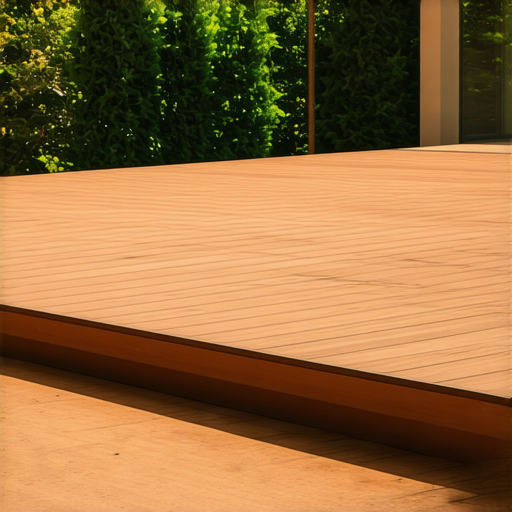
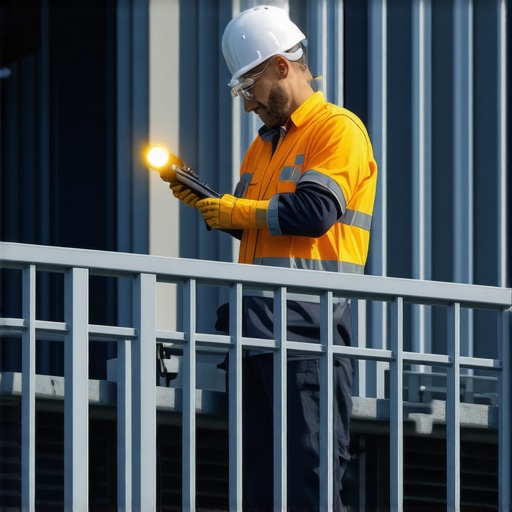
Last summer, I nearly took a tumble from my deck — a split second decision made me realize I had overlooked something crucial. The railing, which I had thought was sturdy enough, was actually showing signs of wear I hadn’t noticed. That lightbulb moment made me question: Am I really doing everything I can to ensure my outdoor spaces are safe for family, friends, and especially little ones? It’s easy to get carried away with stylish pergolas or trendy composite decking, but safety should never slide down the list.
Why Safety Checks Matter Now More Than Ever
With 2026 on the horizon, it’s a great time to re-evaluate our outdoor structures. Railing systems are often the first line of defense against accidents. Did you know that according to the Consumer Product Safety Commission, falls are among the leading causes of injury in outdoor spaces? That’s why a quick, regular inspection can save you from costly, painful mishaps. I’ve personally learned the hard way that neglecting these safety checks can turn a relaxing outdoor retreat into a hazard zone.
Is Your Railing Actually Safe or Just Looks Good?
When I started inspecting my own deck, I realized I had previously ignored some obvious signs of wear. My mistake was assuming that since the railing looked fine visually, it was still safe. This early oversight taught me that appearances can be deceiving. I want to help you avoid falling into the same trap. We’ll go through simple, effective safety checks that you can run in a quick 5-minute routine. This way, you can enjoy your outdoor space without constantly worrying about what might go wrong.
Conduct a Visual Inspection
Start by examining your railing for obvious signs of damage, such as cracks, loose fittings, or corrosion. During a personal check, I found a corroded bolt on my railing that was only visible upon close inspection—this small issue could have led to a hazardous collapse if left unnoticed.
Assess the Structural Integrity
Push and pull gently on the railing posts to test their stability. If they wobble or shift, tightening the fittings or replacing damaged posts is necessary. I once encountered a loose post that was easily tightened with a socket wrench, restoring my confidence in the safety of my deck.
Check Fasteners and Components
Remove a few screws or bolts to inspect their condition. Rusted or stripped fasteners need replacing. For example, I replaced corroded screws with stainless steel ones, which resist rust and enhance durability.
Evaluate Railing Height and Spacing
Ensure the railing height complies with local safety codes—typically 36-42 inches for residential decks. Check that balusters or spindles are spaced no more than 4 inches apart to prevent small children from slipping through. During my own review, I measured and confirmed my railing met these standards.
Test for Wear and Weather Effects
Look for due to weather exposure, such as wood swelling or metal rusting. After a winter storm, I noticed a wooden railing post swelling slightly, which I addressed by sanding down the swollen area and resealing it with waterproof stain. Consider incorporating materials like composite decking and railing systems for longer-lasting safety.
Utilize a Level for Accurate Measurements
Use a carpenter’s level to check if the railing is perfectly vertical. An skewed railing can indicate shifted posts or structural compromise. I used a level after noticing a slight lean, and adjustments with shims restored proper alignment.
Perform a Functionality Test
Try opening and closing gates or access points to ensure they lock securely. During my check, I tightened a loose latch, preventing potential accidental opening. Consistent testing ensures all moving parts work smoothly and reliably.
Document and Address Issues Promptly
Make a checklist of repairs needed. Don’t delay fixing loose fittings or replacing damaged components. I kept a repair journal for my deck, which helped me prioritize safety upgrades and schedule professional inspections as needed.
Regularly performing these steps can prevent accidents and prolong the lifespan of your outdoor structures. For design ideas that incorporate safety without sacrificing style, explore custom railing systems that blend durable materials with aesthetic appeal.
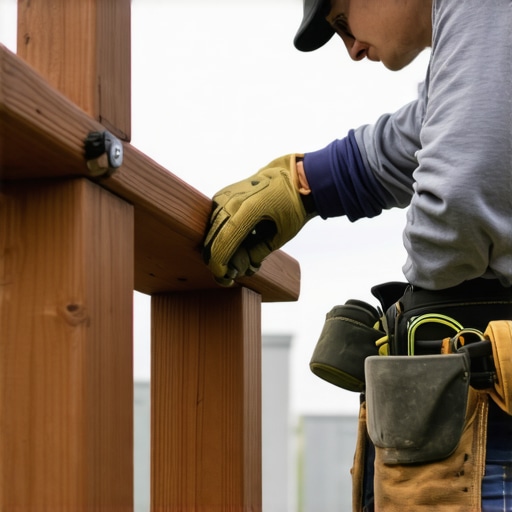 Many homeowners assume that selecting stylish features automatically guarantees safety and durability in their outdoor spaces, but this is a dangerous misconception. One prevalent myth is that choosing high-end materials or trendy designs ensures lasting quality. In reality, neglecting the nuances of proper installation and maintenance can turn what looks good into a safety hazard. For instance, an elegant-looking railing system might appear sturdy but could be compromised if fasteners are rusted or improperly installed, exposing your loved ones to unnecessary risks.
Is There More Than Just Looks When It Comes to Deck Safety and Style?
This is where many get tripped up—believing that aesthetics trump practical engineering. The truth is, overlooking the hidden engineering nuances can cause future failures even in the most beautiful setups. For example, composite decking materials like composite decking are often praised for their durability, but selecting subpar brands or incorrect installation methods significantly reduces their lifespan and safety. A common mistake is neglecting the importance of proper spacing and framing, which can lead to sagging or uneven surfaces over time. Moreover, many underestimate the importance of correct railing height and spindles spacing, which are critical components for preventing accidents, especially with children or pets. To avoid these pitfalls, it’s vital to go beyond the surface—consider the custom railing systems that combine style with steadfast safety. Furthermore, understanding the advanced design principles can elevate your outdoor space from ordinary to extraordinary, ensuring not just aesthetic appeal but genuine safety and longevity. The secret is balancing visual elegance with engineering robustness—a nuanced aspect often overlooked in DIY projects. Recognize that materials like pergolas or composite decking are investments in your home’s aesthetic and safety; hence, choosing quality and understanding their installation nuances guarantees peace of mind. As experts emphasize, paying attention to these subtle details can prevent costly repairs or, worse, accidents. Don’t fall for superficial beauty—dig deeper into the design intricacies that truly matter. Have you ever fallen into this trap? Let me know in the comments.
Maintaining your deck, railing systems, and pergolas over time requires more than just occasional visual checks; it demands precision tools and a disciplined approach. Personally, I rely heavily on professional-grade equipment like digital torque wrenches and moisture meters to ensure all fasteners are tightened correctly and that wood or composite materials remain in good condition. A digital torque wrench is invaluable because it allows me to apply the exact torque specified by manufacturers, preventing over-tightening that could crack materials or under-tightening that jeopardizes safety. For assessing moisture content, I prefer a high-accuracy moisture meter, which helps detect hidden rot or water ingress in wood components before visible deterioration occurs.
Beyond hardware, software tools also play a crucial role. Using structural inspection apps on my tablet, I can document wear, track maintenance schedules, and plan future upgrades. These apps often include photo documentation features, ensuring I have a visual record of issues like rusted fasteners or swollen pergola posts. For instance, I utilize the Ultimate Guide to Railing Systems, which provides illustrative checklists to compare current conditions against safety standards.
Regular maintenance is further simplified with preventive measures. I recommend setting a seasonal schedule—preferably quarterly—to inspect fasteners, clean surfaces, and reseal if necessary. For composite decking, incorporating tools like a power washer with a soft brush attachment helps restore the surface without damaging the material. Based on composite decking trends, I’ve found that sealing with a breathable stain every few years preserves color and extends lifespan.
In the future, I predict that integrating IoT sensors into outdoor structures will revolutionize maintenance. Imagine moisture sensors alerting you to potential rot or strain gauges monitoring stress points in real-time, allowing for proactive repairs before issues become critical. For now, using precise tools combined with regular inspection rituals will keep your outdoor spaces both beautiful and safe.
How do I maintain my deck over the years? Start with a comprehensive toolkit: high-quality torque wrenches, moisture meters, and inspection apps. Discipline in routine checks, combined with timely repairs, minimizes long-term costs and safety hazards. Never underestimate the importance of detailed documentation; it’s your best ally for long-term durability. These methods aren’t just theoretical—they’re proven to keep your outdoor structures functioning safely for years to come. I encourage you to try incorporating a moisture meter into your routine—it’s a game-changer for early detection of hidden issues that could otherwise lead to costly repairs or safety risks. For tailored advice, consider consulting professionals through contact us.
Throughout this journey, I’ve learned that the true art of outdoor design lies not just in aesthetics but in integrating safety seamlessly with style. The lessons I’ve shared stem from personal experiences, mistakes turned into wisdom, and a deep understanding that prioritizing safety elevates your entire outdoor living experience. Passionate about creating spaces that are both beautiful and secure, I encourage you to adopt a proactive mindset—regular inspections, embracing quality materials, and staying informed about the latest innovations can truly transform your deck into a lifelong haven.
Lessons From My Deck that Transformed My Approach
- Don’t Assume Looks Are Enough: A visually appealing railing can conceal hidden weaknesses. Regular checks reveal potential hazards before they turn into emergencies.
- Sometimes Simple Fixes Make the Biggest Difference: Tightening a bolt or replacing rusted fasteners can restore stability. Embrace DIY tools like digital torque wrenches for precision and peace of mind.
- Invest in Quality Materials and Design: Choosing durable, weather-resistant materials like select composite decking and custom railing systems provides long-term safety and style. It’s better to spend now than repair later.
- The Power of Routine Inspections: Setting seasonal reminders to evaluate your outdoor structures ensures issues are caught early, saving you time and expense in the future.
- Combine Aesthetics with Engineering Soundness: Elegant pergolas and stylish railings should meet strict safety standards. Combining beauty and function is the key to outdoor harmony.
Tools and Resources That Kept Me Ahead
- Digital Torque Wrench: Ensures fasteners are tightened to manufacturer specifications, preventing damage and ensuring reliability.
- Moisture Meter: Detects hidden rot or water ingress in wood and composite materials before visible deterioration occurs.
- Inspection Apps: Document issues, track repairs, and streamline maintenance schedules—keeping my outdoor spaces at their best.
- Trusted Reading Materials: Books on deck safety and design tips, such as those covering [custom railing systems](https://deckforgebuilders.com/transform-your-outdoor-space-custom-railing-systems-for-safety-and-style), have deepened my understanding and confidence in creating durable structures.
Your Turn to Elevate Your Outdoor Sanctuary
Creating a safe, stylish outdoor space is an ongoing process that rewards diligence and a willingness to learn. The next step is yours: evaluate your current setup, implement the routines and tools I’ve shared, and don’t shy away from expert advice when needed. Remember, a well-maintained deck and pergola aren’t just investments in your home—they’re investments in family safety and tranquility. Start today, and watch your outdoor space become a true extension of your lifestyle. Are you ready to make safety your top design priority? Share your plans below—I’d love to hear your story.
This post really hits home for me; I recently discovered some loose screws on my deck railing after noticing a slight wobble. Honestly, I would have never thought to check the fasteners or use a level if I hadn’t read about these safety tips. It’s surprising how quick a small oversight can turn into a safety risk, especially when you have little kids or even pets running around. I’ve started using a moisture meter just to catch early signs of wood rot, which I might not see with the naked eye, and it’s been a real eye-opener. I agree that regular inspections, even if they seem tedious, can prevent disasters and save money in the long run. Do others have recommendations for easy-to-maintain materials that resist weather damage but still look good? I’d love to hear what has worked well for others in maintaining both safety and style.
This post really emphasizes the importance of routine safety checks that many homeowners might overlook in their busy lives. A point I’d like to add is the value of upgrading to weather-resistant fasteners and corrosion-proof hardware, especially if you live in areas with high humidity or near the coast. These upgrades might seem minor initially but can significantly reduce the frequency of maintenance and replacement, keeping your deck safer over the years. When I first installed my railing, I used stainless steel screws and treated wood, which has held up well even after harsh winters. I also wonder, has anyone experimented with newer composite or vinyl railing options that promise less maintenance and enhanced durability? How do those materials compare in terms of long-term safety and aesthetics? Would love to hear personal experiences or recommendations!”,