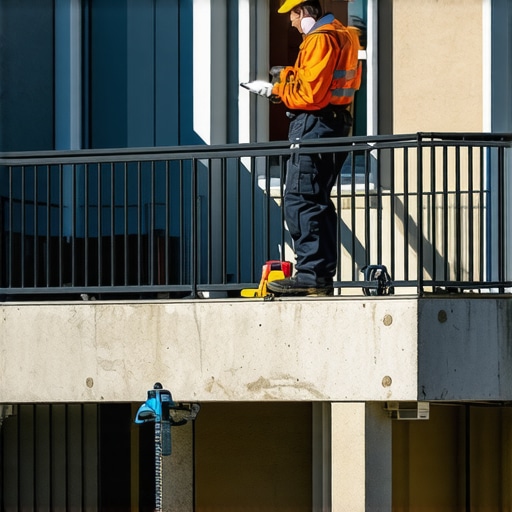
Last summer, I nearly lost my footing on my deck because I overlooked a tiny, rusted screw in the railing post. It was a light breeze, a moment of distraction, and suddenly I felt the unsettling wobble under my hand. That moment was a wake-up call—your outdoor space might look perfect, but hidden issues can become serious hazards faster than you think. I realized that many homeowners, including myself early on, tend to ignore routine safety checks until it’s nearly too late. Now, with the 2026 inspection looming, I want you to avoid making the same mistake.
Why Safety Checks Matter More Than Ever
Your deck, pergola, or balcony isn’t just about aesthetics; it’s about safety for you and your loved ones. Imagine hosting a summer barbecue and suddenly hearing a crack or seeing a loose railing collapse. It’s a terrifying thought, but so many accidents happen because of overlooked wear and tear. Regular inspections, especially in the lead-up to official safety checks, are your best defense.
According to a study by the National Safety Council, falls from decks are among the top causes of injury-related visits to emergency rooms—over 5,700 injuries annually in the US alone. And many of these incidents could have been prevented with simple, proactive safety measures. This is why I’ve made a commitment to run comprehensive safety checks on my outdoor structures before the 2026 inspection.
Have you experienced a moment of doubt about your railing’s stability or noticed minor damages that seemed insignificant at first? If so, you’re not alone. Many homeowners dismiss small issues, thinking they can wait until something more obvious appears. But, as I’ve learned through my own mistakes, these small signs often indicate bigger problems that need immediate attention.
In this post, I’ll guide you through the five most critical safety checks you should run now—yes, right now—to ensure your railings, decking, and pergolas stay sturdy and safe for years to come. By staying ahead of potential hazards, you’ll not only protect your loved ones but also preserve the beauty and value of your outdoor space.
Ready to take action? Let’s dive into the first crucial check that can save you from a costly emergency later on.
Start with a Visual Inspection of Structural Components
Carefully examine each post, beam, and joist for signs of rot, cracks, or insect damage. Use a flashlight to look for hidden issues, especially in dark corners. I once found a seemingly minor crack on a pergola post that was actually a stress crack caused by age. Replacing or reinforcing such parts prevents costly repairs later.
Assess the Railing System for Stability
Gently shake each railing section; it should feel firm and secure. Check the connection points where rails meet posts—loose screws or bolts are common culprits. My neighbor ignored a loose baluster for months, which eventually loosened further and posed a safety risk. Tighten any loose fittings with a wrench and replace damaged hardware. For higher safety standards, consider installing modern railing systems that blend safety and style.
Inspect Decking Boards for Wear and Damage
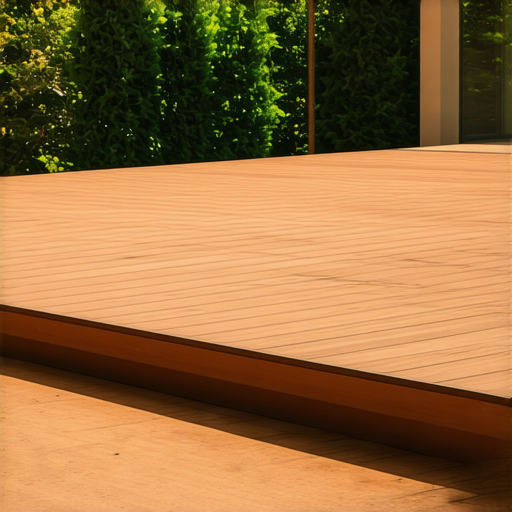
Run your hand over the surface—look for splinters, cracks, or warped boards. Pay particular attention to areas exposed to frequent water contact or high traffic. I once caught a warped composite deck board before it caused a trip hazard, simply by pressing down on each plank during a quick check. Replace damaged boards promptly, and verify they are properly fastened. Remember that composite decking, like the products discussed in top composite decking solutions, offers durability but still needs inspection.
Verify Fasteners and Connections
Check screws, nails, and other fasteners for corrosion or looseness. Corrosion can weaken connection points over time, especially in humid climates. I recommend using stainless steel fasteners for corrosion resistance. Unscrew and redo any loose or rusty fasteners, ensuring a secure fit. Using a power drill with the right bit saves time and effort.
Examine the Pergola for Storm Damage and Wind Resistance
Assess the roof and support beams for any signs of storm damage or movement. Make sure all anchor points are intact and that the structure withstands wind forces. In a recent storm, a pergola post loosened from its base due to soil erosion. I reinforced the base with concrete and deeper anchoring, preventing future issues. For local weather considerations, refer to pergola placement tips for high-wind areas.
Test for Water Drainage and Moisture Accumulation
Ensure that water flows away from all structural elements. Check for puddles or standing water after rain, which can accelerate rot or corrosion. I used a level and a hose spray to simulate rain, discovering some low spots in my deck that needed shimming. Proper drainage extends the lifespan of your outdoor structures.
Maintain and Document Your Findings
Keep a checklist of issues found and repairs made. Regular records help anticipate future maintenance needs. Schedule these inspections at least biannually, especially before seasonal changes. Staying proactive ensures your outdoor space remains safe and inviting, and helps meet code requirements like those in 2026 deck safety standards.
When it comes to outdoor renovations, many homeowners operate under assumptions that can lead to costly mistakes. One prevalent myth is that all composite decking is inherently maintenance-free. While modern composites like those discussed in best composite decking materials offer remarkable durability, neglecting proper installation and maintenance can significantly shorten their lifespan. Overlooking the importance of adequate ventilation and drainage can trap moisture, leading to warping or mold growth, which isn’t always obvious upfront. Furthermore, many believe that choosing a stylish railing system automatically ensures safety—this is a trap. Selection must consider load capacities and anchoring strength; an elegant but flimsy system might fail in storm conditions if not properly integrated, as detailed in ultimate railing system guide.
The hidden nuance most overlook involves understanding the advanced engineering behind pergola supports. Many assume that standard posts suffice; however, in high-wind areas, reinforced footings and steel integrations are essential. A common mistake is to simply rely on surface anchoring, risking collapse during storms. Experts like those in top pergola design ideas emphasize that structural integrity depends on foundation considerations often ignored by DIYers.
For seasoned homeowners, it’s crucial to recognize the pitfalls of relying solely on visual cues to assess safety. Cracks and discoloration may seem minor but could be symptoms of deeper structural issues, especially when combined with load-bearing stresses. Regular use of professional inspection techniques, such as ultrasound testing for wood rot or corrosion analysis for metal components, can identify issues before they become emergencies. Interestingly, a recent study by structural engineers highlights that most failures arise from overlooked subtleties—like hidden rust or misaligned joints—harboring danger here.
An advanced homeowner or professional should also question whether their design choices align with climate realities. For example, in coastal regions, salt exposure accelerates corrosion; thus, selecting stainless steel fasteners and sealed hardware isn’t just cosmetic but essential for longevity. The misconception that standard hardware suffices can be costly later.
Finally, understanding the broader trend in outdoor living spaces reveals that integrating multi-functional elements—like combining privacy screens with railing systems—can maximize space utility without sacrificing safety or style. This nuanced approach is often missed in standard designs but can be achieved with expert consultation, as shown in outdoor design innovations.
Has your experience challenged these assumptions? Do you see potential pitfalls in your outdoor project? Share your thoughts in the comments and let’s navigate these complexities together.Maintaining the integrity and beauty of your outdoor structures requires more than just routine inspections; it demands the right tools and precise methods. I rely heavily on professional-grade inspection equipment like ultrasonic wood testers to detect internal rot or decay that visual checks might miss. These tools emit high-frequency sound waves, enabling me to assess the condition of timber and composite components without dismantling the entire structure, ensuring longevity and safety.
For regular maintenance, I recommend investing in a power washer equipped with adjustable pressure settings. Using a low-pressure nozzle helps clean dirt, mold, and algae from composite decking without damaging the surface, which is especially crucial given the delicate nature of newer composites discussed in best composite decking materials. In addition, applying a weatherproof sealant specifically formulated for outdoor wood or composite surfaces can dramatically extend lifespan by preventing moisture infiltration, a common cause of warping and decay over time.
How do I keep my structures functional over the years?
Maintaining your deck and pergola isn’t a one-time task. It involves a scheduled routine—biannual inspections, cleaning, and component checks—to catch issues early. I log every maintenance activity, noting any hardware replacements or parts that need reinforcing, which aligns with best practices outlined in quick safety checks for 2026. For example, tightening loose fasteners and replacing corroded hardware prevents dangerous wobbles or structural failures, especially with high-wind weather trends predicted to increase according to climate reports.
Tools like an angle grinder and galvanized fasteners are also indispensable for making precise repairs, especially when replacing aged or damaged sections. Using quality stainless steel or coated fasteners ensures resistance against corrosion, critical for coastal or humid environments. This proactive approach, combined with the right tools, prepares your outdoor space for long-term durability and safety.
Looking ahead, I believe advancements in composite materials, such as smarter, self-healing polymers, will further simplify maintenance by naturally responding to minor damages. Yet, for now, incorporating high-precision diagnostic tools and regular preventive measures remain your best bet for keeping decks and pergolas in top condition.
If you’re serious about long-term results, try implementing ultrasonic testing for hidden decay or applying a routine sealant every two years. These small but powerful steps can dramatically improve your structure’s resilience. Remember, continuous maintenance isn’t just about safety—it’s about preserving the investment and enjoyment of your outdoor sanctuary for many seasons to come.
What the Toughest Lessons Taught Me About Outdoor Safety
- Don’t overlook small signs—those tiny rust spots or loose screws can be starting points for bigger problems. Recognizing these early warning signs saves money and prevents accidents.
- Invest in proper tools and techniques—testing for internal rot or corrosion with ultrasonic devices revealed hidden issues I would have missed with simple visual checks. Quality tools make a difference.
- Understanding climate impact is essential—coastal salt, high humidity, and storms all affect materials differently. Using the right hardware and reinforcement methods tailored to your environment is game-changing.
- Routine inspections aren’t a one-and-done effort—regular maintenance, documentation, and proactive repairs keep structures safe and long-lasting. Schedule biannual checks to stay ahead.
- Seeking expert advice can prevent costly mistakes—consulting professionals and following trusted resources like custom railing systems and pergola design tips helped me build confidence in my safety measures.
Tools and Resources That Made a Difference
- Ultrasonic wood testers: Enabled me to detect internal decay without destructive drilling—trustworthy and revealing.
- Stainless steel fasteners: Choosing corrosion-resistant hardware ensures longevity, especially in humid or coastal climates.
- Weatherproof sealants: Protecting wood and composite surfaces extends lifespan and maintains appearance.
- Online guides and professional consultations: Resources like comprehensive safety guides and expert advice provide confidence in decision-making.
Your Outdoor Space Could Be Safer Than You Think
Taking action on safety measures and embracing advanced inspection techniques can transform your outdoor area from just beautiful to truly secure. Remember, small steps today prevent major challenges tomorrow. Whether upgrading your railing system or reinforcing your pergola, each effort adds up to a sturdy, safe oasis. So, what’s the first safety check you’re planning to run this weekend? Share your plans below—I’d love to hear how you’re making your outdoor space safer for everyone to enjoy.
Reading this post really hit home for me, especially the part about small signs like rust or loose screws signaling bigger issues. I recently found a tiny crack in one of my deck posts that I initially ignored, thinking it was just weathering. After learning about these safety checks, I realize that even minor damages can escalate quickly if left unaddressed, especially with storm season approaching. I’ve started scheduling biannual inspections and keeping detailed logs of repairs. What’s been your most unexpected find during these routine checks? I’m curious if others also discover hidden problems that initially seemed insignificant but turned out to be critical.