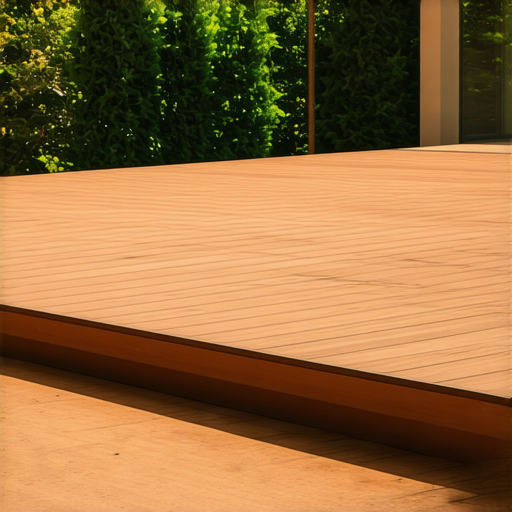
I vividly remember standing in my backyard, staring at a stack of unused composite decking boards, feeling a mix of frustration and disbelief. I had envisioned a beautiful new deck, but the costs? They were skyrocketing faster than I had anticipated. My initial mistake was underestimating the importance of precise measurements and efficient cutting strategies, which led to unnecessary waste and higher expenses. That lightbulb moment changed everything.
Today, I want to share with you the secrets I uncovered to significantly cut down composite decking costs, especially as eco-friendly and durable materials become more popular for modern outdoor spaces. If you’re like me, planning a deck project for 2026, you probably have questions about balancing quality and budget. Well, you’re in luck! We’re going to explore practical, experience-backed tips to help you save big time without compromising on style or safety.
Why Budgeting for Composite Decking Matters Now More Than Ever
In recent years, composite decking has surged in popularity, thanks to its durability and low maintenance. According to industry reports, the market for composite materials is expected to grow substantially through 2026, with sustainable options gaining ground in response to environmental concerns. But with this growth comes increased prices and the challenge of stretching your budget while still achieving your dream outdoor setup.
One of the biggest hidden costs is material waste—cutting errors, over-purchasing, and inefficient use of precious planks. Early on, I made the mistake of buying large quantities without proper planning, which resulted in leftover scraps that I didn’t know what to do with, ultimately costing me more. Trust me when I say that proper planning in the cutting process can make a difference of hundreds of dollars, especially on larger projects.
So, what’s the fix? I learned that mastering precise measurement and knowing how to cut composite decking efficiently is essential. Not only does it help conserve materials, but it also reduces waste and speeds up your project. For tips on designing your project to minimize waste, check out innovative ideas that elevate your outdoor space. Are you ready to discover the strategies that turned my budget nightmare into a success story? Let’s dive in—and feel free to reach out via our contact page if you need personalized guidance.
Is Cutting Costs on Composite Decking Actually Worth It?
Many skeptics worry that trying to save money might compromise quality or safety. I admit, I was cautious at first—unsure if skimping on material or rushing through cuts would backfire. Turns out, it’s all about smart planning. To avoid common pitfalls, I once overlooked a crucial step: double-checking my measurements before cutting. That simple mistake cost me a day’s work and extra materials. Learn from my blunder—prepare thoroughly to ensure your cuts are precise, reducing costly errors.
By adopting efficient cutting techniques, you gain not just savings but also peace of mind. When you’re ready to elevate your project, explore deck design ideas and innovative railing systems that provide safety and style. Remember, proper planning, careful measurement, and the right tools will be your best allies in this journey. Ready to transform your outdoor space without breaking the bank? Let’s get started.
Measure Twice, Cut Once for Precision Material Use
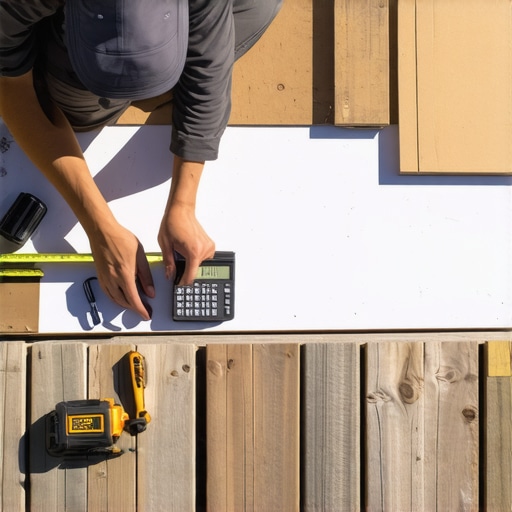
Start with detailed measurements of your space, including angles and obstructions. I once skipped a careful measurement, which led me to cut a board too short, wasting both material and time. To avoid this, use a tape measure and marking tools to outline your cuts before sawing. Double-check all dimensions, especially around corners and stairs, to ensure accuracy. This simple step minimizes waste and saves money. For more insights on design ideas that save costs and boost style, check out our deck design tips.
Optimize Cutting Strategies with Jigs and Templates
Using a custom jig or template helps replicate cuts across multiple boards, ensuring consistency. I built a wooden template for my deck boards, which sped up the process and reduced errors. To do this, cut a sample piece to your exact measurement, then use it to trace multiple boards. This is especially useful when dealing with unique angles or decorative cuts. Investing a little time in creating these templates results in professional-looking finishes and less material waste, ultimately cutting costs. When planning your project, consider browsing modern design ideas for inspiration.
Plan Your Layout to Minimize Waste
Layout your decking pattern on the ground before cutting. I laid out all my planks in the pattern I wanted, which revealed how to cut the least number of boards for my space. This approach also helps identify scraps that can be used for small projects, like benches or planters. Use a chalk line or marker to outline cuts directly on the boards, avoiding mistakes. Efficient layout planning ensures you buy only what you need, reducing over-purchasing expenses. For comprehensive guidance on creating durable outdoor spaces, see our trend report.
Choose Quality Materials That Save Over Time
Opt for premium composite decking that resists warping and fading—saving future repair costs. I selected a well-reviewed brand that proved durable over rough weather, preventing the need for early replacement. Investing upfront in quality pays off by reducing maintenance and prolonging the lifespan of your deck. For safety and style in your railing system, explore our railing design options.
Use Power Tools with Proper Safety and Technique
Power saws make quick, precise cuts, but only when used with correct safety precautions. I once tried a manual saw for a long straight cut, which took forever and resulted in uneven edges. Upgrading to a circular saw with a guide ensured straight, clean cuts and saved me hours. Always wear safety goggles and ear protection, and secure your material firmly before cutting. Mastering the right tools enhances efficiency and reduces errors that can lead to increased costs. Need ideas to elevate your outdoor living? Visit our deck upgrade guides.
Strategic Material Purchases and Supplier Relationships
Build relationships with suppliers for bulk discounts and reliable delivery. I negotiated with a local distributor, which provided me with a discount on a large order of composite boards, saving hundreds. Always compare prices and quality, and consider seasonal promotions to get the best deals. Avoid impulse buys—plan your purchases according to your detailed layout and measurements. For trending materials and solutions, see the latest trends.
Many homeowners believe that choosing the most popular composite decking brand guarantees longevity and style, but reality is often more nuanced. One widespread myth is that all composite materials resist warping equally; however, certain formulations with specific UV inhibitors and stabilizers outperform others, especially in high-traffic or coastal environments. Experts suggest scrutinizing the product’s composition—consulting resources like industry trend reports can help you avoid short-lived purchases and ensure durability over years of outdoor use.
Why do so many overlook the importance of proper installation for long-term performance?Maintaining your composite decking and associated features like pergolas and railing systems requires precision tools and reliable methods. I personally rely on a high-quality circular saw with a fine-tooth blade, such as the Makita 5477NB, because its superior blade design reduces splintering and provides cleaner cuts—crucial for both aesthetics and long-term durability. Paired with a cordless drill equipped with adjustable torque settings, I can handle screw insertion efficiently without overdriving, which prevents warping over time. To measure, a laser distance measurer like the Bosch GLM 50 C offers rapid, accurate readings—even around irregular corners—saving me hours during layout and planning. For layout consistency, I use digital angle finders such as the Bosch 12-in. digital level to ensure accurate cuts on angles and corners, preserving structural integrity and visual appeal.
For software, I find SketchUp invaluable for detailed deck design, allowing me to visualize the plan and optimize material use before cutting begins. This reduces waste—a significant cost factor—especially as composite prices continue to rise.
Prediction for the future suggests that automation and IoT integration will play a larger role; smart sensors embedded in decks could alert homeowners to maintenance needs before issues develop, extending the life of the outdoor space.
**How do I maintain composite decking over time?** Regular inspections, cleaning with gentle solutions, and timely replacement of damaged joists preserve safety and appearance. Employing these tools and practices ensures your deck remains a beautiful, durable part of your outdoor living for years to come. To streamline your project planning, consider consulting our contact page for expert guidance. Also, don’t forget to try advanced layout tips like digital angle measurements—they’re a game-changer for precision and waste reduction, especially in complex designs. Remember, investing in the right tools today pays dividends long-term by minimizing costly repairs and replacements.
Lessons the Decks Didn’t Teach Me About Budgeting
- One of the most surprising lessons was how a small oversight—like forgetting to account for stair stringer cuts—can inflate costs and timeline. Precision in planning isn’t just about aesthetics, but about financial efficiency.
- I used to believe premium materials guaranteed longevity, but I learned that proper installation and maintenance often matter more. Sometimes, the smartest investment is in education—like understanding your tools and materials deeply.
- Encountering unexpected weather delays taught me to plan for extra buffer days and supplies. Flexibility in your project timeline minimizes stress and prevents costly last-minute purchases.
Tools and Resources that Elevated My Deck Game
- SketchUp became my digital blueprint buddy—visualizing layouts minimized waste and guided my measurements. It’s a game-changer for planning complex designs efficiently.
- For measuring angles and ensuring precision, digital tools like Bosch’s laser measures made sure I cut exactly where I intended, saving me hours and materials.
- When selecting materials, I trusted industry trend reports and reviews—learning which formulations stand up to sun, rain, and foot traffic helps me pick what lasts.
Time to Build with Confidence and Creativity
“Building your dream outdoor space on a budget is absolutely achievable if you embrace smart planning, right tools, and continuous learning. Every project teaches you something—why not make your next one the most informed yet? Dive into resources, ask questions, and don’t let fear hold you back from creating a backyard retreat that you’ll cherish for years. Ready to give your outdoor space the upgrade it deserves? Share your plans below or reach out through our contact page—I’d love to help you turn ideas into reality!”}#}#}#}#}#}#}#}#}#}#}#}#}#}#}#}#}#}#}#}#}#}#}#}#}#}#}#}#}#}#}#}#}#}#}#}#}#}#}#}#}#}#}#}#}#}#}#}#}#}#}#}#}#}#}#}#}#}#}#}#}#}#}#}#}#}#}#}#}#}#}#}#}#}#]},{