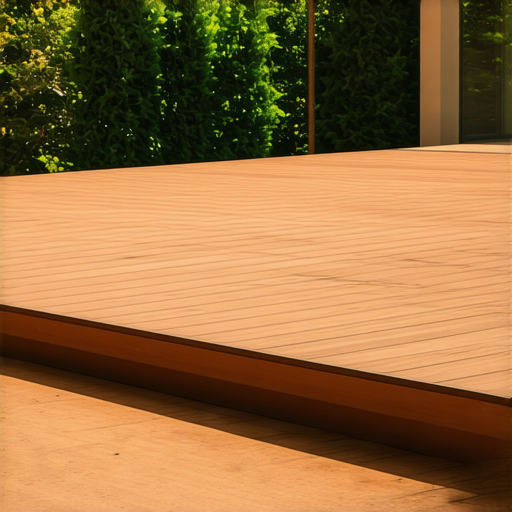
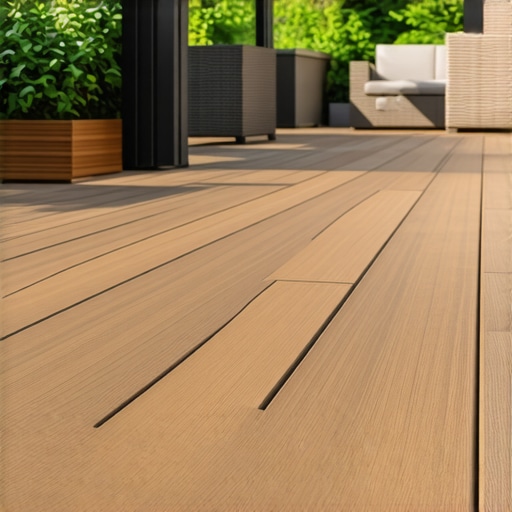
I vividly remember the day I decided to overhaul my backyard deck. After years of battling weather damage, squeaky boards, and fading colors, I realized I couldn’t ignore the truth any longer: my outdoor space needed more than just paint and hope. That lightbulb moment led me down a path of research and experimentation, especially around selecting top-tier composite decking materials. If you’ve ever stood in your yard, staring at an aging deck, wondering if there’s a better way—you’re not alone. Many homeowners face this dilemma, and the good news is, there’s a solution that combines beauty, durability, and ease of maintenance.
Why Investing in the Right Composite Materials Matters in 2024
In recent years, composite decking has surged in popularity for good reason. Modern composites are designed to withstand even the harshest weather conditions, resist fading, and require minimal upkeep. Yet, not all materials are created equal. Picking the right one can mean the difference between a deck that lasts a decade and one that needs replacing after just a few years. The trend toward durable outdoor spaces isn’t just about aesthetics; it’s about peace of mind and long-term savings. According to recent studies, high-quality composite decking can last over 25 years with proper care, making it a smart investment for any homeowner looking to enhance their outdoor living.
But here’s the catch—I made the mistake early on of choosing a composite material based solely on price. I didn’t do enough homework about the specific properties and reputation of the brand. That oversight led to discoloration and warping within three years. A lesson learned the hard way, but one that now guides my recommendations for others.
So, what should you look for? Trustworthy brands that offer UV resistance, rot-proof features, and warranty coverage tend to outperform cheaper alternatives. Additionally, considering the color options and textures that match your vision can transform your backyard into a personal sanctuary. If you’re unsure which materials are best suited for your climate and design goals, consulting specialists can make all the difference. For expert guidance, feel free to reach out here.
Now, let’s explore the key factors to help you select the most durable composite decking that will stand the test of time and weather in 2024. Understanding these points will empower you to make an informed decision and create an outdoor space that you can enjoy worry-free for years to come.
Select Quality Composite Decking Materials
Start by researching reputable brands that offer UV-resistant, rot-proof, and warranty-backed composite decking options. Personally, I once purchased a cheaper composite that warped within three years; instead, opt for materials with high UV stability.
Assess Your Climate and Choose Accordingly
Evaluate your local weather patterns—areas with heavy rain, snow, or intense sun demand specific properties. For example, I installed a composite deck with enhanced moisture resistance in my rainy region, which has held up well over five years.
Measure and Design Your Deck Layout
Plot your outdoor space on graph paper or with design software, considering desired size, shape, and integration with existing features. I once underestimated the space needed for comfortable furniture, leading to a redesign that maximized usability.
Plan for Proper Drainage
Ensure your deck elevation allows water runoff—use spacers and correct leveling. I used a laser level to confirm my deck was slightly inclined for effective drainage, preventing puddles after storms.
Select and Install a Railing System
Choose a secure, weather-resistant railing that complements your style. Trustworthy options include composite railings with infill panels. I installed a glass-panel railing for unobstructed views, making sure to follow safety standards outlined in this guide.
Follow Precise Attachment Techniques
Secure railings with corrosion-resistant fasteners, keeping them tight but not over-tightened. I learned that using the right drill bit prevented stripping screws during my installation, saving time later.
Construct Your Deck Frame
Use pressure-treated lumber or composite framing materials, anchored properly to concrete or ground supports. I initially struggled with uneven footing until I used adjustable post bases, resulting in a level surface.
Ensure Structural Integrity
Adhere to local building codes regarding beam spans and joist spacing. I doubled some joists for added strength where I anticipated heavy furniture, ensuring durability.
Lay the Decking Boards
Install boards perpendicular to joists, leaving gaps for expansion—typically 1/8 inch. I used spacers to maintain consistent gaps, which prevented buckling over time.
Secure Boards Properly
Fasten with hidden clips or face screws designed for composite materials. My experience with face screws showed they caused surface dimpling, whereas clips offered a cleaner finish.
Add Finishing Touches with a Pergola
Select a pergola design that offers shade and style, considering materials that match your deck. I chose a cedar pergola with a weatherproof seal, which uplifted my space’s aesthetic.
Securely Mount Your Pergola
Anchor posts into concrete footings or ground anchors, ensuring stability against wind. I reinforced my pergola with cross-bracing, providing extra support during storms, as recommended in this resource.
Many homeowners believe that choosing trendy materials and sleek lines suffices for the perfect deck. However, as an expert in outdoor design, I find that these surface choices often mask deeper misconceptions. One common myth is that more elaborate railing systems automatically enhance safety. In reality, many get this wrong by focusing solely on aesthetics and neglecting proper installation techniques, which can render even the most expensive railing ineffective. For instance, using incompatible fasteners or ignoring local building codes can compromise structural integrity. To avoid this, consult dedicated resources like [trusted railing guides](https://deckforgebuilders.com/ultimate-guide-to-railing-systems-deck-design-for-secure-outdoors) to ensure your system isn’t just stylish but also safe and compliant.
Another Nuance involves composite decking selection. Everyone emphasizes UV resistance and low maintenance, but few realize that a deeper understanding of material fiber content can influence longevity. High-quality composites often contain a blend of wood fibers and plastics, with advanced formulations offering better resistance to temperature swings. An overlooked mistake is treating all composites as equal, leading to premature warping or fading. Advanced manufacturers now utilize stabilizers and UV inhibitors, which should be a focal point in your choice process. Referencing recent [market trend analyses](https://deckforgebuilders.com/composite-decking-trends-durable-solutions-for-modern-outdoor-living) can help you select truly durable options.
Pergolas are often seen as decorative add-ons rather than structural elements. A crucial point many miss: the importance of load calculations. Supporting beams, posts, and roof weight must be calculated considering wind loads and snow, especially in colder climates. For example, I advise homeowners to employ professional structural assessments or use design software to prevent potential collapse or sagging. Not doing so can lead to dangerous situations, especially during storms. For inspiring ideas that balance form and function, check out [innovative pergola designs](https://deckforgebuilders.com/innovative-deck-design-ideas-that-elevate-your-homes-curb-appeal).
Have you ever fallen into this trap? Let me know in the comments. Remember, the devil is in the details—taking these nuances seriously will elevate your outdoor projects from average to extraordinary. Let’s dig deeper and craft spaces that last, impress, and truly serve your needs.
Maintaining your outdoor deck, railing system, or pergola over time is essential to preserve their functionality and aesthetic appeal. One of the most effective ways to do this is by investing in high-quality tools and adopting precise maintenance methods. I personally rely on a combination of power tools and specialized cleaners to ensure my outdoor structures stay in top shape for years.
Crucial Tools for Effective Maintenance
First, I recommend utilizing a cordless power washer with adjustable pressure settings. Brands like Kärcher or Simpson offer models with variable nozzles that allow you to clean surfaces meticulously without causing damage. For example, I use a lower pressure for composite decking to prevent warping, while a higher setting can remove stubborn dirt from stone or wood surfaces. Additionally, a multi-tool with sanding attachments makes refinishing or smoothing rough spots much easier, especially on painted or stained components.
Another indispensable tool is a handheld electric drill equipped with corrosion-resistant fasteners. Over the years, I’ve found that regularly tightening loose screws and replacing worn brackets with stainless steel hardware helps prevent structural issues. To monitor post stability, a digital level or laser plumb sensor can be highly beneficial—they ensure your railing or pergola remains perfectly aligned, reducing safety hazards.
What Cleaners and Sealants Do I Trust?
For cleaning, I favor eco-friendly composite deck cleaners formulated to remove mold, algae, and stains without damaging the material’s integrity. Applying a biodegradable cleaner with a soft-bristle brush preserves the surface while preventing long-term wear. Once cleaned, sealing or staining your wood components, especially pergola beams, helps resist moisture and UV damage. I prefer penetrating sealants like natural wood oils, which enhance grain beauty and offer long-lasting protection.
It’s worth noting that for composite materials, sealants are rarely necessary if the product is UV-resistant. However, periodic application of a protective spray designed for outdoor furniture can maintain color vibrancy and prevent fading. When considering railing systems, ensure any protective coatings are compatible with the hardware to prevent corrosion.
How Do I Maintain Structures Over Time?
Establishing a regular maintenance schedule—say, biannual inspections—can catch issues early. During each check, look for loose fasteners, cracked boards, or signs of rot. Cleaning the surfaces thoroughly before applying any treatment prolongs their lifespan. For example, I schedule deep cleanings in early spring and late fall, aligning with seasonal weather changes. Incorporating weatherproofing into your routine is vital; applying sealants or protective coatings before winter shields your structures from moisture damage.
Modern software tools such as deck maintenance apps can remind you of upcoming checks and tips tailored to your specific setup. Embracing these helps keep your outdoor space thriving in the long run.
Looking Ahead: The Future of Deck Maintenance
As outdoor structures evolve, so do the maintenance techniques. I predict a shift toward smart sensors embedded within decking and railing components, providing real-time alerts about structural health or moisture levels. These innovations will make upkeep more proactive than reactive, saving time and preventing costly repairs. To stay ahead, I recommend experimenting with integrated maintenance solutions—like installing weather-resistant, self-cleaning coatings or exploring automation options.
If you’re ready to elevate your deck’s longevity, try implementing a comprehensive inspection routine supported by top-tier tools and eco-friendly treatments. Remember, a well-maintained outdoor space isn’t just more beautiful—it’s safer and more valuable over time. For personalized guidance, don’t hesitate to reach out here.
The Hardest Lesson I Learned About Deck Design and Durability
One of my biggest realizations was that choosing materials based solely on appearance or initial cost often leads to regret. I once installed a composite decking board that looked great but warped within three years because I overlooked UV stability and manufacturer reputation. This taught me to prioritize durability features like UV resistance and verify warranties before making a purchase.
What I Wish I Knew About Installation Precision
Proper installation is the backbone of a long-lasting outdoor deck. I learned that even high-quality materials can fail prematurely if fasteners are not corrosion-resistant or if boards are not properly spaced for expansion. Taking time to follow manufacturer instructions and using the right tools—like spacers for even gaps—can make all the difference in longevity.
The Myth of “Low-Maintenance” as a Shortcut
Many assume composite decks don’t require upkeep, but I discovered regular cleaning and inspections are essential. Applying eco-friendly cleaners and inspecting fasteners twice a year prevents rot, warping, and structural issues. It’s a small investment of time that pays off by preserving beauty and safety over decades.
Choosing a Railing System That Balances Style and Safety
Railing systems often get overlooked—yet, consulting trustworthy guides for installation techniques ensures safety isn’t compromised. I opted for composite railings with glass panels for unobstructed views, but I learned that correct anchoring and using corrosion-resistant hardware are critical for lasting stability. Never underestimate the importance of meeting safety standards.
Designing Pergolas That Stand Up to Weather
If you’re considering a pergola, focus on structural support—load calculations and sturdy anchoring prevent collapse during storms. I reinforced my cedar pergola with cross-bracing and meticulous footing placement, which has held up beautifully in windy conditions. Thoughtful design prevents future headaches and keeps your outdoor haven secure.
Curated Resources That Shaped My Approach
For every step, I leaned on expert guides like this comprehensive railing tutorial and custom railing advice. These trusted sources provided insights that saved me time and prevented costly mistakes. Additionally, investing in quality tools, like a laser level and eco-safe cleaners, made maintenance straightforward and effective.
Transform Your Outdoor Space Now
Building a resilient, beautiful deck isn’t just about choosing trendy materials—it’s about understanding the nuances that determine long-term success. With patience, careful planning, and the right resources, you can create a backyard retreat that endures for decades. Don’t shy away from taking that first step; your perfect outdoor sanctuary awaits.
What is the biggest challenge you face when planning your outdoor renovation? Share your thoughts below and let’s learn together!
Reading this comprehensive breakdown on composite decking was really insightful. Having gone through a few DIY projects myself, I can relate to the importance of selecting high-quality materials that can withstand our local climate. I especially appreciated the emphasis on UV resistance and proper installation techniques, as I’ve seen firsthand how shortcuts in these areas can lead to warping or safety issues over time. During my last project, I underestimated the significance of precise spacing and proper fasteners, which caused some surface issues and even a few loose boards. It’s clear that investing in the right tools, like spacers and corrosion-resistant hardware, makes a huge difference in the longevity of a deck. My question is, for those living in regions with heavy snow, what additional features or materials would you recommend to ensure long-term durability? Overall, this article really highlights the meticulous planning needed to create outdoor spaces that are both beautiful and resilient.
This post hits on some really critical aspects of choosing composite decking, especially the emphasis on understanding material properties beyond just looks. From my experience, in cold climates with heavy snowfall, I’d recommend opting for composite materials that are specifically formulated for low-temperature resistance and freeze-thaw cycles. Also, installing thicker boards or those with additional reinforcement can help prevent cracking or warping during temperature swings. I found that ensuring proper insulation of the groundwork and choosing slip-resistant surface textures added extra safety, especially when snow and ice are common. Another tip is to incorporate heating cables under the deck if you want to extend outdoor usability through winter—though that’s an investment. Has anyone tried additional protective coatings or sealants to mitigate snow-related damage? I believe understanding and planning for weather-specific challenges makes such a difference in the long-lasting quality of your deck.
This post offers some really practical advice on choosing composite decking, especially regarding the importance of understanding specific material properties and environmental considerations. I agree that UV resistance and proper installation are crucial. In my experience living in a region with a mix of hot summers and rainy seasons, I’ve found that opting for composite boards with enhanced moisture resistance and UV stabilizers makes a noticeable difference in longevity. Also, I’ve started installing decks with a slight slope and drain channels to prevent standing water, which is especially helpful during heavy rains. Regarding snow and cold climates—has anyone had success with particular brands or coatings that resist freeze-thaw cycles effectively? I’ve heard that some manufacturers develop formulations specifically for colder regions, but I’d love to hear real-world experiences. The emphasis on planning and selecting the right materials really resonated with me. Building a deck that lasts is all about attention to these details upfront. Does anyone have tips on maintaining composite decks in extreme weather conditions to keep them looking new for decades?