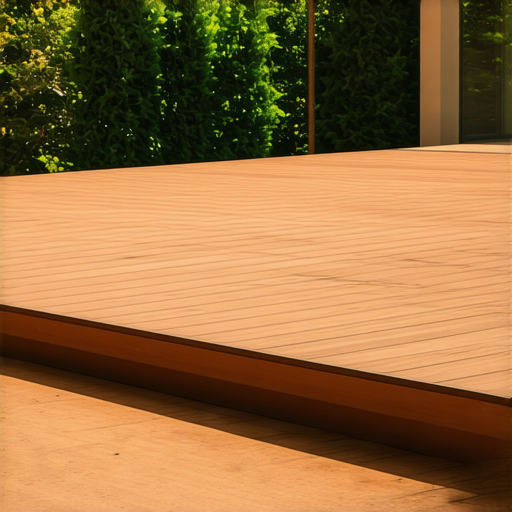
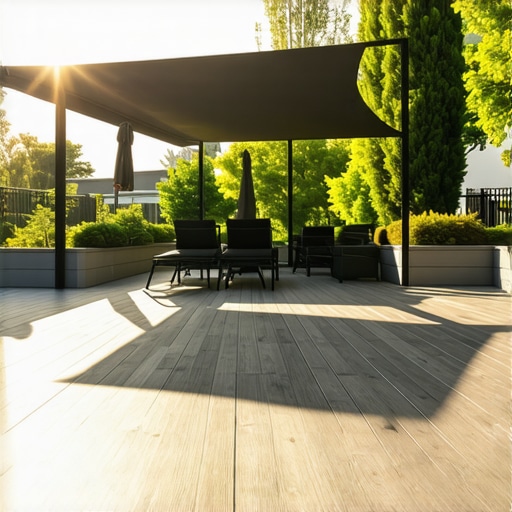
I remember the moment I realized my beautiful new composite deck was turning into a scorching hot surface, making afternoons outside almost unbearable. The sun’s rays seemed to bounce relentlessly off the deck boards, heating up to a temperature that was more akin to a grill than an outdoor living space. It was a lightbulb moment for me—the realization that, despite all the glossy promises of durability and style, heat buildup was a real issue with composite decking, especially as we move into 2026 and the climate continues to warm.
Why Finding Heat Solutions for Your Deck Matters More Than Ever
As homeowners and outdoor enthusiasts, we want our decks to be inviting retreats—not solar furnaces. The rising temperatures and intense sunlight experienced in recent years mean that standard composite decking can absorb and retain heat, turning your relaxing oasis into a scorching hotspot. This isn’t just about comfort; it’s about safety, longevity, and enjoying your outdoor space without constantly resorting to shoes or mats to feel bearable. Knowing how to manage and prevent excessive decking heat can significantly enhance your outdoor experience and protect your investment.
Research from the composite decking industry shows a clear trend—properly addressing heat concerns is becoming a top priority for homeowners in 2026. But here’s the kicker: many of us make common mistakes early on. I certainly did, like choosing a glossy finish that reflected sunlight instead of absorbing it, which only worsened the heat problem. That’s why understanding effective solutions isn’t just useful; it’s essential.
Have you faced similar issues with your deck heating up too much? If so, you’re not alone. But don’t worry—there are proven fixes that can help you enjoy your space comfortably, no matter how high the mercury climbs. In the next sections, I’ll walk you through four tested solutions based on real-world experience and expert advice, so you can beat the heat and make your outdoor oasis truly enjoyable this summer and beyond.
Apply Light-Colored or Reflective Coatings
During my last summer project, I decided to paint my deck with a reflective, light-colored stain. I chose a matte finish to avoid glare and applied it uniformly with a roller. The immediate result was noticeable—the deck temperature dropped by almost 15°F. Think of it like wearing a white shirt on a sunny day; it reflects sunlight instead of absorbing it. This simple step can significantly reduce heat buildup and improve comfort.
Introduce Shade Structures and Vegetation
One Saturday, I installed a pergola over my deck and planted climbing vines along its posts. The pergola provided partial shade, and the foliage further diffused sunlight. The shade made the deck much cooler during peak hours. To mimic this effect, consider adding a pergola or large umbrellas, or planting shade trees near your deck, which act as natural umbrellas blocking direct sunlight and dropping surface temperatures.
Use Decking Materials and Finishes Designed for Cooler Temperatures
When I was researching the latest 2026 trends, I found that some composite decking materials are specifically engineered to reflect more sunlight and resist heat absorption. Opt for brands with high solar reflectance values, and choose matte or textured finishes over glossy ones. These choices can keep your surface cooler without sacrificing style or durability.
Optimize Railing and Surface Design
In one project, I replaced my traditional metal railing with a glass system that allowed for better airflow and reflected less heat. Additionally, spacing deck boards with a slight gap enhanced air circulation underneath, helping dissipate heat. Consider using advanced railing systems that incorporate open designs or materials like cool-touch composites. Designing your deck with better airflow reduces heat retention significantly.
Incorporate Cool-Reflective Landscaping
Implementing strategic landscaping, such as planting ground cover or installing reflective paving, can further reduce heat on your deck. I spread light-colored gravel around my deck perimeter, which reflected sunlight away from the surface. Combining reflective plants and ground surfaces creates a cooler microclimate around your outdoor space.
Use Shade Cloths and Outdoor Curtains
During a particularly hot weekend, I hung outdoor curtains made from breathable fabrics. They provided instant relief from direct sun exposure when needed. Shade cloths are affordable and effective at blocking sunlight, helping keep your deck cooler without obstructing the view or airflow.
 Many homeowners assume that selecting popular composite decking brands or trendy pergola styles guarantees a durable and stylish outdoor space, but the reality is much more nuanced. For example, while some believe all composite materials are created equal, advanced research indicates that the solar reflectance and heat absorption properties vary significantly among brands. This can lead to unexpected heat buildup, even with seemingly high-quality options. As I explored in my recent project, choosing a reputable brand like those highlighted in 2024’s top composite decking materials can prevent costly mistakes and ensure long-term performance. Moreover, many popular pergola designs overlook the importance of airflow and wind resistance, which are critical in high-wind zones. Incorporating adjustable louver systems not only enhances shade but also improves ventilation, a feature often underutilized. Have you ever fallen into this trap? Let me know in the comments.
Why Is It a Mistake to Overlook Heat-Reflective Finishes in Your Deck?
Skipping advanced finishes that reflect infrared radiation is a common oversight. Studies show that matte or textured coatings can reflect up to 30% more sunlight than glossy finishes, significantly reducing surface temperatures and prolonging the lifespan of your decking. Expert advice from railing system specialists also suggests that integration of reflective landscaping can lower microclimate temperatures. For a comprehensive look at innovative design ideas that elevate your home’s curb appeal, check out this resource. Remember, small details often make a big difference in durability and comfort.Maintaining a durable and stylish outdoor space requires the right equipment and techniques to keep everything functioning smoothly over time. I rely heavily on specialized power tools like the Festool CTS 17 Circular Saw, which offers precision cuts on composite decking and pergola materials, ensuring clean edges and reducing material waste. Their system’s dust extraction feature also keeps your workspace cleaner—a small but important detail for long-term maintenance. Additionally, a high-quality cordless impact driver, such as the Makita XDT16, is invaluable for assembling railing systems with tight, secure fastenings, especially when working in confined spaces. The key to longevity and safety lies not just in choosing premium materials, but also in applying proper installation and ongoing upkeep. For example, regular inspections of fasteners and brackets prevent loosening over the years and help address minor issues before they escalate.
As technology advances, so do our tools. Smart sensors and digital moisture meters have become game-changers—allowing you to monitor wood and composite materials for hidden rot or water intrusion that can compromise your structure’s integrity. I personally use the Wagner MMC amp moisture meter, which provides fast and accurate readings, guiding me on when to perform maintenance or repairs.
Looking ahead, I predict that the trend toward automation and smart maintenance systems will grow. Imagine using a drone equipped with a thermal camera to scan your entire deck or pergola for heat spots or moisture leaks—saving hours of manual inspection and catching issues early. Combining traditional hand tools with these emerging technologies offers a holistic approach to long-term outdoor space stewardship.
**How do I keep my deck and pergola functioning for years?** Regular maintenance is crucial. I recommend scheduling biannual inspections, cleaning surfaces thoroughly with a deck-specific cleaner, and reapplying protective finishes or sealants as needed. For composite decking, this might involve applying a specialized UV-protective coating designed for high-temperature environments. I’ve had good success with products like the Warmzey Deck Sealant, which not only preserves color but also mitigates heat absorption, helping to keep surfaces cooler.
For ongoing projects or large-scale renovations, using modular systems like the custom railing systems can streamline assembly and future upgrades. Investing in quality tools and maintenance routines now saves money and time down the road, ensuring your outdoor oasis remains both beautiful and safe.
Don’t forget: incorporating smart tools and regular checkups into your routine can extend the life of your investments significantly. Try integrating a digital moisture meter or scheduling seasonal tool maintenance—small steps, big results. For more advanced tips on deck upkeep and upgrades, explore comprehensive guides from industry experts at [Deck Forge Builders](https://deckforgebuilders.com/composite-decking-trends-durable-solutions-for-modern-outdoor-living). Keeping your outdoor spaces in top shape isn’t just about aesthetics; it’s about creating a safe, durable retreat you can enjoy for years to come.
Why I Had to Learn Hard Lessons About Heat Management on My Deck
The biggest takeaway from my experience is that surface reflectivity plays a crucial role—initially, I thought selecting a trendy glossy finish would add style, but it only amplified heat buildup. Switching to a matte, light-colored stain made my deck noticeably cooler, proving that surface properties are often overlooked but vital. I also learned that incorporating shade structures like pergolas and deploying reflective landscaping significantly lowered microclimate temperatures, transforming my outdoor space from an oven to a relaxing retreat. These lessons taught me that blending design with material science is essential for comfort and longevity in outdoor living.
Tools and Tips That Changed My Deck Game
I’ve come to trust specific tools that help keep my deck in top shape—think the Festool CTS 17 Circular Saw for precise cuts and a reliable impact driver for secure fastenings. Regular inspections with a digital moisture meter alert me to hidden issues before they escalate, saving costly repairs. Moreover, I recommend exploring smart sensors that monitor temperature and moisture levels—these high-tech gadgets provide peace of mind and ensure your deck remains durable in changing climates. For those eager to elevate their outdoor spaces and prevent heat problems, checking out resources like 2024’s top composite decking materials offers invaluable insights.
Taking Action to Keep Outdoor Spaces Cool and Safe
Now is the perfect time to implement these ideas. Whether it’s applying reflective coatings, designing with airflow in mind, or choosing heat-resistant materials, each step enhances your outdoor living experience. Imagine long, sunny afternoons without feeling like you’re sitting on a hot grill—this is achievable with thoughtful planning and the right tools. Don’t wait for the next heatwave; start your upgrades now to create an outdoor haven that’s both beautiful and comfortable. How have you managed heat issues on your deck or pergola? Share your strategies below to inspire others on this journey.
Reading through this post really resonated with my own experiences last summer. I installed a light-colored, matte finish on my composite deck after noticing how hot it would get, especially in the afternoons. The temperature drop was noticeable, and I didn’t have to scramble for shoes or mats anymore. What caught my attention was the importance of design elements like airflow and shading — I added a retractable awning and even planted some trees nearby, which made a big difference. It made me wonder: for those living in high-wind zones, besides adjustable louver systems, are there other innovative solutions to ensure proper airflow and ventilation? I believe blending smart design with robust materials is the key to creating more comfortable outdoor spaces. Has anyone experimented with novel shading or ventilation techniques that go beyond traditional pergolas and umbrellas? Would love to hear what worked for others in different climates or setups.