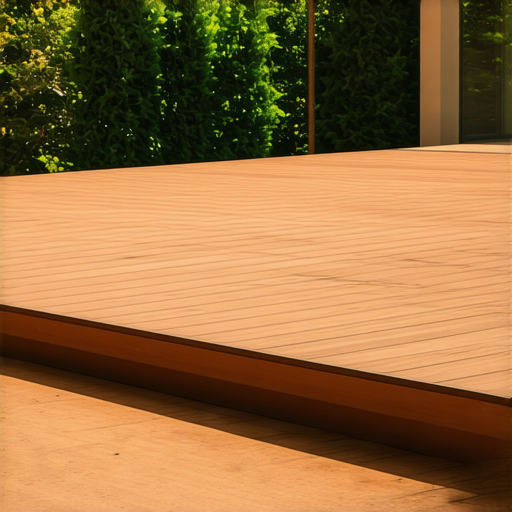
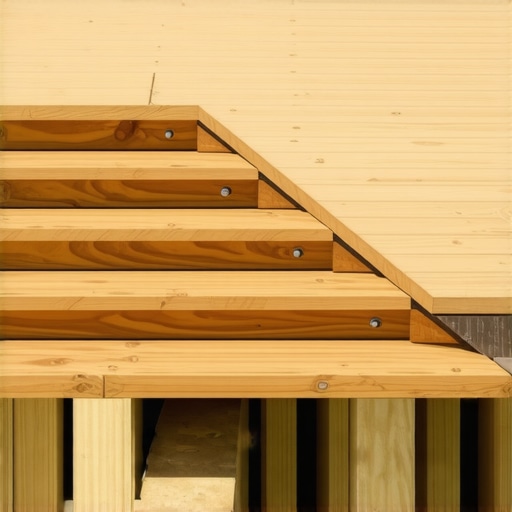
Have you ever stood at the bottom of your deck stairs, feeling that unsettling sway or hearing a faint creak you’ve never noticed before? I sure have. One summer afternoon, as I watched my kids dash up and down the steps, I realized the wobbly motion wasn’t just in my imagination—it was a sign that something needed attention. That lightbulb moment got me digging into what really keeps a staircase safe and stable, especially as we approach 2026, when new building codes and material changes are reshaping outdoor projects.
Discover the Hidden Support Your Deck Stairs Are Missing
In my experience, overlooking the subtle but vital reinforcement in staircase design can lead to bigger headaches down the line. Today, I’ll share with you why a concealed support—something most folks never think about—could be the key to lasting safety and confidence in your deck setup. This isn’t just about avoiding accidents; it’s about ensuring that your outdoor space remains a sanctuary, not a hazard.
Is Your Deck Stairs’ Support System Really Up to Par?
Initially, I made the mistake of assuming that standard fasteners and visible braces were enough. But early on, I learned that even the sturdiest-looking stairs could wobble over time, especially when exposed to the elements or seasonal shifts. That’s when I discovered the importance of a discreet reinforcement strategy, like hidden joist supports, which can significantly improve stability without compromising aesthetics. Implementing these small but mighty supports can prevent movements that might otherwise require costly repairs or replacements, especially with evolving standards around deck safety for 2026 and beyond. For more insights on current trends and effective solutions, check out this article on composite decking trends.
If you’ve noticed similar wobbles or creaks, or simply want peace of mind, understanding this hidden support can be a game-changer. Ready to discover the practical steps to reinforce your deck stairs and keep your outdoor retreat safe and sound? Let’s dive into the solutions that I’ve tested and trusted over the years.
Start with a Solid Inspection
Before diving into reinforcement, I recommend inspecting your stairs thoroughly. I once skipped this step, assuming everything looked fine, only to find loose treads weeks later. Remove any debris and check for loose fasteners or damaged wood. A flashlight can help you spot hidden cracks or rot that might compromise support later.
Select the Right Hidden Support System
Choose between adjustable pier blocks, concealed joist hangers, or custom-fabricated brackets. I found that using hidden joist supports provided a discreet yet sturdy solution. Match your choice to your deck’s weight load, material, and local climate conditions.
Measure and Mark Precisely
Accurate measurements are critical. I laid out my supports underneath, marking exact positions on the ledger and stringers with a pencil. Use a level to ensure your markings align perfectly. This step avoids uneven support placement that can cause wobbling or shifting over time.
Prepare the Support Areas
Clear space beneath your stairs by removing any obstructing debris or foliage. If necessary, temporarily support your stairs to keep them steady during installation. I used sturdy jack posts to hold the stairs in place while working underneath, preventing accidental shifts that could cause inaccuracies.
Cut and Install Supports
Cut your selected supports to length, ensuring they fit snugly. Apply a weather-resistant sealant or paint to prevent rot. When installing, tighten all fasteners securely—loose screws can undermine stability. I found that using corrosion-resistant bolts was the best choice for outdoor exposure.
Secure and Test Stability
Once supports are in place, double-check their tightness. Gently shake the stairs to verify stability. I discovered that adding an extra support in the middle of the staircase helped eliminate residual wobble. Afterward, remove temporary supports and review the entire structure for any movement.
Finish with Aesthetic and Safety Measures
Patch up exposed areas with matching paint or stain. Consider adding a non-slip coating on the treads for added safety, especially if you notice slick spots. I did this after reinforcement and appreciated the improved grip every time I used the stairs. Additionally, inspect your railing system to ensure it remains secure against modern standards, which you can review in top railing options.
<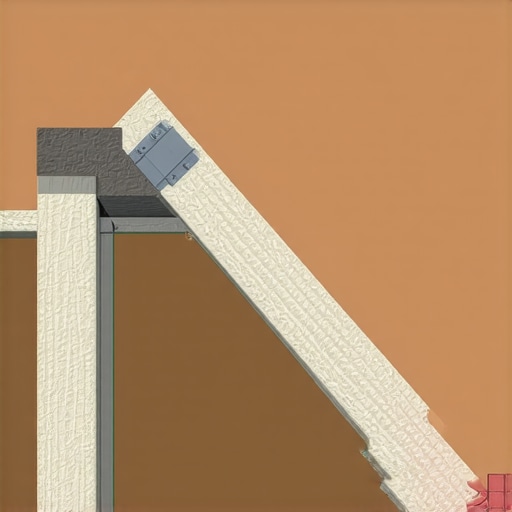 >When it comes to outdoor renovation, many homeowners have a superficial understanding of composite decking, pergolas, and railing systems. They often believe that choosing the most popular brands or generic designs ensures a lasting and safe structure. However, let’s dig deeper into some nuanced aspects that often go unnoticed. One crucial misconception is assuming that all composite decking materials are equally resistant to heat and UV damage. While many think that modern composites require no maintenance, in reality, subtle differences in formulation and installation techniques can dramatically affect durability, especially in high-temperature zones. For example, some brands are more prone to expansion or warping under intense sunlight, which isn’t always obvious during the initial purchase. This is why understanding the specific properties of materials—like in the comprehensive guides on top composite decking materials—can help you avoid costly replacements later.
Another common myth revolves around pergola design. Many assume that a simple design or lightweight materials suffice to withstand seasonal storms or high winds. But the hidden nuance is in how you secure the structure—anchoring methods, foundation strength, and weight distribution play pivotal roles in structural integrity. For instance, neglecting proper anchoring can lead to wobbling or even overturning in severe weather. This often prompts homeowners to overlook their local climate conditions, risking safety and longevity. Check out cable railing tips for insights on designing resilient outdoor supports.
The same applies to railing systems. Many believe that installing standard, off-the-shelf systems is sufficient for safety compliance. But a critical, overlooked aspect is the longevity of fasteners and connectors exposed to corrosive environments like coastal areas. Using inferior hardware can result in post wobble or failure over time, especially as standards evolve for 2026. Expert recommendations suggest opting for materials like stainless steel or aluminum with protective coatings. For specific advice, review railing fixes for 2026.
A question that frequently arises among advanced DIY enthusiasts is: How do I account for expansion joints in composite decking to prevent buckling? The key here lies in understanding thermal expansion properties of your selected material and incorporating proper gaps during installation—something that many overlook because it’s not immediately visible. Experts often cite studies showing that expansion gaps are essential, especially in regions with extreme temperature swings (see study from the Deck Builders Association). Neglecting this nuance can lead to early deformation and costly repairs.
Let’s not forget the importance of routine inspections and maintenance, even when everything appears fine. A hidden trap is assuming that new materials mean zero upkeep. Small issues like loose fasteners, rot-resistant wood grain wear, or minor misalignments can evolve into significant hazards if overlooked. Regularly reviewing your deck, pergola, and railing systems ensures longevity and safety. Reflecting on your own setup—have you ever fallen into this trap? Let me know in the comments.
Ensuring Your Deck Stays in Prime Condition
A well-maintained deck not only boosts your home’s appeal but also guarantees safety and longevity. To keep your outdoor oasis thriving, investing in the right tools and adopting proactive maintenance routines is paramount. Over the years, I’ve refined my toolkit to include equipment that offers precision, durability, and ease of use, ensuring my deck remains robust against the elements.
How do I maintain my outdoor deck over time?
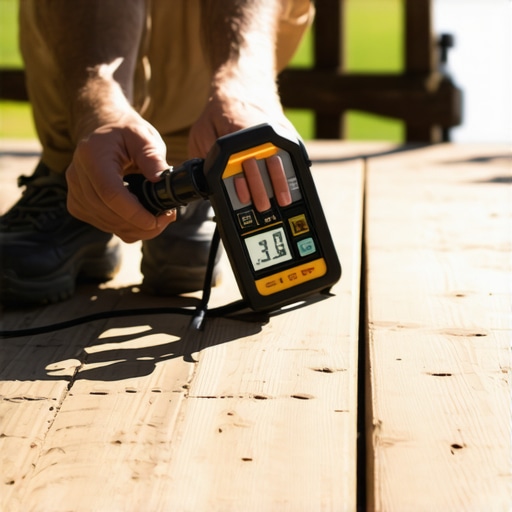
First and foremost, regular inspections are vital. I recommend using a high-quality flashlight and a moisture meter to detect hidden problems like rot or excess moisture, especially in hard-to-see areas beneath stairs or between boards. A moisture meter helps assess wood condition accurately, preventing premature decay. For cleaning, a power washer with adjustable pressure settings allows me to remove dirt and mold without harming the surface. I always set the pressure below 1500 PSI to avoid damaging composite or wooden surfaces. For applying sealants or stains, a paint sprayer with an adjustable nozzle ensures even coverage and minimizes waste. I prefer models with variable flow control, like the Wagner Control Spray, because they give me fine-tuned control during application.
Seasonal upkeep also involves hardware checks. Using a magnetic screwdriver assists in detecting loose fasteners quickly. I regularly tighten or replace rusted or corroded metal components with stainless steel fasteners, which resist weathering and maintain structural integrity. To facilitate ongoing support and repairs, I keep spare fasteners, brackets, and supports on hand. This readiness accelerates repairs and diminishes downtime.
Tools I recommend for decking, pergolas, and railing systems
For measuring, I rely on a digital laser distance meter like the Bosch GLM 50 C, which provides quick, precise readings essential for custom support placement or alignment. Accurate measurements reduce errors and save money in materials. When cutting composite decking or framing elements, I use a fine-tooth, carbide-tipped saw blade. This ensures clean cuts with minimal splintering, crucial for a professional finish and safety. Plus, I always wear safety glasses and dust masks during power cutting or sanding jobs—personal safety never gets sidelined.
To clean and maintain metal components, I use a corrosion-resistant wire brush. Regular brushing removes dirt and prevents rust buildup. Applying a light coat of silicone spray on moving parts like hinges or connectors prevents seizing and ensures smooth operation. For navigation through complex projects, project management software such as Trello helps me track inspections, repairs, and upgrades, keeping maintenance organized and timely.
Predicting the Future of Deck Maintenance
With technological advancements, I foresee smart maintenance systems becoming mainstream. Integration of sensors capable of monitoring moisture levels, structural integrity, and hardware wear in real-time could revolutionize upkeep routines. Imagine receiving alerts on your smartphone when a support needs tightening or a sealant requires reapplication—this proactive approach minimizes damage and extends lifespan significantly.
< >
>
To truly master maintenance, try investing in a good moisture meter and a quality power washer. These tools empower you to detect issues early and keep your deck looking brand new for years to come. For more ideas on customizing your outdoor space, explore pergola ideas or check our top railing options to enhance safety and style.
Discover the Hidden Twists in Outdoor Design
One of my most eye-opening lessons was realizing that even the most seemingly minor support tweak could make or break the durability of a deck. I once dismissed a subtle warping as normal wear, only to face a costly repair later. The lightbulb moment hit when I discovered that concealed joist supports aren’t just for aesthetics—they prevent long-term wobbling and structural failure. Trust me, investing time in understanding these nuances saves headaches and money in the long run.
My Toolbox for Outdoor Confidence
Over years of experience, a few tools have become indispensable. A digital laser distance meter, like the Bosch GLM 50 C, ensures precise measurements for custom supports—saving materials and frustration. For cleaning, a power washer with adjustable pressure helps maintain surfaces without damage. When it comes to hardware, stainless steel fasteners resist corrosion and keep your railing or pergola sturdy against the elements. These tools, combined with expert guides on top composite deck materials, empower me to build with confidence.
Your Next Step: Confidence in Every Plank and Post
Don’t let uncertainty hold you back from creating an outdoor oasis that stands the test of time. Whether it’s selecting the right hidden supports or inspecting your railing system, taking proactive steps unveils a world of durability and style. It’s never too late to start, and each small improvement adds up to a resilient and inviting space. So, are you ready to reinforce your deck or pergola with a fresh perspective? Share your thoughts below—I’m eager to hear your stories and questions!