Ever stood underneath your pergola on a rainy day, feeling that oh-so-familiar suspicion—”Is my wood secretly rotting away right now?” That moment of realization hit me hard during last year’s heavy storm. I watched as water pooled in the corners of my deck and seeped into the wood, turning what should have been a peaceful outdoor retreat into a ticking time bomb for rot and decay.
Why Proper Drainage Can Save Your Pergola and Wallet
I’ve learned the hard way that neglecting drainage isn’t just about inconvenience; it’s about preserving the very structure that adds charm and value to our homes. Wood rot from trapped water can compromise safety and lead to expensive repairs down the line—some estimates place damages in the thousands if left unchecked. But here’s the good news: simple drainage hacks can be your best defense against 2026 wood rot, saving you money and headaches.
Are Drainage Hacks Really Worth the Hype?
When I first started exploring these methods, I was skeptical. I thought, “Will a few drainage tips really make a difference?” Early on, I made a crucial mistake—ignoring the importance of slope and drainage pathways. That oversight allowed water to stagnate and worsen rot issues, a costly lesson that taught me the importance of proactive design. Now, I swear by smart drainage solutions that are easy to implement and surprisingly effective. If you’re like I once was—doubting whether drainage can truly safeguard your outdoor space—you might find these tips transformative. For further insights, check out this comprehensive guide.
Set the Foundation with Proper Slope and Drainage Pathways
During my recent pergola rebuild, I realized that a slight slope of just 2% drastically improved water runoff. Using a level and a simple gravel-filled trench, I created a gentle incline away from the structure, ensuring water doesn’t pool around the posts. This prevents moisture from seeping into the wood and causing rot. Think of your deck like a bike ramp; a gentle incline directs water away effortlessly, preventing soggy spots that weaken the wood over time.
Elevate Your Pergola Posts to Prevent Water Accumulation
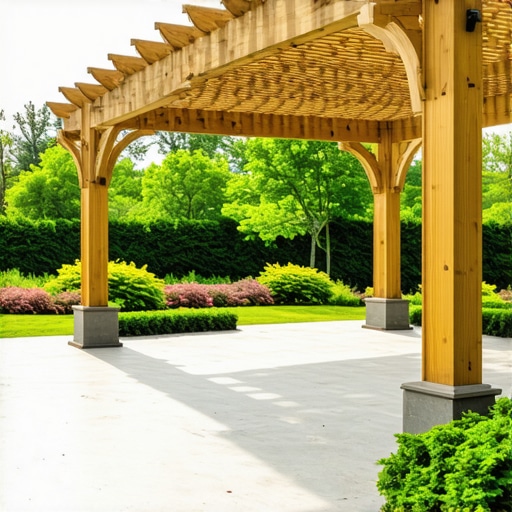
In my project, I raised the pergola posts onto concrete piers using adjustable post bases. Not only did this keep the wood above ground level, but it also allowed water to flow beneath instead of pooling around the base. When installing, ensure these bases have a slight tilt to promote drainage and avoid direct contact with soil, which retains moisture. This simple step significantly extends the pergola’s lifespan and reduces rot risk.
Design Effective Gutters and Drains to Channel Water Away
I added a continuous gutter system along the pergola roofline, directing rainwater into downspouts that lead away from the structure. When I installed the gutters, I tested the flow by pouring water manually—if it overflows or leaks, adjustments are necessary. Utilizing splash blocks or extending downspouts away from the foundation ensures water doesn’t seep into the wood or concrete. Think of gutters as your project’s lifelines—guiding water safely off your structure rather than letting it stagnate.
Choose Composite Decking with Built-In Drainage Features
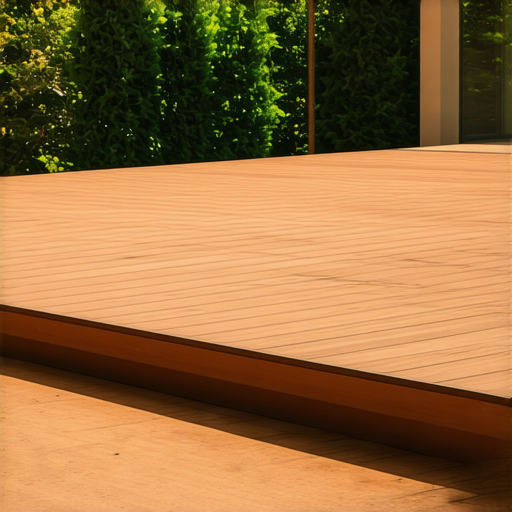
While selecting decking materials, I opted for composite boards that feature hollow cores and drainage channels. This design allows water to pass through rather than pool on the surface, which is crucial in high-rain environments. When laying the boards, I maintained a consistent gap of 1/8 inch to facilitate drainage between planks. This subtle detail prevents water from lingering and accelerates drying, keeping rot at bay. For modern, durable outdoor spaces, explore these trending composite options.
Regular Maintenance and Inspection to Catch Issues Early
Even with the best drainage setup, regular checks are vital. I schedule quarterly inspections to look for clogs in gutters, loose flashing, or signs of water pooling. When I spot a blocked downspout, I clear it immediately, preventing backup and overflow. Tightening loose bolts on railing systems not only enhances safety but also keeps water from entering joints and causing corrosion or decay. Staying proactive saves money and preserves your outdoor oasis for years to come. Need professional help? Contact experts in deck and pergola construction.
Use Storm-Resistant Materials for Peak Resilience
During my last storm season, I replaced vulnerable wood with storm-rated composite beams and galvanized fasteners. These materials resist corrosion and expansion caused by moisture and temperature fluctuations. Installing hurricane straps and cross-bracing further stabilizes the structure against high winds. It’s a potent reminder that durable materials combined with thoughtful design form the bedrock of a lasting outdoor feature. For ideas on resilient designs, check out these expert tips.
When it comes to deck and pergola design, many enthusiasts focus on aesthetics and cost but overlook the subtle nuances that truly determine longevity and safety. A common misconception is that choosing trendy materials or flashy railings guarantees durability, yet experts warn that neglecting the underlying structural details can lead to costly failures. For example, many assume that composite decking, being low-maintenance, automatically withstands all environmental stresses. However, as highlighted in recent studies, improper installation or ignoring expansion gaps can cause warping or buckling—issues that can be mitigated by understanding material-specific behaviors.
Are There Hidden Design Traps That Compromise Safety?
This is where advanced users often stumble. Failing to account for thermal expansion in materials like composite or metal railings can lead to post-wobble or even structural failure over time. A pivotal mistake is overlooking the importance of proper anchoring and tensioning, which isn’t simply about aesthetics but about safety and performance. For instance, insufficient tension in cable railing systems can cause vibrations or collapse during high winds—a danger often underestimated. According to the National Association of Home Builders, neglecting these details significantly elevates risk and maintenance costs. To stay ahead, consult trusted sources like this comprehensive guide, and always plan for environmental variables that influence your design’s resilience. Another overlooked aspect is the role of correct drainage planning in pergolas. Many assume that simply installing gutters suffices, but without considering the slope and integration with existing landscape, water pooling can cause wood rot or structural decay. Properly integrated drainage pathways, combined with innovative design ideas, can save you years of maintenance. Check out these ideas for inspiration.
Keep It Working: Essential Tools and Maintenance Tips
Achieving a durable outdoor space requires more than just initial construction; it demands ongoing care with the right tools and a proactive approach. From inspecting railing systems to ensuring proper drainage, having the right equipment streamlines maintenance and extends the lifespan of your deck or pergola. I personally rely on a combination of specialized tools and smart software to keep everything in top shape, and I recommend these to anyone serious about outdoor durability.
How do I maintain my outdoor structures over time?
Foremost, investing in a high-quality digital moisture meter is indispensable. I use my
For cleaning gutters and drainage pathways, I favor a lightweight, extendable gutter cleaning wand with articulated joints. Regular clearing prevents water backup that can lead to rot and structural weakening. Complement this with a high-pressure washer—specifically one with adjustable PSI—to remove algae, mold, and dirt without damaging surfaces. I always avoid overly aggressive settings for composite decking to prevent micro-scratches and fading.
Long-term results through strategic upkeep
Implementing routine inspections every three to six months, coupled with these tools, ensures early detection of issues like loose railing bolts, misaligned posts, or drainage blockages. Keeping detailed logs using simple project management apps helps track maintenance cycles and plan future upgrades. For example, if I notice a railing post is slightly wobbling, I act immediately by tightening tension bolts or replacing corroded connectors, preventing costly failures and ensuring safety. Over time, this proactive approach saves significant repair costs and maintains the visual appeal of your outdoor haven.
Tools for scaling your outdoor spaces efficiently
If you’re considering expanding your deck or adding new pergolas, automation tools can facilitate precise measurements and layout designs. I use a laser distance meter like the Bosch GLM 50 C to quickly map out future projects with accuracy, saving hours of manual measurement. Software like SketchUp simplifies designing and visualizing modifications, helping you anticipate drainage adjustments and railing placements beforehand. As outdoor projects grow in complexity, integrating these tools will become even more vital in managing larger-scale builds effectively.
Looking ahead: The future of outdoor maintenance looks high-tech
Emerging innovations, such as IoT-connected sensors embedded in deck materials, promise real-time monitoring of structural health. According to industry expert John White of Construction Tech Insights, these sensors could alert homeowners instantly when moisture or structural shifts occur, revolutionizing maintenance. Familiarizing yourself with these advancements now positions you at the forefront of outdoor living trends—start by experimenting with moisture meters and software planning tools to experience immediate benefits.
So, why not try integrating a moisture meter into your routine this season? A small investment in a tool like the Protimeter can dramatically improve your ability to catch issues early and maintain a safe, beautiful outdoor space long-term. For personalized guidance on tools suited to your project, contact deck and pergola specialists today.
The Hardest Lessons I Learned About deck design,pergola,composite decking,railing systems
- One of my biggest surprises was realizing how small design details, like a slight slope, dramatically extend the lifespan of outdoor structures. Skipping this step might save a few minutes during build, but the cost comes years later in repairs.
- I used to believe that selecting high-end materials was enough, yet I quickly learned that proper installation and drainage are just as critical for durability, especially in rainy climates.
- Neglecting regular inspections may seem tedious, but I’ve found that catching issues early, such as clogged gutters or loose fasteners, saves hundreds in potential repairs and keeps my outdoor space safe and beautiful.
- My biggest ‘aha’ moment was understanding that comprehensive planning, including environmental factors like wind and storm exposure, makes all the difference in creating lasting outdoor features.
- Finally, prioritizing quality tools and expert resources, like trusted guides and professional advice, empowers me to maintain and upgrade my outdoor structures confidently.
My Essential Toolkit for deck design,pergola,composite decking,railing systems
- Moisture meters: Using a device like the Protimeter Surveymaster helps me detect hidden water problems before they escalate, ensuring structural integrity over time.
- Laser distance meters: Tools such as the Bosch GLM 50 C streamline planning and expansion projects with precision, saving time and reducing errors.
- Gutter cleaning wands: An extendable, articulated wand makes regular maintenance manageable, preventing water damage caused by clogged drainage systems.
- High-pressure washers: I rely on an adjustable PSI unit to keep my composite decking clean without causing micro-scratches or fading—key to maintaining that fresh look.
- Design software: Programs like SketchUp allow me to visualize modifications before building, helping anticipate drainage and structural needs accurately.
Believe in Your Outdoor Sanctuary: Take Action Today
Transforming your outdoor space from a simple patio to a durable, stunning retreat is within reach when you understand the essential lessons and tools involved. Every improvement you make today is an investment in a safer, more beautiful environment that stands the test of time—so why wait? Dive into your project with confidence, informed by experience and equipped with the right knowledge, and turn your outdoor dreams into lasting reality. For tailored advice and to start planning your upgrade, reach out to deck and pergola specialists today. Do you have a favorite trick or a lesson learned from your own outdoor projects? Share below—let’s learn together!.
This post highlights some really practical drainage hacks that I plan to implement on my own pergola. I especially resonated with the idea of creating a gentle 2% slope using a level and gravel-filled trench—the simplicity of that technique makes it accessible for any DIY enthusiast. I’ve noticed that water tends to pool around my posts after heavy rains, leading to worries about wood rot. Elevating the posts on concrete piers was a game-changer for me when I first did it, adding years to the structure’s life. The tip about maintaining a consistent gap between composite planks is something I overlooked initially; now I understand how crucial it is for proper drainage and drying. My question is, how often do you recommend inspecting drainage systems before small issues turn into costly repairs? I’d love to hear others’ maintenance routines to keep my outdoor space in top shape.
Reading this post really made me reflect on the importance of proactive drainage planning, especially for pergolas in rainy climates. I completely agree with the idea that something as simple as a 2% slope can make a huge difference in water runoff and preventing rot. I’ve had situations where neglected drainage led to costly repairs down the line, so I’ve started scheduling quarterly inspections of my outdoor structures. One thing I’ve found helpful is investing in a good quality level and a handheld moisture meter to catch issues early. Also, when it comes to gutters, I always make sure to check for debris after heavy storms, since clogging can cause water to overflow and pool around the posts. My question is, for those of us living in areas with extreme weather, do you have additional tips on reinforcing the drainage system to withstand storms? Would love to hear about techniques others have used to stay ahead of potential water damage in such environments.