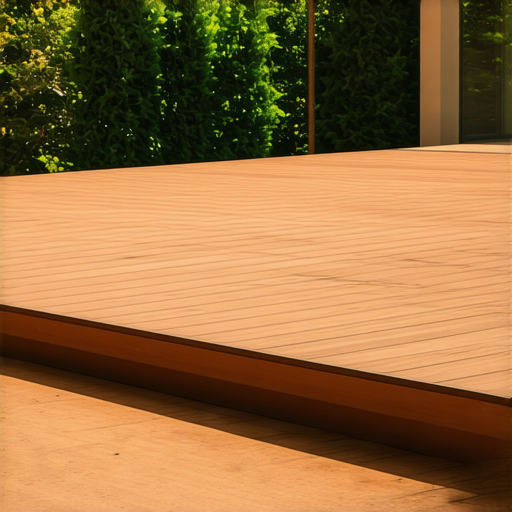

It was a sunny Saturday afternoon when I finally stepped onto my deck, eager to soak in the fresh air and enjoy my morning coffee. But as I reached for the railing to steady myself, I noticed a slight wobble—something I’d ignored for months. That light wobble turned into my wake-up call. It made me realize how easy it is to overlook the subtle signs that your railing system might be on its last legs, especially as we approach the 2026 safety deadline.
I’ve learned the hard way that ignoring these small indicators can lead to bigger, costlier problems—sometimes even safety hazards. Over the years, I’ve become a bit of a detective when it comes to outdoor structures, especially regarding railing safety. The truth is, many homeowners aren’t aware of the hidden signs that their railing systems need immediate attention. If you’re like I was, you might be assuming that a little wobble or faded paint isn’t a big deal. But in reality, those are often red flags.
Why now? Because in 2026, new safety standards are set to come into effect, and many existing railing systems may not meet them without some proactive upgrades. The risk isn’t just falling short on regulations—it’s risking lives. An estimated 50% of deck-related accidents involve railing failures, according to safety reports. And with storm seasons growing more intense, it’s crucial we prioritize safety. As I’ve come to realize, being proactive can save you money, stress, and—most importantly—lives.
Today, I want to help you identify whether your railing might be hiding problems you haven’t spotted yet. We’ll dig into the three most common signs that your railing system needs a thorough safety check before it’s too late. Whether you’ve recently purchased a home or maintained your outdoor space for years, these signs are universal. So, if you’ve ever faced the unsettling moment of feeling unsure about your railing’s stability, stick around. We’re about to turn that uncertainty into confidence.
Let’s start by understanding what makes a railing system truly safe and how to recognize the early warning signs that it’s time for a renovation or reinforcement.
Assess Your Current Railing Setup Thoroughly
Begin by inspecting every section of your railing, much like a detective scrutinizes clues. Check for wobbly posts, loose fittings, or signs of rust and decay. I once spent a weekend on my deck, pushing and pulling on different parts to test stability—this hands-on approach revealed hidden weaknesses I wouldn’t have noticed otherwise. Document any irregularities so you can prioritize repairs or upgrades efficiently.
Identify Critical Structural Weak Points
Next, locate areas prone to stress or damage, such as corners, joints, and connection points. Think of these as the joints in a chain; if one link is weak, the whole system is compromised. Focus your attention here, especially if you’ve noticed wobbling or cracks. For example, I discovered that certain post-to-beam connections lacked proper reinforcement, which I later rectified with additional braces.
Upgrade or Reinforce Weak Components
Replace or reinforce compromised parts using high-quality materials. For instance, if your posts are rusted or cracked, consider upgrading to galvanized steel or durable composite alternatives that can stand up to weather and stress. When I upgraded my railing posts to steel brackets, not only did stability improve, but I also gained peace of mind. Ensure that all fasteners are tightened using a torque wrench to avoid over-tightening or under-tightening.
Follow Building Codes and Safety Standards
Consult local regulations to ensure your modifications meet 2026 standards. Think of this as aligning your system with the rules of the game—you don’t want to be caught off guard during inspections. Relevant safety standards emphasize proper height, spacing, and load capacity. I reviewed the specific guidelines on railing safety to confirm my upgrades were compliant, saving me from potential legal issues later.
Secure Connections for Lasting Stability
Use hardware like stainless steel screws, anchors, and brackets to fix every joint. This is akin to tightening nuts on a bicycle—every connection must be secure. During my project, I employed high-strength fasteners from a trusted supplier and verified their tightness with a torque wrench. This step prevents future wobbling and increases overall safety.
Apply Protective Coatings and Sealants
Protect your railing from the elements with weatherproof sealants or paint suited for outdoor use. Think of it as putting a shield around your deck’s guardrails. I applied a marine-grade sealant to my wooden posts, which dramatically slowed down deterioration and kept the appearance fresh. Regular maintenance like this extends your system’s lifespan significantly.
Test Your Upgraded System Rigorously
Finally, conduct stress tests by applying deliberate pressure to various points. Push, pull, and even gently sway the railing to verify stability. I once deliberately leaned against my newly reinforced railing, watching carefully for movement. If anything gives or wobbles, address it immediately before the next storm or heavy use. This hands-on confirmation helps ensure your system is ready for the upcoming compliance deadline.
Following these concrete steps transforms your deck into a safe, compliant space and builds confidence for years to come. Remember, proactive reinforcement not only meets regulations but also prioritizes safety for everyone enjoying your outdoor oasis.
Many homeowners believe they know everything about pergolas, railing systems, and composite decking, but some widespread misconceptions can lead to costly mistakes. For instance, it’s a common myth that all composite decking is maintenance-free. While many brands advertise low upkeep, they still require regular cleaning and inspection to prevent issues like warping or mold, especially in coastal or high-humidity regions. Skipping these steps can accelerate deterioration, so understanding the nuances of your specific material is essential. Also, many assume that higher-priced railing systems automatically guarantee safety and durability; however, without proper installation and regular checks, even premium systems can fail prematurely. Proper anchoring and vigilant maintenance are key to longevity.
Let’s challenge another myth: the belief that pergolas should always be large and elaborate. In reality, a small, well-designed pergola can provide sufficient shade and aesthetic appeal if tailored to your space and climate. Modular designs or custom pergolas that adapt to your garden’s unique features often yield better results than bulky, off-the-rack structures. Combining these insights with current trends in pergola design can transform your outdoor experience.
One common oops is overlooking the importance of proper drainage and wind ratings when planning structures. Many underestimate the forces at play during storms, which can compromise even the most stylish setups. For example, a poorly anchored pergola might look charming but won’t withstand heavy winds or snow loads. Architects and engineers now emphasize integrating wind-resistant features, such as reinforced posts and strategic bracing, to prevent disasters. Not addressing these factors can turn your dream deck into a safety hazard. For detailed guidance, you can refer to wind rating fixes for 2026 to ensure your structure holds up.
When selecting railing and decking materials, be wary of the myths surrounding cost and longevity. Cheap materials might save money upfront but often fail sooner, leading to higher long-term costs and safety risks. High-quality, weather-resistant materials, like those discussed in composite decking trends, can provide durability and style that endures the test of time. Remember, investing in expert-designed solutions and understanding the detailed nuances—beyond superficial appearances—can save you thousands and ensure safety.
Making informed choices about your outdoor structures depends on recognizing these myths and myths’ pitfalls. Let’s keep sharing experiences—Have you ever fallen into this trap? Let me know in the comments.Keeping your outdoor deck in pristine condition requires more than just initial construction; it demands consistent maintenance, the right tools, and strategic planning for scaling and upgrades. Over the years, I’ve refined a toolkit that ensures my deck remains safe, durable, and visually appealing, especially as I prepare for upcoming standards like the 2026 safety regulations. One essential item is a high-quality cordless impact driver, which I use for tightening fasteners without damaging composite or wooden components. Its adjustable torque setting prevents over-tightening, which can cause cracking or wobbling over time. I also rely on a digital moisture meter to regularly check for hidden water damage behind decking boards and within railing posts—a common culprit in structural decay. For cleaning, I recommend a pneumatic deck scraper with adjustable blades; this tool effectively removes old paint, mold, or debris from textured surfaces, saving hours compared to manual scrubbing. To monitor structural integrity during routine inspections, I use a laser level and a 6-foot aluminum straightedge to ensure evenness of decking and alignment of railings.
When it comes to software, I utilize CAD-based project management tools like SketchUp to visualize upgrades or extensions, which helps in planning for scaling your deck or adding features like pergolas or custom railing systems. For example, planning a new module with precise measurements reduces the need for costly adjustments later. Additionally, I keep detailed maintenance logs with digital apps, noting when I last treated the wood or inspected fasteners, so I can predict and schedule proactive repairs.
Looking ahead, as materials and safety standards evolve, embracing modular design principles will become even more critical. Modular components allow easier replacement and upgrade of individual parts, saving money and reducing waste. For instance, if a railing post becomes compromised, a component-based approach enables quick fixes rather than full replacements. This trend aligns with the growing emphasis on sustainability and long-lasting outdoor structures.
**How do I maintain my deck over time?** The key is a combination of routine inspections, proper cleaning, timely repairs, and using the right tools. Regularly inspecting for loose fittings, rust, or early signs of wood rot will keep safety issues at bay. Applying weatherproof coatings annually using sprayers or brushes preserves the material integrity, especially on composite decks susceptible to heat and UV exposure, which can cause warping or fading. For instance, I recommend checking out the latest composite decking trends to select products designed for longevity, which can significantly reduce maintenance efforts.
Scaling your deck or upgrading components is also straightforward when you adopt innovative techniques like using adjustable post bases and concealed fasteners. These not only improve aesthetics but also facilitate future modifications. To do this effectively, I suggest investing in a cordless impact wrench with a broad socket set and a torque limiter—my go-to combo for quick, secure assembly or adjustment.
Lastly, pay attention to structural safety at every stage. I follow codes rigorously and recommend consulting local building standards regularly to ensure compliance. This is especially vital as the 2026 safety standards are phased in. For comprehensive updates, check out the article on signs your railing needs inspection. Remember, tools like these will empower you to maintain a safe, beautiful deck for years to come—so don’t hesitate to incorporate them into your routine today.
The Hardest Lesson I Learned About Deck Safety
After years of maintaining my outdoor space, I realized the importance of vigilance over assumptions—what seemed minor, like a wobbling railing, was a danger waiting to happen. It taught me to trust my instincts and constantly reassess structural integrity, especially ahead of regulatory changes. Sometimes, I overlooked small signs because I thought they weren’t urgent; now I see those signs as crucial alerts that demand immediate attention.
Why Proper Tools Make All the Difference in Deck Upgrades
I discovered that investing in quality tools—like a torque wrench and moisture meter—was essential for long-lasting, safe results. These tools help me identify hidden issues and ensure everything is secure, saving me from costly repairs down the line. Relying on the right equipment turned routine inspections into powerful safeguards, reinforcing my confidence in my deck’s safety and compliance.
What I Wish I Knew About Material Choices Early On
Choosing the right materials, especially for weather resistance and durability, can be a game-changer. I once underestimated the impact of coastal air on steel posts, leading to rusting faster than expected. Now, I focus on selecting high-quality composites and weatherproof coatings—these choices extend my deck’s life and minimize maintenance, helping me stay ahead of deteriorating conditions and safety standards, like those coming in 2026.
Curated Resources to Elevate Your Outdoor Space
- Deckforgebuilders’ safety guides: Their comprehensive articles on railing failure signs and other safety standards have saved me from overlook.
- Quality tools from trusted brands: I rely on impact drivers and moisture meters from reputable suppliers—they’re durable and accurate, essential for ongoing maintenance.
- Design inspiration from modern plans: Visiting sites like innovative deck design ideas gets my creative juices flowing while ensuring practicality.
Your Next Step Toward Outdoor Confidence
Take action today—inspect, upgrade, and enjoy your outdoor space with peace of mind, knowing you’re prepared for the 2026 standards and beyond. Embrace the learning process and stay proactive; doing so transforms your deck from a structure into a sanctuary built on safety and style. Don’t wait for issues to arise—your backyard deserves the best version of itself, and you deserve the confidence that comes with proper planning.
What small change will you start with this weekend to improve your deck’s safety or design? Share your plans below and let’s grow together in creating outdoor havens that are both beautiful and safe.
,