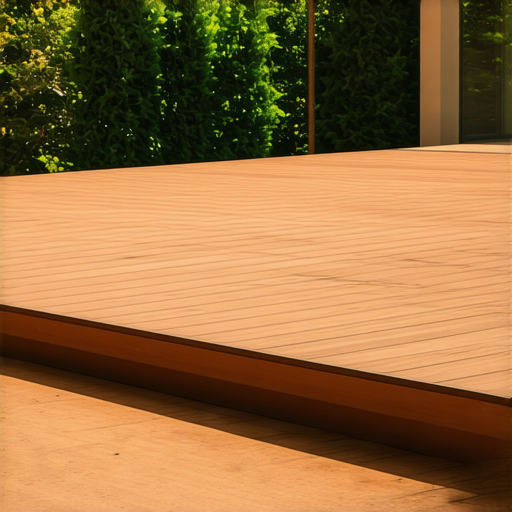
It was a scorching summer afternoon when I stepped onto my deck and immediately noticed something was off. The boards creaked oddly under my feet, and a few nails seemed loose, unsettling me more than I expected. That lightbulb moment made me realize—despite all the planning and research I had done, I overlooked some critical hidden flaws in my composite decking fasteners. If you’ve ever experienced similar issues—wobbly railings, squeaking boards, or unexpected board sagging—you’ll understand how frustrating and time-consuming they can be.
The Hidden Risks Lurking in Your Deck Fasteners
Fasteners might seem like a small detail, but they play a huge role in the longevity and safety of your outdoor space. As projects for 2026 approach, understanding these hidden flaws can save you from costly repairs and safety hazards. Today, I promise to unravel the common, yet overlooked, flaws in composite decking fasteners that could sabotage your project—even before the first bolt is tightened. Recognizing these issues early means fewer surprises and more time enjoying your outdoor oasis.
Is It Really Worth Worrying About Fastener Flaws?
Let me be honest—I used to dismiss the importance of investing in high-quality fasteners, thinking they’d hold up just fine. But early on, I made the mistake of choosing the cheapest options available, which led to unnecessary warping and looseness within a few years. That experience taught me a vital lesson: the tiny fasteners are the unsung heroes (or villains) of your deck. Skipping on quality now can cost you a lot later—both in dollars and safety.
This realization isn’t unique to me. Studies show that improper fastening can reduce the lifespan of composite decks by up to 30%, leading to premature replacements (source: deckforgebuilders.com). Recognizing these flaws now could save you a fortune and provide peace of mind for years to come.
So, if you’ve faced sagging boards, squeaks, or loose railing posts, you’re not alone—and you’re in the right place. The next sections will walk you through mastering the fixes before they turn into major headaches. Because a solid deck isn’t just about good design; it’s about the hidden details that hold everything together.
Inspect Your Deck Fasteners Thoroughly
Begin by removing a few deck boards and examining the fasteners closely. Use a pry bar to lift suspect boards gently; if nails or screws pop out easily, they’ve likely loosened over time. While inspecting, look for rust, corrosion, or signs of wear, especially if you live in a coastal or humid area. For example, I once used a screwdriver to check a railing post; I found loose screws that, if ignored, could have led to safety hazards. Addressing these issues early prevents costly repairs down the line.
Replace and Upgrade Fasteners Strategically
Choose High-Quality Fasteners Designed for Composite Materials
Opt for stainless steel or coated fasteners rated for composite decking to prevent rust and extension of lifespan. When replacing, tighten each fastener securely using a power drill with a screwdriver bit for uniform pressure. I remember swapping out a batch of rusty screws, which instantly firmed up the deck’s stability. Remember, cheap fasteners cost more in the long term—prioritize durability to ensure safety and longevity.
Use Proper Installation Techniques to Ensure Secure Fit
Apply a bit of outdoor-approved wood sealant or anti-seize compound on threads before installation. This reduces corrosion and eases future removal if needed. For example, I used anti-seize when attaching railing brackets; it prevented seizing and made subsequent adjustments easier. Over-tightening can crack composite boards, so tighten just enough for a snug fit without crushing the material. Proper tool usage here makes a significant difference in fastener performance over time.
Implement Reinforcements for Critical Areas
If your deck has extensive movement or wobbling, consider adding additional fasteners or brackets at stress points. Installing angle brackets beneath the ledger board can distribute load more evenly. I once reinforced a sagging corner with metal brackets; after doing so, the wobble disappeared, and the whole structure felt more solid. Reinforcements are especially vital around high-traffic or heavy furniture zones, preventing premature failure of fastener attachments.
Schedule Regular Check-Ups for Maintenance
Create routine inspection intervals—every six months or after storms—to catch issues early. Tighten loose fasteners, replace corroded ones promptly, and clear debris that can trap moisture and accelerate deterioration. During one inspection, I discovered a few loose screws around my pergola; fixing them prevented a potential collapse during a windy day. Making fastener upkeep a habit maintains safety and extends your deck’s lifespan, ensuring it remains a safe outdoor retreat for years to come.
Many homeowners believe that selecting trendy railing systems or extravagant pergola styles automatically guarantees a stunning outdoor space. However, a deeper look reveals that most people overlook the intricate nuances that determine long-term durability and safety. For instance, choosing the most visually appealing composite decking without understanding its heat response can lead to warping and fading within just a few years.
One prevalent myth is that all composite materials behave similarly under extreme weather conditions. In reality, as noted by experts at Deck Forge Builders, advanced brands incorporate technologies that resist heat spikes and UV damage—features often undervalued during initial selection. Missing these details can result in costly replacements and frustration.
Furthermore, many design enthusiasts focus solely on aesthetics, neglecting the foundational structural elements necessary for safety and longevity. For example, improper fastener placement in railings can cause wobbling or even detachment, which is a critical safety risk. An often overlooked detail is the importance of installing the correct reinforcement supports beneath pergolas. Did you know that improper anchoring can compromise stability during high winds? The article How to Stop Pergola Roof Lift offers advanced strategies that many homeowners miss.
Another nuanced aspect involves understanding how composite decking materials expand and contract with temperature fluctuations. Many assume that all brands expand uniformly, but research shows significant differences. High-quality brands incorporate design features that accommodate thermal movement, preventing warping and cracking. For example, the study 4 Reasons Your Composite Decking Warps highlights that proper spacing and fastener adjustments are crucial during installation.
Don’t let common misconceptions trap you into choosing the wrong products or installation methods. Instead, focus on understanding these advanced details to elevate your deck’s safety, style, and durability. Want to see more expert insights? Check out top railing system ideas for 2024 for innovative upgrade options.
Have you ever fallen into this trap? Let me know in the comments, and share your experiences to help others avoid the same mistakes.Maintaining your deck’s integrity requires the right tools and a consistent approach. I always recommend investing in a high-quality cordless impact driver, such as the Milwaukee M18 Fuel, because its power and battery life make fastener replacement and structural adjustments swift and efficient. To accurately tighten fasteners without damaging composite boards, I use a torque-limited screwdriver bit, ensuring each bolt is secured just right, preventing over-tightening that can cause cracking. For inspecting hard-to-reach areas, a flexible inspection mirror proves invaluable—they help spot rust or corrosion hidden beneath railings or within tight joints with remarkable ease. To stay ahead of wear and tear, I perform biannual inspections, focusing on fastener tightness, rust presence, and structural stability, replacing damaged components immediately. Applying a protective sealant, like a 100% silicone spray, on metal fasteners protects against moisture-related corrosion—extending their lifespan significantly. For example, I switched my fasteners to stainless steel from trusted sources to prevent rust issues common in humid climates. Future trends suggest integrating IoT sensors that monitor fastener tension and deck stability in real-time, allowing proactive maintenance. To test this approach, I recommend trying a lubrication spray with anti-corrosion properties on critical fasteners during your next maintenance session—it could save you costly repairs. Remember, consistent upkeep with the right tools not only preserves your deck’s beauty but also guarantees safety and longevity for years to come.
Lessons Only Experience Can Teach About Deck Durability
One of the biggest insights I’ve gained is the importance of meticulous fastener selection; choosing inferior hardware is a shortcut that often results in costly repairs and safety concerns. Another lesson I’ve learned is that regular inspections are not optional—they are essential in catching issues like rust or loosened fasteners before they escalate. Lastly, I realized that understanding how composite materials react under different weather conditions helps me make smarter, long-term decisions—saving time and money in the process. These lessons have transformed my approach from reactive fixes to proactive prevention, ensuring my deck remains both beautiful and safe for years to come.
Tools and Resources That Make a Difference
My go-to toolkit includes a high-quality cordless impact driver—brands like Milwaukee M18 Fuel deliver power and precision. I rely on stainless steel fasteners from trusted suppliers such as Deckorators because their durability withstands harsh weather. For planning, I often consult detailed guides like the one on composite decking trends to stay updated on innovations. Lastly, I keep handy a reliable inspection mirror, which helps me spot hidden corrosion or structural issues behind railings and under joists, making maintenance more effective and less time-consuming.
Your Chance to Elevate Your Deck Game
Taking these insights and tools seriously is the key to creating a deck that stands the test of time and weather. Small actions—like scheduling biannual inspections or upgrading to corrosion-resistant fasteners—can dramatically impact your deck’s longevity and safety. Remember, a well-maintained deck isn’t just visually appealing; it’s a safe retreat for you and your loved ones. So, why not start today? Explore ideas on custom railing systems or check out beautiful pergola designs to enhance your outdoor space even further—making every summer moment memorable.
Wow, this post really resonated with me, especially the part about inspecting fasteners regularly. I remember a summer where I neglected this tip, and I ended up with wobbly railings and squeaky boards that took some serious effort to fix. It’s surprisingly easy to overlook the small details like rust or loose screws, but it makes such a difference in safety and longevity. Personally, I’ve started using stainless steel fasteners and an impact driver to tighten everything properly, which has significantly improved my deck’s stability. I’m curious if anyone here has tried incorporating IoT sensors for real-time monitoring? Seems like a high-tech way to stay ahead of potential issues, but I wonder if it’s worth the investment for most homeowners. What strategies have others found effective for maintaining their decks and preventing these hidden flaws from becoming big problems? Always eager to learn from fellow DIYers. Thanks for sharing such thorough insights—definitely a game-changer for my next maintenance session! Also, does anyone have recommendations for good quality inspection mirrors? Those little tools have made a huge difference for me.