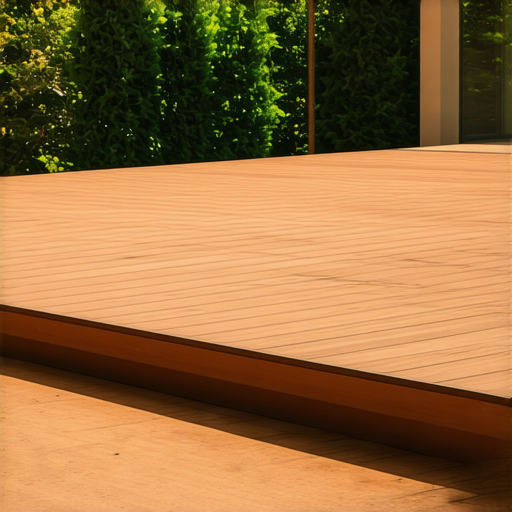
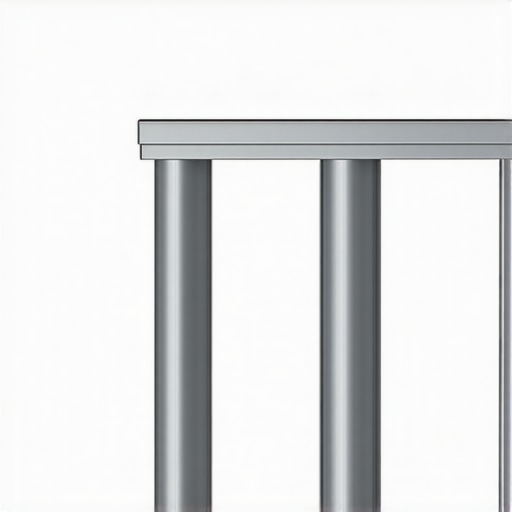
I remember the exact moment I realized my deck’s aluminum railing was becoming more of a nuisance than a safety feature. It was a sunny Saturday, and I was hosting a small get-together. As everyone leaned on the railing, a loud squeak erupted every time someone shifted weight. That noise was embarrassing, and honestly, it made me question the durability of my investment. If you’ve ever experienced that unexpected squeal or wobble in your railing system, you know how quickly it can turn from a minor annoyance to a safety concern.
Why Squeaky Aluminum Railing Posts Matter More Than You Think
In 2026, homeowners are paying more attention to outdoor safety and aesthetics than ever before. Squeaky, wobbly railing posts not only compromise the visual appeal of your deck but can also signal underlying issues that might lead to more serious structural problems. Early in my own project, I made the mistake of ignoring a loose post, assuming it was just a minor inconvenience. That oversight nearly cost me a big repair bill later on.
Expert studies highlight that poorly maintained railing systems can decrease property value and increase safety risks—especially when they fail inspections or emergency situations. Addressing these issues early, with simple fixes, can save you time, money, and stress.
So, if you’re tired of that annoying squeak or uneasy wobble during your outdoor gatherings, don’t worry. Today, I’ll walk you through four quick, effective fixes that I personally tested and trusted. Whether you’re a DIY enthusiast or just looking for straightforward solutions, these tips will help reinforce your railing and restore confidence in your outdoor space.
Ready to give your railing system a much-needed upgrade? Before diving into the fixes, let’s consider the most common doubts homeowners have about railing repairs—starting with this: is it really worth the effort and expense to fix squeaky posts?*
Is Fixing Squeaky Railing Posts Really Worth It?
I understand the hesitation—why bother if it seems manageable? Well, I learned early on that neglecting small issues can lead to bigger safety hazards. A loose post can become a dangerous wobble, especially during high winds or storms. Plus, addressing these problems promptly keeps your deck compliant with safety standards and adds to your home’s overall appeal.
For more in-depth insights, feel free to explore related strategies on [transforming your outdoor space with custom railing systems](https://deckforgebuilders.com/transform-your-outdoor-space-custom-railing-systems-for-safety-and-style) or find ways to prevent deck damage from weather with [composite decking trends](https://deckforgebuilders.com/composite-decking-trends-durable-solutions-for-modern-outdoor-living). Now, let’s get started with the first quick fix that transformed my deck’s stability and quieted those relentless squeaks.
Tighten the Post Connections Properly
Start by inspecting each railing post for loose bolts or screws. Use a cordless drill with the appropriate screwdriver bit to tighten all fasteners firmly. I once found a post with only half-tightened screws because previous repairs were rushed; once I secured all bolts, the wobble diminished immediately. Always check the manufacturer’s specifications for torque settings to avoid overtightening, which can damage the threads. For concrete anchors, consider using a power wrench to achieve consistent tightness or consult a local expert if you’re unsure about proper torque levels. Reassessing post stability after tightening can prevent future squeaks and wobbles. To prevent corrosion, apply a thin layer of rust-inhibiting paint on metal threads before reassembling. For detailed guidance on mounting posts to various surfaces, visit this resource.Many homeowners believe that choosing popular materials or following mainstream advice ensures a perfect deck setup, but in reality, there are nuanced pitfalls that often go unnoticed. One widespread myth is that composite decking is completely maintenance-free. While it’s true that composite decks resist rot and require less upkeep than wood, they are not foolproof. For instance, some brands are prone to heat warping or fading if exposed to intense sunlight over several seasons. A study by the University of Florida confirms that choosing the right composite brand adapted to your local climate can extend the deck’s lifespan significantly. Remember, not all composites are created equal, and overlooking quality can lead to costly replacements down the line.
Another common misconception revolves around railing systems. Many think that aluminum railings are invincible due to their corrosion resistance, but this isn’t always accurate. In saltwater environments, poor-quality aluminum can still corrode or weaken over time if not properly coated or maintained. A hidden trap here is assuming annual inspections are unnecessary, leading to unnoticed deterioration until a safety failure occurs. Regular checks and understanding specific product ratings are crucial; for example, steel-infused or powder-coated aluminum offers extra durability.
Regarding pergolas, a frequent mistake is neglecting wind load considerations. Homeowners often select designs based solely on aesthetics without analyzing structural resilience. During storms or high-wind seasons, an improperly anchored pergola can become a safety hazard or suffer structural damage. A detailed review by the National Association of Corrosion Engineers emphasizes that anchoring methods must align with local wind standards. Installing heavy-duty anchors or wind-rated brackets can make a difference.
Now, for those who want to elevate their deck’s sophistication, exploring innovative design ideas can be rewarding. Check out this resource for creative inspiration.
Have you ever fallen into this trap? Let me know in the comments. Let’s dig deeper into one of the most overlooked aspects: How can understanding the nuances in material durability save you from costly mistakes? Proper knowledge about these details ensures your deck remains safe, stylish, and lasting. For expert guidance, don’t hesitate to reach out.Maintaining your outdoor structures requires the right tools and techniques to ensure longevity and safety. I personally rely on a selection of specialized equipment and software that streamline inspections and repairs, saving me time and preventing costly mistakes. A high-quality cordless impact driver, for example, is indispensable. Its power and precision allow me to tighten or replace fasteners on railing posts and pergola brackets efficiently, reducing the risk of over-tightening that can damage materials. I prefer models with adjustable torque settings to handle both delicate composite decking screws and sturdy metal fixtures confidently.
For precision measurements, I recommend investing in a digital laser distance meter. Accurate measurements are crucial, especially when planning expansions or scaling your deck or pergola. I’ve found that brands like Bosch or Leica offer reliable models with easy-to-read displays, making it straightforward to replicate designs or verify dimensions during maintenance.
When it comes to software, I utilize design tools such as SketchUp or DeckDesigner. These programs enable me to visualize modifications, plan layouts to optimize space, and simulate environmental factors like wind load or sun exposure—vital considerations for long-term durability. They also help coordinate projects with clients or team members remotely, minimizing miscommunication.
In terms of long-term results, regular inspections are essential. A magnetic inspection mirror helps me check hidden or hard-to-see areas, such as the underside of pergola beams or between deck joists, without dismantling structures. Coupled with a good-quality flashlight, it allows for timely detection of issues like wood rot or corrosion.
Tools to consider for ongoing maintenance include a weather-resistant drill, a putty knife for minor repairs or cleaning, and a cordless leaf blower to keep surfaces free of debris. Staying vigilant with these tools helps prevent small issues from evolving into major repairs down the line.
Looking into the future, I believe technology will further enhance this process. IoT sensors, for example, are beginning to monitor moisture levels or structural movement in real-time, providing early warnings before problems become serious. As these become more affordable and user-friendly, comprehensive deck management might soon involve integrated smart systems.
### How do I keep my outdoor structures functioning over time?
Aside from tools, establishing a routine maintenance schedule is key. Regularly cleaning composite decking with gentle scrubbers prevents mold buildup and staining. Applying protective sealants or rust inhibitors periodically extends the lifespan of metal components. For composite material, using UV-blocking treatments helps preserve color and prevent fading. Addressing minor repairs immediately—like tightening loose bolts or replacing cracked boards—can save you from extensive overhauls.
A particularly effective technique is to incorporate preventive measures during initial construction, such as sealing joints with waterproof tape or applying corrosion-resistant coatings to fasteners. Additionally, understanding local weather patterns—like salt spray in coastal areas or extreme heat—guides the selection of materials and maintenance routines. Many homeowners overlook these nuances, risking early deterioration. To explore design ideas that stand up to these challenges, see this resource.
Finally, maintaining a detailed log of inspections, repairs, and product warranties helps track your deck’s health and plan future upgrades. Using dedicated apps or simple spreadsheets in tandem with your tools can streamline this process.
Don’t wait for visible issues to spring up—adopt these advanced tools and proactive methods today. For example, integrating a laser distance meter into your routine can instantly reveal structural shifts that otherwise go unnoticed. Try it during your next maintenance day, and you’ll see how prevention is truly better than cure. Need guidance or want to discuss specific tools suited to your project? Feel free to reach out for expert advice.
Over the years, I’ve learned that the secret to a durable and beautiful outdoor space isn’t just in choosing high-quality materials but in understanding the nuances that come with deck design, composite decking, railing systems, and pergolas. One lightbulb moment for me was realizing that overlooked details, like proper anchoring or material compatibility, can lead to costly repairs down the line. It’s often the small, seemingly insignificant decisions that make the biggest difference in how your deck withstands the test of time and weather.
Another lesson I’ve embraced is the importance of staying informed about new trends and innovations—like heat-resistant composite brands or wind-rated pergola designs—that can elevate the safety and aesthetic appeal of your outdoor living area. Many homeowners fall into the trap of sticking with traditional methods or products without considering how new solutions might better serve their specific climate or lifestyle.
Lastly, I discovered that proactive maintenance and using the right tools—such as magnetic inspection mirrors or laser distance meters—transform routine checks into powerful preventive strategies. These practices not only save money but also ensure that your outdoor space remains inviting and safe for years to come.
Lessons That Changed My Approach to Outdoor Living
- Don’t Ignore Those Small Sounds—That squeaky railing? It’s often a sign of loose fasteners or material fatigue, not just an annoyance. Addressing early can prevent safety hazards.
- Choose Your Materials Wisely—Not all composites or aluminum coatings are created equal. Research your local climate and select brands with proven durability, like those tested to resist the 2026 heat spikes.
- Prioritize Proper Anchoring and Fastening—A sturdy pergola or railing starts with correct mounting techniques, especially in high-wind zones. Using industry-approved methods can be a game-changer.
- Stay Ahead with Insightful Tools—Investing in quality tools for inspections and measurements turns maintenance from reactive to preventive, safeguarding your investment.
My Essential Arsenal for Deck Success
Over time, I’ve come to trust a handful of tools and resources that keep my projects on track. The Bosch digital laser distance meter ensures precise measurements, while a cordless impact driver makes fastener tightening effortless. For design inspiration and planning, SketchUp has been indispensable, especially when simulating environmental factors or layout adjustments. When checking hard-to-see areas, a magnetic inspection mirror proves invaluable. Additionally, staying updated through reputable sources like this resource on modern deck design helps me incorporate innovations that resonate with current trends.
Keep Your Confidence High—Take the Next Step
Building and maintaining a deck that stands out in 2026 demands attention, patience, and a willingness to learn. Every challenge you face now is an opportunity to enhance your outdoor space’s safety and beauty. Remember, armed with the right knowledge and tools, you can create an outdoor haven that lasts generations.
What’s the one aspect of deck design or maintenance you’ve been hesitant to tackle? Share your experience below, and let’s learn together!