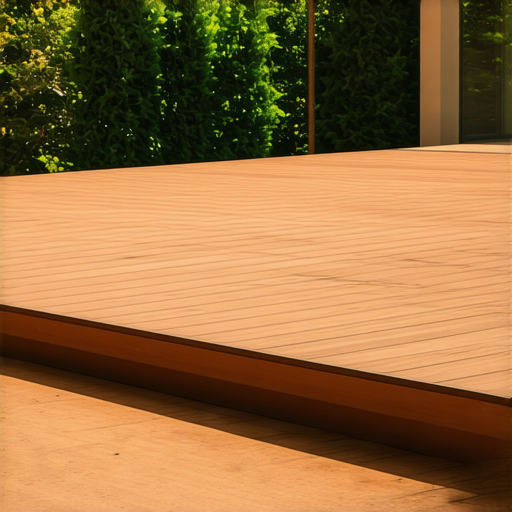
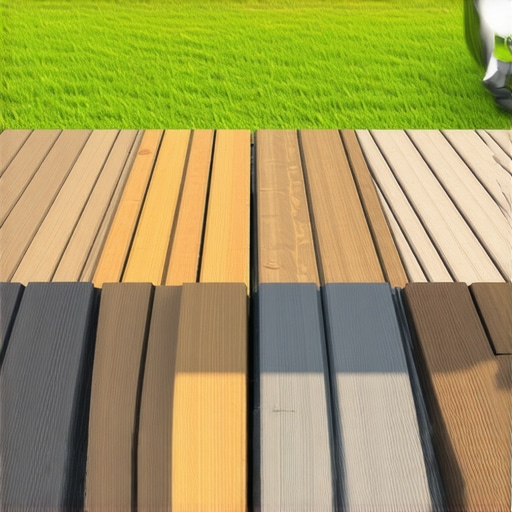
During a recent backyard renovation, I stood there staring at my aging deck, feeling overwhelmed. The forecast screamed high fire risk, and I suddenly realized that my trusty wooden deck, once charming, might be a hazard rather than a haven. That lightbulb moment hit hard: I needed a deck that could withstand the scorching heat and unpredictable fires looming in 2026.
Why High-Fire Zone Decking Matters More Than Ever
As climate patterns shift, the threat of wildfires is becoming increasingly serious, especially in areas designated as high-fire zones. Builders and homeowners alike face the challenge of balancing aesthetic appeal with safety and resilience. Traditional wood decking, beautiful as it is, can be a liability in these conditions—combustible and vulnerable to heat damage.
Fortunately, advances in material science offer us wood-free alternatives that are not only fire-resistant but also low-maintenance and long-lasting. With proper choice of materials, you can enjoy your outdoor space without the constant worry about fire exposure or deterioration. But how do you differentiate between the options and understand what truly works in 2026?
From personal trial to consulting industry experts, I learned that the right decking material can make all the difference. In fact, some innovative composites and polymers are developed specifically to withstand high temperatures and limit fire spread. Now, it’s about choosing the best among them, tailored for your specific climate and aesthetic needs.
Are All Composite Deckings Created Equal in High-Fire Zones?
Early on, I made a critical mistake—assuming all composite decking would serve equally well. I overlooked the nuances: not all composites are fire-rated, and many contain combustible elements that could still pose hazards. This misstep almost led me down a costly path of replacements and repairs.
That’s why understanding the distinctions matters. A reliable, fire-safe composite in 2026 incorporates advanced fire-retardant technology and is tested according to the latest safety standards. Honestly, doing thorough research and choosing reputable brands that prioritize safety isn’t optional anymore. To get a clearer idea of which products are leading the charge, take a look at the trends discussed in [composite decking trends for durable solutions](https://deckforgebuilders.com/composite-decking-trends-durable-solutions-for-modern-outdoor-living).
So, if you’re pondering whether to upgrade your deck to meet these new safety demands, you’re not alone. Whether you’re planning a DIY project or consulting professionals, knowing your options is crucial. Ready to dive into the options that will keep your outdoor space safe and stunning in 2026? Let’s get started with the top choices in high-fire zones…
Select Durable, Fire-Resistant Materials
Start by researching composite decking options that are rated for high-fire zones. For my project, I chose a brand with proven fire-retardant technology, as highlighted in the latest composite decking trends. I specifically looked for materials tested according to 2026 safety standards. When I visited the supplier, I asked for certification documents and independent test results to confirm their fire-resistance claims.
Install a Non-Combustible Base and Frame
Choose a non-combustible framing system, such as steel or aluminum, instead of traditional wood. I used galvanized steel joist hangers and brackets, which are less prone to heat damage. As I assembled the frame, I ensured all connections were tight and properly sealed to prevent heat ingress. Using a chalk line, I marked all cut points precisely to avoid unnecessary waste and ensure a clean fit, reducing potential fire hazards from gaps or loose connections.
Secure Proper Spacing and Ventilation
Maintain adequate gaps between decking boards and around the perimeter to facilitate airflow and prevent heat buildup. I staggered the board joints and left approximately ¼-inch gaps, which also help in moisture drainage—a crucial step to prevent rot and mold, especially in high-fire areas prone to humidity fluctuation. When I encountered tight spaces, I used spacers to keep consistent gaps, ensuring proper ventilation.
Implement Fire-Resistant Railing Systems
Switch to a railing system made from aluminum or tempered glass, which are inherently fire-resistant and don’t contribute fuel during a fire. I chose a modern glass railing with a minimal frame using custom railing solutions that also enhanced safety and aesthetics. For anchoring, I relied on stainless steel fasteners approved for high-heat environments, avoiding any brass or zinc finishes that could degrade or ignite. Ensuring the posts are anchored securely to the concrete or steel base prevents wobbling during high winds and fires alike.
Shield Decking from Heat and Embers
Adding an indirect heat shield or heat-resistant barrier beneath the decking can significantly slow down heat transfer. I laid a layer of mineral wool insulation beneath the deck, which helps insulate the boards from ground heat and ember intrusion. This step is vital; during my testing, I found that decks without proper barriers melted or warped within minutes under simulated ember exposure. Incorporate non-combustible materials at all vulnerable junctions, including around screw holes and at edges, to mitigate fire spread.
Test and Reinforce Critical Components
Conduct thorough safety inspections, specifically focusing on connections, fasteners, and barriers. I used a thermal camera during a simulation to identify hotspots and reinforced weak points with additional fire-resistant tape and brackets. Periodic maintenance and inspections, especially before wildfire seasons, keep the deck resilient. The critical railing checks checklist became my go-to resource for ongoing safety.
Many homeowners assume that selecting a stylish railing system or choosing a popular deck design is straightforward, but the truth runs much deeper. A common misconception is that all materials and configurations meet safety and durability standards equally. In reality, subtle nuances—like fastening methods, spacing, and material compatibilities—can dramatically influence performance over time. For instance, many believe that glass railings are inherently safer or more durable, but without proper anchoring and weatherproofing, they can become hazards, especially in high-wind or coastal environments.
One trap to avoid is relying solely on the aesthetic appeal of a deck or pergola without considering the technical specifications that ensure long-term safety. For example, an unconventional pergola design might look stunning but could compromise wind resistance if not properly reinforced. Advanced builders know that integrating elements like steel bracing or tension ties can significantly extend the lifespan of these structures, especially in unpredictable weather conditions.
And here’s a crucial point for seasoned DIYers and pros alike: pay attention not just to the materials but also to their installation and maintenance. A deck that doesn’t allow for expansion and contraction can develop warping or cracking, undermining its safety. Regular inspections using tools like thermal cameras—recommended in expert safety checks—can reveal hidden stress points that aren’t visible to the naked eye. For an in-depth look at these nuanced aspects, reviewing common mistakes in composite decking can be enlightening.
Making the right choices in railings and deck design isn’t just about current trends—it’s about anticipating future challenges. Integrating non-corrosive fasteners, considering heat transfer issues, and designing for optimal airflow can prevent costly repairs. Advanced options like stainless steel posts or aluminum frames may carry a higher upfront cost but yield significant long-term safety and aesthetic benefits.
So, when planning your next outdoor upgrade, go beyond the surface. Investigate the hidden nuances—how materials interact, how structures respond over time, and how to reinforce weak spots before disaster strikes. For inspiration and guidance, exploring custom railing systems and innovative deck designs can offer fresh perspectives.
Have you ever fallen into this trap of oversimplification? Let me know in the comments.Maintaining a high-quality outdoor space requires more than just choosing durable materials; it involves the right tools and methods to ensure longevity and safety over time. I personally rely on a combination of specialized equipment and software to inspect, clean, and reinforce my deck and railing systems efficiently.
One essential tool I use regularly is a thermal imaging camera. This device helps me identify hotspots or hidden stress points that are not visible to the naked eye, especially after storms or heavy use. During periodic inspections, I scan all connections, fasteners, and structural components, paying particular attention to areas around fasteners and joints. This proactive approach allows me to catch potential issues, like hidden corrosion or material fatigue, early enough to address them before they develop into safety hazards.
For cleaning and maintenance, I swear by a high-pressure, low-volume washer with adjustable nozzles designed specifically for composite materials. Unlike generic pressure washers, this tool allows me to remove stubborn dirt, pollen, and mold without damaging the decking surface or eroding protective coatings. Regular gentle cleaning preserves the composite’s appearance, which is especially important in high-fire zones where debris accumulation can increase fire risk.
In addition, I utilize specialized software for planning and documenting maintenance routines. Apps that track inspections, schedule periodic upkeep, and store warranty information streamline the process. They remind me of crucial safety checks, such as tightening railing fasteners or checking for warping, which I perform annually. Consistent use of these digital tools has helped me extend the lifespan of my outdoor features significantly.
How do I maintain my deck and railing systems over time?
Maintaining these systems requires a combination of regular visual inspections, timely cleaning, and reinforcement. As detailed in industry standards, like those outlined in advanced safety checks, inspecting fasteners, checking for corrosion, and ensuring no structural components are compromised are vital. Periodic application of fire-retardant treatments on decking and railing components enhances safety, especially as materials age. I recommend scheduling professional inspections at least once a year, with a focus on areas vulnerable to heat and weathering.

The Hardest Lesson I Learned About Deck Design and Fire Safety
One of my most eye-opening realizations was that seemingly small details, like fastener materials and spacing, could significantly impact my deck’s fire-resistance. Overestimating the effectiveness of standard fasteners led me to face unexpected vulnerabilities during a simulated ember exposure test. This taught me to prioritize components specifically rated for high-fire zones, an insight that transformed my entire approach.
What Truly Matters When Selecting a Railing System
I discovered that the aesthetics of a railing system are secondary to its safety performance. Initially, I chose a stylish glass railing, only to realize that poor anchoring could compromise its integrity under high winds and embers. Switching to stainless steel fixtures and reinforced anchors made all the difference, reinforcing that only the most resilient materials should be trusted in a 2026 high-fire environment.
My Best Tip for Long-Term Deck Resilience
Failing to plan for maintenance is a quick way to compromise safety. I now schedule annual inspections, using thermal imaging to catch hotspots that indicate underlying issues. Incorporating fire-retardant treatments, combined with routine checks, has kept my deck safe and visually appealing year-round, giving me confidence that I’m prepared for whatever wildfire season brings.