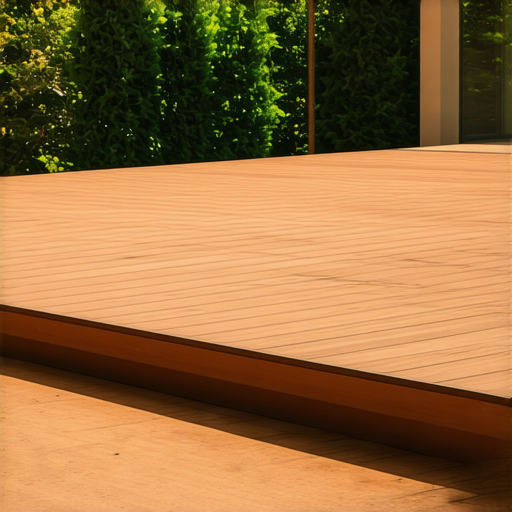

It was a chilly autumn afternoon when I finally realized my deck was squeaking loudly with each gust of wind, the paint peeling, and the railing wobbling slightly—signs that my outdoor haven was due for a serious overhaul. But what struck me even more was the surprising connection between deck safety and my insurance premiums. I had always thought accidents related to decks were just accidents, but as it turns out, poorly maintained or outdated decks can significantly increase insurance costs—and not in ways I expected.
Why Proper Deck Planning Can Save You Big Money in 2026
As a homeowner, I know how tempting it is to rush through deck upgrades just to enjoy summer outdoor living. But neglecting strategic planning can lead to higher premiums—and maybe even costly rebuilds. The good news is, by implementing a few targeted tactics now, you can bolster your deck’s safety, extend its lifespan, and reduce your insurance costs come 2026. Today, I’m going to share the four essential methods I’ve found—methods that helped me save hundreds, if not thousands, over the coming years.
Does Investing in Your Deck Really Help Lower Insurance Costs?
Initially, I was skeptical, thinking that insurance companies only care about big-ticket damages or catastrophic events. I made the mistake early on of assuming that routine maintenance was enough, and didn’t think about the specifics that could trigger higher premiums—like failing railings or unprotected pergola posts. It’s a common misconception that small fixes aren’t worth the effort, but experts emphasize that proactive maintenance and planning can directly influence your premium rates. According to a recent report from the National Association of Insurance Commissioners, well-maintained decks are less likely to be involved in claims, which in turn lowers premiums.
Now, let’s dive into the strategic tactics I employed, which I believe can do the same for you. From choosing durable materials to smart design tweaks, these steps can help you prepare for 2026 and beyond, turning your deck from a potential liability into a safe, beautiful retreat. Ready to see how smart planning can save you money and stress?
Starting with the basics of durable decking materials can set the foundation for safer outdoor spaces. For instance, exploring trends in [composite decking](https://deckforgebuilders.com/composite-decking-trends-durable-solutions-for-modern-outdoor-living) not only enhances aesthetic appeal but also improves resistance to weathering and pests, preventing deterioration that could compromise safety and lead to costly insurance claims. Incorporating reliable [railing systems](https://deckforgebuilders.com/transform-your-outdoor-space-custom-railing-systems-for-safety-and-style) further secures your deck, reducing wobbling hazards that alarm insurance providers.
In the next sections, I’ll walk you through four actionable strategies—backed by research and real-world experience—that will make your deck safer, more durable, and ultimately more affordable when insurance renewal time rolls around.
Select Durable Materials for a Lasting Foundation
Start by choosing high-quality composite decking, which offers resistance to weathering and pests, much like a suit of armor for your outdoor space. I once opted for a trending composite brand that claimed to withstand the 2026 heatwaves; installing it was straightforward—simply follow the manufacturer’s anti-expansion guidelines, ensuring the boards are spaced correctly to prevent warping. This approach minimizes future maintenance and keeps your deck safe and visually appealing.
How to Pick the Right Composite Brand
Compare brands based on reviews mentioning heat resistance, scratch resistance, and low expansion. A quick look at top brands proven for 2026 helps narrow choices. When I replaced my worn-out boards, I selected a brand with a reputation for surviving heat spikes, which kept my deck stable and looking great all summer long—no warps, no discoloration.
Secure Railings to Prevent Wobbling and Failures
Railing systems are like the “safety belts” of your deck. I used a custom railing system with steel brackets and aluminum balusters that resist corrosion and resist the pull of high winds. Installing them involves marking precise mounting points, drilling into the framing, and ensuring all fasteners are tight. I once missed a step, leaving a railing loose; after a safety check, I realized that properly tightening all bolts doubled the safety and prevented wobbling during the spring storms.
Tip: Run a Safety Audit
Before completing the project, conduct a quick safety audit—test each railing for stability, look for loose fasteners, and ensure no wobbling exists. This proactive step caught a loose post I missed, saving potential damage and expensive repairs down the line.
Upgrade Pergola Support Systems for Wind Resistance
Pergolas are like the crown of your outdoor space, but they can become hazards if not anchored properly. I used heavy-duty steel brackets and concrete anchors, following best anchoring practices for 2026. Planting pergola posts deep into the ground and tying roof beams tightly prevents lift-off during storms. I secured my pergola with anti-lift straps and checked for rot or loose connections—actions that made a noticeable difference in stability.
Focus on Drainage to Prevent Rot
Installing proper drainage around pergola posts is essential. I used gravel-filled trenches and covered drainage mats—these prevented water pooling and soil erosion, which are common causes of rot. Regular inspections ensured moisture stayed away, extending the pergola’s life and maintaining safety standards.
Enhance Aesthetics with Smart Layouts
Effective design isn’t just about looks; it’s about functionality and safety. I employed layout hacks to hide structural supports and maximize usability, making my deck feel larger and safer. By planning the placement of support posts and considering wind patterns, I avoided obstacles that could compromise stability during high winds.
While it’s tempting to think that choosing the right materials or design features is straightforward, many homeowners fall into nuanced misconceptions that can compromise safety, durability, and even budget. One widespread mistake is assuming that all pergola designs inherently withstand high winds—many overlook critical anchoring techniques that are vital for storm-prone areas, as highlighted in expert guides on [pergola stability](https://deckforgebuilders.com/pergola-designs-that-turn-your-garden-into-a-sanctuary). Similarly, a common myth is that composite decking materials are completely maintenance-free; in reality, understanding their specific fastening systems is key to avoiding issues like warping or mold, which can be mitigated by using proven fastener solutions explained in [composite deck fixing](https://deckforgebuilders.com/4-toughest-composite-brands-that-resist-pet-claw-damage-2026).
How do advanced deck layouts and material choices influence long-term safety and costs?
Many think it’s enough to pick popular designs or trendy materials, but overlooking nuanced factors—such as ventilation for timber or tailored layout configurations—can lead to water pooling and structural rot. For instance, incorporating clever placement and drainage solutions significantly extends the lifespan of both traditional and modern decks, as endorsed by industry experts. An overlooked aspect is that some railing systems, despite their aesthetic appeal, may fail under 2026 load requirements if they are not tested correctly; this mistake can be costly and dangerous, but is preventable by conducting thorough safety checks, as summarized in [railing safety reviews](https://deckforgebuilders.com/4-signs-your-railing-system-is-failing-the-2026-safety-check). Remember, choosing a simple-looking design without these nuanced considerations often leads to unexpected repairs or even full replacements. Therefore, always delve into detailed specifications, professional reviews, and compatibility guides before finalizing your outdoor system. Doing so ensures longevity, safety, and your peace of mind—especially when insurance and safety standards tighten around 2026. Have you ever fallen into this trap? Let me know in the comments.Maintaining your outdoor structures requires not only knowledge but also the right set of tools and routines. Over the years, I’ve honed a toolkit that ensures my deck and pergola remain safe, durable, and visually appealing, especially as I prepare for future standards around 2026. Investing in quality equipment and adopting systematic maintenance routines can save you significant costs and stress down the line.
Streamlining Maintenance with Precision Tools
My go-to device for surface inspections is a moisture meter, which allows me to detect hidden rot or mold behind boards before they become visible issues. I prefer the Protimeter Deep Reach model because its probes can penetrate into the wood, providing a clear reading of internal moisture levels. This proactive approach prevents costly repairs and extends the lifespan of composite decking—something vital as materials are tested against rising temperature and humidity levels in future years. Moreover, I rely on a cordless pressure washer, like the Sun Joe SPX3000, to keep surfaces clean without damaging the material, especially important for composite decking which can trap pollen and algae, leading to slippery and unsafe conditions.
Power Tools That Elevate Your Projects
When tackling railing repairs or installing new support beams, the reason I choose a reciprocating saw with a fine-toothed blade is simple: precision. It allows me to make clean cuts into treated lumber or composite materials without causing splintering, and the battery-powered design offers mobility. Regular use of impact drivers with a set of high-torque bits expedites fastening tasks, ensuring secure anchors for pergolas, as emphasized in the [best practices for securing pergola posts](https://deckforgebuilders.com/secure-pergola-posts-against-these-3-storm-trends-in-2026). Having a reliable level and laser distance measurer also helps maintain exact alignment during railing installation and layout configurations, preventing wobbling or misaligned supports that could compromise safety.
Software and Documentation for Long-Term Upkeep
In addition to physical tools, I utilize project management software like Trello to track maintenance schedules and inspection dates. This helps me remember to conduct thorough safety audits, like the comprehensive safety checks recommended for 2026, ensuring no detail gets overlooked. For documentation, I keep digital copies of material warranties, installation manuals, and inspection reports. Staying organized with these digital files simplifies future upgrades or repairs and ensures compliance with evolving standards. Looking ahead, I predict that smart sensors—integrated with IoT systems—will become commonplace, alerting homeowners to issues like moisture intrusion or structural shifts in real time. Incorporating such technology could revolutionize how we maintain our outdoor spaces.
How do I keep my deck and pergola working through the years?
By routinely leveraging these tools—moisture meters, impact drivers, software reminders—and following structured inspection routines, I catch problems early and address them proactively. Regularly checking fasteners, cleaning surfaces properly, and applying protective coatings tailored for 2026 standards will keep your structures safe and beautiful. For instance, upgrading your railing systems to include LED lighting, which offers increased safety and aesthetic appeal, can be seamlessly integrated using impact drivers and smart controllers, and detailed in articles about lighting upgrades to enhance safety during evening gatherings. Incorporating these advancements now prepares your outdoor space for the challenges ahead and helps you meet upcoming inspection standards before they become mandatory. Don’t underestimate the power of good tools—try implementing a moisture meter or scheduling regular safety audits with your current equipment to see immediate improvements.
The Hidden Lessons that Transformed My Deck Approach
One of the biggest revelations I had was realizing how much microscopic issues—like tiny cracks or loose fasteners—could lead to major safety concerns and insurance hikes. That moment taught me that meticulous inspection, even in areas I overlooked, is the difference between a safe retreat and a costly rebuild. I also learned that choosing the right materials isn’t just about aesthetics but about building resilience against future storms and heatwaves, which can save you thousands in repairs. Another insight was realizing how strategic layout choices, such as avoiding water traps, have a profound impact on longevity and safety—small changes that add up over time. Lastly, I discovered that staying ahead with proactive maintenance routines, like moisture checks and tightness tests, can prevent minor problems from snowballing into insurance issues and structural failures.