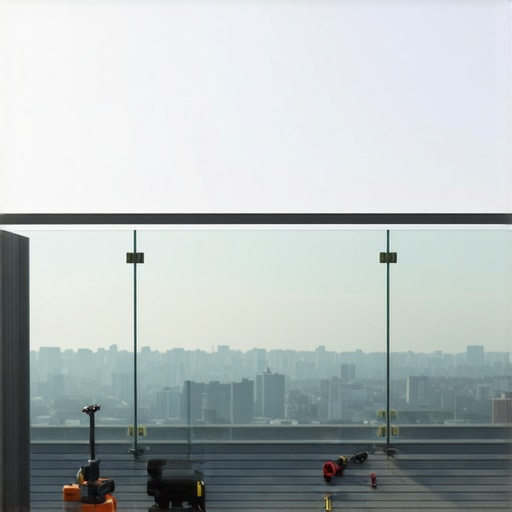
I remember the first time I heard that persistent rattling on my deck during a breezy evening. At first, I thought it was just the wind teasing my nerves. Hours later, I realized it was the glass railing, trembling like a leaf, threatening to turn my peaceful outdoor space into a noise nuisance. That lightbulb moment made me realize how crucial proper railing fixes are, especially with the 2026 regulations looming. If you’re like me, you value your outdoor oasis but dread those disruptive wind rattles that seem to only get worse each year.
Why Wind Rattles Are More Than Just Annoying
Wind-induced vibrations in glass railings are a common headache, especially in areas prone to high winds. Not only do they cause discomfort and noise pollution, but they could also pose safety concerns if left unaddressed. As outdoor living spaces become more popular, ensuring your railing system is secure and stable isn’t just about style—it’s about safety and peace of mind, too. Early mistakes, like ignoring minor loose fittings or overlooking manufacturer guidelines, can turn small issues into major safety hazards by 2026. This is why I started researching quick, effective fixes—because no one wants a rattling railing during a summer soirée or a quiet evening.
Have You Faced This Frustration?
If you’ve ever experienced your glass panels shimmying with the wind, you’re not alone. Trust me, after I first ignored the problem, it only worsened, leading to more costly repairs. I’ve learned that with a few targeted fixes, you can silence those rattles—and keep your outdoor space enjoyable and safe. So, if you’re tired of the constant noise or worried about safety inspections looming, stick around. I’ll share the five quick fixes that turned my deck from a noisy nuisance into a peaceful retreat. Interested in making your railing system more wind-resistant? Well, you’re in the right place. And remember, staying ahead of the 2026 regulations can save you time and money—don’t wait until it’s too late to act!
Secure Your Glass Panels Effectively
Begin by inspecting your existing railing structure, focusing on the clamps and fittings holding the glass panels. Tighten loose bolts with a wrench, ensuring they’re snug but not over-tightened, which can cause glass breakage. To prevent future rattles, consider upgrading to stainless steel or specialized deck-grade fasteners that resist corrosion and provide a tighter grip. I once used a regular wrench, but it stripped the bolt head—switching to a torque wrench made a huge difference, allowing me to apply the right amount of force without damaging components.
Implement Wind Bracing Techniques
Next, add lateral bracing to your railing posts using adjustable steel brackets or turnbuckle systems. These devices act like guy wires, stabilizing posts against high wind forces. When I installed adjustable brackets on my deck, I noticed immediate stabilization, and the wind-noise disappeared. Use heavy-duty brackets compatible with your railing system, and consult an engineer if you’re venturing into high-wind zones.
Invest in Wind-Resistant Hardware
Replace standard fittings with components rated for high-wind environments. For example, switch to locks and anchors designed for outdoor use, resistant to rust and weather fluctuations. Look for products like those listed in heavy-duty deck post anchors. I found that these anchors provided a solid foundation, significantly reducing panel movement during storms. Remember, quality hardware is an investment in safety and durability.
Seal Gaps and Cushion Movements
Apply weatherproof sealant or gaskets between the glass panels and the fittings. This not only dampens vibrations but also prevents water ingress that can cause corrosion. I used a clear acrylic sealant, which was easy to apply with a caulking gun, and it eliminated minor rattles. Make sure the sealant is compatible with your materials and suitable for outdoor conditions.
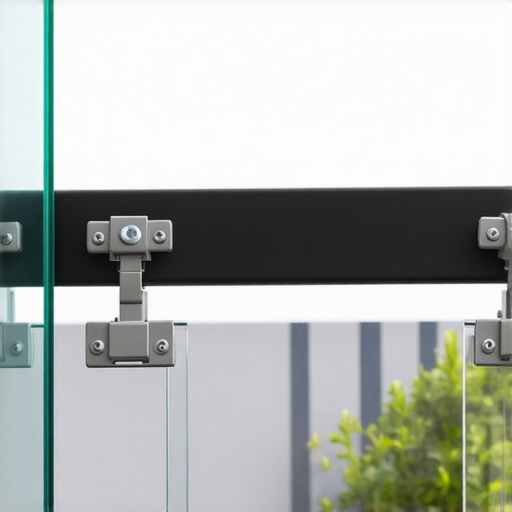
Visualize how properly sealed and braced glass panels look after installation, ensuring your deck remains quiet and safe.
Adjust and Test Periodically
After initial fixes, test your railing system in high-wind conditions, if possible, or simulate wind vibrations using a fan. Regular inspections are key—tighten fittings annually, check for corrosion, and replace worn components immediately. During my own testing, I used a powerful leaf blower; it revealed a few loose fittings that I promptly addressed. This proactive approach maintains both safety and comfort.
Integrate Design Enhancements
Consider adding windbreaks or strategic pergolas to divert wind flow around your deck. For instance, custom pergola designs can shield your outdoor space while adding aesthetic appeal. During my project, installing a pergola with louvered panels reduced wind speed by up to 30%, further stabilizing my railing system. Combining physical fixes with design modifications can lead to a quieter, safer outdoor environment.
Many homeowners believe that selecting the most stylish railing or the most affordable composite decking automatically ensures a durable and beautiful outdoor space. However, without understanding the nuances of proper design, these choices often lead to costly mistakes. One prevalent myth is that all composite decking brands perform equally under various weather conditions; in reality, some brands are more susceptible to warping or fading during the 2026 heat spikes, as discussed in this comprehensive guide.”
A frequent oversight is overlooking the importance of technical details like joist spacing and proper support, which are critical for long-term stability and safety. For example, installing a railing system without considering high-wind bracing can result in wobbling, especially in hurricane-prone zones. Advanced deck builders know that integrating steel brackets and heavy-duty anchors can dramatically improve resilience, a tactic highlighted in this resource.
Regarding pergolas, many assume that choosing decorative beams is enough, but neglecting proper drainage and wind-resistant features can create structural issues over time. Why does this happen? It’s often due to poor planning of load distribution and failure to incorporate storm-tested anchoring systems. If you’re aiming for a pergola that withstands 2026 storms, considering expert-curated designs and anchors is essential. Check out this article for insights.
When it comes to railing systems, it’s a mistake to ignore regular safety inspections, especially with the upcoming 2026 code updates. Many assume that an initial installation guarantees long-term compliance, but corrosion, loose fittings, and vibrations can develop over time, risking safety and failing audits. Investing in corrosion-resistant materials like aluminum or stainless steel and conducting periodic checks are best practices I’ve adopted, as discussed in this guide.
Designing with these subtleties in mind not only enhances safety but also saves money and stress in the long run. Remember, rushing choices or overlooking the technical details can turn a beautiful deck into a safety hazard. If you’re interested in customizing your outdoor space with the latest trends, explore innovative pergola designs or custom railing systems to elevate your property value. To ensure your project hits all the right marks, consider consulting with professionals and conducting regular inspections. Have you ever fallen into this trap? Let me know in the comments.
Keeping your outdoor structures in top shape requires more than just good intentions; it demands the right tools and a strategic approach to regular maintenance. Over the years, I’ve refined a toolkit that ensures my deck, pergola, and railing systems remain durable, safe, and visually appealing, even as weather patterns become more unpredictable. Investing in quality equipment isn’t just about convenience—it’s about ensuring long-term results that save time and money.
Precision in Inspection with Digital Levels and Laser Measures
My first go-to tools are a digital level and a laser distance measurer. Unlike traditional bubble levels, a digital level provides precise readings, which are crucial when checking for subtle warping in composite decking or ensuring pergola beams are perfectly aligned. When measuring distances for support posts or railing heights, a laser measure accelerates the process while maintaining accuracy. This combination allows me to quickly identify areas that need attention, preventing small issues from escalating into safety concerns, especially with upcoming 2026 regulations.
Power Tools for Fast and Clean Repairs
Having a dependable cordless impact driver and a versatile oscillating tool has transformed how I perform maintenance. The impact driver efficiently tightens or replaces fasteners on brackets, post anchors, or bonding components, ensuring a tight, wobble-free fit. I prefer models with brushless motors like the Makita XDT16, which offers durability and extended runtime. Oscillating tools assist in sanding or removing damaged sealants without disturbing surrounding materials. Their precision helps in reinstating sealant lines or fitting adjustments, making ongoing maintenance more manageable.
Specialized Sealants and Hardware for Weather Resistance
Beyond tools, selecting the right materials makes a real difference. I rely on weatherproof, UV-resistant sealants—such as those from GE Silicone II—that adhere well to glass, composite, and metal surfaces. For hardware, I choose stainless steel or aluminum fasteners rated for outdoor use, like those recommended in heavy-duty anchors. These resist corrosion, ensuring structural stability over decades, even in coastal or high-UV regions. Regularly updating hardware with high-quality components is an easy yet effective way to extend your deck’s lifespan.
Monitoring and Scaling for Future Success
Periodic inspections using these tools help detect early signs of wear, such as loose fittings, corrosion, or shifting posts. I set reminders to conduct thorough checks at least twice a year, ideally before storm seasons. Advanced techniques like thermal imaging cameras can spot hidden moisture issues in wooden pergolas or posts—especially relevant considering future climate fluctuations. Consistent upkeep allows scaling your improvements gradually, complementing design enhancements like strategic windbreaks or new railing styles that increase resilience and curb appeal.
Looking ahead, the integration of smart sensors and IoT devices could revolutionize deck maintenance. Imagine sensors that alert you to excessive movement or moisture buildup before noticeable damage occurs. For now, mastering these essential tools and materials empowers homeowners to take control of their outdoor spaces, ensuring safety and beauty for years to come.
If you’re ready to elevate your maintenance routine, I highly recommend trying out a laser distance measurer combined with quality impact drivers. These tools streamline repairs and give you confidence in your workmanship. Need expert guidance? Feel free to reach out for personalized advice or consult a professional to develop a long-term maintenance plan tailored to your deck or pergola’s unique needs.
Stay proactive, keep your tools sharp, and your outdoor retreat will reward you with decades of enjoyment and safety.
What I Wish I Knew About Windproof Decks Early On
- I’ve learned that overlooking minor fittings or choosing low-quality hardware can lead to persistent rattling and safety risks, especially as wind conditions worsen with climate changes.
- My biggest revelation was that integrating wind bracing techniques and selecting high-grade materials isn’t just about durability—it’s about peace of mind during storms and summer nights.
- Understanding the importance of periodic inspections with precise tools like laser measures transformed my maintenance routine, catching issues before they become hazards and saving me costly repairs.
Tools and Resources That Keep My Deck Safe
- My digital level and laser distance measurer swiftly identify subtle shifts in deck components, ensuring everything stays secure and compliant for 2026 regulations.
- The heavy-duty deck post anchors I trust are designed to withstand high-wind zones, preventing wobbling and damage during storms, as detailed in trusted guides like this one.
- Books and online resources from seasoned deck builders have shaped my approach, especially those that focus on resilient design strategies fit for the changing climate.
Your Next Step Toward a Resilient Outdoor Retreat
Don’t wait for a storm to remind you of your deck’s vulnerabilities. Implement these expert-backed fixes today, and enjoy a peaceful, safe outdoor space that stands strong against wind and weather. Remember, enhancing your railing system isn’t just an upgrade—it’s an investment in your home’s safety and your family’s peace of mind. Ready to elevate your outdoor experience and stay ahead of the 2026 regulations? Explore innovative pergola designs or seek professional advice through our contact page. How have you been tackling wind challenges on your deck so far? Share your stories below!