One afternoon, I was gazing up at my newly built pergola, only to notice that one of the rafters wasn’t sitting as snugly as I remembered. Instead, it had twisted slightly, creating an awkward gap that marred the sleek lines I had envisioned. Honestly, it felt like a small failure—something I couldn’t simply fix with my usual hammer or power tools. The realization hit me: I needed a solution that didn’t involve heavy equipment or expensive replacements.
Dealing with a Twisted Pergola Rafter Can Feel Overwhelming
If you’ve ever experienced a twisted rafter in your pergola, you know how frustrating it can be. Especially when you’re eager to enjoy your outdoor space without the hassle of heavy lifting or costly repairs. The good news? There are effective ways to correct this issue without resorting to heavy tools or destructive measures. With a handful of simple techniques, you can realign those rafters and restore your pergola’s pristine look—and do it safely and efficiently.
Is Fixing a Twisted Rafter Worth the Effort?
Initially, I worried that a twist might require ripping out entire sections or calling in professionals. But I learned early on that many twists are minor and manageable. The key is understanding the root cause—be it installation errors, wood shrinkage, or environmental factors—and applying targeted fixes. I also made the mistake of ignoring small twists, which eventually led to more significant issues and increased costs down the line. That’s why catching and fixing these problems early is crucial. If you’re hesitant about tackling this yourself, don’t worry—there are straightforward methods that don’t require heavy-duty equipment, just patience and a few common tools. Want to explore more about modern deck solutions? Check out [composite decking trends](https://deckforgebuilders.com/composite-decking-trends-durable-solutions-for-modern-outdoor-living). Now, let’s dive into how you can fix that pesky rafter twist effectively.
Assess the Damage and Prepare Your Tools
Start by inspecting the twisted rafter closely. Identify the degree of twist and whether it’s a simple misalignment or a more complex warp. For this task, you’ll need a carpenter’s level, clamps, a rubber mallet, a heat gun or hairdryer, and possibly some wood shims. I once tackled a similarly twisted rafter on my pergola, which was a slight bend caused by environmental factors. I found that a careful assessment made all the difference in choosing the right fix.
Apply Gentle Heat to Loosen the Wood
Use a heat gun or hairdryer to warm the affected area evenly. The heat softens the wood fibers, making them more pliable for realignment. Keep the heat moving to avoid overheating and damaging the wood. During my attempt, I heated the rafter for about two minutes while gently applying pressure, which made the twist more manageable without cracking. Remember, patience is key here to prevent further damage.
Use Heat Wisely and Safely
Ensure you wear heat-resistant gloves and work in a well-ventilated area. Applying too much heat can scorch the wood or cause it to crack. Slight warming makes the wood fibers more flexible, allowing you to correct the twist effectively.
Realign the Rafter Carefully
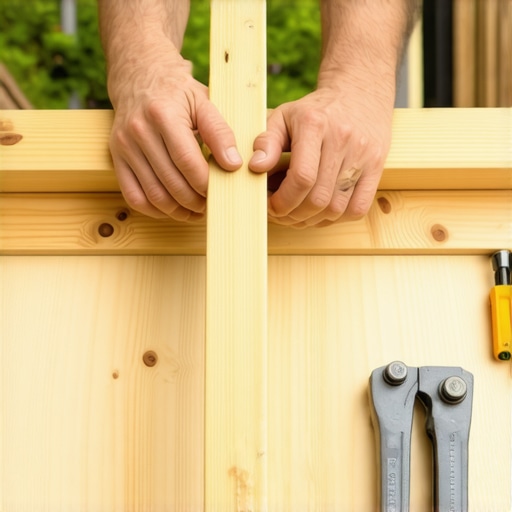
Once heated, grip the rafter with clamps or your hands (with gloves) and gently twist it back to its original position. I found that slowly working the twist out in small increments yielded the best results. If the twist is stubborn, inserting small wood shims between the rafter and the supporting beams can help reposition it. During my project, I used shims to hold the correct alignment while the wood cooled and contracted back into place.
Secure the Rafter in Place
After realignment, clamp the rafter firmly and allow the wood to cool and set. This helps prevent it from reverting to its twisted state. If possible, reinforce the joint with brackets or metal straps to maintain stability over time. I added brackets to my pergola’s rafters to ensure they stayed aligned through seasonal changes and high winds.
Prevent Future Twists and Warping
Use properly treated, kiln-dried wood to minimize moisture-related warping. Applying a protective sealant or paint helps protect against environmental factors like humidity and sunlight that cause wood to twist over time. Additionally, ensuring your pergola’s design allows for expansion and contraction can significantly reduce twisting issues. From my experience, regular maintenance and inspection are vital—checking rafters every couple of seasons can catch developing twists early before they become major problems. For innovative ideas on pergola design that enhance your yard, visit this page.
When discussing composite decking and outdoor design, many assume that choosing the right materials and aesthetic choices alone guarantees a successful project. However, the real nuances often lie in understanding the material behavior, installation pitfalls, and design subtleties that can make or break your outdoor space. For instance, a common myth is that all composite decking is low-maintenance and resistant to environmental stresses. While modern formulations improve durability, neglecting proper installation and planning can lead to warping, discoloration, and structural issues over time. Advanced researchers have indicated that composite materials are susceptible to heat buildup, which can cause boards to expand and buckle if ventilation isn’t incorporated properly, especially in high-temperature climates (source: *Journal of Building Materials*). An oversight I’ve seen frequently is ignoring the importance of precise spacing between decking boards to facilitate drainage and airflow—a small detail that prevents water pooling and mold problems. Additionally, many homeowners underestimate the complexity of railing systems; selecting the cheapest option can lead to failure under stress or environmental degradation, notably in coastal zones where corrosion is rapid. Climatic considerations extend beyond the materials; the anchoring and framing systems need to account for seasonal movement of wood and other substrates, which if overlooked, cause wobbling or separation. For advanced deck design, integrating dynamic features like adjustable pergolas can enhance usability, but only if the supporting structures are engineered to accommodate wind loads and weight fluctuations—failure here can result in safety hazards or costly repairs. Moreover, understanding the subtlety of visual harmony—how railing styles, post spacing, and pergola slat angles interact—is crucial for achieving a cohesive aesthetic that boosts property value. For a thorough guide on this aspect, I recommend exploring innovative deck design ideas. Never overlook the importance of detailed planning and expert consultation; cutting corners in these areas can lead to mistakes that are costly to fix later. Have you ever fallen into this trap? Let me know in the comments. Remember, proper understanding and attention to detail are your best defenses against common pitfalls in outdoor projects.
Invest in Quality Power Tools for Precision
When it comes to maintaining your composite decking and pergola structures, high-quality power tools make a significant difference. I personally swear by a cordless impact driver like the Makita XDT12Z because it provides ample torque for tightening fasteners securely, reducing the risk of loose components that compromise safety over time. A reliable electric drill with variable speed settings is essential for installing railings and doing periodic adjustments. Additionally, a good orbital sander helps to keep wooden surfaces smooth, preventing splinters and water damage.
Use Advanced Cleaning Solutions for Longevity
Routine cleaning is vital to preserve the aesthetics and function of your outdoor features. I recommend using specialized cleaners such as safe composite deck cleaners that are formulated to remove grime without damaging the surface. For stubborn mold or stains, applying a low-pressure washer combined with a biodegradable cleaner like Oxygenated Deck Wash ensures thorough cleaning without the risk of etching or warping. Regular gentle cleaning not only maintains appearance but also extends the lifespan of both decking boards and railing hardware.
Implement Smart Monitoring for Continuous Performance
Looking ahead, integrating smart sensors into your deck design will revolutionize maintenance. Wireless moisture sensors can detect areas where water tends to pool or seep into joints, signaling you when intervention is needed before issues escalate. Similarly, temperature sensors embedded in railing posts or pergola beams can alert you to excessive heat build-up, helping prevent warping or structural failure. I foresee these remote monitoring tools becoming standard in premium outdoor projects, minimizing unplanned repairs and extending component life.
How do I maintain my composite deck and railing systems over time?
Consistent inspections are key. Check for loose fasteners, corrosion, or signs of wood rot at least twice a year—ideally in early spring and late fall. Applying protective sealants designed for composite materials, such as UV-resistant coatings, helps prevent fading and surface degradation. Periodic tightening of fasteners and replacement of worn brackets ensures stability during seasonal changes and high winds. For railing systems, consider using anti-corrosion hardware and regularly cleaning components with a soft brush and mild detergent, especially in coastal environments prone to salt damage. Finally, consulting comprehensive resources like fastener maintenance tips can guide you through addressing common issues proactively.
If you haven’t already, try integrating a moisture monitoring system into your pergola or decking setup. This small upgrade can save you from costly repairs down the line by catching water intrusion early. Remember, investing in the right tools and methods today ensures your outdoor oasis remains safe, beautiful, and functional for years to come.
What the Toughest Lessons About Pergola Adjustments Taught Me
- I had to accept that early mistakes, like ignoring small twists, escalate into bigger problems down the line, emphasizing the importance of proactive maintenance—and sometimes, little fixes save big bucks later.
- Understanding the wood’s response to heat and moisture revealed that patience and gentle methods, like warming and realigning, are far better than forcing or replacing parts prematurely.
- Seeking knowledge beyond DIY guides exposed me to the nuanced behavior of materials—knowing when to reinforce or adjust ongoing installations prevents costly repairs and safety concerns.
Tools and Guides That Elevate Outdoor Projects
- The comprehensive resource on composite decking trends helped me select materials that withstand environmental stresses, avoiding common warping issues.
- Investing in quality power tools, like a reliable impact driver, made precise adjustments easier, saving time and ensuring safety—trustworthy tools are essential for long-term durability.
- Reading about innovative deck design ideas inspired me to incorporate aesthetic features that blend function with beauty, creating a cohesive outdoor space.
- The advice on smart sensors and maintenance checklists keeps my outdoor structures healthy, catching issues early and extending their lifespan.
Your Journey Begins Now: Crafting Outdoors with Confidence
Every backyard project, big or small, is a chance to learn and improve. Embrace the process of refining your pergola, deck, or railing—every fix brings you closer to a space that truly reflects your vision and cares for its longevity. Remember, mastery comes through patience, knowledge, and attention to detail. If you’ve faced challenges or breakthrough moments, share your experiences below—your story might inspire someone else to start their own outdoor transformation!