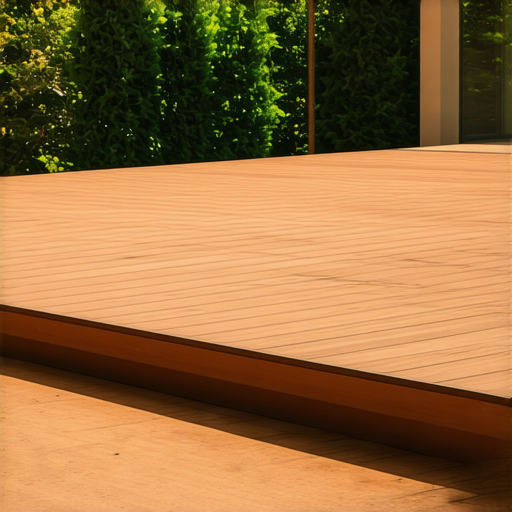
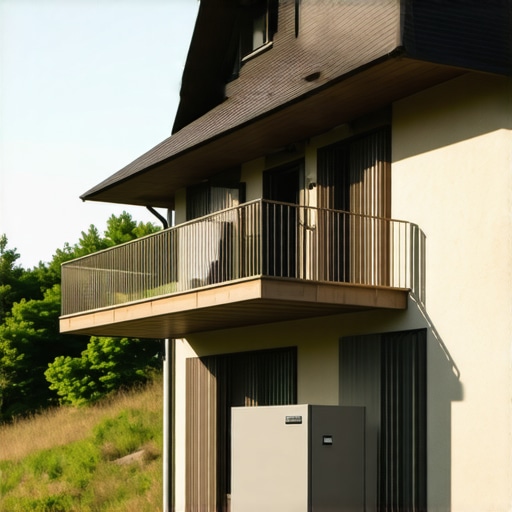
I’ll never forget the moment I discovered my sleek new deck was overshadowed by an unsightly, bulky solar battery storage unit. It was a sunny Saturday afternoon, and I was eager to relax outside, but that clunky box in the corner stole my joy. It hit me then—how many of us are unknowingly sacrificing the beauty of our outdoor retreats for the sake of sustainable energy. If you’ve faced this dilemma, you’re not alone.
Transform Your Space: Concealing Solar Battery Storage Without Sacrificing Style
Is the Hype About Disguising Solar Units Just Overblown?
Early on, I made a common mistake: I underestimated how challenging it would be to hide that equipment while keeping my deck functional and aesthetic. I thought simply tossing a planter or some lattice would do the trick, but the clutter persisted, and I was left feeling frustrated. Over time, I learned that intentional design—like incorporating smartly crafted pergolas or custom railing systems—can seamlessly blend utility with beauty. For more ideas, check out custom railing systems that elevate safety and style.
Many homeowners worry that concealing solar storage units is either impossible or will make their outdoor space feel cramped. But with the right approach, it’s entirely doable. In fact, strategic design not only hides these systems but can enhance the overall curb appeal, making your backyard a true haven rather than an eyesore.
Before we dive into specific ideas, it’s worth noting a study that states well-designed outdoor spaces can increase property value by up to 20%. That’s a big incentive to get this right! Plus, knowing how to cleverly camouflage your solar equipment means you’ll enjoy your outdoor area without constantly worrying about the next inspection or curb appeal critique.
Now, let’s explore practical solutions that marry function with aesthetics. Whether you’re hesitant about overhauling your entire deck or looking for small tweaks, I’ve got you covered with strategies that are proven to work and won’t break the bank.
Build Custom Railing Enclosures for Seamless Integration
Start by designing a railing system that doubles as a hidden compartment. Use durable materials like aluminum or composite panels that blend with your deck’s aesthetic. Measure the solar unit’s dimensions carefully, then plan how the enclosure will fit neatly, leaving access points for maintenance. I once built a custom railing with a hinged panel that concealed my battery system, making it virtually invisible when closed, which greatly improved my deck’s look.
Incorporate Strategically Placed Pergolas and Overhangs
Implement pergolas or overhangs that shield and hide the solar units behind shaded structures. Choose designs that complement your existing deck layout—such as a pergola with lattice sides that allow airflow but obscure the view. I designed a pergola with climbing plants, which not only shaded the unit but also added a lush feel. Check out pergola design ideas to elevate your garden.
Use Planters and Vegetation as Natural Camouflage
Strategically place tall planters or shrubbery around the solar equipment to hide it naturally. Choose evergreen plants for all-season concealment, and ensure they don’t block sunlight if your units need exposure. I experimented with tall potted grasses, which provided privacy and softened the visual impact, while maintaining access for inspections.
Design Multi-Functional Structures
Create structures that serve both aesthetic and functional purposes, like benches with built-in storage or decorative fencing that hides the units. For instance, I built a bench with a hinged lid over the battery, merging seating with concealment. This approach streamlines your space without sacrificing style or utility. Explore custom railing solutions for more ideas.
Opt for Smart Landscaping and Layout Planning
Integrate the solar storage into your landscape design by placing it behind features like small hills or decorative rocks. Careful planning ensures that concealment doesn’t interfere with accessibility. I mapped out my yard beforehand, and by situating the units behind a faux rock wall, I achieved a natural look and easy access. Proper planning helps maintain compliance with safety standards while maximizing visual appeal. For insights on layout optimization, visit deck planning tips.Many homeowners assume that selecting high-quality composite decking guarantees a flawless, maintenance-free outdoor space, but in reality, overlooking certain nuances can lead to costly mistakes. For example, while many believe all composite boards are equally resistant to heat and fading, studies show that the composition and manufacturing process significantly affect durability—some brands outperform others during summer heat extremes. It’s essential to scrutinize the specific product specifications and reviews; [learn more about durable solutions in modern outdoor living](https://deckforgebuilders.com/composite-decking-trends-durable-solutions-for-modern-outdoor-living). Another common myth is that railing systems are a simple add-on, but poorly chosen or installed railings can compromise safety and aesthetics. For instance, aluminum systems that resist corrosion only perform well if properly anchored and maintained; explore [aluminum railing systems tested for longevity](https://deckforgebuilders.com/4-aluminum-railing-systems-that-wont-corrode-in-2026-tested). Furthermore, many underestimate the importance of matching pergola design with deck layout; an overcomplicated or poorly planned pergola can do more harm than good, especially if it impacts airflow or obstructs views. I recommend [innovative pergola designs](https://deckforgebuilders.com/pergola-designs-that-turn-your-garden-into-a-sanctuary) that enhance the overall harmony of your outdoor space. An advanced question homeowners often ask is, “How can I optimize shading while ensuring structural safety in high-wind zones?” The answer involves strategic bracing, anchoring, and choosing wind-resistant materials, which are critical for long-term durability—see [bracing tactics for pergolas in high wind](https://deckforgebuilders.com/5-bracing-tactics-to-stop-pergola-sway-in-2026-high-winds). Beware the trap of assuming cheaper materials are a cost-saving; an initial saving can lead to early failure or safety hazards, especially with composite decking fasteners or railing components. These hidden costs often surpass the initial investment; review [hidden costs of cheap composite decking](https://deckforgebuilders.com/5-hidden-costs-of-cheap-composite-decking-in-2026). To truly elevate your outdoor design, understanding these nuances and avoiding these pitfalls is vital. Remember, a well-informed approach ensures longevity, safety, and beauty in your deck space. Have you ever fallen into this trap? Let me know in the comments.
Keep It Working: Tools I Recommend for Long-Term Deck Care
Maintaining a beautiful, durable composite deck requires the right tools to ensure longevity and safety. Over my years of outdoor renovation, I’ve discovered that investing in quality equipment not only simplifies routine maintenance but also prevents costly repairs. One of my go-to tools is a high-powered pressure washer with adjustable settings, like the Sun Joe SPX3000, which effectively cleans dirt and mildew without damaging the surface. Always use a brush attachment suitable for delicate composite material to avoid scratches.
For detailed inspections, a digital moisture meter becomes indispensable. Moisture intrusion is one of the leading causes of deck failure, especially in concealed areas. I personally rely on the Protimeter Surveymaster, which provides quick readings and helps identify problem spots before they escalate. Regularly checking for hidden moisture ensures your structural components remain sound, prolonging your deck’s lifespan.
When it comes to fastening and reinforcement, I prefer corrosion-resistant hardware. Specifically, stainless steel or coated fasteners, such as those from the Simpson Strong-Tie range, are vital. These materials withstand the test of time and resist the corrosive effects of weather and humidity, maintaining the integrity of your railing and pergola structures. Use a quality cordless screwdriver with adjustable torque to install fasteners precisely without over-tightening, which can crack or deform composite elements.
For ongoing upkeep, a cordless leaf blower, like the Makita XBU01Z, helps clear debris from hard-to-reach corners and underneath railings. Clean surroundings not only preserve aesthetics but also prevent mold and rot formation. Regular sweeping combined with targeted cleaning keeps your outdoor space inviting and well-maintained.
Software tools, such as SketchUp or trex.com’s deck planning modules, aid in designing modifications or extensions. These digital platforms let you visualize the outcome, plan material needs, and foresee potential issues, saving time and reducing waste. I recommend integrating software into your routine, especially if you’re considering scaling your deck or upgrading components.
How do I maintain my deck and railing systems over time?
Adopting a proactive maintenance strategy is essential. Schedule annual inspections using a sturdy flashlight and mirror to spot small issues like loose fasteners or early signs of wear. Keep an eye on joints and fasteners, ensuring they’re tight and free of corrosion. Applying a high-quality, UV-resistant sealant to exposed wood components or metal fasteners extends their lifespan. Also, consider upgrading to innovative railing systems made from aluminum or composite materials tested for longevity, minimizing maintenance efforts (see this guide).
Looking ahead, automation and smart sensors are trending in deck maintenance, with moisture sensors and remote monitoring expanding the possibilities. Investing in these technologies now can make future upkeep even more manageable, reducing manual checks and catching issues before they escalate.
If you haven’t tried it yet, I recommend starting with a high-quality pressure washer attachment and setting a maintenance schedule—little tasks done regularly save big in the long run. Proper tools and consistent care ensure your deck remains safe, stylish, and functional for years to come.
Over the years, I discovered that the devil is in the details when it comes to seamlessly integrating solar battery storage into your outdoor space. One of my biggest lightbulb moments was realizing that framing and framing alone isn’t enough—you need to think three-dimensionally, considering sight lines, airflow, and accessibility simultaneously. This taught me that patience and meticulous planning are indispensable; rushing often leads to costly oversights.
Another lesson I learned is the importance of choosing materials that age gracefully together. Mixing incompatible textures or colors can make even the most clever concealment techniques stand out for all the wrong reasons. It became clear that a cohesive palette not only enhances aesthetics but also simplifies maintenance and long-term durability.
Lastly, I found that engaging with community forums and seeking expert advice can prevent many pitfalls. The collective wisdom of seasoned deck builders and landscape designers often uncovers solutions that are both innovative and practical, saving time and money in the process.