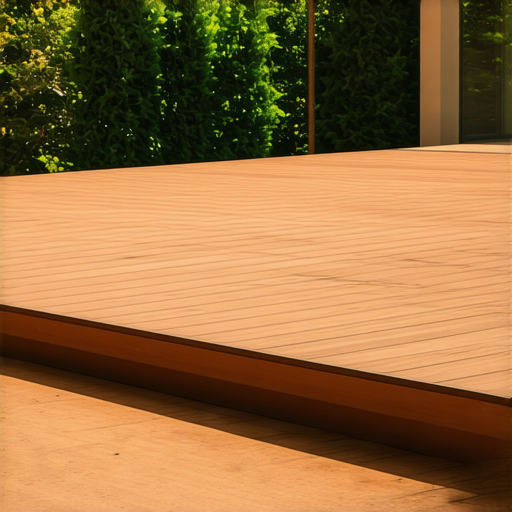
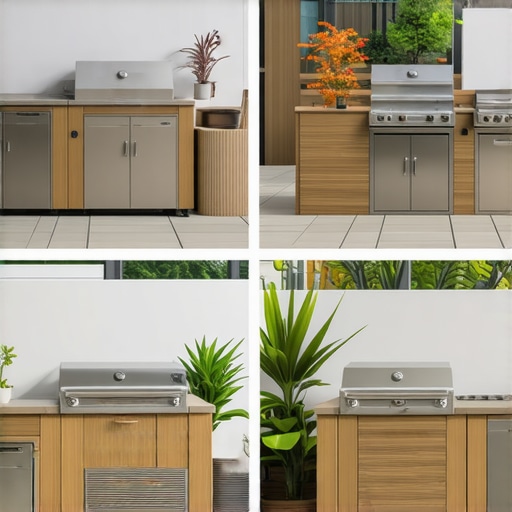
One evening, I stood there in my cramped deck space, desperately trying to squeeze in a simple outdoor kitchen setup. The grill was blocking the door, theCounter space was non-existent, and I kept tripping over tangled hoses and misplaced furniture. It hit me—I was trying to fit a sprawling BBQ into a tiny corner, without any real thought. That lightbulb moment made me realize something crucial: **designing for small, urban decks requires intentional, efficient layouts that make the most of every inch.**
Where Small Decks Feel Larger Than Life
Millions of townhome owners face the same frustrating challenge. Limited space shouldn’t mean sacrificing style, functionality, or the joy of outdoor cooking. With smart planning, even a compact deck can become your favorite summer entertaining spot. Today, I’ll share four outdoor kitchen layouts tailored for 2026 townhome decks—layouts that pack practicality into tiny footprints without compromising on that crucial wow factor. Whether your space is a tight corner or a narrow strip, these ideas will help transform your deck into a culinary oasis.
Is Compact Really Comfortable or Just a Hype?
Initially, I made the mistake of thinking smaller meant less versatile. I assumed I had to choose between a functional kitchen or a open-air lounge. But after experimenting with different configurations, I learned that efficiency trumps size every time. For example, I discovered that combining built-in appliances with fold-away counters maximized the limited space, making my deck both functional and inviting. If you’re worried that a small outdoor kitchen won’t be sufficient, rest assured—smart layouts are game changers, and I’ll guide you through creating one that fits your needs.
**This isn’t just my opinion. According to recent trends, innovative compact designs are not only practical but also cost-effective, saving you room in your budget as well as your backyard.**
Ready to see how these layouts can redefine your outdoor living space? Let’s dive into four smart configurations that you can adapt to your specific townhome deck—each one designed to make your outdoor kitchen feel spacious and tailored to your lifestyle. And if your deck needs a bit of sprucing up first, consider exploring the latest in [composite decking trends](https://deckforgebuilders.com/composite-decking-trends-durable-solutions-for-modern-outdoor-living) that promise durability and style for years to come.
Lay Out Your Foundation Precisely
Begin by measuring your deck accurately using a tape measure and chalk to mark intended zones. I once spent hours measuring and sketching on a notepad, which helped me visualize the layout without making costly mistakes. To ensure safety and durability, consider using a ledger board anchored properly to your house, akin to a backbone supporting the entire structure. For more on secure mounting, visit this guide.
Use 3D Planning Tools
Employ design software or apps that can simulate your deck’s layout in 3D. This approach revealed that narrowing certain pathways increased usable space without cluttering the area. Think of it like a puzzle—each piece must fit perfectly, and virtual visualization helps avoid trial-and-error in real life. It’s a time-saver and prevents material waste, especially in small spaces.
Select Materials That Save Space and Last
Opt for composite decking with high durability and low maintenance. When I replaced my old wooden boards, choosing darker shades helped hide dirt, and textured surfaces prevented slips. Think of decking as a canvas—selecting the right color and texture enhances aesthetic appeal while maximizing comfort. For weather resilience, consider brands that resist fading and molding, critical for small decks exposed to sun and rain.
Incorporate Fold-Away and Multi-Functional Features
Furniture that folds or extends, like collapsible tables or stackable chairs, can dramatically increase usable space when needed. I installed a fold-down counter near my grill, which became a prep station during parties and a neat corner when not in use, much like a Swiss Army knife. These features keep your deck open and flexible, essential for tight spots.
Install Clever Railing Systems for Style and Safety
Choose railing designs that combine safety with style, such as cable rails or glass panels. Unlike bulky wooden fences, these allow more sightlines and enhance perceived space. When I upgraded my railing, I opted for modern railings that don’t obstruct views, making the deck feel larger and more inviting. Additionally, custom railing systems can be tailored to fit tight corners and odd angles without compromising safety.
Enhance Lighting to Expand Perception
Proper lighting transforms the deck into a welcoming space after sunset. Use string lights or recessed LED strips along the railing or beneath steps—think of lighting as the jewelry that makes your deck sparkle and appear more spacious. My experience with adding warm fairy lights made my small deck feel cozy yet open, encouraging longer evenings outdoors.
Design With Comfort and Function in Mind
Prioritize seating and cooking areas that serve multiple purposes. For example, combining a bench with storage underneath or including a built-in BBQ station reduces clutter and frees up space. I crafted a corner seating nook with storage, which housed cushions and outdoor essentials, keeping the deck tidy. Remember, every element should serve more than one function, especially in tight quarters.
While many homeowners focus on the basics of outdoor design, there’s a wealth of nuanced details that can significantly impact the longevity, safety, and aesthetics of your deck project. One of the most common pitfalls involves underestimating the importance of choosing the right railing system. Many believe that cost-saving, basic railings suffice, but in reality, a poorly selected or improperly installed railing can pose safety hazards and diminish your deck’s value. For example, opting for cheap, lightweight materials might save money upfront but could lead to wobbling, corrosion, or failure during storms. Experts recommend considering custom or high-quality railing systems that combine durability with style, especially in high wind or coastal zones.Ensuring your outdoor deck and railing systems stay functional and beautiful over time requires attention, specialized tools, and a proactive maintenance routine. I personally recommend investing in a high-quality power washer with adjustable pressure settings to clean composite decking effectively, as I’ve found that a gentle, controlled rinse prevents surface damage and mold buildup without the need for harsh scrubbing. Using a dedicated plastic scraper helps remove stubborn debris without scratching your surfaces, which is vital for maintaining both appearance and safety.
For more stubborn stains or mold, I turn to a cleaner formulated specifically for composite decking, such as those that contain mildew inhibitors. Regular application, following manufacturer instructions, helps preserve the deck’s integrity and appearance, especially in humid climates. When dealing with metal or cable railings, I recommend inspecting for corrosion with a visual check every six months, and applying a corrosion-resistant spray if needed—this prevents long-term deterioration and maintains safety standards.
Looking ahead, the trend is moving toward smart maintenance tools—like IoT-connected sensors that monitor deck stability and structural integrity, alerting homeowners before any major issues develop. This proactive approach empowers you to schedule repairs early, reducing costs and extending your deck’s lifespan.
**How do I maintain railing systems over time?** Regular inspections are key. Check for loose fittings, corrosion, and wear, especially after severe weather events. Tighten fittings with a specialized screwdriver or wrench, and replace any damaged hardware. For a more thorough refresh, I use a power drill with a socket attachment to secure tightening without over-tightening, which can cause material stress. Applying a protective coating or sealant annually makes a significant difference in resisting moisture and rust.
To keep your deck in top shape, it’s equally important to pay attention to pergolas and other structures. Using the right tools, such as a digital angle finder, helps ensure that slats or beams are installed at optimal angles—for instance, the 5 pergola slat angles that maximize shade during summer—allowing you to enjoy your outdoor haven comfortably. For ongoing protection, I recommend upgrading pergola anchors with heavy-duty, weather-resistant options to withstand storms and high winds, as detailed in this article.
In the future, I see a growing emphasis on eco-friendly, low-maintenance materials combined with smart monitoring systems, making outdoor upkeep more intuitive. Incorporating these advancements now can ensure your outdoor space remains a safe, stylish oasis for years.
If you haven’t already, try using a maintenance-specific cleaner for your composite decking and see the difference it makes. Regular upkeep might seem tedious but is really about protecting your investment and enjoying your backyard with confidence.
Throughout my journey of optimizing compact decks, I discovered that the most valuable lessons often come from unexpected challenges. One of my favorite insights? That integrating multifunctional elements—like fold-away counters or convertible furniture—can turn a tiny space into a versatile haven. It’s about thinking outside the box and prioritizing adaptability over size, knowing that careful planning and quality materials are your best allies in creating a stunning outdoor kitchen that feels spacious and welcoming.
Another lesson learned was the significance of early visualization. Employing 3D planning tools saved me from costly mistakes and gave a clearer vision of how each element would fit harmoniously. This step is a game changer—allowing you to experiment virtually with layouts, materials, and lighting to craft a deck that truly reflects your style and meets your practical needs.
Finally, I realized that maintaining your outdoor space is equally as crucial as designing it. Regular checks of railing stability, deck surface integrity, and protective coatings extend the life of your investment and keep your space safe and beautiful. Using trusted resources like composite decking trends and consulting expert guides ensures your project remains resilient in the face of weather and time.
The Hardest Lesson I Learned About Railing Systems, Deck Design, Composite Decking, Pergola
- Choose durability over cost: I once went for cheaper railing materials, only to face corrosion and wobbly posts after storms. Investing in high-quality, weather-resistant systems like custom railing solutions pays off in safety and aesthetics.
- Prioritize safety without sacrificing style: Sleek glass panels and cable rails can maximize sightlines, making even tight spots feel open. It’s crucial to balance design and safety, especially in small decks exposed to high winds or coastal conditions.
- Regular maintenance is key: I learned to inspect connections and apply protective coatings annually, preventing rust and deterioration. Proper upkeep preserves both function and beauty for years to come.
- Plan for expansion as needs evolve: Modular railing kits and adaptable pergola designs allowed me to update my space easily—think about future needs when choosing your materials and layouts.
My Essential Toolkit for Deck and Pergola Perfection
- Design software applications: Tools like SketchUp enable virtual staging, helping me visualize layouts before construction.
- Weather-resistant materials: High-grade composite decking and durable railings protect against the elements, saving time and money.
- Inspection and maintenance gear: A power washer and corrosion-resistant sprays ensure my deck and railing stay in top condition.
- Guides and resources: Trusted sites like decks and outdoor living experts provide invaluable advice on materials and safety standards.
Your Next Step Toward Outdoor Bliss
Building or enhancing a small deck with a smart outdoor kitchen is more than just an upgrade—it’s a lifestyle shift. The excitement of turning limited space into a culinary oasis that Reflects your personality is incredibly rewarding. Start today by sketching your ideal layout, selecting resilient materials, and committing to ongoing maintenance. Remember, every small step you take transforms your outdoor space into an extension of your home—vibrant, inviting, and uniquely yours.
Have you ever faced unexpected hurdles while designing your outdoor space? Share your experiences below and let’s learn from each other’s journeys to create beautiful, functional decks that stand the test of time.