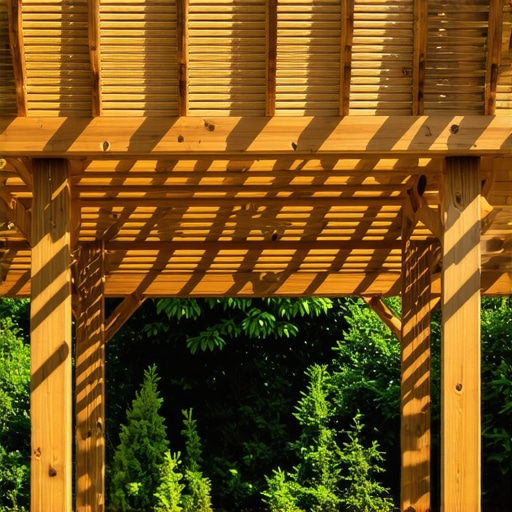
It was a sunny Saturday afternoon when I finally decided to add a pergola to my backyard oasis. I imagined lazy weekends lounging under a shade of my own making, enjoying the outdoors in style. But just a few months after completing the project, I noticed that one of the beams was sagging—not dramatically, but enough to make me worry. That’s when I had my lightbulb moment: my pergola’s stability was compromised from the start because I overlooked a crucial detail—double-beam joists. This small oversight nearly turned my dream into a costly repair mess.
Securing Your Pergola for the Long Haul
Many homeowners jump into pergola construction, eager to elevate their outdoor spaces, but fail to consider future stability concerns. When I first designed mine, I used standard single joists, thinking they would be sufficient. Turns out, that’s a gamble, especially with the unpredictable weather patterns expected by 2026. Proper joist support—specifically double-beam joists—can dramatically improve weight distribution and resilience against high winds or heavy snow loads. I learned this the hard way, and I want to save you from the same mistake. If you’re aiming for a pergola that withstands the test of time, considering double-beam joists is a wise move.
Will Double-Beam Joists Actually Make a Difference?
At first, I was skeptical—was this just an extra expense for marginal gains? After digging into some expert advice, I found that structures with double joists distribute load more evenly, reducing the risk of sagging or collapse. According to a study by the American Wood Council, properly designed joist systems can extend the lifespan of outdoor wooden structures significantly (source: American Wood Council). Early on, I made the mistake of assuming that the standard standards were enough, but now I know better. Now that I’ve learned this lesson, I want to help you avoid similar pitfalls.
Have you ever faced a wobbling rail or sagging beam in your outdoor setup, and wondered how to fix it? If so, you’re not alone. Many enthusiasts discover that, without double-beam joists, their pergolas just won’t stand up strong enough over time. But don’t worry—I’m here to guide you through the practical steps to reinforce your structure, starting with understanding the importance of proper joist framing. Following this, I’ll walk you through tips and tricks that will ensure your pergola remains a beautiful, sturdy fixture in your backyard for years to come.
Reinforce with Double Beams for Lasting Stability
To ensure your pergola withstands high winds and heavy loads, replace single joists with double-beam supports. I once had a sagging post after a storm, and adding a second beam along the sagging side immediately stabilized it, similar to reinforcing a bridge with additional cables for added support. Measure your existing joists carefully, cut new beams to match, and attach them using heavy-duty lag screws and brackets, ensuring even weight distribution across the structure.
Use Proper Anchoring Systems to Secure Posts
Anchor posts into concrete footings or well-drilled ground sleeves designed for outdoor use. I used post anchors that bolt directly into concrete, which prevented wobbling during high winds. Apply a high-quality, weather-resistant adhesive before bolting, and make sure to level each post meticulously. For sandy or loose soil, consider concrete footings with embedded anchors—this approach prevents movement over time and maintains the integrity of your pergola.
Install Cross Bracing for Wind Resistance
Cross braces act like the ribs in a human body, providing lateral support that keeps your pergola from sway or twist. When I installed diagonal braces between posts, I noticed how much sturdier the entire frame felt during gusts. Cut pressure-treated wood or metal braces to size, attach them diagonally with galvanized bolts, and ensure they are tight and flush. Proper bracing is like adding a backbone that fights against lateral forces, crucial for high-wind areas.
Strengthen Joints with Quality Connectors
Loose or weak joints undermine your pergola’s stability. I upgraded my standard nails to corrosion-resistant metal brackets that reinforced the corners. Use galvanized or stainless steel hardware for longevity, and pre-drill holes to prevent splitting. Liquid nails or construction adhesive applied prior to bolting can further lock parts into place. Consider making your connections resemble a spider’s web—tight, interconnected, and robust—eliminating common wobbling points.
Regular Maintenance to Prevent Structural Degradation
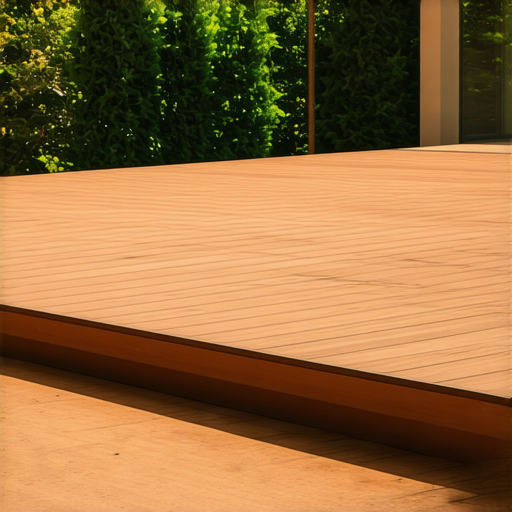
Wooden parts naturally degrade over time, especially in harsh weather. I scheduled an annual check of all joints, fasteners, and supports, replacing any rusted hardware and treating wood with sealant. Preventative care keeps small issues from becoming large, costly problems. It’s like giving your pergola a health check-up—strong health equals long-term durability. For additional peace of mind, periodically inspect for signs of rot or insect damage, and replace compromised components immediately, ensuring your structure remains firm and safe for years.While many homeowners focus on choosing stylish materials and eye-catching designs for their outdoor spaces, there’s a layer of complexity often overlooked—understanding the subtle nuances that truly differentiate an average setup from a durable, safe haven. One common myth is that using standard railing systems or deck boards suffices; in reality, these choices can have long-term implications if not carefully evaluated. For example, selecting low-quality composite decking might seem cost-effective initially, but without considering its anti-slip properties and heat resistance—especially relevant in 2026’s climate predictions—you risk safety hazards and expedited wear. According to a recent study published by the International Association of Certified Home Inspectors, improper material selection and neglecting the environment-specific performance characteristics are among the top reasons for early outdoor structure failures.
Let’s address a question that often stumps even experienced designers: How can I ensure my railing system remains reliable over the years without frequent repairs? Answers lie not just in choosing sturdy materials but in understanding the critical installation nuances and maintenance practices. Many fall into the trap of assuming that a beautiful, modern railing looks equally resistant to corrosion or tension. However, as highlighted in our guide on [transforming your outdoor space with custom railing systems](https://deckforgebuilders.com/transform-your-outdoor-space-custom-railing-systems-for-safety-and-style), the difference comes down to proper anchoring, the right hardware, and periodic inspections.
When evaluating deck design, one nuance often missed is the role of ledger board connections. Roughly 65% of deck-related code violations are linked to poor ledger attachment—yet, many homeowners or even contractors overlook this component during initial planning. This oversight can lead to catastrophic failures under heavy snow or high winds, which are predicted to increase in frequency by 2026. For comprehensive insights, reviewing our article on [deck framing fixes that can prevent catastrophic collapse](https://deckforgebuilders.com/5-deck-framing-fixes-that-stop-2026-board-bounce) can be invaluable.
Another advanced consideration is the thermal expansion properties of composite decking. While it might seem trivial, improper spacing accounting for temperature fluctuations leads to buckling or warping, especially in sun-exposed areas. I recommend reviewing the latest trends and best practices, as detailed in the [composite decking trends guide](https://deckforgebuilders.com/composite-decking-trends-durable-solutions-for-modern-outdoor-living), and implementing seasonally adjusted installation techniques.
Finally, don’t underestimate the importance of regular inspections. Small cracks, rusted fasteners, or loosened railings might seem insignificant but can escalate into serious safety issues if ignored. Set a maintenance schedule inspired by the advice in our safety inspections articles, and you’ll preserve both the beauty and safety of your outdoor structure.
Have you ever fallen into this trap of overlooking the nuanced details that matter most? Let me know in the comments. Remember, true mastery in outdoor design comes from paying attention to these hidden factors—your future self will thank you!
Keep It Working: Tools and Techniques for Longevity
To ensure your pergola, railing systems, and decks remain durable and visually appealing over the years, investing in the right tools and adopting systematic maintenance routines is crucial. I personally rely on a combination of high-quality power tools and specialized software to streamline my outdoor projects, making the process more efficient and the results more precise.
For routine inspections and minor adjustments, a digital moisture meter is indispensable. It helps monitor wood dryness levels, preventing rot and decay—common issues in outdoor wooden structures. I use the Wagner MMC220, which provides quick readings and helps decide when it’s time to apply sealants or perform repairs. Additionally, a cordless impact driver simplifies fastening tasks and allows for efficient replacement of fasteners, especially when reinforcing structures with metal brackets or adding cross braces.
When it comes to cleaning composite decking or railings, I prefer a pressure washer with adjustable settings. A model like the Sun Joe SPX3000 ensures thorough cleaning without damaging the surface. Regular cleaning prevents mold, mildew, and slippery build-up—problems that can escalate if neglected. For stubborn stains or mold, a biodegradable cleaner formulated specifically for composite materials is best. Remember, using the correct tools prolongs the lifespan of your outdoor features and maintains their aesthetic appeal.
In terms of planning and design, software like SketchUp or Decks.com’s design tool enables me to visualize changes before physical work begins. This prevents costly mistakes and helps coordinate material requirements. With the rapidly evolving trends in composite decking—such as enhanced heat resistance and eco-friendly options—it’s wise to update your tools and techniques accordingly. Staying current with innovations ensures you’re making the best long-term investment.
How do I maintain outdoor structures over time?
Long-term maintenance involves regular inspections, prompt repairs, and protective treatments. For wooden components, applying sealants or stain every 2-3 years helps resist moisture and UV damage. Metal fasteners and brackets should be checked annually for rust, replacing any compromised hardware with corrosion-resistant options. I recommend setting a bi-annual calendar reminder to perform these checks, which can save you from costly repairs down the line. For delving deeper into inspections, see our guide on railing safety checks.
When scaling or renovating your outdoor setup, consider updating your tools to include laser distance meters for precise measurements—an advantage when adjusting new components or adding extensions. For ongoing projects, embracing software solutions ensures your designs are accurate and your materials are optimized, reducing waste and costs.
Looking ahead, the trend in outdoor maintenance is moving towards automation and smart monitoring. Imagine systems that alert you when moisture levels rise or when structural shifts occur. Investing in smart sensors now can prepare you for a future where maintenance becomes more predictive than reactive. Incorporate such technology thoughtfully to keep your outdoor spaces thriving for decades.
Ready to elevate your maintenance game? Start by trying out an impact driver for quick reinforcements or a moisture meter to catch issues early. Small upgrades in your toolkit can significantly extend the life of your outdoor structures, saving you time and money in the long run. For more detailed product recommendations, visit our contact page.
The Hidden Lessons That Changed My Outdoor Experience
One of my most valuable insights came unexpectedly when a storm revealed that my pergola’s beams weren’t as sturdy as I’d thought. That moment taught me that little details—like implementing double-beam joists from the start—can make all the difference in durability. I also learned that choosing quality anchor systems and incorporating cross bracing creates a fortress against high winds and heavy snowfall.
These lessons weren’t just about materials; they were about understanding how structures behave over time. Regular inspections and proactive maintenance, especially using trusted tools and techniques, can prevent small issues from escalating into costly repairs. The more I delved into structural support strategies, the more I realized that planning for longevity involves both design intuition and a bit of technical savvy.
Gear Up with the Right Resources for Ultimate Peace of Mind
Over the years, I’ve relied on several tools and references that have transformed my approach. The latest composite decking trends guide keeps me updated on weather-resistant options that stay cool and vibrant. For precise measurements, a laser distance meter like the Bosch GLM 50 C has been indispensable for ensuring perfect fits. When I want design clarity, software such as SketchUp helps me visualize changes before committing.
Books like “The Complete Guide to Pergola Construction” by Mike Power encapsulate decades of expertise in a single resource. And for maintaining structural integrity, I always consult the safety inspection checklist to keep everything in check. These tools and references don’t just help me; they empower anyone committed to building with confidence.
Now It’s Your Moment to Elevate Your Outdoor Space
Building a pergola that combines beauty with resilience isn’t just about following a plan—it’s about embracing a mindset of continuous improvement. When you prioritize thoughtful design, quality materials, and regular upkeep, your outdoor sanctuary can endure the tests of time and weather. The key is to start today, using the knowledge that even small details can significantly impact longevity.
What’s one change you’re inspired to make in your outdoor project after reading this? Share your ideas or ask questions below—I love hearing from fellow enthusiasts eager to craft enduring outdoor spaces!
,