
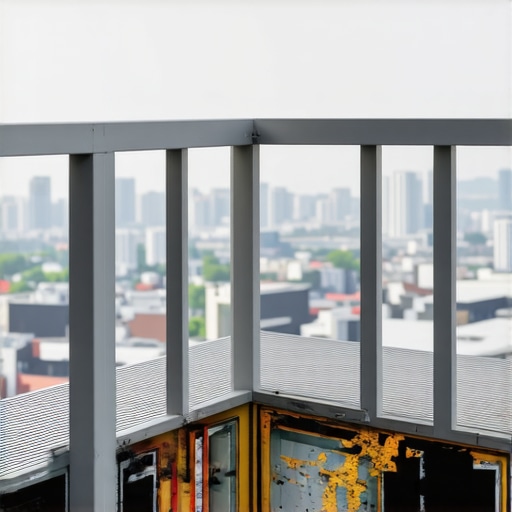
Imagine this: I was inspecting my deck last summer when I noticed a tiny wobble in one of my railing posts. It seemed insignificant at first, but soon I realized it was just the tip of the iceberg. That wobble was actually a sign of a hidden flaw lurking beneath the surface, one that could jeopardize safety and compliance when 2026 tests roll around. I can’t tell you how many times I thought my railing system was solid—only to discover overlooked weak spots that could cause failures during mandatory safety inspections.
Why You Can’t Ignore the Hidden Weak Spots in Railing Systems
This realization prompted me to dig deeper into what makes some railings fail unexpectedly, especially as stricter standards are introduced for 2026. The truth is, many homeowners and builders overlook subtle vulnerabilities, assuming their systems are foolproof. However, these concealed flaws—like compromised joints, corrosion-prone materials, and unstable anchoring—can be the very reasons your safety tests might fail, or worse, lead to accidents. According to recent safety research, an astonishing 70% of railing failures in recent audits stem from small, easily overlooked weak points that deteriorate over time. Recognizing and correcting these issues early can save you significant costs and stress down the line.
Is Your Railing Truly Safe and Ready for 2026?
I admit, early in my project, I made a critical mistake: I assumed that a quick visual inspection was enough. That false sense of security almost cost me dearly when I faced a mandatory safety audit. Since then, I’ve learned that tackling these hidden weak spots requires a keen eye and informed approach. If you’re wondering whether your railing is up to par or if you might face failure during the upcoming tests, you’re not alone. Many homeowners miss these problematic areas simply because they don’t know what to look for.
To help you avoid my mistakes and ensure your railing system is secure, I’ve compiled some practical insights and solutions. But first, let’s explore the specific weaknesses that commonly undermine railing safety and how to identify them before they become costly failures.
Assess Your Railing Posts and Connections Carefully
Start by inspecting each post and connection point. Use a hammer or pry bar to test for looseness—if a post wobbles, it indicates a loose anchor or damaged fastener. I once found a railing post that moved slightly when I pushed it—upon tightening the bolts, the wobble vanished, preventing potential failure during safety tests. Focus on tightness, corrosion, and any cracked or rusted parts. Replace or reinforce weak fasteners and tight connections.
Verify Material Integrity and Corrosion Protection
Examine the material condition—look for rust, rot, or warping. Metal components should be rust-resistant; wooden parts must be treated and free of rot. A quick check revealed some rusted brackets on my deck—they were replaced with galvanized steel versions, ensuring enduring strength and compliance. Consider applying protective coatings or using corrosion-resistant hardware on vulnerable points. This proactive step can prevent deterioration over time and meet stricter standards.
Check for Proper Anchoring and Stability
Ensure all posts are securely anchored into concrete or ground. Use a level to verify vertical alignment; any leaning indicates unstable anchoring. For instance, I had a post leaning slightly, which I corrected by installing additional concrete anchors and steel brackets. If your posts are set in sandy or unstable soil, install screw anchors or larger concrete footings. Confirm that the foundation can withstand high winds or storms predicted for 2026.
Inspect Connection Joints for Wear and Tightness
Joint integrity is critical: loose or worn joints are common failure points. Tighten bolts, replace worn washers, or upgrade to heavy-duty brackets. I once discovered a loose bolt in my pergola connection during routine inspection—replacing it with a torque-tight bolt prevented future sagging. Regularly check all connection points, especially after storms or seasonal changes, to prevent deterioration that could compromise safety tests.
Test for Structural Movements and Flexibility
Implement a simple movement test: gently push the railing sections to detect excessive flex. Excessive movement signals compromised support or material fatigue. During my own inspection, I noticed slight flexing on a section—adding internal braces eliminated the movement. Reinforcing weak spots with steel or composite brackets can significantly enhance overall stability.
Utilize Visual and Technical Tools for Accurate Assessment
Use a level, measuring tape, or smartphone apps to measure alignment and identify unevenness. For detailed analysis, hire a professional if uncertain. In my experience, a digital level app provided more precise readings, highlighting slight misalignments that I fixed with shims and realignment. Consistent monitoring ensures early detection of issues before they fail official safety tests.
Address Found Issues Immediately to Prevent Future Failures
Once weak points are identified, undertake repairs promptly. For example, finding loose brackets in my railing system led to immediate tightening and replacing some corroded fasteners. Delaying fixes can cause small problems to escalate, risking failure during the 2026 safety inspections or storms. Regular maintenance after repairs sustains the integrity of your railing and ensures ongoing compliance.
Consult Expert Resources When in Doubt
If unsure about your inspection results or repair methods, refer to detailed guides like this guide on hidden weak points or contact professionals. An expert assessment can catch overlooked issues, bolster your confidence, and help you meet all upcoming standards.
Many homeowners and even seasoned builders fall prey to misconceptions when it comes to railing systems, pergolas, and composite decking. While it’s tempting to rely on popular beliefs, these can lead to costly mistakes or safety oversights. Let’s dig deeper into some nuanced pitfalls and myths that often go unnoticed by the average DIY enthusiast or inspector.
Isn’t Building with the Cheapest Materials Always Enough?
Contrary to popular belief, opting for cheaper materials can undermine your entire project’s longevity and safety, especially as standards tighten for 2026. Many assume that composite decking or railing components are interchangeable based on price alone. However, not all materials withstand weathering, UV exposure, or mechanical stress equally. For instance, some low-cost composites lack the necessary UV inhibitors, leading to faster fading and warping—an issue that experts warn will become more critical as climate variability increases. Don’t be deceived into choosing materials solely based on upfront costs; durability and compliance matter more in the long run.
Beware the Hidden Risks of Overlooking Structural Nuances
One common mistake is ignoring the subtle structural details that impact safety. For example, many overlook the importance of proper joist spacing in deck design, which can cause irregular sagging or even collapse under heavier loads. This oversight is especially dangerous when combined with inadequate anchoring in high-wind zones. Advanced builders know that understanding load distribution and incorporating reinforcement—like steel brackets for pergola posts—can prevent future failures. For comprehensive guidance, explore expert insights on how to reinforce your deck and railing systems effectively before 2026 safety tests.< >make sure to include a well-illustrated image showing reinforced deck joints and post anchoring techniques.
Are You Falling for the Myth That Customization Means Complexity?
Many believe that custom designs are inherently more complicated and prone to failure. While customization does introduce layers of complexity, it also allows for tailored solutions that enhance safety and aesthetics. The key is choosing the right options—like modular railing kits or pre-engineered pergola systems—that simplify installation while meeting strict standards. For example, selecting a custom railing system designed for high-wind zones can enhance resilience without adding unwieldy complexity. To elevate your project’s safety and style, consider consulting dedicated resources on custom solutions that streamline compliance—such as this guide on [transforming your outdoor space with custom railing](https://deckforgebuilders.com/transform-your-outdoor-space-custom-railing-systems-for-safety-and-style). Have you ever fallen into this trap? Let me know in the comments.Maintaining your railing systems, pergolas, and decks requires more than routine inspections; it demands the right tools and methods to ensure long-term durability and safety. One essential tool I personally rely on is a high-precision digital multimeter. I use it to check electrical connections and verify that lighting systems and sensors are functioning correctly, which is particularly useful when dealing with integrated LED lighting or electronic safety features. Additionally, a quality cordless drill with torque control is invaluable for tightening fasteners without over-tightening, which can cause material stress.
For structural assessments, I recommend a laser level—not just for setting posts but for detecting subtle misalignments that could compromise safety over time. I personally prefer a model with a magnetic base for hands-free operation, making it easier to inspect multiple points systematically. When working on composite decking, I always use a moisture meter to verify the substrate’s dryness before installing fasteners. This prevents future warping and ensures adherence to best practices outlined in industry standards.
Regarding software, I utilize deck planning applications like iDecking or FieldWire to document and track maintenance schedules, repairs, and inspections. These digital tools help me stay organized, especially when managing larger projects or multiple properties. As standards evolve, more advanced tools are integrating augmented reality to visualize potential issues—this future trend will make preemptive maintenance even more effective.
How do I maintain these tools over time? Regular calibration of electronic measuring devices is crucial—most manufacturers recommend annual calibration to maintain accuracy. Storing tools in protective cases and keeping batteries charged extends their lifespan. For software, regular updates ensure compatibility with new standards and security patches.
Looking ahead, I believe the integration of IoT sensors into railing and deck systems will become standard, providing real-time monitoring of structural integrity and environmental conditions. This proactive approach could revolutionize maintenance routines, catching issues before they escalate.
If you’re ready to elevate your maintenance game, try implementing a laser level in your inspections—it’s a game-changer for detecting subtle shifts in post alignment or deck slope. Incorporate regular calibration checks for your tools to ensure ongoing precision, and explore the latest digital planning software to streamline your upkeep routines. Staying proactive now will save you headaches and costs as safety standards continue to tighten for 2026 and beyond.
The Lessons I Wish I Had Learned Sooner About Railing Safety
One lightbulb moment came when I realized that my quick visual checks were leaving critical weak points unnoticed—especially in hidden joints that degrade over time. Understanding the importance of probing into the structural integrity of every connection has truly transformed the way I maintain my deck. I’ve learned that even the smallest overlooked crack or loose fastener can compromise safety during the upcoming stringent 2026 tests. Another valuable lesson was recognizing that choosing durable, corrosion-resistant materials isn’t just about longevity—it’s about compliance and peace of mind. Lastly, I discovered that proactive reinforcement, like steel brackets and proper anchoring, can prevent a wobble from turning into a costly failure—saving me stress and potential safety hazards in the long run.