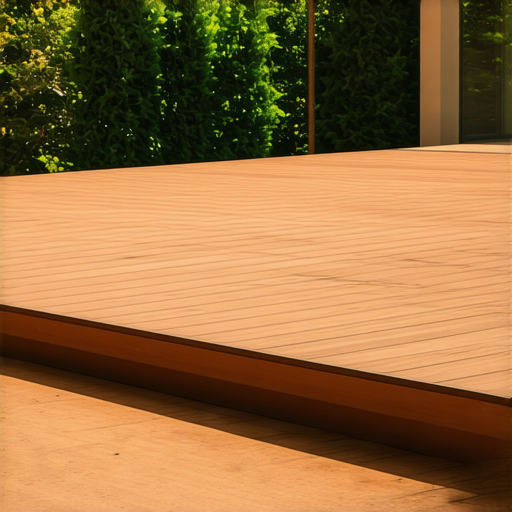
I remember the first time I noticed a noticeable warp on my new composite deck. It was a sunny Saturday, and I wanted to enjoy my outdoor space, but the boards were curling at the edges like a frying pan. That lightbulb moment made me realize: if I didn’t address the issue early, my entire project could suffer. Have you ever been in that boat, wondering why your beautiful deck suddenly looks old before its time? Well, you’re not alone, and there’s good news. Today, we’re diving into how to prevent and fix warp gaps in your 2026 composite boards with three simple, effective fixes.
Why Warp in Composite Boards Is a Growing Concern
Composite decking offers so many advantages over traditional wood—durability, low maintenance, and a sleek look. But even the toughest materials aren’t immune to problems, especially with climate challenges and installation mistakes. Warp, gapping, and buckling can turn your dream deck into an eyesore. It’s more than cosmetic; uneven boards can compromise safety and reduce your home’s value.
In my early days, I made a costly mistake. I assumed that composite boards were foolproof and didn’t need careful planning. But as the seasons changed, I realized I’d overlooked critical spacing and support practices. That oversight led to significant warping, which could have been avoided with a few smart fixes now known among experts. For instance, according to a recent report by the International Association of Certified Home Inspectors, improper spacing and poor support are leading causes of deck warping in new builds (HomeInspectors.org). Knowledge is power, and understanding the root causes helps us implement preventive measures.
Have you faced warped or gapping boards in your outdoor projects? If so, don’t worry—you’re about to learn straightforward solutions to keep your deck looking sharp and functioning safely for years to come. Let’s start with the biggest culprits and how to fix them before they become disasters.
Insider Tips for Proper Deck Installation
Start by ensuring your foundation is level and stable. Use a laser level or string line to mark the correct elevation points, just like a carpenter aligning a roof. When laying your joists, maintain consistent spacing—usually 16 inches on center—to prevent uneven weight distribution that causes warping. I once measured several times before installing my deck boards, which saved me from later uneven gaps. Proper spacing allows for expansion and contraction with temperature changes, reducing warp risk.
Secure Board Placement to Combat Warping
When installing composite boards, screw them down tightly but avoid over-tightening, which could induce stress. Use corrosion-resistant fasteners like stainless steel or coated screws tailored for composite materials. I learned this the hard way when a board started to lift after faulty screw placement. Pre-drilling pilot holes can also prevent splitting and ensure snug, secure attachment. Remember, the goal is to anchor boards firmly while allowing slight movement due to temperature shifts.
Manage Environmental Factors and Material Choices
Choose composite decking with proven heat resistance to minimize expansion during hot days. For example, brands tested for 2026 summer heat are less prone to warping. Additionally, shading strategies—like strategic placement of pergolas or overhangs—can keep decks cooler. I once installed a pergola with adjustable slats to control sun exposure, which kept my deck stable even during peak summer. Also, consider using composite materials with built-in UV inhibitors and low thermal expansion coefficients for longer-lasting results.
Optimize Support Systems for Stability
Install continuous support beams under your deck, not just individual posts, to distribute weight evenly. Reinforce joist hangers and brackets, especially in high-wind zones, to prevent movement. I added extra joist hangers during my project, which noticeably stabilized the deck and prevented boards from shifting. Checking support integrity periodically can catch issues before warping occurs, maintaining a safe and attractive deck surface.
Routine Maintenance and Monitoring
Regularly sweep debris and clean the surface with safe cleaners like those tested for 2026 decks. Accumulated dirt retains moisture and accelerates warping; I found that weekly cleaning kept my boards flatter and looking pristine. Keep an eye on gaps and signs of movement; addressing minor shifts early with re-tightening of screws or additional support can save time and money later. Using protective coatings or sealants can also minimize moisture penetration, a common cause of composite warping.
Leverage the Right Resources and Expertise
If you’re unsure about your installation or spotted early signs of warping, consult expert guides or professionals. For design inspiration, visit composite decking trends to select heat-resistant options. For planning your project, beneficial hacks are available at custom deck planning tips. These resources can help you avoid costly mistakes and achieve a durable, warp-free deck.Many homeowners believe that choosing the latest trendy composite decking or a flashy pergola automatically guarantees durability and style, but the truth is more nuanced. One widespread myth is that all composite materials perform equally well in extreme temperatures; in reality, some brands tested for 2026 summer heat reveal significant differences in thermal expansion and warping resistance. Rushing into a design without considering climate-specific performance can lead to costly repairs down the line.
Another common mistake is underestimating the importance of proper railing systems. Many think that installing any railing will suffice, but a poorly supported or incorrectly anchored railing not only fails safety inspections—like those outlined in deck planning costs—it can wobble dangerously over time. Skipping expert advice on selecting weather-resistant materials and sturdy mounting techniques can turn a beautiful deck into a hazard.
In terms of design, a trap many fall into is neglecting the interplay between the pergola and existing landscaping. Overly ornate or poorly anchored structures might look appealing initially but suffer from structural issues like beam sagging or post rot, especially during storms. For insights on avoiding such pitfalls, check out pergola design ideas that emphasize both aesthetics and durability.
Why do some deck components fail faster than expected even if they’re top-rated?
Experts from the International Association of Certified Home Inspectors emphasize that installation errors, environmental factors, and material compatibility play critical roles in longevity. For example, not accounting for expansion gaps or using incompatible fasteners can lead to warping, cracking, or loosening over time. It’s a subtle but essential aspect that often gets overlooked in DIY projects or by inexperienced contractors. Ensuring every element is tailored to local climate conditions and installed per manufacturer guidelines can significantly extend your deck’s lifespan, saving you money and stress. Curious about the less obvious details that ensure long-term success? Dive into our guide on hidden deck support features for expert tips.
Have you ever fallen into this trap? Let me know in the comments.Maintaining a durable and beautiful deck requires more than just initial construction; it demands the right tools and ongoing upkeep. Personally, I rely on a high-quality cordless drill with adjustable torque settings. This allows me to tighten or loosen fasteners precisely, reducing over-tightening that can cause board warping or damage. For cleaning, I swear by a soft-bristle deck brush paired with a biodegradable, low-foam cleaner tested for 2026 decks, ensuring I preserve the composite surface without unnecessary abrasions. An electric pressure washer with variable PSI settings simplifies deep cleaning sessions, helping to remove dirt and mold without risking damage. When it comes to measuring and alignment, I prefer a laser level, as it ensures decks remain perfectly square and level over time, especially useful when adjusting support beams or installing new railing systems—an often overlooked aspect that impacts long-term stability. To monitor the health of your deck, a moisture meter is invaluable; it helps identify areas where water intrusion might be causing hidden damage, especially around fasteners and support posts. In the realm of software, I use deck management apps that log maintenance schedules, track repairs, and remind me when inspections are due, streamlining long-term planning. Looking ahead, I predict that smart sensors embedded into decks will become standard, providing real-time data on moisture levels, temperature fluctuations, and structural shifts—making proactive maintenance easier and more effective.
The Hardest Lesson I Learned About deck design,composite decking,pergola,railing systems
One of the most eye-opening realizations was how seemingly minor installation oversights, like neglecting proper spacing, could lead to significant warping down the line. I once ignored the importance of consistent joist spacing, which resulted in uneven board expansion and costly repairs. Now, I know that every step—from foundation leveling to fastener selection—must be executed with precision. Embracing this meticulous approach has transformed my projects from fleeting beauty into durable, lasting outdoor spaces.
3 Myths About deck design,composite decking,pergola,railing systems That Held Me Back
Believing that all composite materials respond equally to heat was a costly misconception. Some brands tested for 2026 summer heat show dramatic differences in thermal expansion, affecting warping resistance. Additionally, I wasted time thinking installing any railing system sufficed; in reality, meticulous anchoring and choosing weather-resistant hardware are vital for safety and longevity. These myths delayed my learning curve but ultimately pushed me toward better, more resilient designs.
What Experts Won’t Tell You About deck design,composite decking,pergola,railing systems
Many overlook the significance of climate-specific material selection. For instance, selecting composite brands tested for 2026 heat resistance can dramatically reduce warping risks. Also, understanding how shading strategies influence thermal expansion—like installing adjustable pergola slats—can make a real difference. These insights, from seasoned professionals, equip you with tools to create safer, longer-lasting outdoor retreats, far beyond average DIY knowledge.
My Essential Toolkit for Creating a Warping-Resistant Deck
- Laser level: Ensures precise foundation and support placement, vital for even expansion.
- Corrosion-resistant fasteners: Stainless steel screws reduce misalignments and stress-induced warping.
- Moisture meter: Detects hidden water accumulation, preventing moisture-related issues.
- Quality composite materials with UV inhibitors: Choosing the right brands tested for 2026 summer heat sustains the deck’s integrity.
- Smart shading solutions: Adjustable pergolas and overhangs help manage temperature fluctuations effectively.
These tools, combined with regular maintenance and expert guidance, have transformed my approach to outdoor deck creation. To explore newest trends and reliable material options, I recommend visiting composite decking trends for valuable insights.
Your Turn to Try
Building a deck resilient to warping isn’t just about aesthetics; it’s about safety and longevity. With the right knowledge and tools, you can craft an outdoor space that not only looks fantastic in 2026 but remains functional and safe for years to come. Remember, careful planning and ongoing maintenance are your best allies on this journey. Embrace the challenge, and watch your outdoor haven transform into a source of joy and pride.
What has been your biggest challenge in preventing deck warping? Share your experiences below—I’d love to hear your story!
,